Coq au Vin in Air Fryer: Chicken in Red Wine
A classic French recipe of chicken braised in red wine, adapted for the Air Fryer, tender and flavorful.
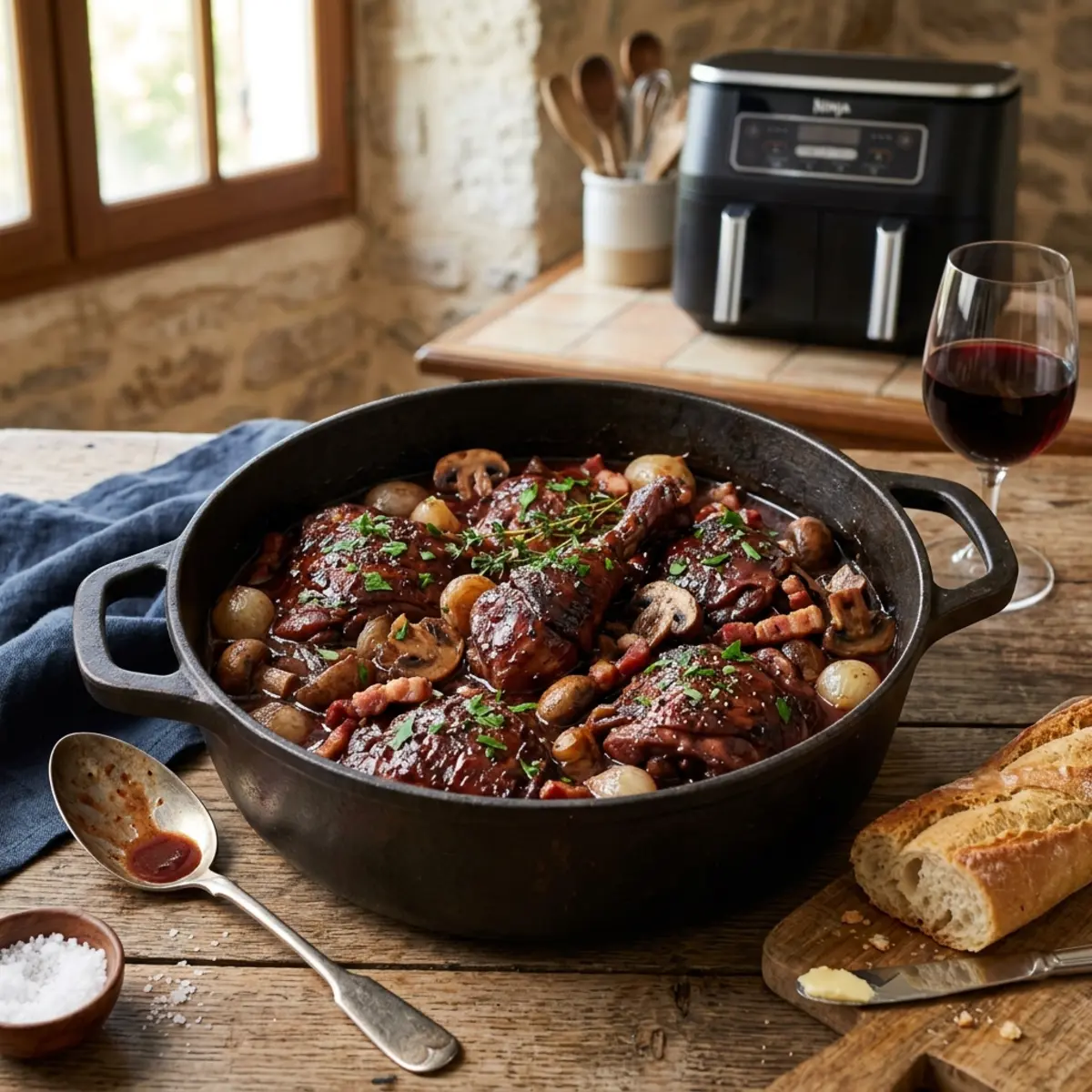
Steps
- 01
Marinate the chicken pieces overnight (or at least 1 hour) in the red wine, together with the crushed garlic, bouquet garni, sliced carrots and onions.
- 02
Strain the chicken and vegetables, reserving the wine. Cook the smoked bacon and sliced mushrooms in the Air Fryer at 180°C (360°F) for 5–7 minutes.
- 03
Transfer the marinated chicken, vegetables, cooked bacon and mushrooms to an Air Fryer-safe dish. Drizzle with olive oil.
- 04
Pour 2 ladles of the reserved wine over the mixture. Dissolve the flour in a splash of wine and stir it into the mixture.
- 05
Cook at 180°C (360°F) for 45 minutes, stirring gently halfway through.
- 06
Let the dish rest for 10 minutes before serving.
Recipe story
Coq au Vin originates from rustic French cuisine, where old roosters were slowly braised in red wine to become tender. It is said that Julius Caesar brought this technique to Gaul, and later, at the royal courts of Louis XIV, the dish was served as a symbol of culinary refinement. Over the centuries, the recipe evolved into a classic of French gastronomy, cherished for its rich flavors and velvety texture.
Ingredient Secrets
Discover the culinary secrets and flavor history of key ingredients in this dish.
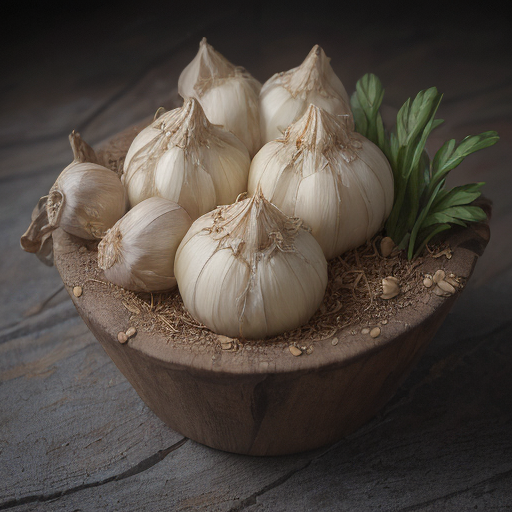
Garlic
Native to Central Asia, garlic was already known in ancient Egypt, where it was given to slaves to boost their strength. In ancient Greece, athletes consumed it before competitions, and in Rome, legionaries considered it essential for courage. During the Middle Ages, it was used to ward off vampires and the plague.
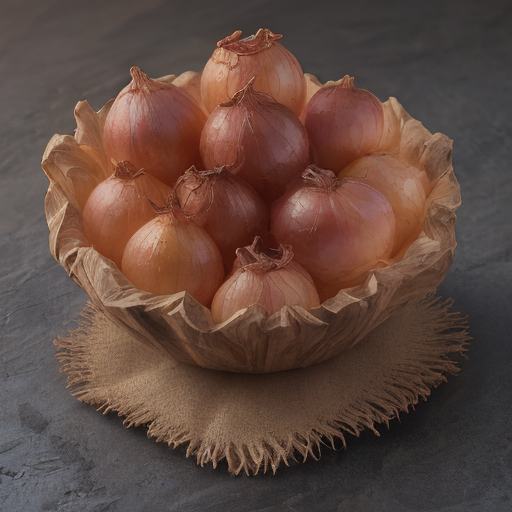
Onion
Probably originating in Central or West Asia, onions were cultivated in ancient Egypt, where they were considered a symbol of eternity and placed in tombs. In ancient Greece, athletes ate them to balance their blood, and in Rome, they were a staple food for soldiers. During the Middle Ages, onions were believed to protect against arrows and the plague.
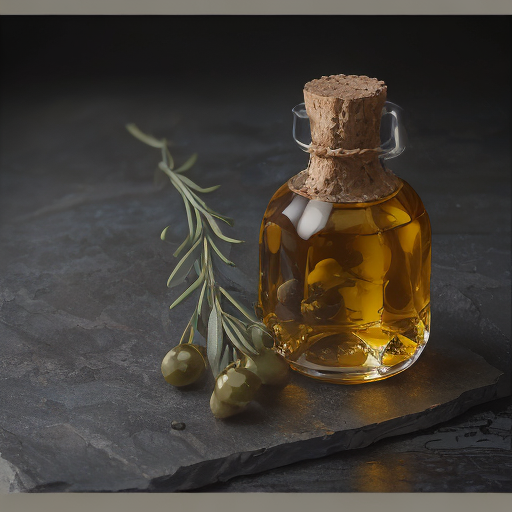
Olive oil
Originating in the Mediterranean basin, olive oil was already produced in ancient Crete 5,000 years ago. In ancient Greece, it was considered a gift from Athena and used in lamps, cosmetics, and religious ceremonies. The Romans spread it throughout the empire, and in the Middle Ages, monasteries preserved the tradition of its production.
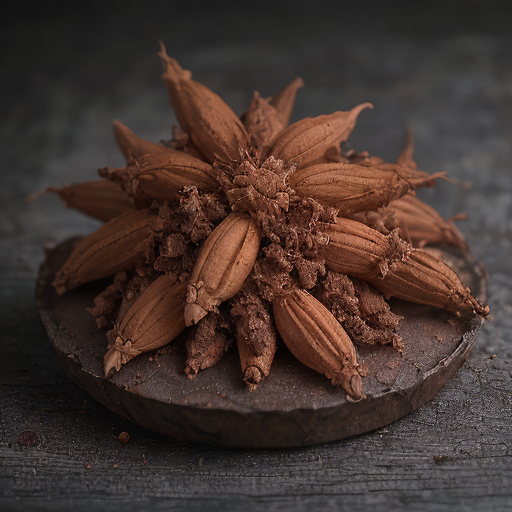
Cloves
Cloves, the dried buds of the exotic Syzygium aromaticum tree, were one of the most prized spices of the ancient world, often called 'aromatic gold'. In the Middle Ages, Venetian merchants controlled the clove trade, bringing them from the Maluku Islands, the only place they grew, and selling them at exorbitant prices in Europe.
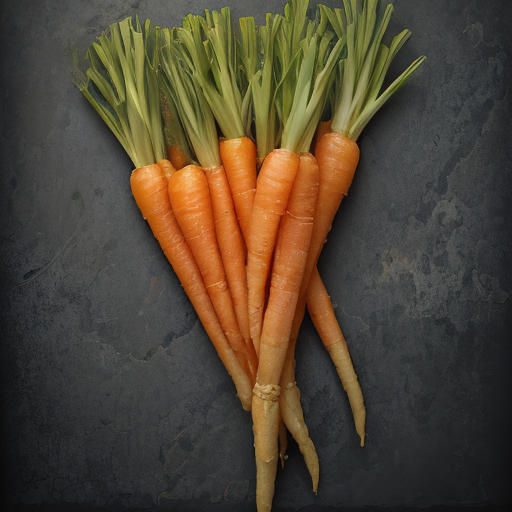
Carrot
The carrot, known in antiquity as a medicinal remedy rather than a vegetable, was originally purple or white. It wasn't until the 17th century that Dutch breeders developed the orange variety, honoring the House of Orange.
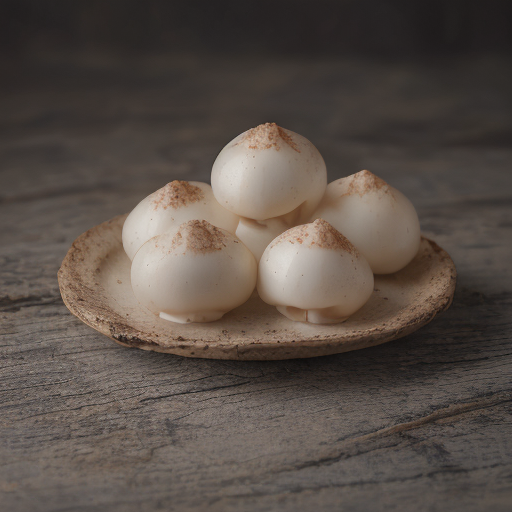
Mushrooms
Mushrooms have been used for thousands of years in cuisines worldwide, from ancient China to classical Greece. In ancient Egypt, they were considered food for royalty, and the Romans called them 'food of the gods'.
You may also like
 Misc
MiscAir Fryer S'mores – Quick Campfire Treat Without Fire
 Misc
MiscHow to Reheat Frikandellen in Air Fryer: Quick and Crispy Recipe
 Misc
MiscHow to Reheat Chicken in Air Fryer (Crispy and Juicy)
 Misc
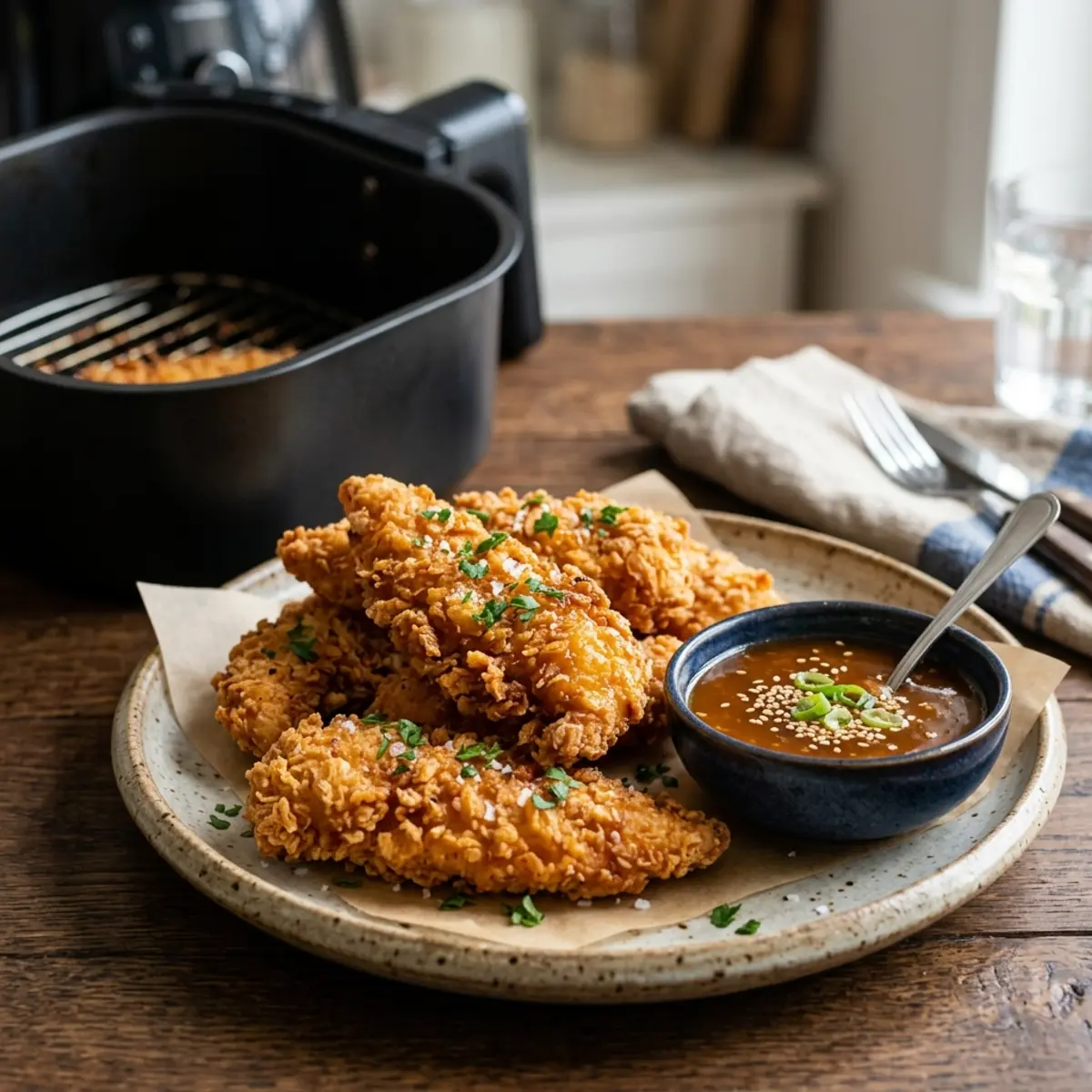
MiscCrispy Reheated Chicken Pieces in Air Fryer
 Misc
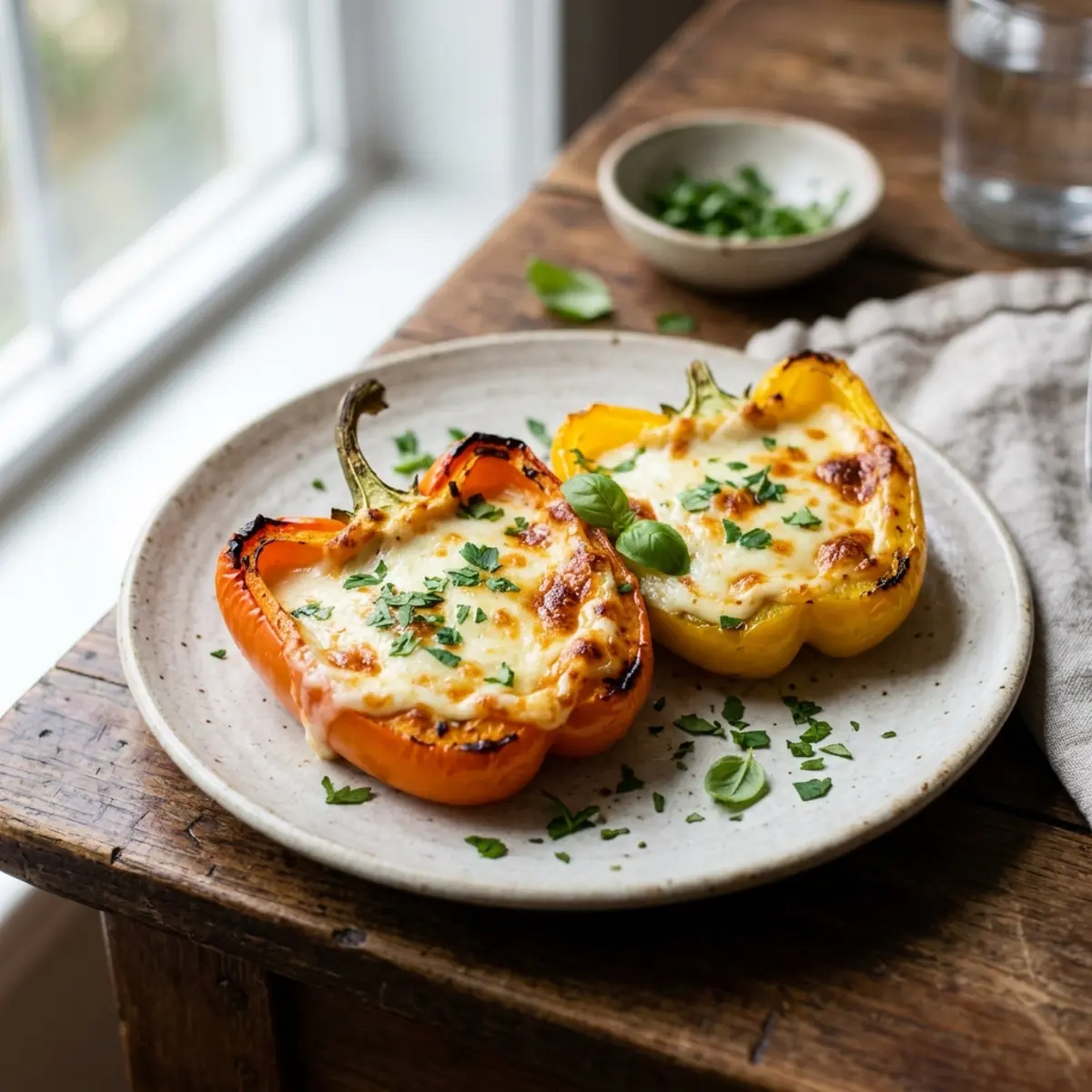
MiscStuffed Bell Pepper with Mozzarella in Air Fryer
 Misc
Misc