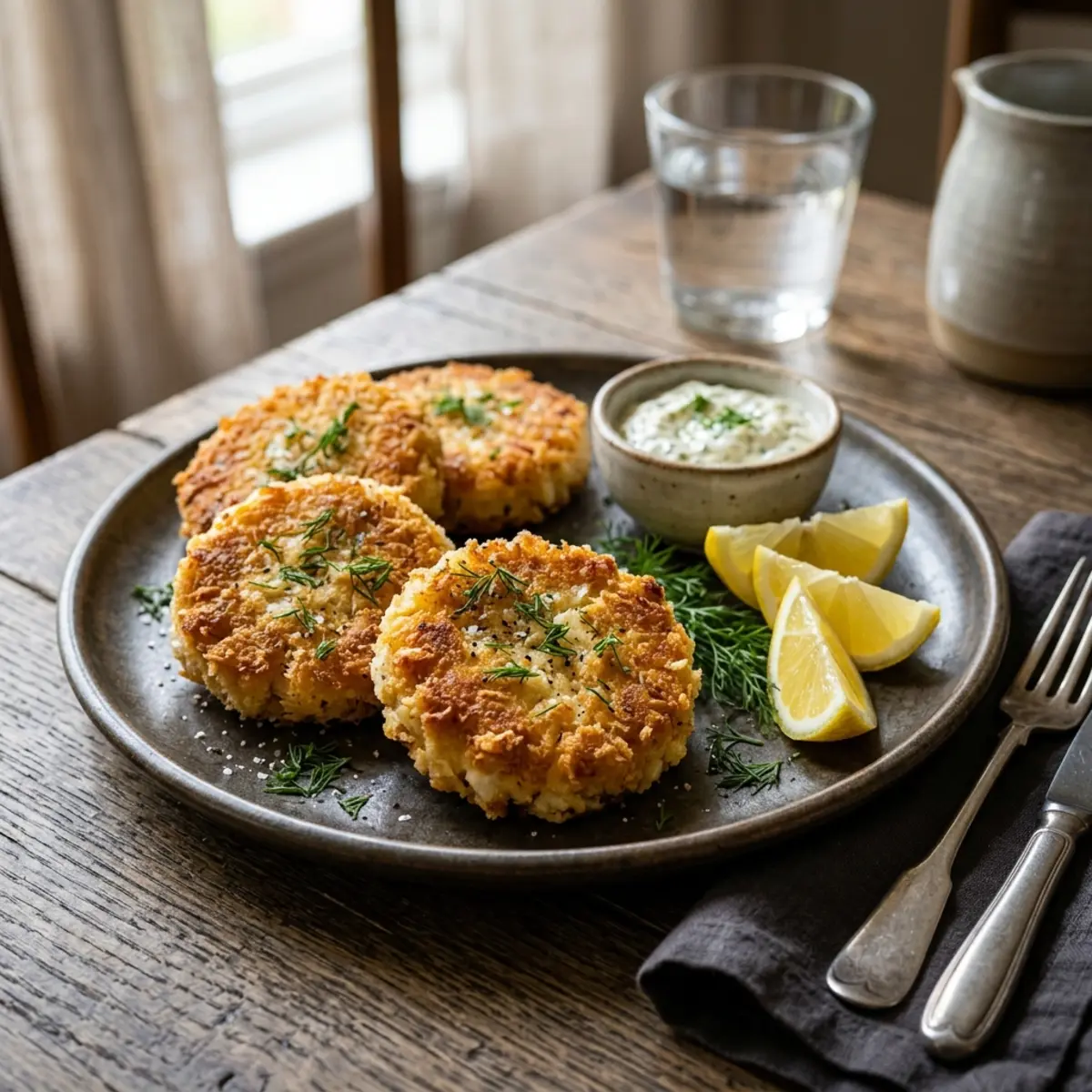
Cod Fish Cakes in Air Fryer – Quick and Crispy Recipe
Crispy cod fish cakes cooked quickly in the air fryer, perfect as an appetizer or main dish.
Steps
- 01
Pat the cod fillets dry with paper towels. Place them in a food processor and pulse until finely chopped – do not overprocess into a paste.
- 02
Transfer the chopped fish to a bowl. Add green onions, garlic, Panko breadcrumbs, salt, pepper, and parsley. Mix well and shape into patties with your hands.
- 03
For a crispy coating: in a separate bowl, beat the eggs. In another bowl, place the cornmeal (or extra breadcrumbs). Dip each patty into the beaten eggs, then coat evenly with cornmeal.
- 04
Preheat the air fryer to 200°C (400°F) for 5 minutes.
- 05
Place the patties in the air fryer basket (you can use parchment paper). Lightly spray them with olive oil on top.
- 06
Cook for 12-15 minutes, turning halfway and spraying again with oil, until golden and crispy.
- 07
Serve immediately with lemon wedges and, if desired, tartar sauce.
Recipe story
Fish cakes have origins in Mediterranean cuisine, where minced fish was mixed with herbs and breadcrumbs to create an economical and tasty dish. In Portugal, these cakes are known as 'pastéis de bacalhau' and are a symbol of Lusitanian cuisine. The recipe has been adapted over time in many cultures, including North American cuisine, where cod is a popular ingredient.
Ingredient Secrets
Discover the culinary secrets and flavor history of key ingredients in this dish.
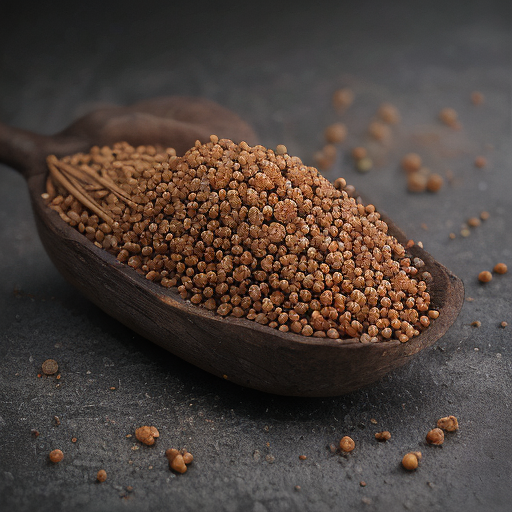
Black pepper
Known as 'black gold' in antiquity, pepper was so valuable that it served as currency and tribute. In the Middle Ages, Venetian merchants controlled the pepper trade, and individual peppercorns were often counted. Legend has it that when Alaric, king of the Visigoths, demanded tribute from Rome, he included 3,000 pounds of pepper.
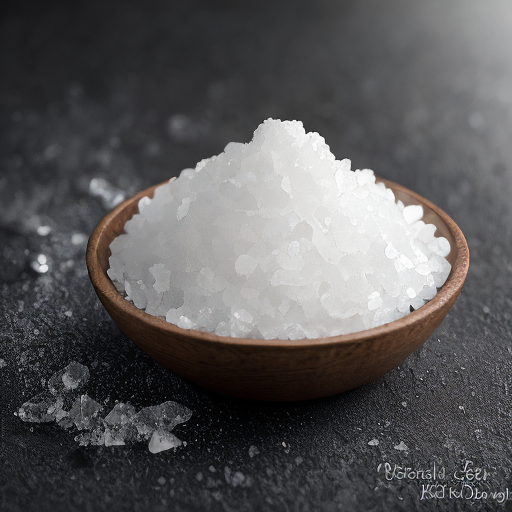
Sea salt
Sea salt, extracted from ocean waters by evaporation, was one of the most precious goods of antiquity, used both as food and as currency. In ancient Rome, soldiers were paid with salt, which is the origin of the word 'salary'. Salt roads connected entire civilizations, and in the Middle Ages, salt was so valuable it was called 'white gold'.
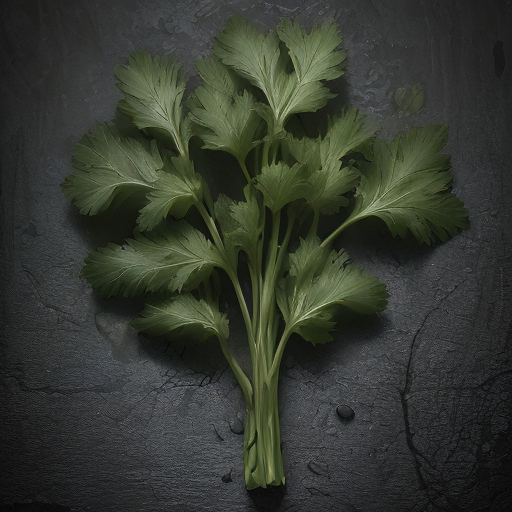
Parsley
In Greek mythology, parsley was associated with death and rebirth, planted on graves to symbolize the cycle of life. Romans used it generously in cooking and as a remedy for hangovers.
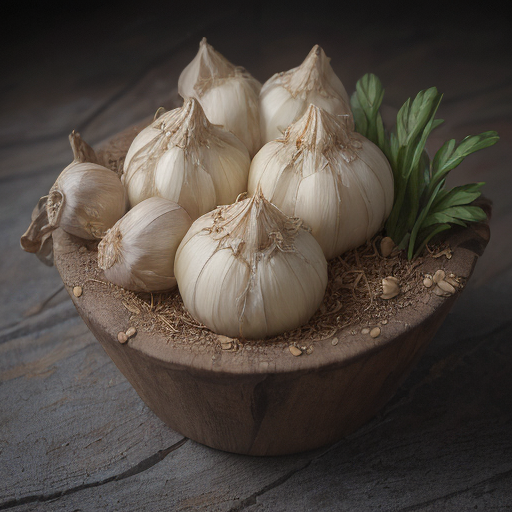
Garlic
Native to Central Asia, garlic was already known in ancient Egypt, where it was given to slaves to boost their strength. In ancient Greece, athletes consumed it before competitions, and in Rome, legionaries considered it essential for courage. During the Middle Ages, it was used to ward off vampires and the plague.
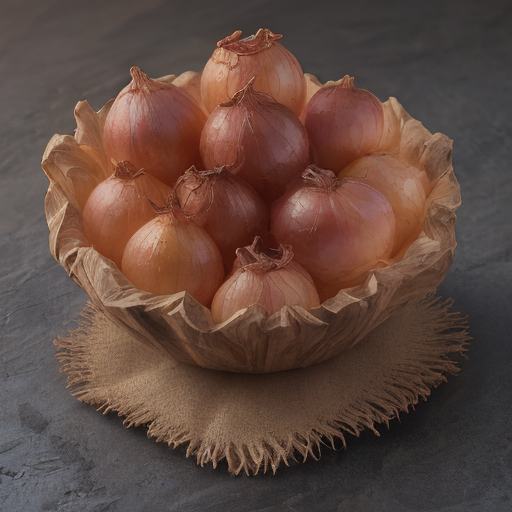
Onion
Probably originating in Central or West Asia, onions were cultivated in ancient Egypt, where they were considered a symbol of eternity and placed in tombs. In ancient Greece, athletes ate them to balance their blood, and in Rome, they were a staple food for soldiers. During the Middle Ages, onions were believed to protect against arrows and the plague.
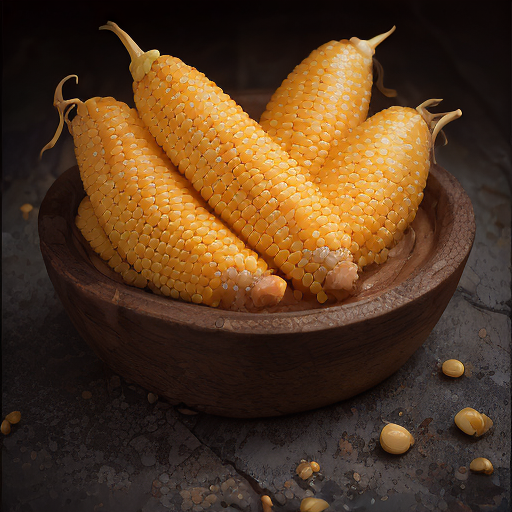
Corn
Corn, native to Central America, was domesticated over 9,000 years ago in Mexico. After the discovery of the Americas, it spread rapidly to Europe, Africa, and Asia, becoming a global staple crop. Fun fact: in Italy, corn was called 'grano turco' (Turkish wheat) because it was believed to originate from the East.
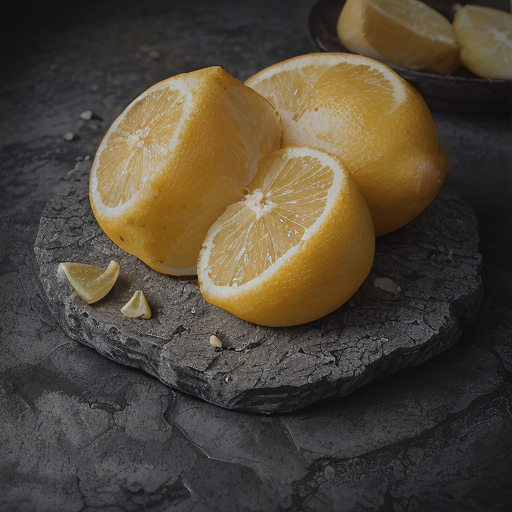
Lemon
The lemon is an ancient hybrid between citron and bitter orange, likely originating in northern India or China. In the Middle Ages, lemons were so valuable that they were given as gifts to kings. Fun fact: during the Gold Rush, British sailors were given lemons to prevent scurvy, leading to the nickname 'limey'.
You may also like
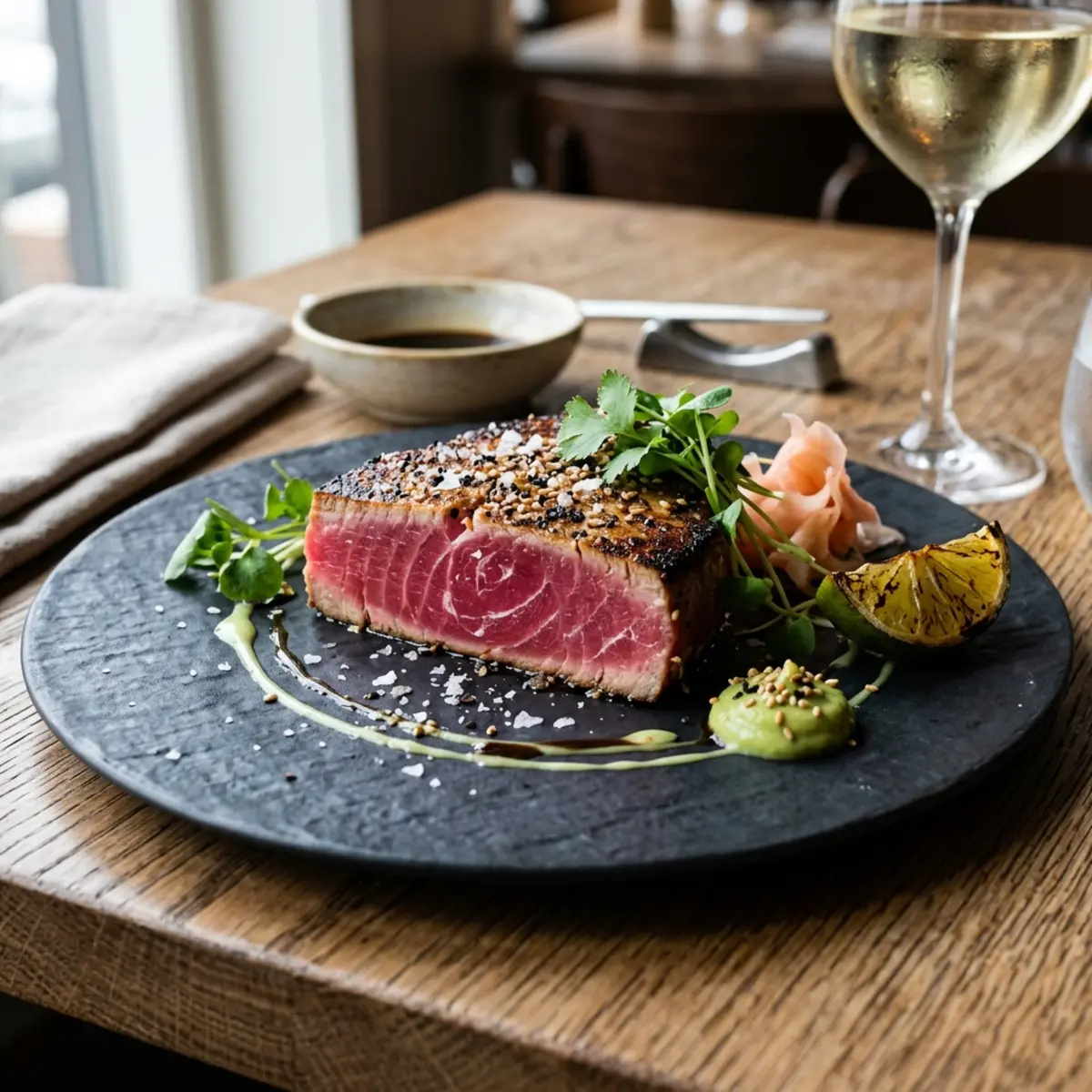 Fish
FishAir Fryer Tuna Steak – Quick and Easy Recipe in 12 Minutes
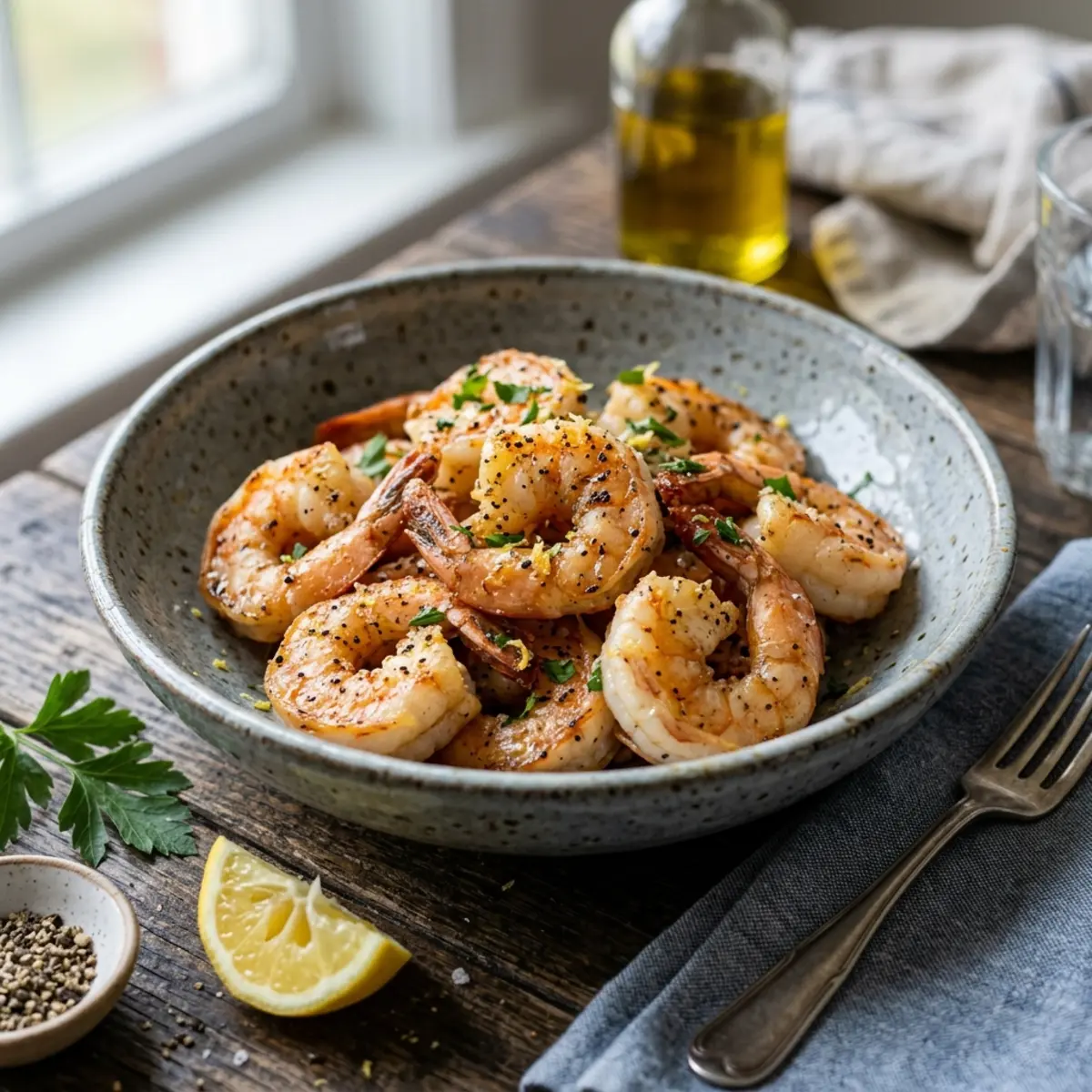 Fish
FishAir Fryer Lemon Pepper Shrimp
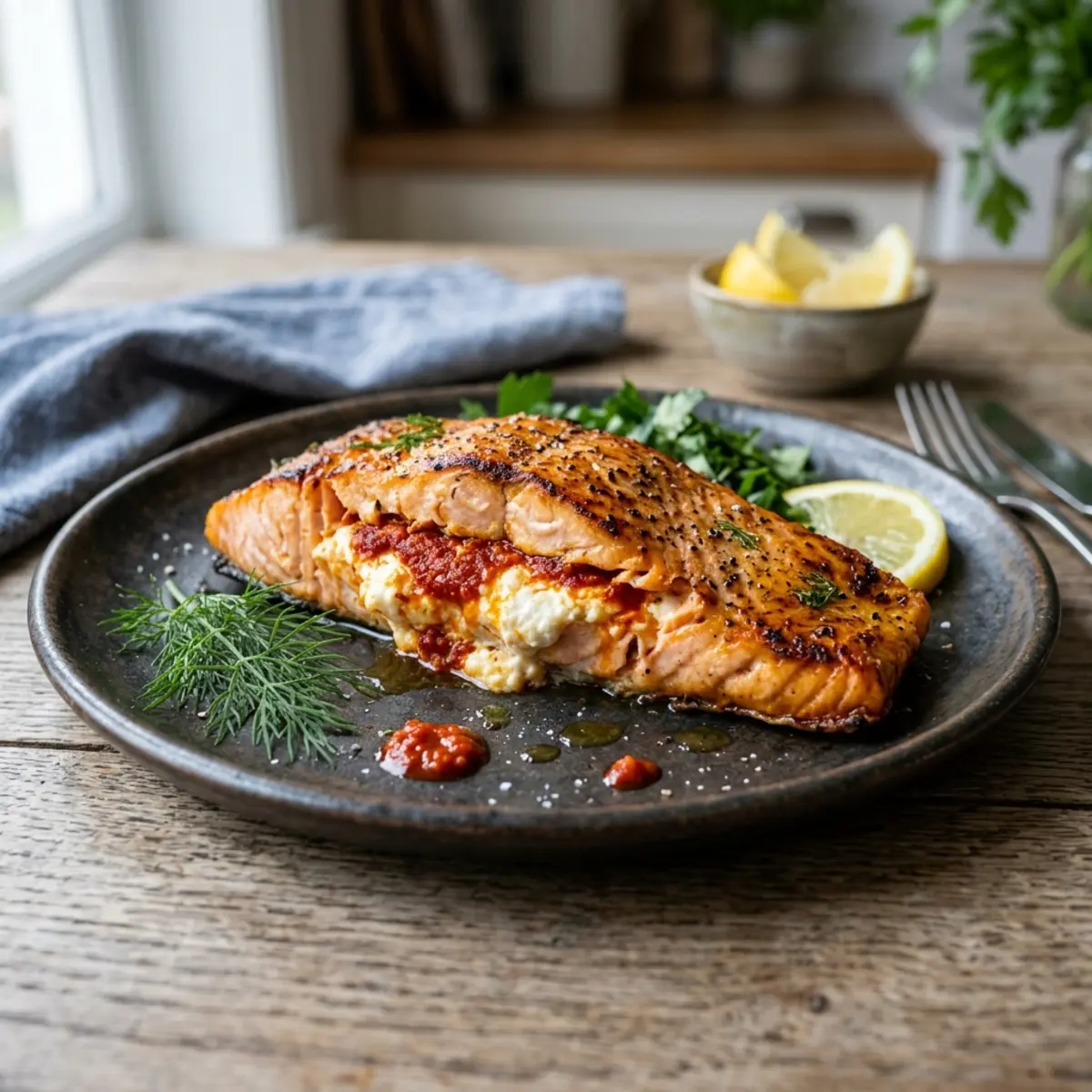 Fish
FishSalmon stuffed with ricotta and harissa in Air Fryer
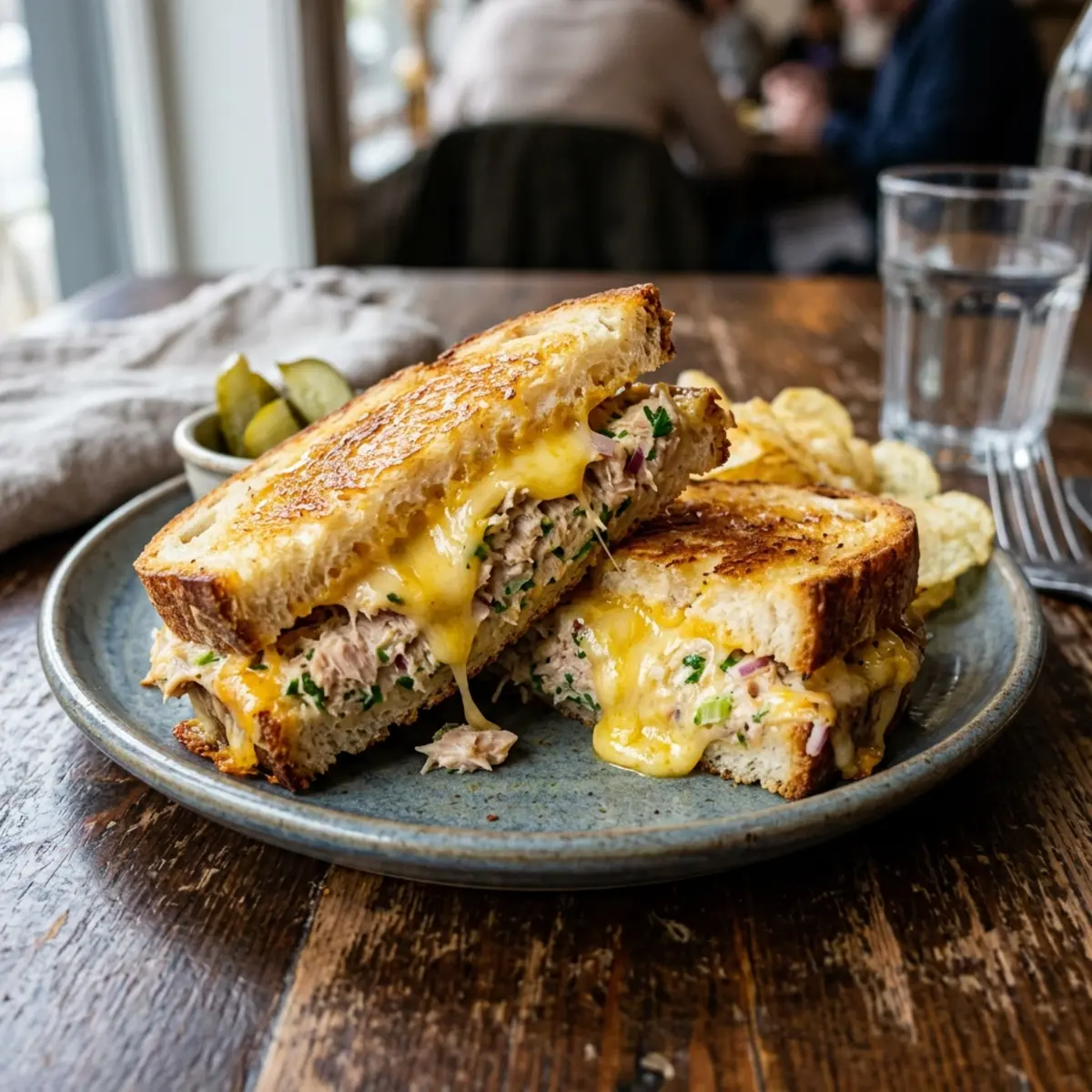 Fish
FishAir Fryer Tuna Melt – Crispy Tuna and Cheese Sandwich in 15 Minutes
 Fish
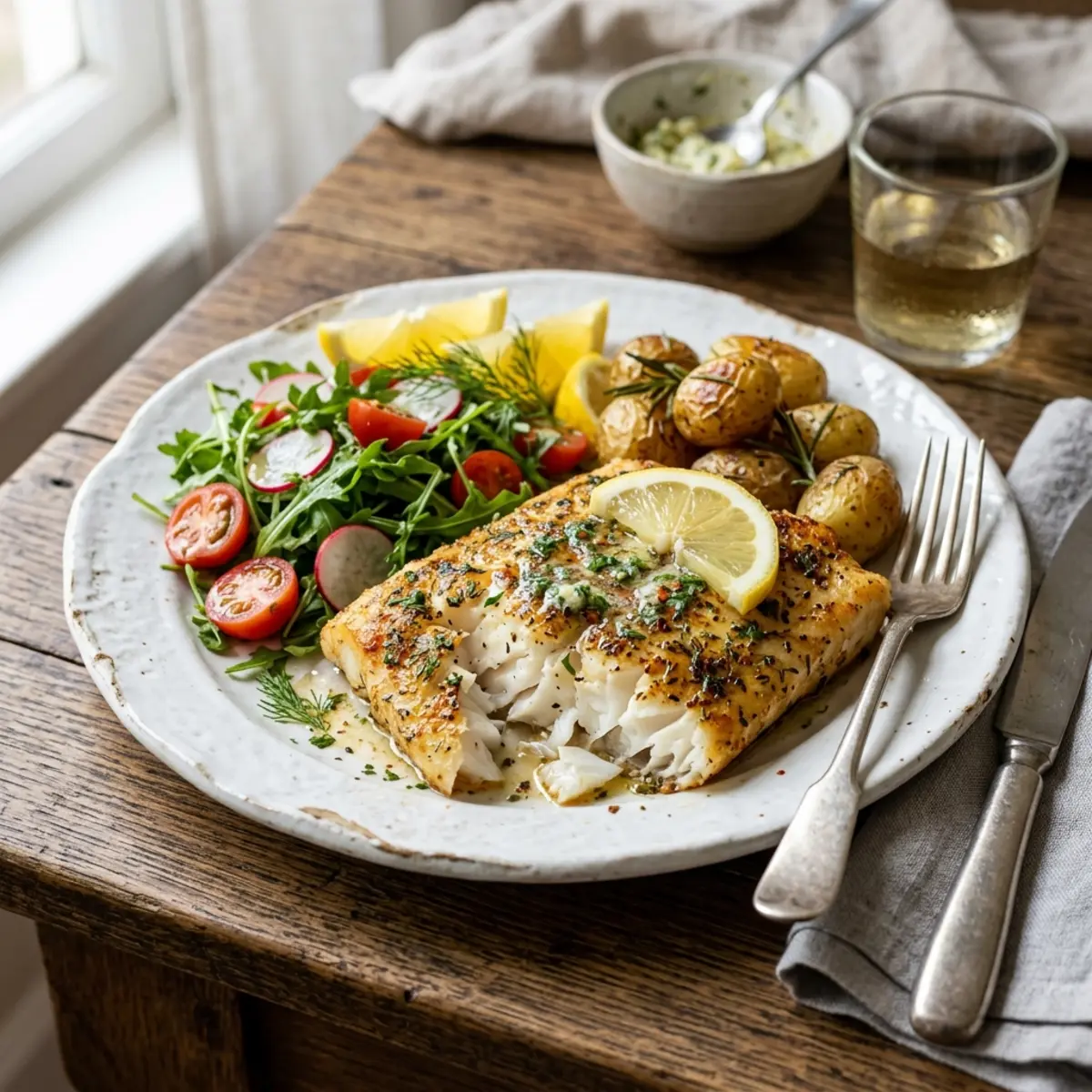
FishAir Fryer Fresh Cod Fillet - Quick & Easy 15-Min Recipe
 Fish
Fish