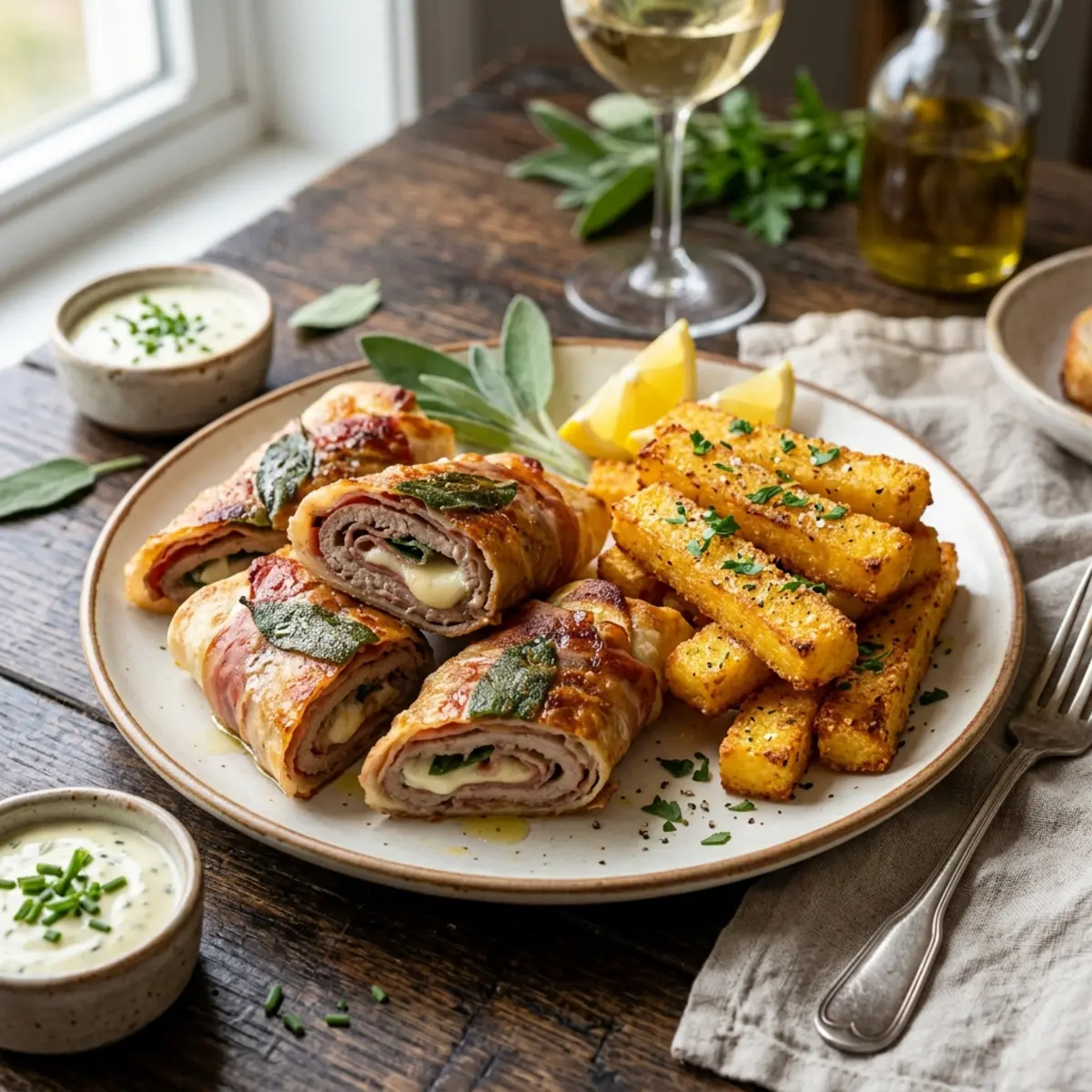
Chicken Saltimbocca in Air Fryer with Crispy Polenta Sticks
A modern twist on classic saltimbocca, cooked in an air fryer for extra crispiness, served with golden polenta sticks.
Steps
- 01
Prepare polenta: bring water to a boil, add salt, and pour cornmeal in a thin stream, whisking continuously. Cook for 5 minutes until thickened, stirring constantly. Add Parmesan and butter, mix well, then spread on a baking sheet lined with parchment paper and let cool and set.
- 02
Once polenta has set, cut into sticks (like french fries). Drizzle with olive oil and season with salt and pepper.
- 03
Place polenta sticks in the air fryer basket in a single layer. Cook at 200°C (400°F) for 12-15 minutes, shaking the basket halfway, until golden and crispy.
- 04
While polenta cooks, prepare saltimbocca: place each chicken breast between two sheets of plastic wrap and pound to an even thickness of about 1 cm (1/2 inch). Season with salt and pepper.
- 05
Place 2 sage leaves on each chicken breast, then wrap with 2 slices of prosciutto. Secure with toothpicks if needed.
- 06
Heat butter in a skillet over medium-high heat. Add chicken saltimbocca and cook for 3-4 minutes per side, until golden and cooked through.
- 07
Remove chicken from skillet and keep warm. Pour white wine into the skillet, scraping up any browned bits. Let the sauce reduce by half, about 2 minutes.
- 08
Serve chicken saltimbocca drizzled with the pan sauce, alongside crispy polenta sticks.
Recipe story
Saltimbocca, whose name literally means 'jump in the mouth,' originated in ancient Rome, where it was served as a quick and tasty dish at noble courts. Legend has it that a papal chef created this combination of veal and ham to impress a cardinal, and the recipe quickly became popular throughout Italy. Over the centuries, saltimbocca evolved, being adapted with various meats and cooking methods. Today, it is a symbol of Italian cuisine, appreciated for its simplicity and exquisite taste.
Ingredient Secrets
Discover the culinary secrets and flavor history of key ingredients in this dish.
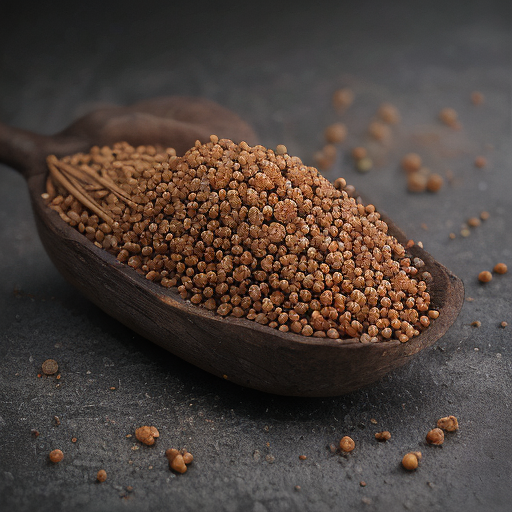
Black pepper
Known as 'black gold' in antiquity, pepper was so valuable that it served as currency and tribute. In the Middle Ages, Venetian merchants controlled the pepper trade, and individual peppercorns were often counted. Legend has it that when Alaric, king of the Visigoths, demanded tribute from Rome, he included 3,000 pounds of pepper.
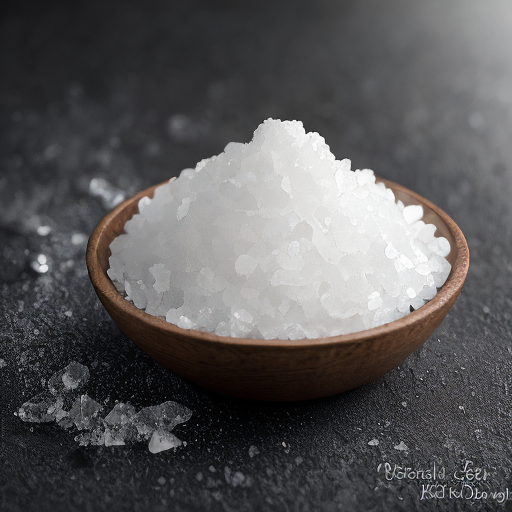
Sea salt
Sea salt, extracted from ocean waters by evaporation, was one of the most precious goods of antiquity, used both as food and as currency. In ancient Rome, soldiers were paid with salt, which is the origin of the word 'salary'. Salt roads connected entire civilizations, and in the Middle Ages, salt was so valuable it was called 'white gold'.
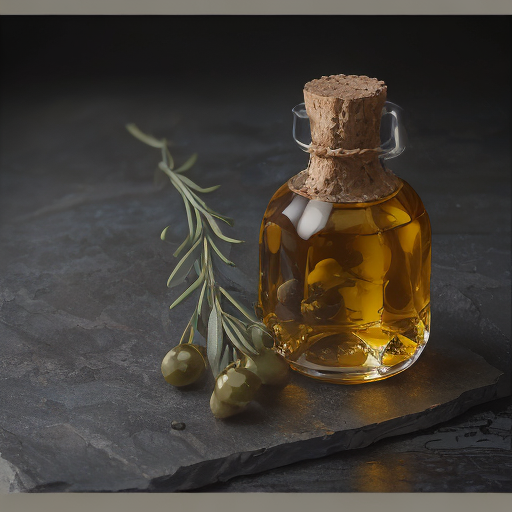
Olive oil
Originating in the Mediterranean basin, olive oil was already produced in ancient Crete 5,000 years ago. In ancient Greece, it was considered a gift from Athena and used in lamps, cosmetics, and religious ceremonies. The Romans spread it throughout the empire, and in the Middle Ages, monasteries preserved the tradition of its production.
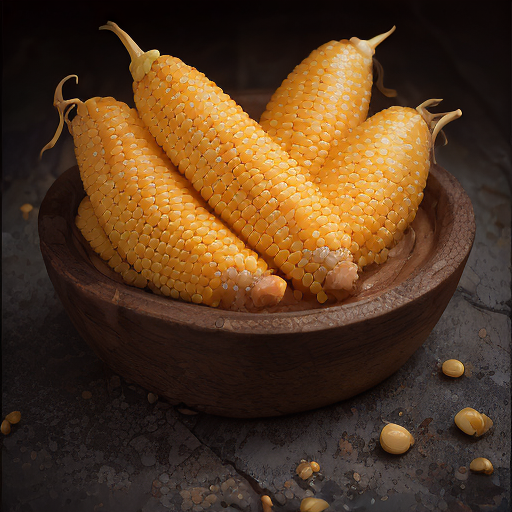
Corn
Corn, native to Central America, was domesticated over 9,000 years ago in Mexico. After the discovery of the Americas, it spread rapidly to Europe, Africa, and Asia, becoming a global staple crop. Fun fact: in Italy, corn was called 'grano turco' (Turkish wheat) because it was believed to originate from the East.
You may also like
 Fish
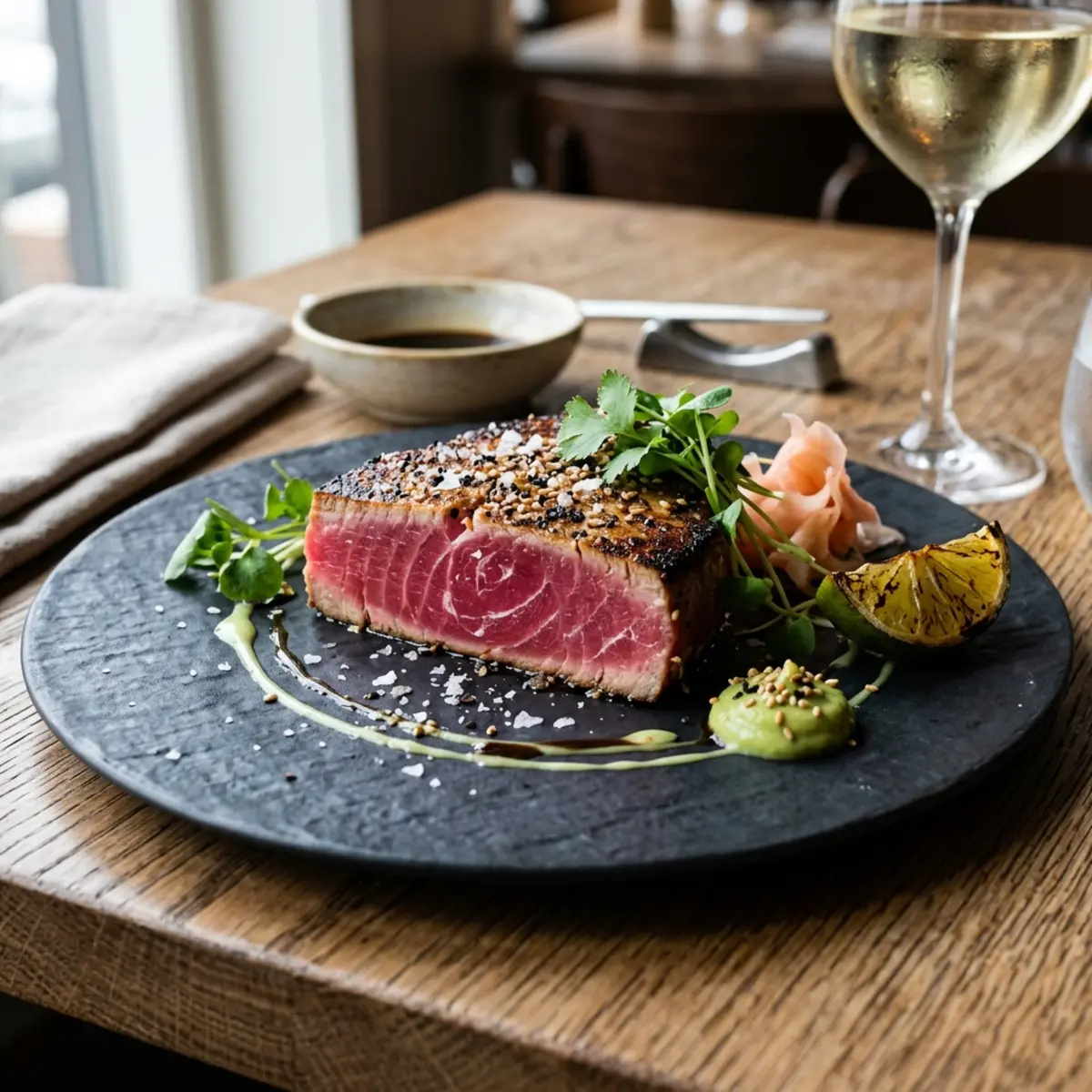
FishAir Fryer Tuna Steak – Quick and Easy Recipe in 12 Minutes
 Fish
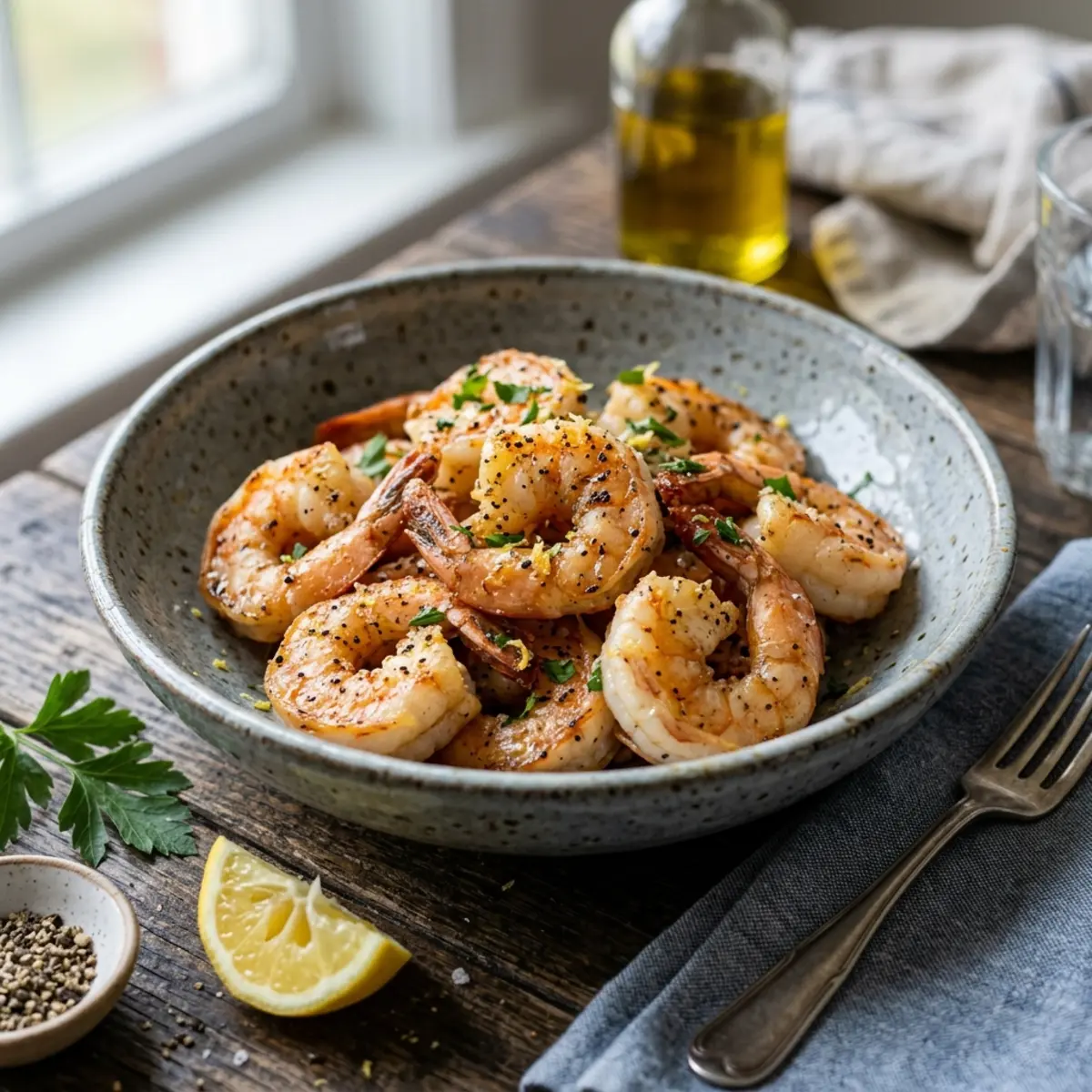
FishAir Fryer Lemon Pepper Shrimp
 Fish
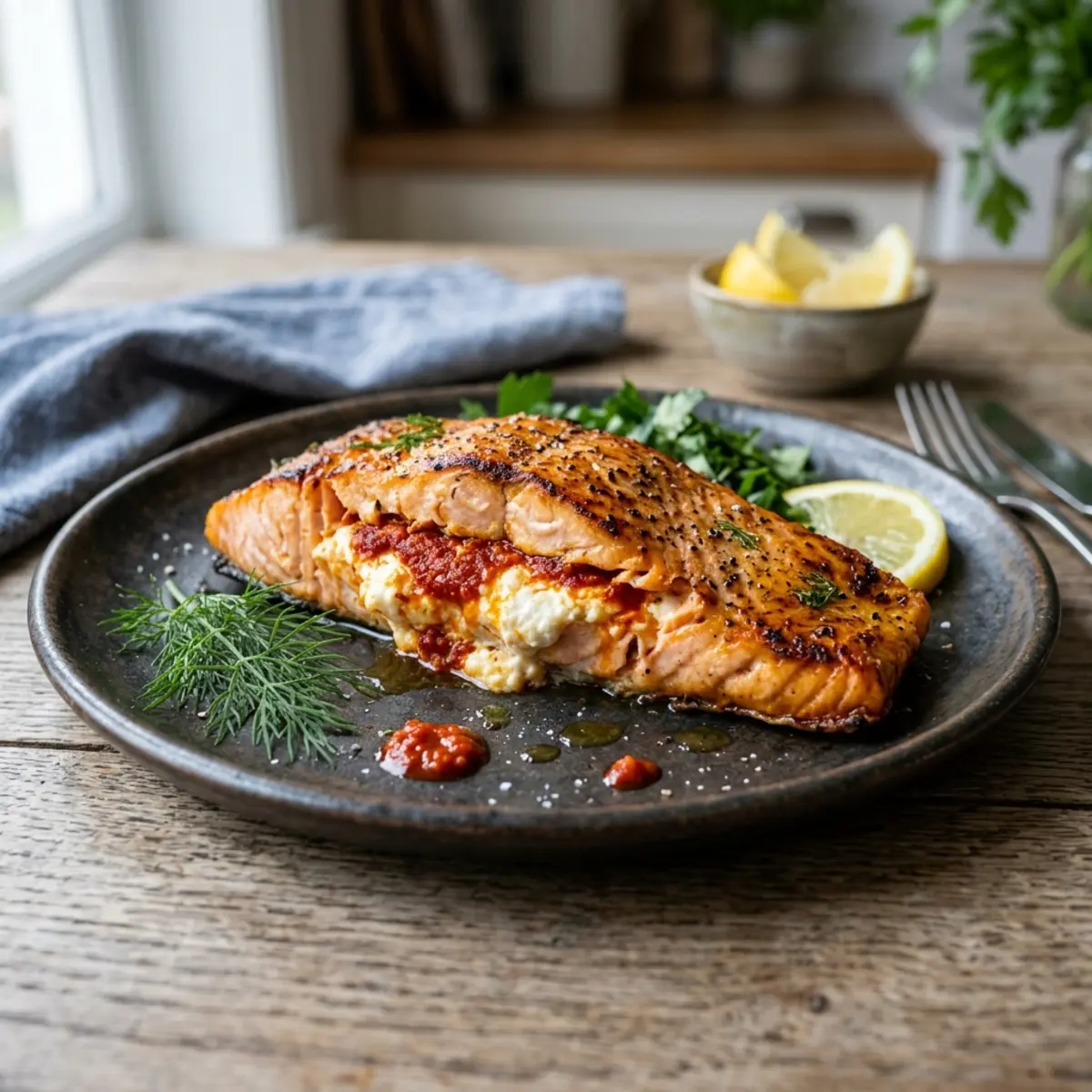
FishSalmon stuffed with ricotta and harissa in Air Fryer
 Fish
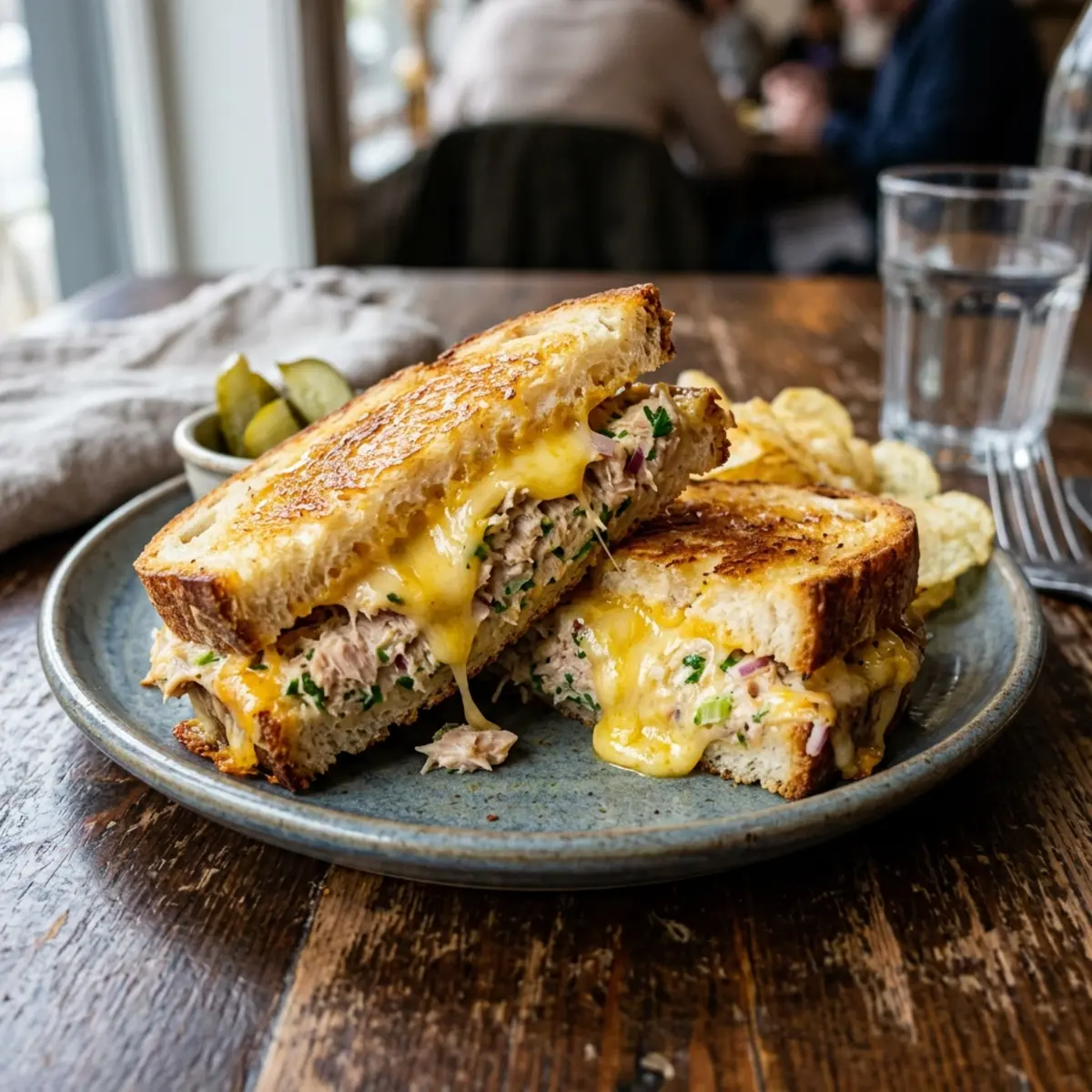
FishAir Fryer Tuna Melt – Crispy Tuna and Cheese Sandwich in 15 Minutes
 Fish
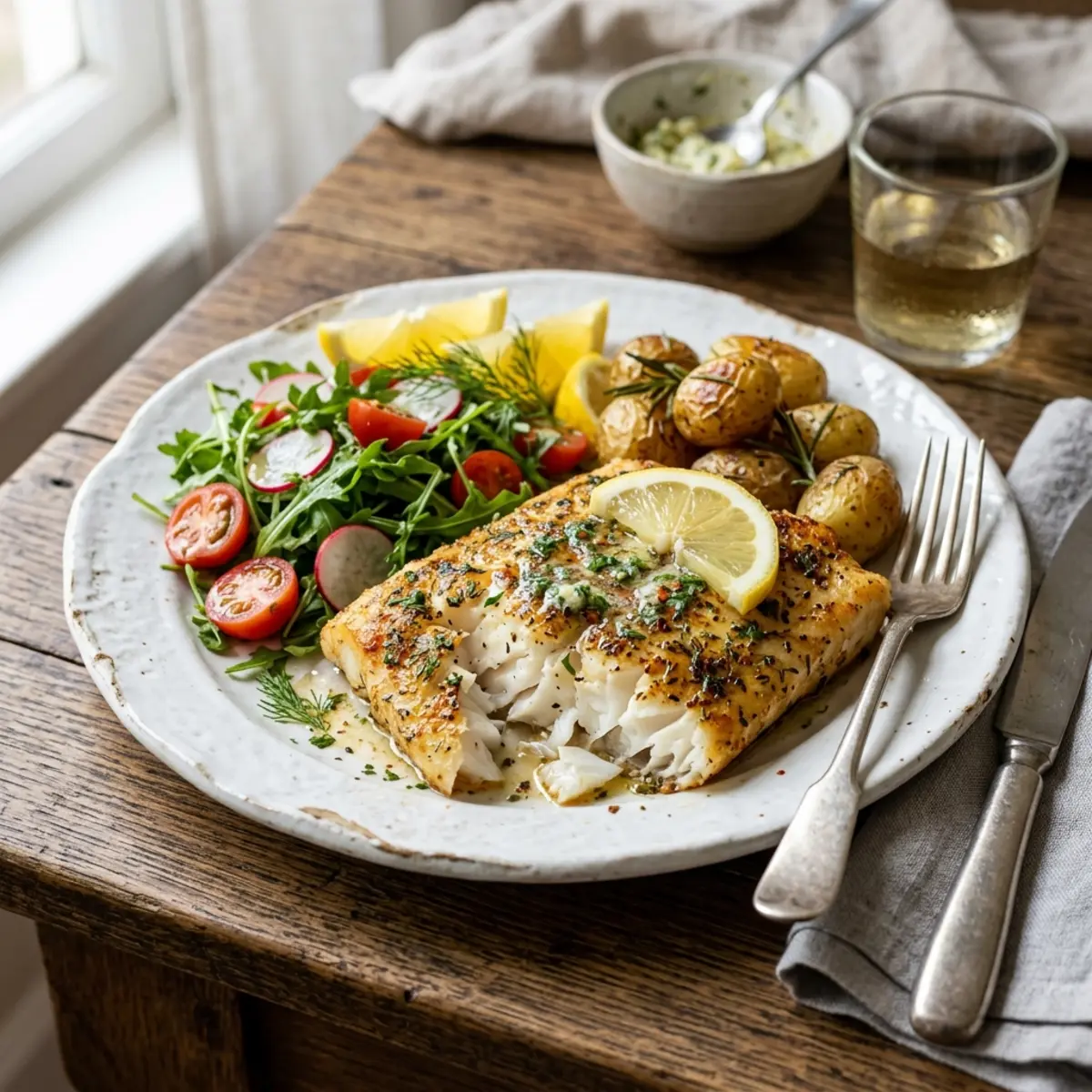
FishAir Fryer Fresh Cod Fillet - Quick & Easy 15-Min Recipe
 Fish
Fish