Chicken Fajitas in Air Fryer – Quick and Flavorful Recipe
Tender and aromatic chicken fajitas cooked quickly in the air fryer, perfect for a healthy and flavorful Mexican-inspired dinner.
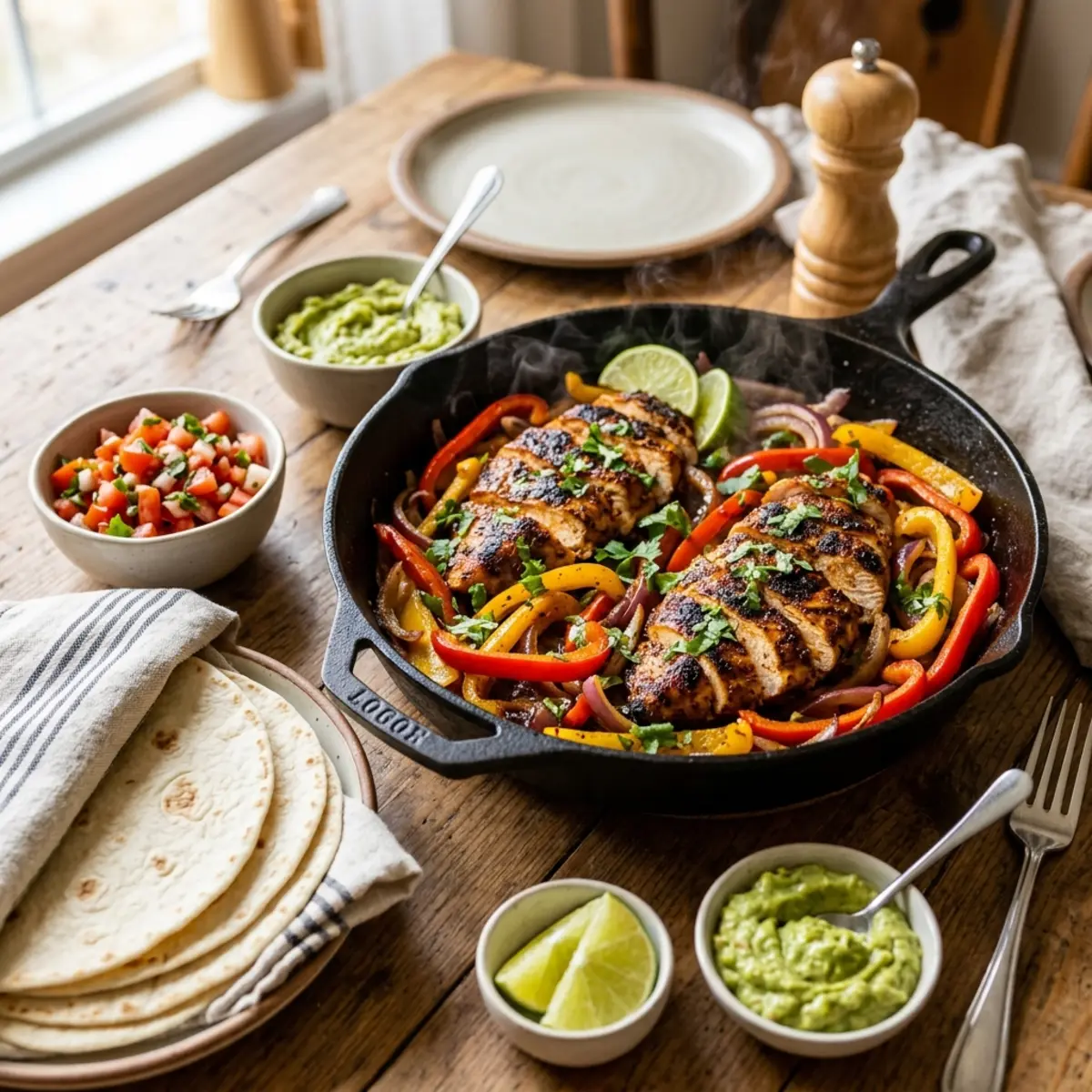
Steps
- 01
Preheat the air fryer to 190°C (370°F).
- 02
In a bowl, mix chicken strips, pepper strips, onion strips, olive oil, chili powder, lemon juice, cumin, salt, pepper, and cayenne if desired.
- 03
Transfer the chicken and vegetable mixture to the air fryer basket, spreading evenly.
- 04
Cook for 10–13 minutes, shaking the basket halfway, until chicken is cooked through and reaches an internal temperature of 74°C (165°F).
- 05
Remove from air fryer and serve immediately with warm tortillas.
Recipe story
Fajitas originated in Texas ranches, where cowboys cooked strips of meat over an open fire, wrapped in tortillas. While the original recipe used beef, the chicken version gained popularity due to Tex-Mex influence. Cooking in an air fryer is a modern adaptation that preserves the authentic flavor while reducing cooking time.
Ingredient Secrets
Discover the culinary secrets and flavor history of key ingredients in this dish.
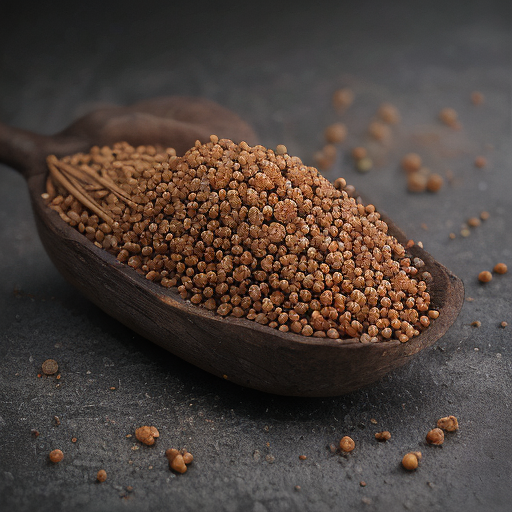
Black pepper
Known as 'black gold' in antiquity, pepper was so valuable that it served as currency and tribute. In the Middle Ages, Venetian merchants controlled the pepper trade, and individual peppercorns were often counted. Legend has it that when Alaric, king of the Visigoths, demanded tribute from Rome, he included 3,000 pounds of pepper.
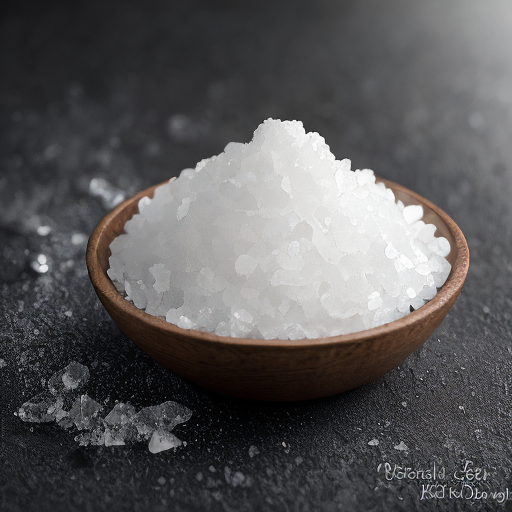
Sea salt
Sea salt, extracted from ocean waters by evaporation, was one of the most precious goods of antiquity, used both as food and as currency. In ancient Rome, soldiers were paid with salt, which is the origin of the word 'salary'. Salt roads connected entire civilizations, and in the Middle Ages, salt was so valuable it was called 'white gold'.
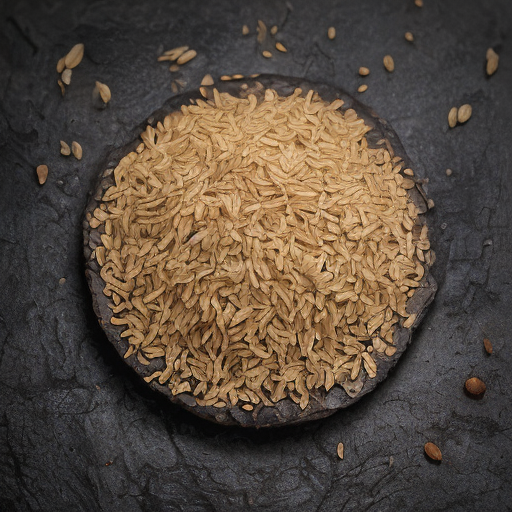
Cumin
Cumin, known since antiquity, was used by Egyptians for embalming and by Romans as a digestive. In the Middle Ages, it was believed to ward off evil spirits, and merchants transported it along the Silk Road from the East to Europe.
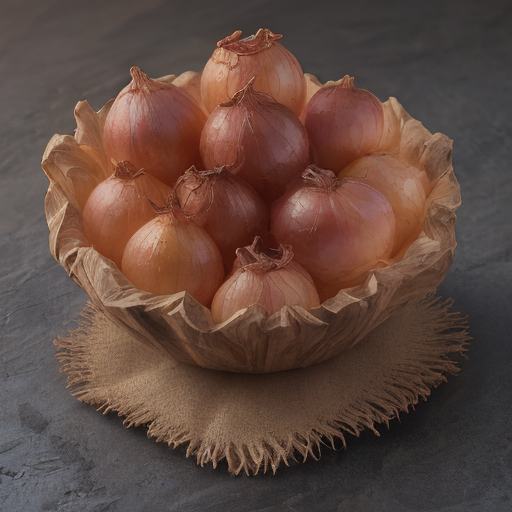
Onion
Probably originating in Central or West Asia, onions were cultivated in ancient Egypt, where they were considered a symbol of eternity and placed in tombs. In ancient Greece, athletes ate them to balance their blood, and in Rome, they were a staple food for soldiers. During the Middle Ages, onions were believed to protect against arrows and the plague.
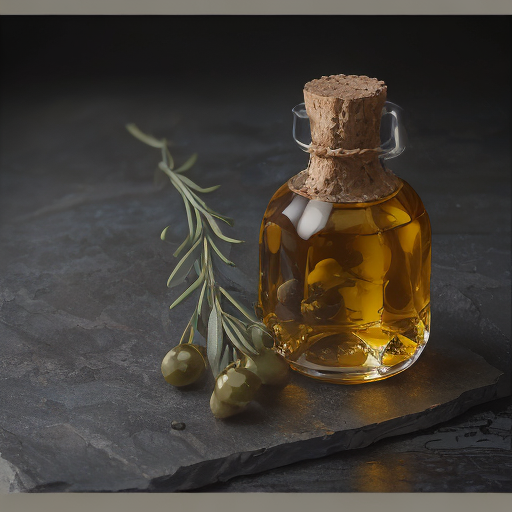
Olive oil
Originating in the Mediterranean basin, olive oil was already produced in ancient Crete 5,000 years ago. In ancient Greece, it was considered a gift from Athena and used in lamps, cosmetics, and religious ceremonies. The Romans spread it throughout the empire, and in the Middle Ages, monasteries preserved the tradition of its production.
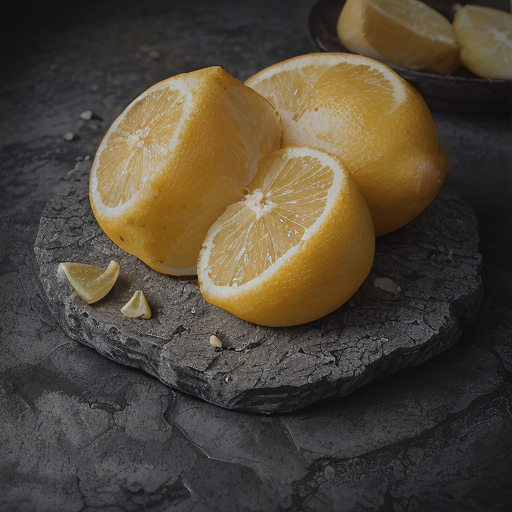
Lemon
The lemon is an ancient hybrid between citron and bitter orange, likely originating in northern India or China. In the Middle Ages, lemons were so valuable that they were given as gifts to kings. Fun fact: during the Gold Rush, British sailors were given lemons to prevent scurvy, leading to the nickname 'limey'.
You may also like
 Chicken
Air Fryer Caesar Salad with Chicken – Quick and Crispy Recipe
 Chicken
Crispy Air Fryer Chicken Breast
 Chicken
Air Fryer Chicken Breast – Quick 17-Minute Recipe
 Chicken
Crispy Orange Chicken in Air Fryer
 Chicken
Air Fryer Chicken Breast: Juicy and Buttery in 20 Minutes
 Chicken