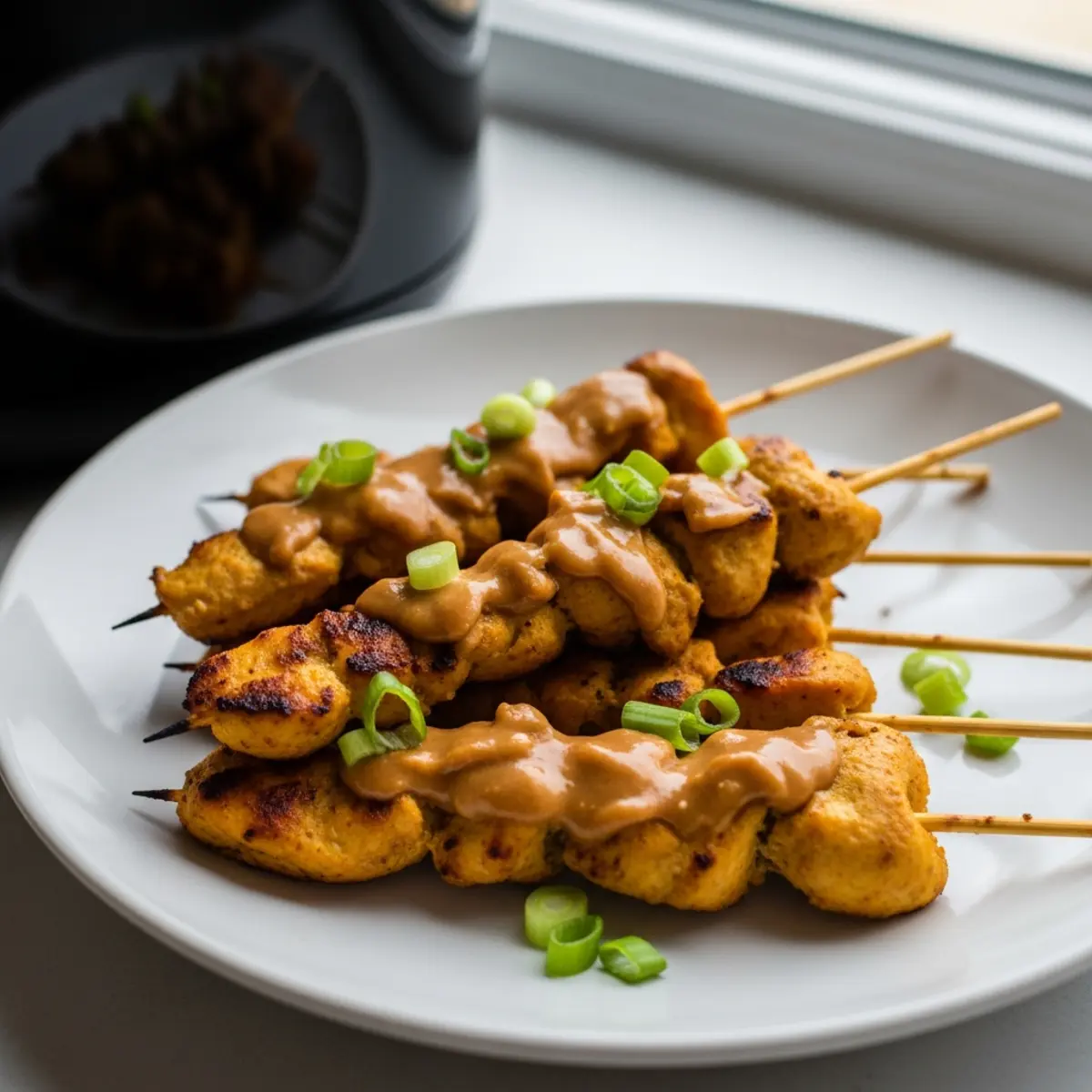
Authentic Kipsaté in Air Fryer – Indonesian Chicken Satay
Steps
- 01
Prepare the marinade: Crush the garlic and finely grate the ginger. In a large bowl, mix the garlic, ginger, ketjap manis, sunflower oil, ground coriander, turmeric, and lime juice (squeezed from half a lime). Mix well.
- 02
Cut the chicken into bite-sized cubes and add them to the bowl with the marinade. Stir well so that each piece is evenly coated. Cover the bowl with plastic wrap and refrigerate for at least 30 minutes. For best results, marinate for 4 hours or overnight.
- 03
Preheat the air fryer to 200°C (390°F). Meanwhile, soak the wooden skewers in cold water for at least 10 minutes to prevent them from burning during cooking.
- 04
Remove the chicken from the refrigerator. Thread the marinated chicken cubes onto the soaked skewers, distributing them evenly.
- 05
Place the skewers in the air fryer basket in a single layer, without overlapping. You may need to cook in batches depending on the size of your air fryer.
- 06
Cook at 200°C (390°F) for 10–12 minutes, turning the skewers halfway through for even cooking. Serve immediately with peanut sauce, if desired.
Recipe story
Indonesian satay, also known as sate, originated on the island of Java, where street vendors grilled small pieces of meat over charcoal, inspired by Indian and Chinese culinary influences. This dish became popular throughout Indonesia and spread across Southeast Asia, often served with peanut sauce. The recipe has been adapted for the air fryer, preserving the authentic flavor.
Ingredient Secrets
Discover the culinary secrets and flavor history of key ingredients in this dish.
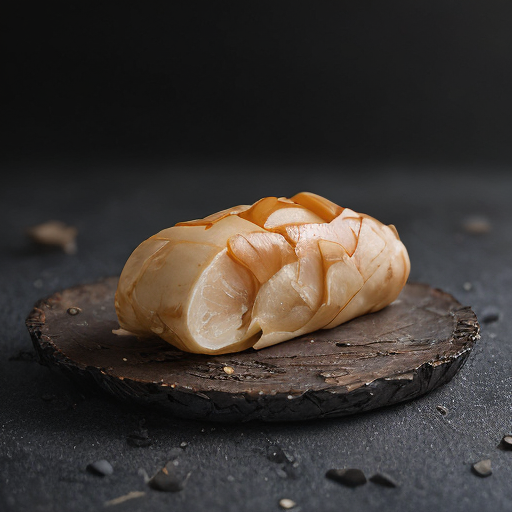
Ginger
Ginger, known since antiquity, was one of the first spices brought along the Silk Road, so precious that a kilogram of ginger was worth a sheep in medieval Europe.
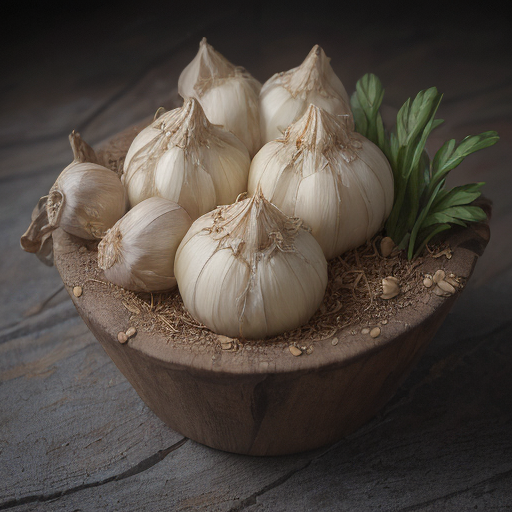
Garlic
Native to Central Asia, garlic was already known in ancient Egypt, where it was given to slaves to boost their strength. In ancient Greece, athletes consumed it before competitions, and in Rome, legionaries considered it essential for courage. During the Middle Ages, it was used to ward off vampires and the plague.
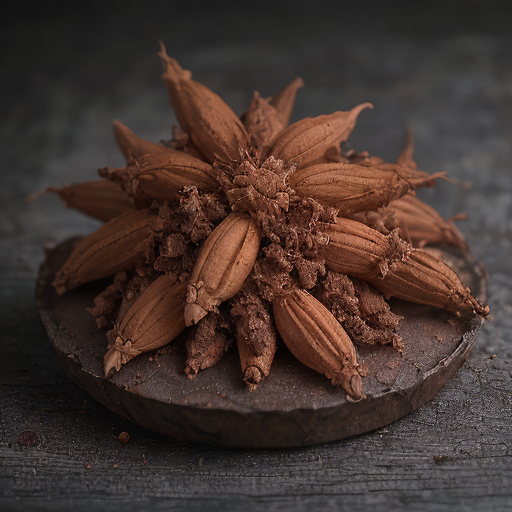
Cloves
Cloves, the dried buds of the exotic Syzygium aromaticum tree, were one of the most prized spices of the ancient world, often called 'aromatic gold'. In the Middle Ages, Venetian merchants controlled the clove trade, bringing them from the Maluku Islands, the only place they grew, and selling them at exorbitant prices in Europe.
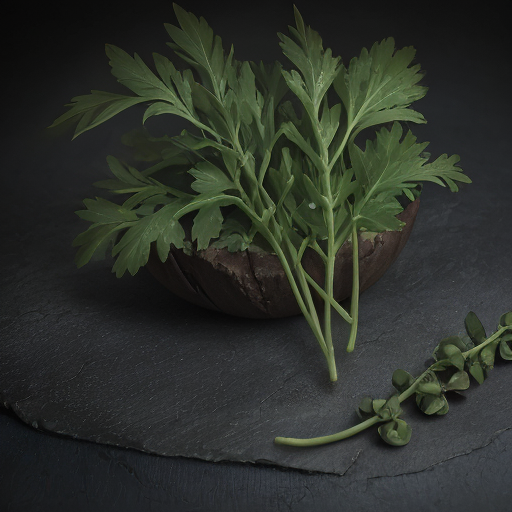
Coriander
Coriander, known since ancient times, was found in Egyptian tombs over 3,000 years old, considered a sacred spice and a remedy for immortality. The Romans brought it to Europe, where it became a staple in Mediterranean and Asian cuisines.
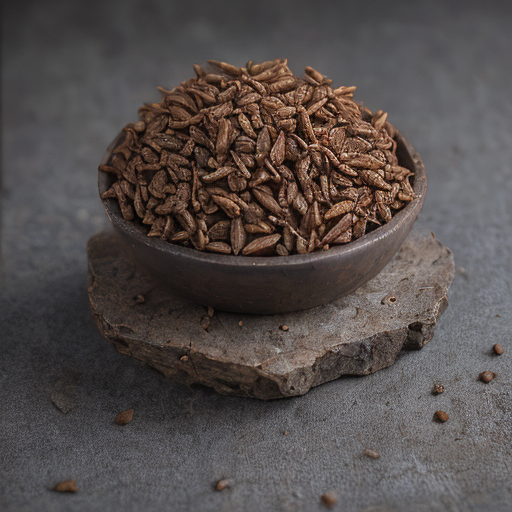
Anise
In ancient Rome, anise was so valuable that it was used as currency, and Pliny the Elder wrote that 'anyone who chews anise stays young'. In the Middle Ages, merchants from the Levant controlled the anise trade, bringing it to Europe along the Silk Road.
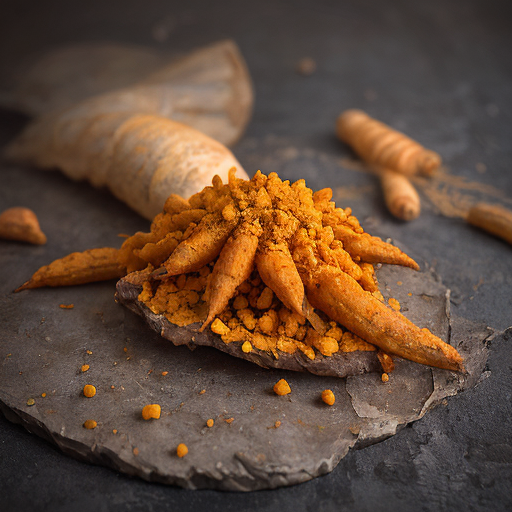
Turmeric
Turmeric, also known as 'poor man's saffron,' has been used in India for over 4,000 years, both as a spice and in religious rituals. In Ayurvedic medicine, it was considered a blood purifier and a remedy for inflammation. Today, curcumin, its active compound, is studied for its antioxidant and anti-inflammatory properties.
You may also like
 Chicken
Air Fryer Caesar Salad with Chicken – Quick and Crispy Recipe
 Chicken
Crispy Air Fryer Chicken Breast
 Chicken
Air Fryer Chicken Breast – Quick 17-Minute Recipe
 Chicken
Crispy Orange Chicken in Air Fryer
 Chicken
Air Fryer Chicken Breast: Juicy and Buttery in 20 Minutes
 Chicken