Air Fryer Tuna Steak with Asian Marinade – Quick & Healthy
A quick and healthy dish perfect for a light dinner. Tuna marinated in soy sauce, ginger, and garlic cooks perfectly in the Air Fryer, resulting in a flavorful crust and juicy interior.
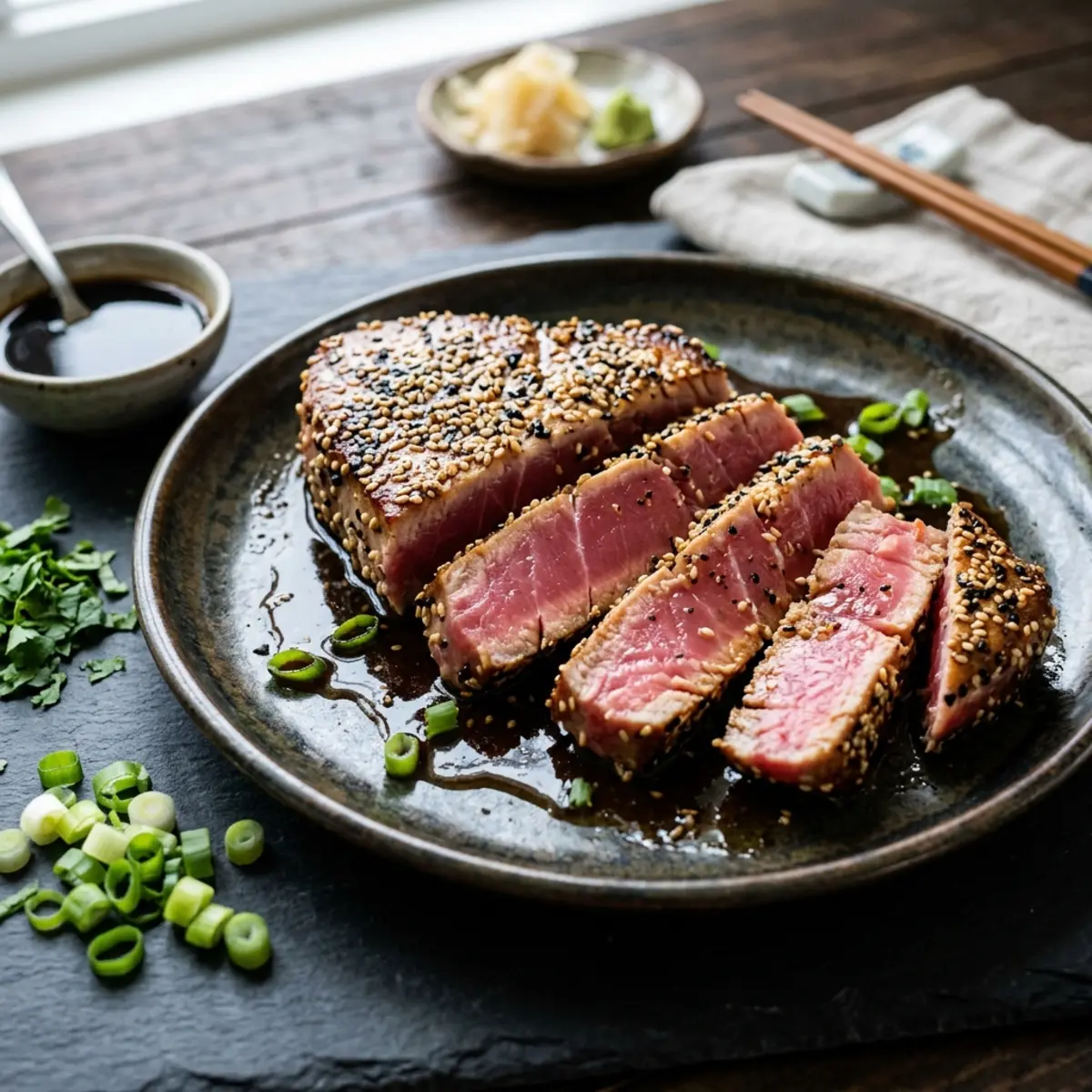
Steps
- 01
Pat the tuna steak dry with paper towels, then place it in a resealable bag.
- 02
In a bowl, mix minced garlic, grated ginger, pepper, olive oil, and soy sauce. Stir to combine.
- 03
Pour the marinade over the tuna in the bag, seal, and gently massage to coat all sides. Let marinate at room temperature for 10 minutes.
- 04
Preheat the empty Air Fryer to 200°C (400°F) for 1 minute.
- 05
Remove tuna from the bag and place it in the Air Fryer basket. Cook at 200°C (400°F): 4 minutes for medium-rare, 5 minutes for medium, or 6 minutes for well done.
- 06
Let the tuna rest for 5 minutes before slicing. Garnish with sliced green onion and sesame seeds. Serve with extra soy sauce if desired.
Recipe story
In Japanese temple kitchens, tuna was considered a gift from the sea, prepared with respect and simplicity. The Asian marinade, rooted in ancient trade between China and Japan, combines soy, ginger, and sesame to perfect the fish. This modern recipe, cooked in an Air Fryer, preserves the essence of tradition in a quick and accessible way.
Ingredient Secrets
Discover the culinary secrets and flavor history of key ingredients in this dish.
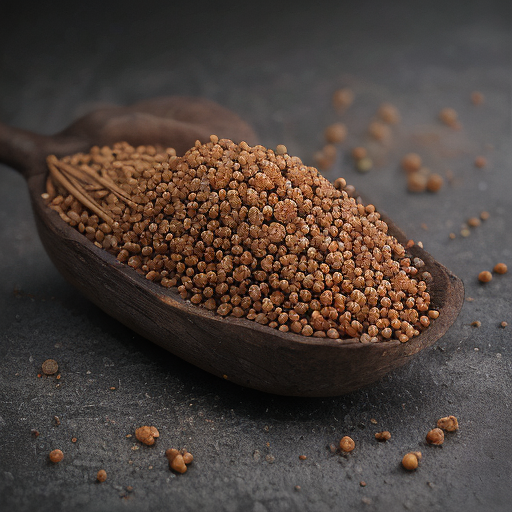
Black pepper
Known as 'black gold' in antiquity, pepper was so valuable that it served as currency and tribute. In the Middle Ages, Venetian merchants controlled the pepper trade, and individual peppercorns were often counted. Legend has it that when Alaric, king of the Visigoths, demanded tribute from Rome, he included 3,000 pounds of pepper.
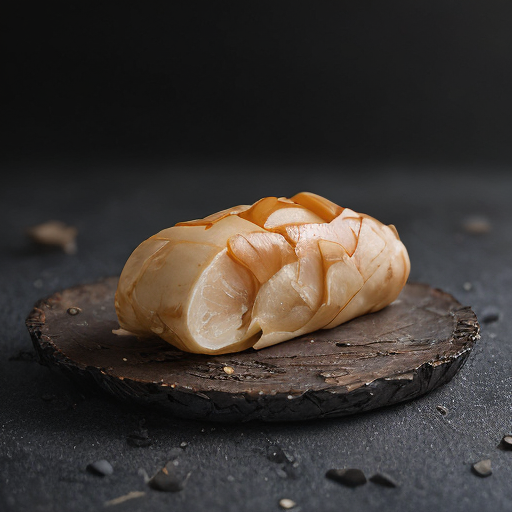
Ginger
Ginger, known since antiquity, was one of the first spices brought along the Silk Road, so precious that a kilogram of ginger was worth a sheep in medieval Europe.
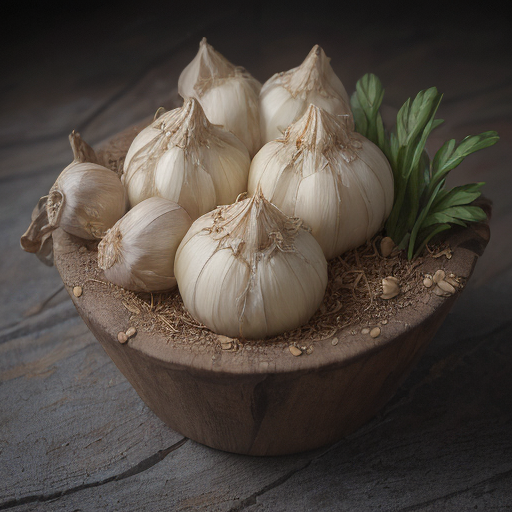
Garlic
Native to Central Asia, garlic was already known in ancient Egypt, where it was given to slaves to boost their strength. In ancient Greece, athletes consumed it before competitions, and in Rome, legionaries considered it essential for courage. During the Middle Ages, it was used to ward off vampires and the plague.
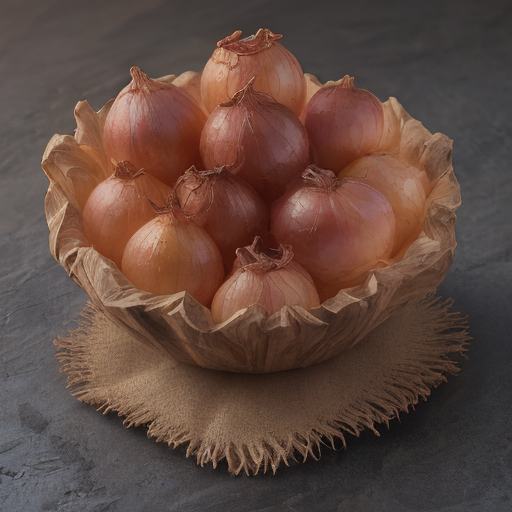
Onion
Probably originating in Central or West Asia, onions were cultivated in ancient Egypt, where they were considered a symbol of eternity and placed in tombs. In ancient Greece, athletes ate them to balance their blood, and in Rome, they were a staple food for soldiers. During the Middle Ages, onions were believed to protect against arrows and the plague.
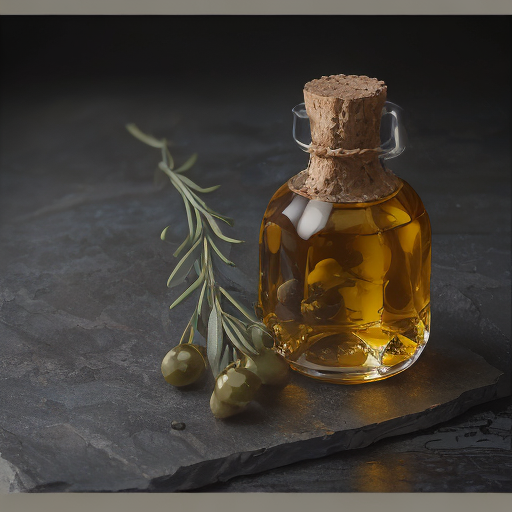
Olive oil
Originating in the Mediterranean basin, olive oil was already produced in ancient Crete 5,000 years ago. In ancient Greece, it was considered a gift from Athena and used in lamps, cosmetics, and religious ceremonies. The Romans spread it throughout the empire, and in the Middle Ages, monasteries preserved the tradition of its production.
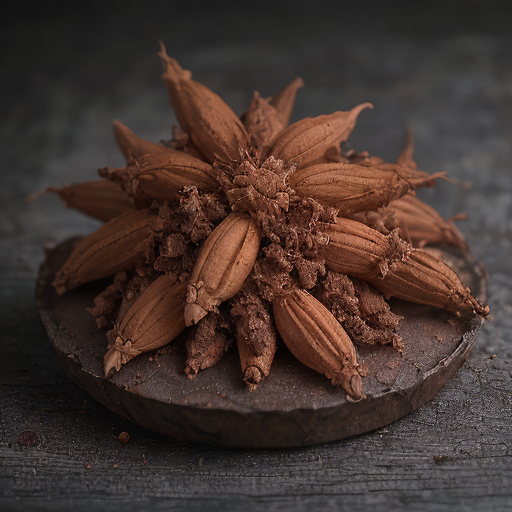
Cloves
Cloves, the dried buds of the exotic Syzygium aromaticum tree, were one of the most prized spices of the ancient world, often called 'aromatic gold'. In the Middle Ages, Venetian merchants controlled the clove trade, bringing them from the Maluku Islands, the only place they grew, and selling them at exorbitant prices in Europe.
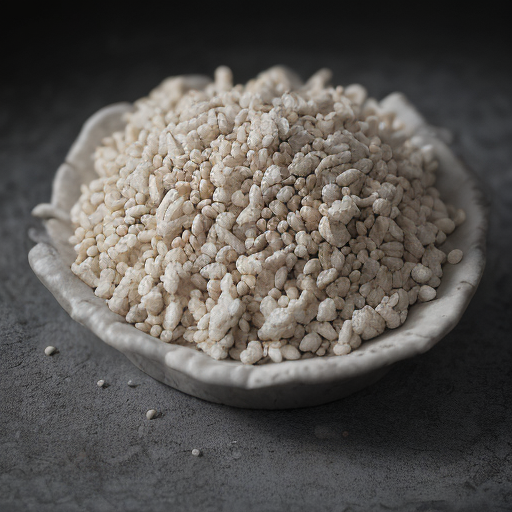
Sesame
In Assyrian mythology, the gods drank sesame wine on the night before the creation of the world, and in ancient Rome, sesame seeds were sprinkled on soldiers' bread to give them strength. In the Middle Ages, sesame was considered a magical food capable of boosting vitality. Today, it is valued for its oil rich in essential fatty acids.
You may also like
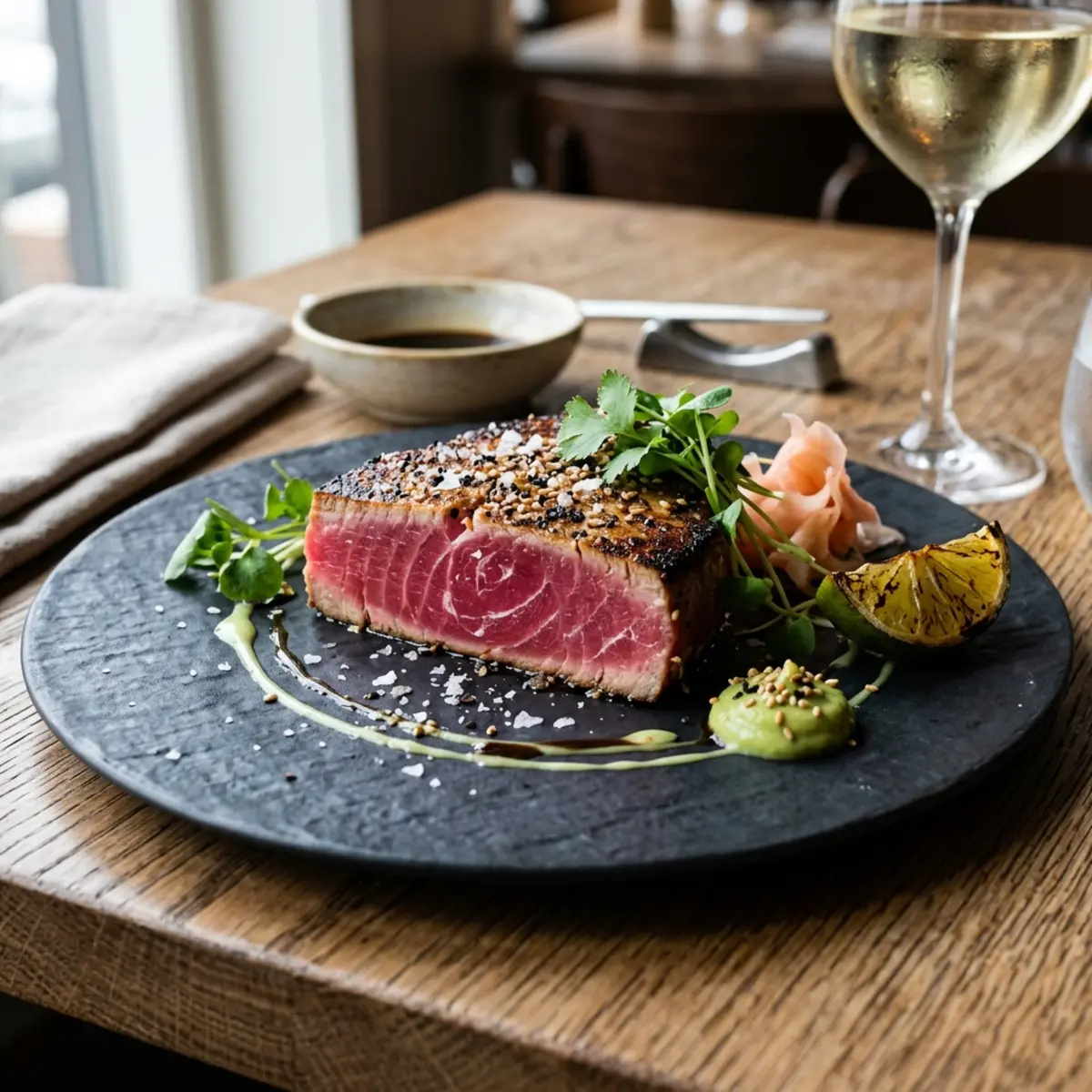 Fish
FishAir Fryer Tuna Steak – Quick and Easy Recipe in 12 Minutes
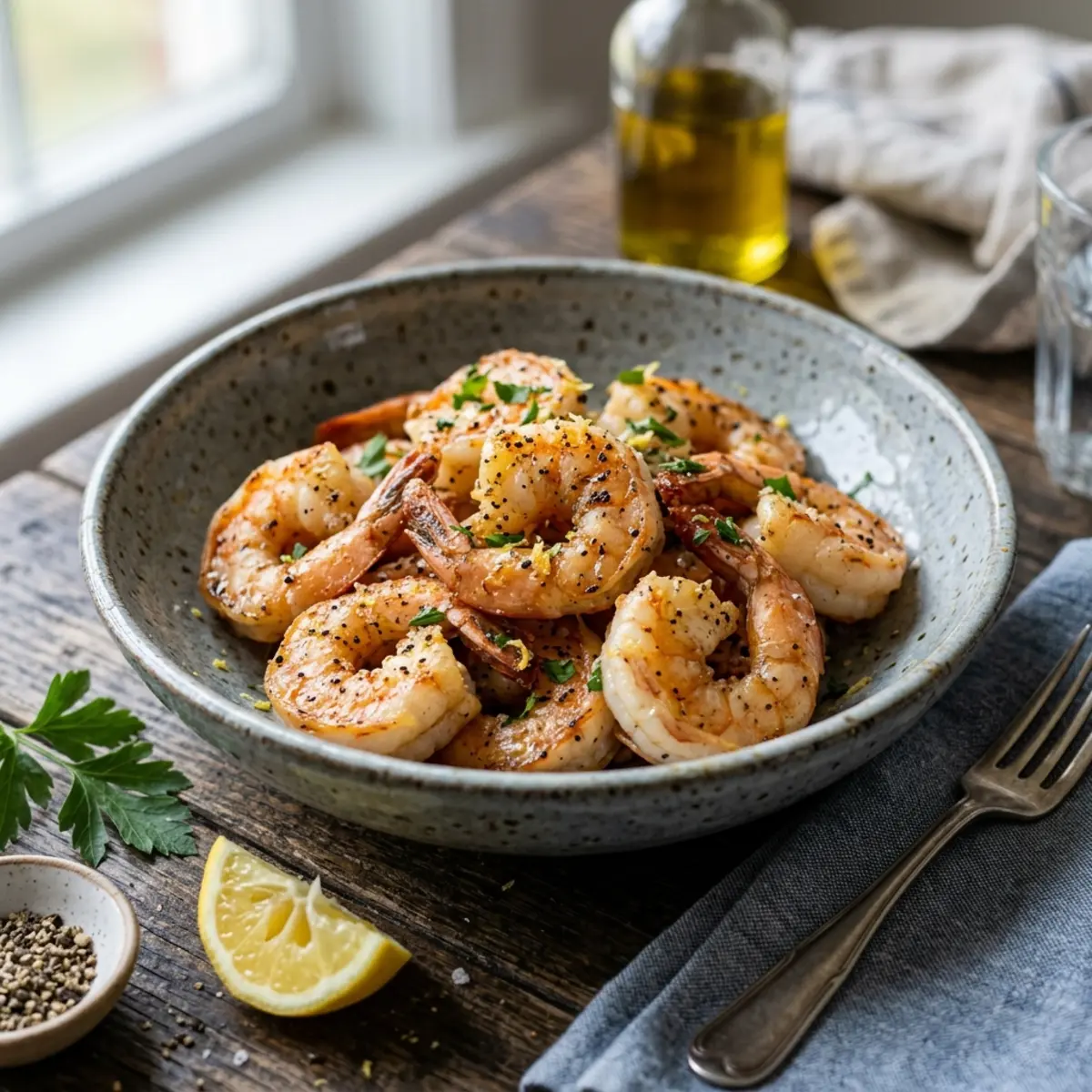 Fish
FishAir Fryer Lemon Pepper Shrimp
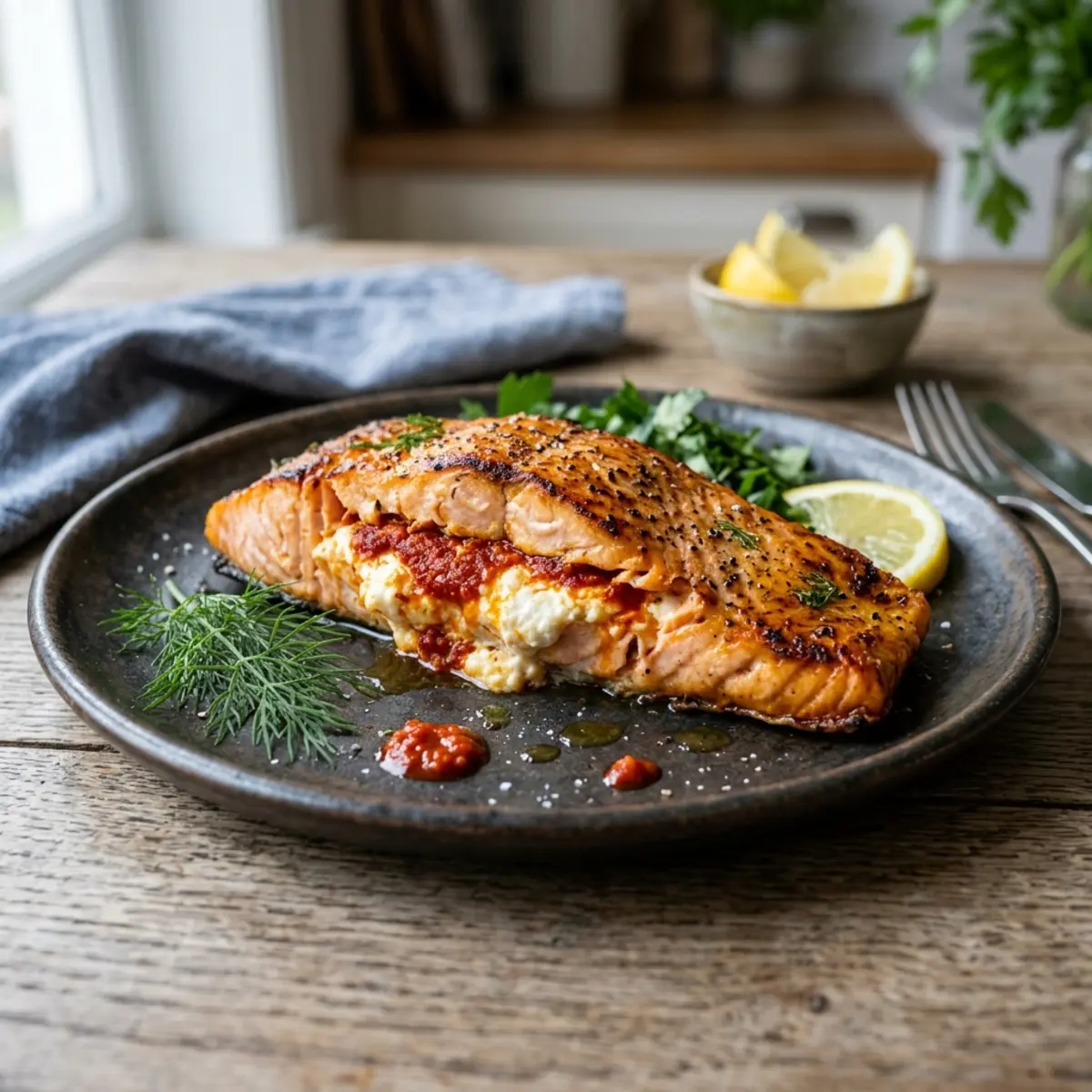 Fish
FishSalmon stuffed with ricotta and harissa in Air Fryer
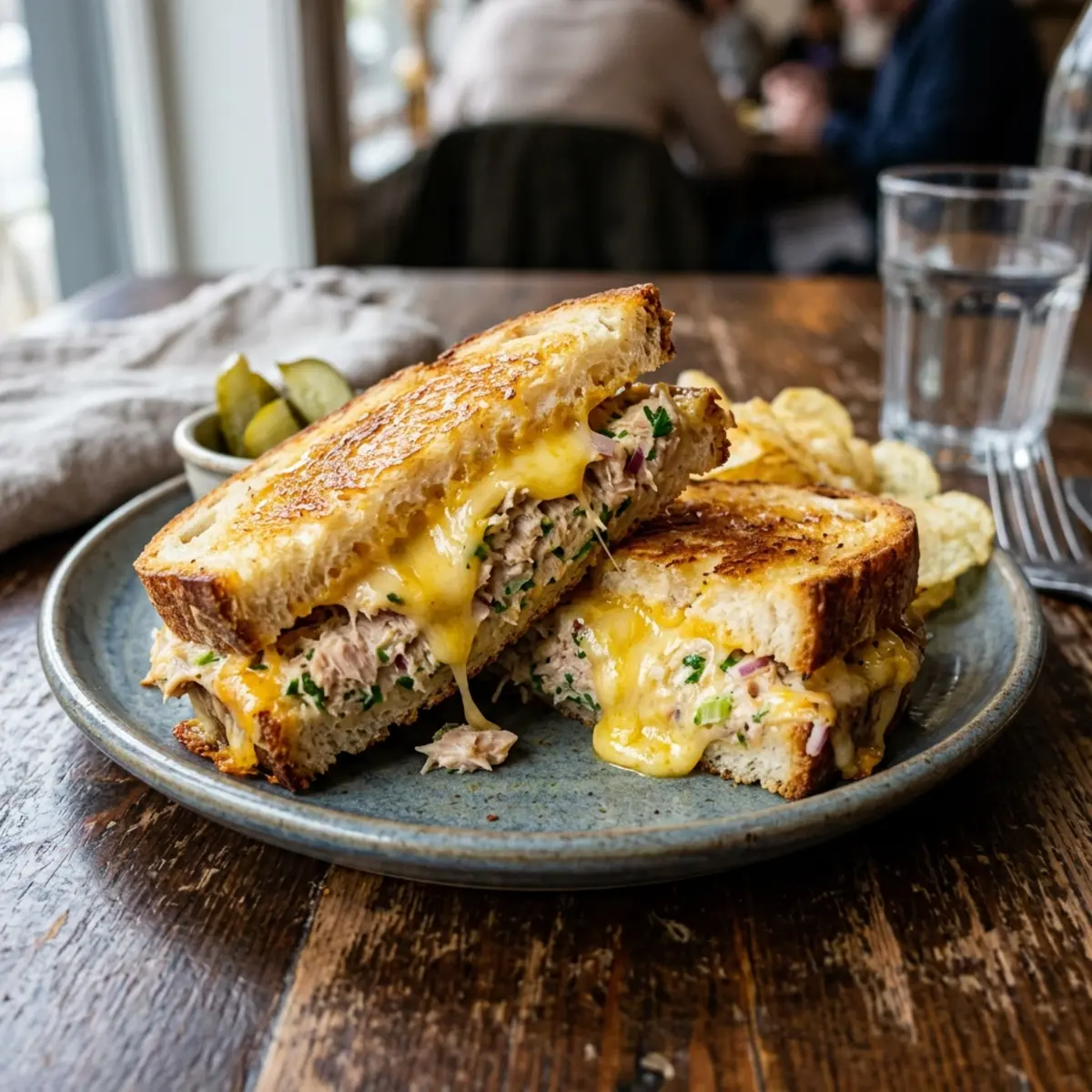 Fish
FishAir Fryer Tuna Melt – Crispy Tuna and Cheese Sandwich in 15 Minutes
 Fish
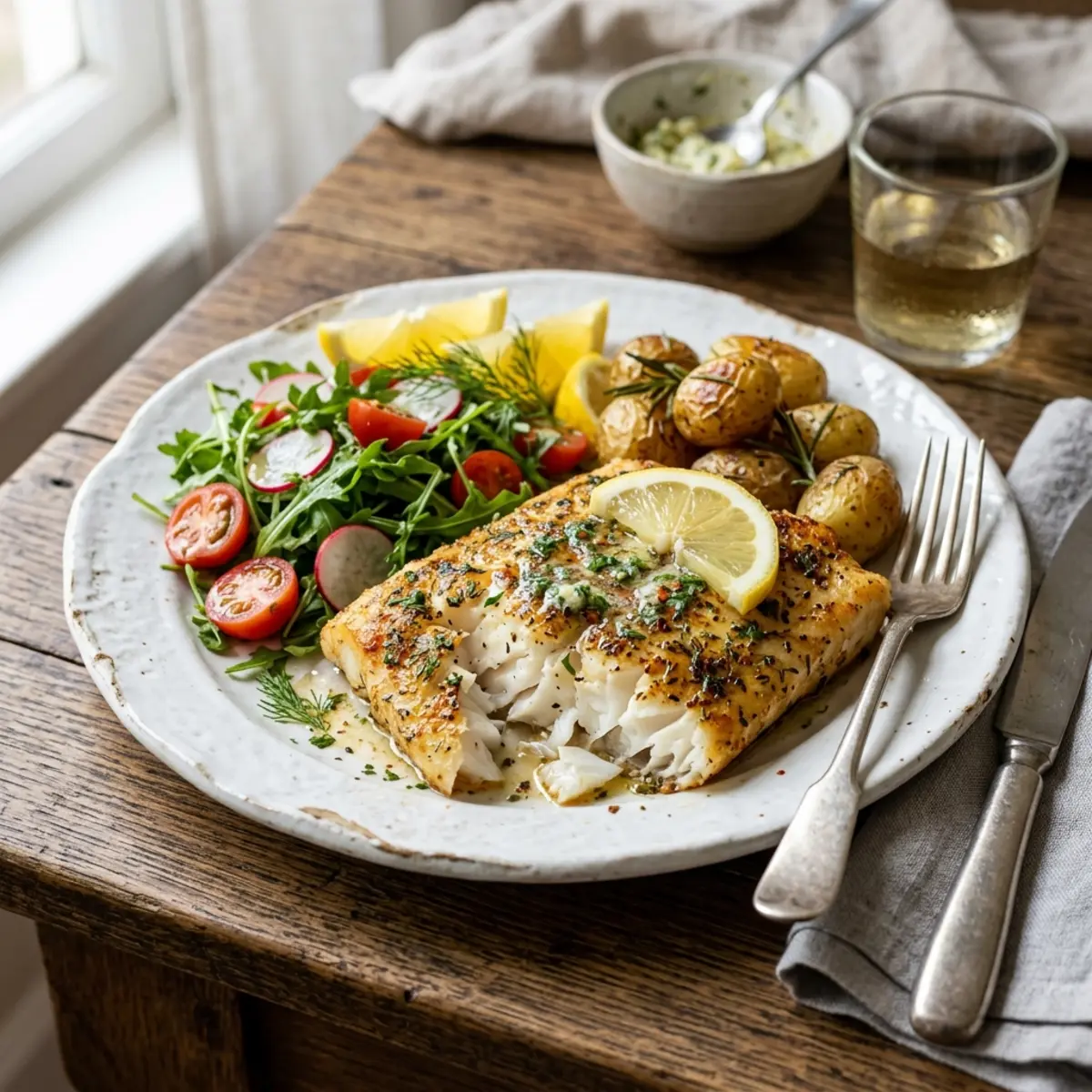
FishAir Fryer Fresh Cod Fillet - Quick & Easy 15-Min Recipe
 Fish
Fish