Air Fryer Tuna Empanadas (Antillean Style, Gluten-Free)
Gluten-free tuna empanadas cooked in air fryer, with a flavorful filling of tuna, raisins, and Antillean spices.
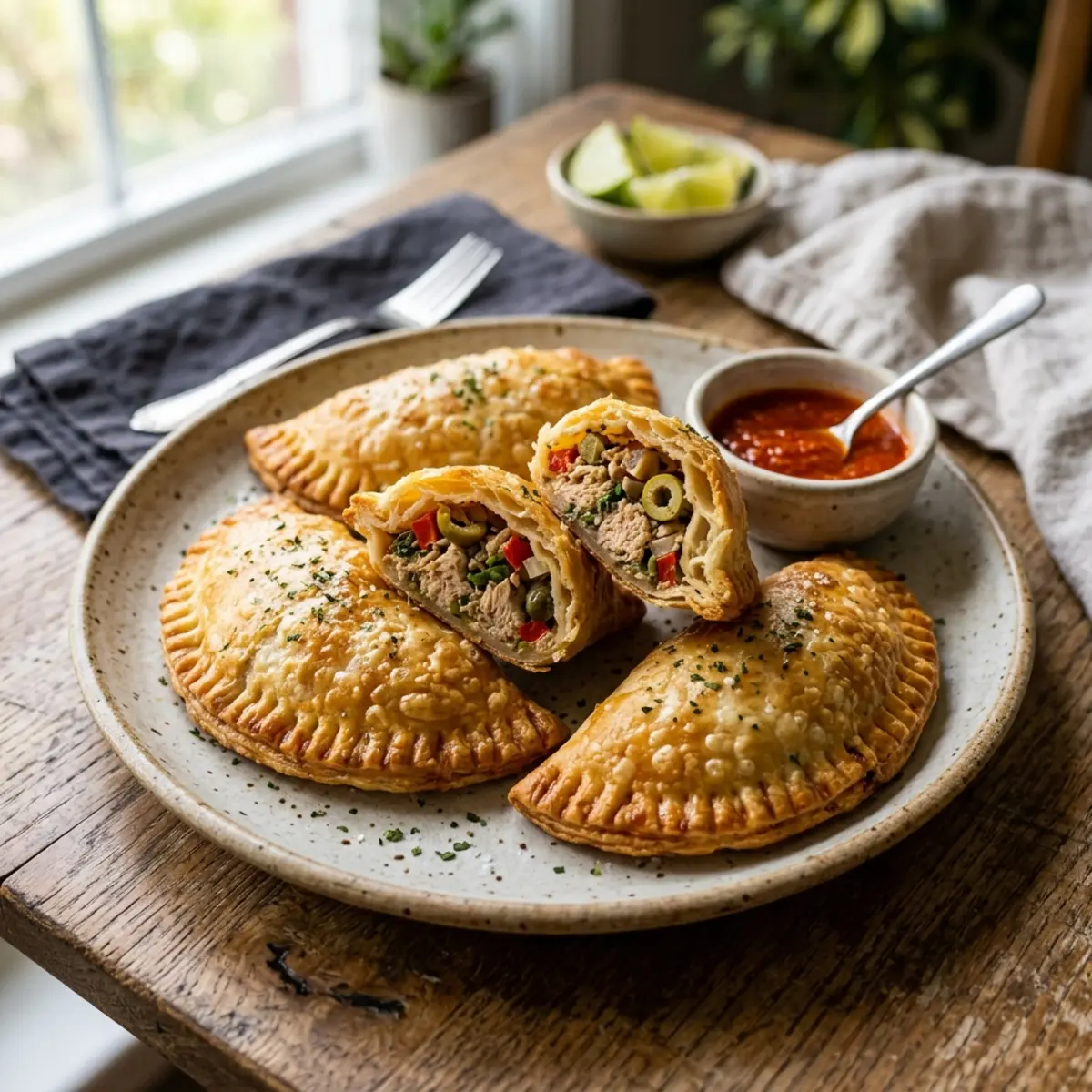
Steps
- 01
Finely chop the red onion, garlic, and bell pepper. Sauté in a little neutral oil over medium heat until softened, about 3-4 minutes.
- 02
Add ground coriander and paprika, cook for 1 minute until fragrant.
- 03
Add drained tuna, raisins, and ketchup. Cook for 2-3 minutes, breaking up the tuna with a spoon.
- 04
Remove from heat and stir in chopped parsley or celery leaves. Let the filling cool slightly.
- 05
In a large bowl, mix warm water, soft vegetable butter, and salt. Gradually add cornmeal, stirring with a fork until a soft, pliable dough forms.
- 06
Divide dough into 8 equal parts. On a lightly oiled surface or between two sheets of parchment paper, press or roll each part into a thin disc (about 12 cm / 4.7 inches diameter).
- 07
Place a generous spoonful of tuna filling on one half of each disc. Fold the other half over the filling to form a half-moon, and press edges firmly to seal. Crimp with a fork for a secure seal.
- 08
Lightly brush or spray empanadas with neutral oil. Preheat air fryer to 180°C (350°F). Place empanadas in a single layer in the basket (work in batches if needed).
- 09
Cook in air fryer for 10-12 minutes, turning halfway, until golden and crispy. Serve warm.
Recipe story
Tuna empanadas, reinterpreted in Antillean style, originate from the culinary fusion between Spanish colonizers and indigenous Caribbean cuisine, where fresh fish and local spices transformed simple dough into a royal delicacy. In the 16th century, these stuffed pastries were prepared by African slaves who combined Spanish cooking techniques with tropical ingredients. Over time, the recipe evolved, incorporating canned tuna and raisins, becoming a popular dish in the Caribbean islands. Today, tuna empanadas are enjoyed as a snack or main course, symbolizing the region's cultural diversity.
Ingredient Secrets
Discover the culinary secrets and flavor history of key ingredients in this dish.
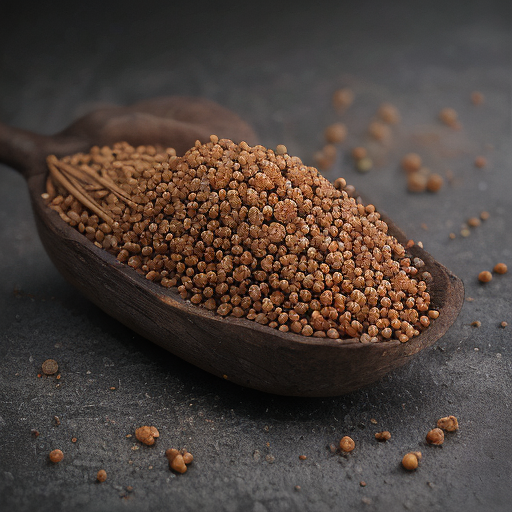
Black pepper
Known as 'black gold' in antiquity, pepper was so valuable that it served as currency and tribute. In the Middle Ages, Venetian merchants controlled the pepper trade, and individual peppercorns were often counted. Legend has it that when Alaric, king of the Visigoths, demanded tribute from Rome, he included 3,000 pounds of pepper.
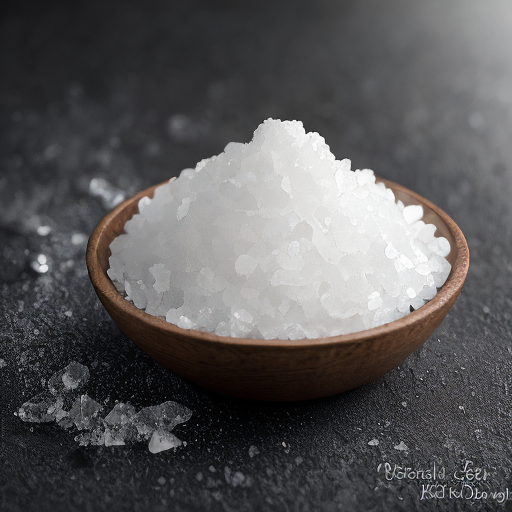
Sea salt
Sea salt, extracted from ocean waters by evaporation, was one of the most precious goods of antiquity, used both as food and as currency. In ancient Rome, soldiers were paid with salt, which is the origin of the word 'salary'. Salt roads connected entire civilizations, and in the Middle Ages, salt was so valuable it was called 'white gold'.
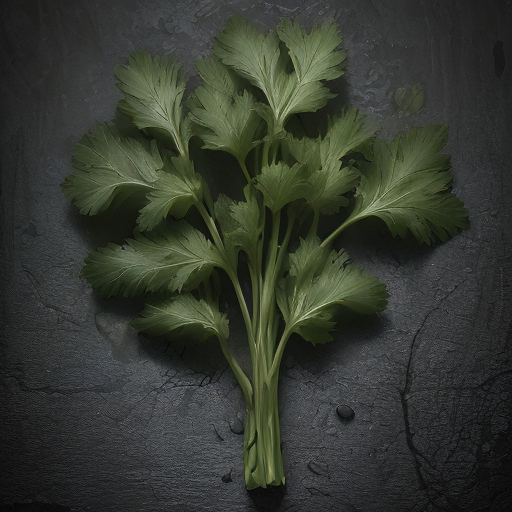
Parsley
In Greek mythology, parsley was associated with death and rebirth, planted on graves to symbolize the cycle of life. Romans used it generously in cooking and as a remedy for hangovers.
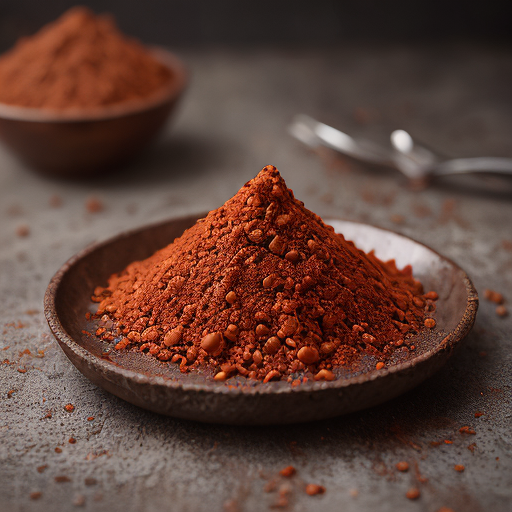
Paprika
Paprika, a emblematic spice brought to Europe by Christopher Columbus from the New World. Although associated with Hungarian cuisine, its origins are in Central America, where it was used by the Aztecs.
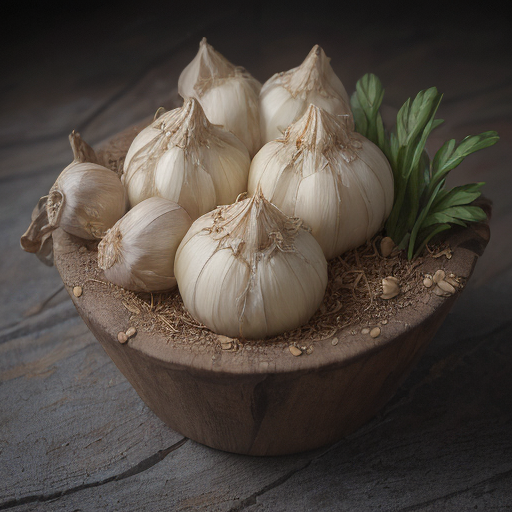
Garlic
Native to Central Asia, garlic was already known in ancient Egypt, where it was given to slaves to boost their strength. In ancient Greece, athletes consumed it before competitions, and in Rome, legionaries considered it essential for courage. During the Middle Ages, it was used to ward off vampires and the plague.
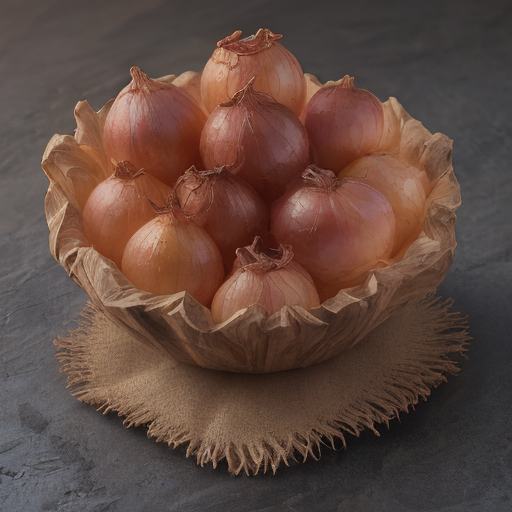
Onion
Probably originating in Central or West Asia, onions were cultivated in ancient Egypt, where they were considered a symbol of eternity and placed in tombs. In ancient Greece, athletes ate them to balance their blood, and in Rome, they were a staple food for soldiers. During the Middle Ages, onions were believed to protect against arrows and the plague.
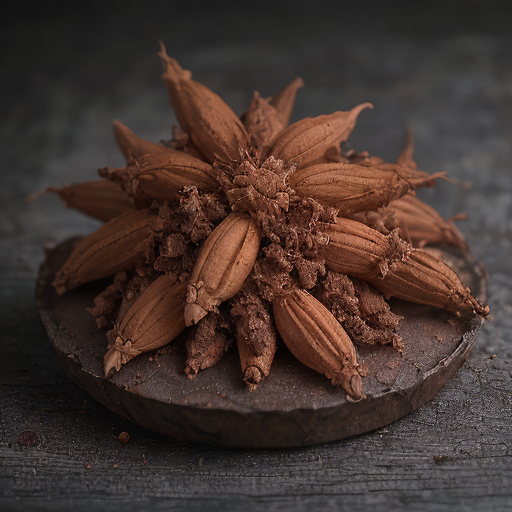
Cloves
Cloves, the dried buds of the exotic Syzygium aromaticum tree, were one of the most prized spices of the ancient world, often called 'aromatic gold'. In the Middle Ages, Venetian merchants controlled the clove trade, bringing them from the Maluku Islands, the only place they grew, and selling them at exorbitant prices in Europe.
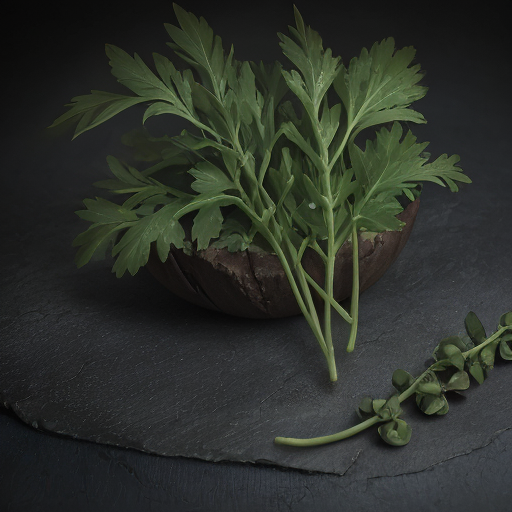
Coriander
Coriander, known since ancient times, was found in Egyptian tombs over 3,000 years old, considered a sacred spice and a remedy for immortality. The Romans brought it to Europe, where it became a staple in Mediterranean and Asian cuisines.
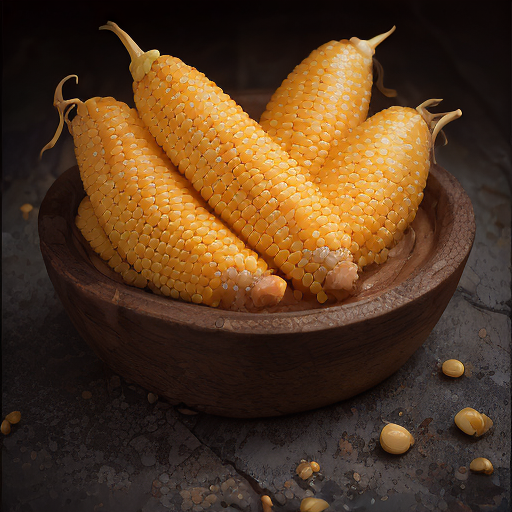
Corn
Corn, native to Central America, was domesticated over 9,000 years ago in Mexico. After the discovery of the Americas, it spread rapidly to Europe, Africa, and Asia, becoming a global staple crop. Fun fact: in Italy, corn was called 'grano turco' (Turkish wheat) because it was believed to originate from the East.
You may also like
 Fish
FishAir Fryer Tuna Steak – Quick and Easy Recipe in 12 Minutes
 Fish
FishAir Fryer Lemon Pepper Shrimp
 Fish
FishSalmon stuffed with ricotta and harissa in Air Fryer
 Fish
FishAir Fryer Tuna Melt – Crispy Tuna and Cheese Sandwich in 15 Minutes
 Fish
FishAir Fryer Fresh Cod Fillet - Quick & Easy 15-Min Recipe
 Fish
Fish