Air Fryer Teriyaki Chicken Thighs – Quick & Easy
Crispy, juicy air fryer teriyaki chicken thighs marinated in savory sauce and cooked to perfection in under 25 minutes.

Steps
- 01
Preheat the air fryer to 380°F (193°C) for 5 minutes.
- 02
Cut the chicken thighs into bite-sized pieces. Place in a bowl with the teriyaki sauce (and onion if using) and mix well. Let marinate for at least 5 minutes, up to 1 hour.
- 03
Pour the chicken into the air fryer basket, shaking to spread it in a single layer with minimal overlapping.
- 04
Cook for 8 minutes total, shaking the basket halfway through (after 4 minutes).
- 05
Check for doneness by cutting into the largest piece. If still pink, cook in 1-minute increments until fully cooked.
- 06
Serve over a bed of white rice.
Recipe story
Chicken teriyaki, though seemingly a modern invention, draws its essence from the Japanese tradition of cooking with sweet-savory sauce, a technique perfected in the kitchens of Buddhist temples. In the 17th century, Dutch merchants brought a soy-based sauce with sugar to Japan, which was embraced by samurai as quick, nourishing fare during campaigns. Today, this recipe reinterprets that heritage in an air fryer, a device that mimics the warm winds of Japanese mountains, keeping the meat tender and succulent. Each chicken thigh becomes a bridge between the samurai's past and the modern diner's quick meal.
Ingredient Secrets
Discover the culinary secrets and flavor history of key ingredients in this dish.
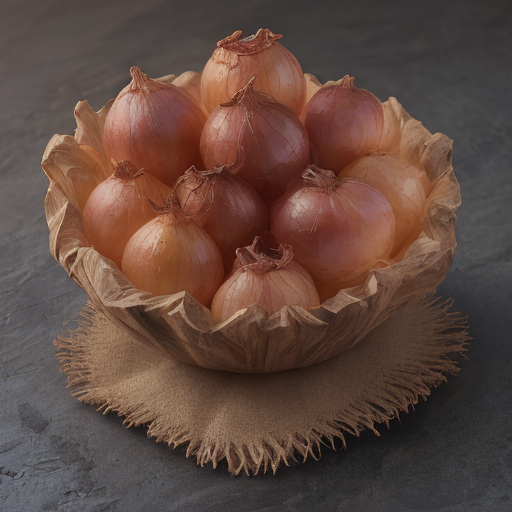
Onion
Probably originating in Central or West Asia, onions were cultivated in ancient Egypt, where they were considered a symbol of eternity and placed in tombs. In ancient Greece, athletes ate them to balance their blood, and in Rome, they were a staple food for soldiers. During the Middle Ages, onions were believed to protect against arrows and the plague.
You may also like
 Chicken
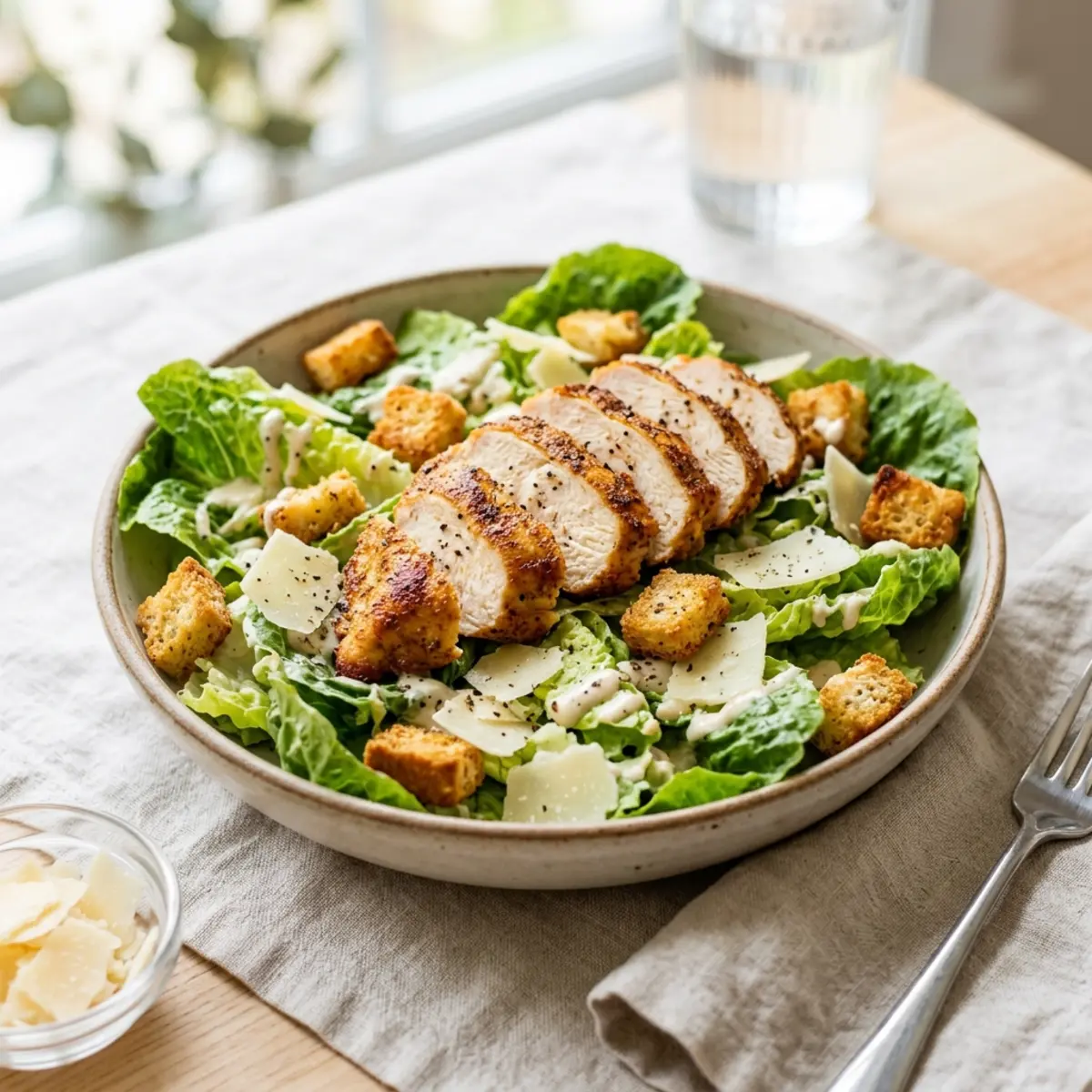
Air Fryer Caesar Salad with Chicken – Quick and Crispy Recipe
 Chicken
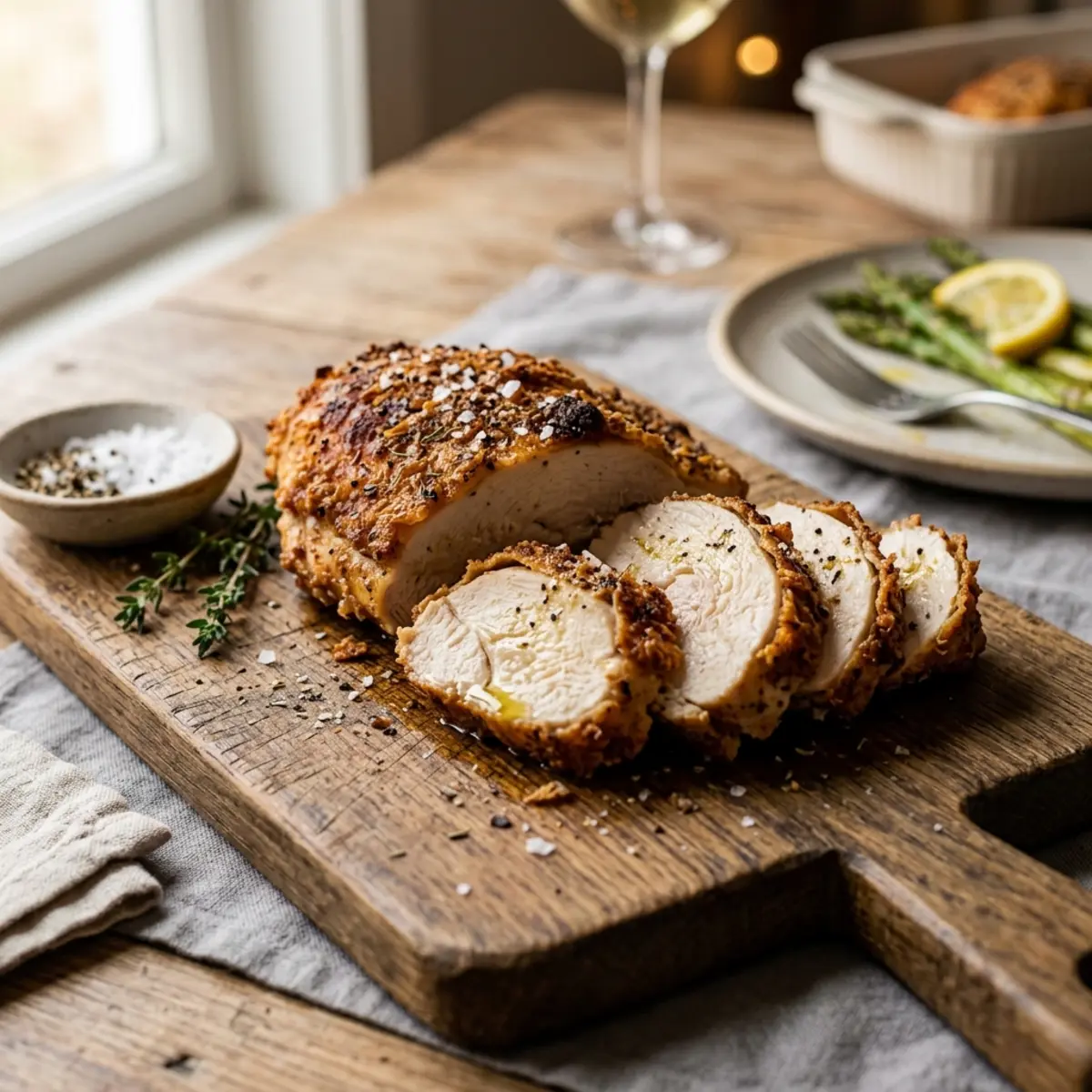
Crispy Air Fryer Chicken Breast
 Chicken
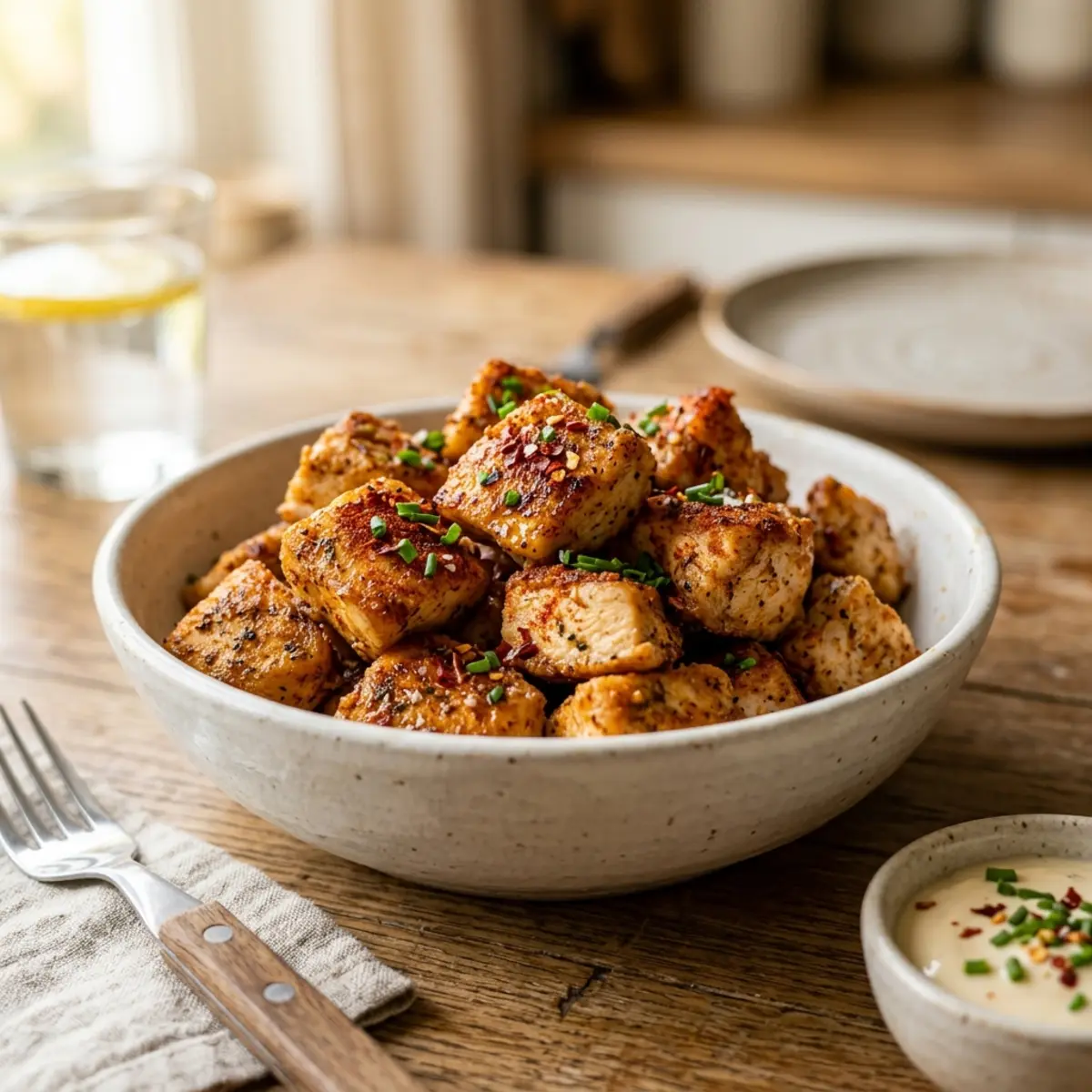
Air Fryer Chicken Breast – Quick 17-Minute Recipe
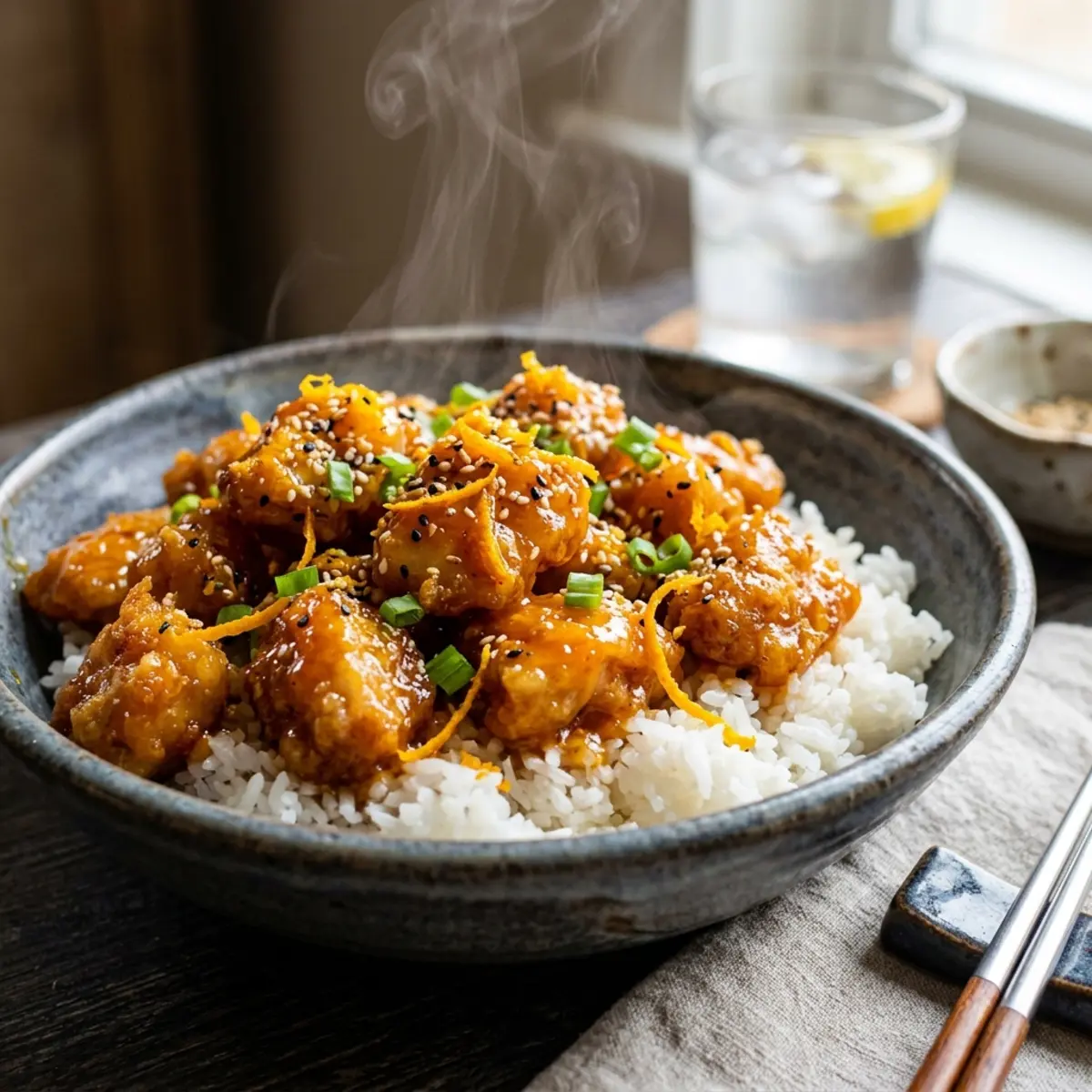 Chicken
Crispy Orange Chicken in Air Fryer
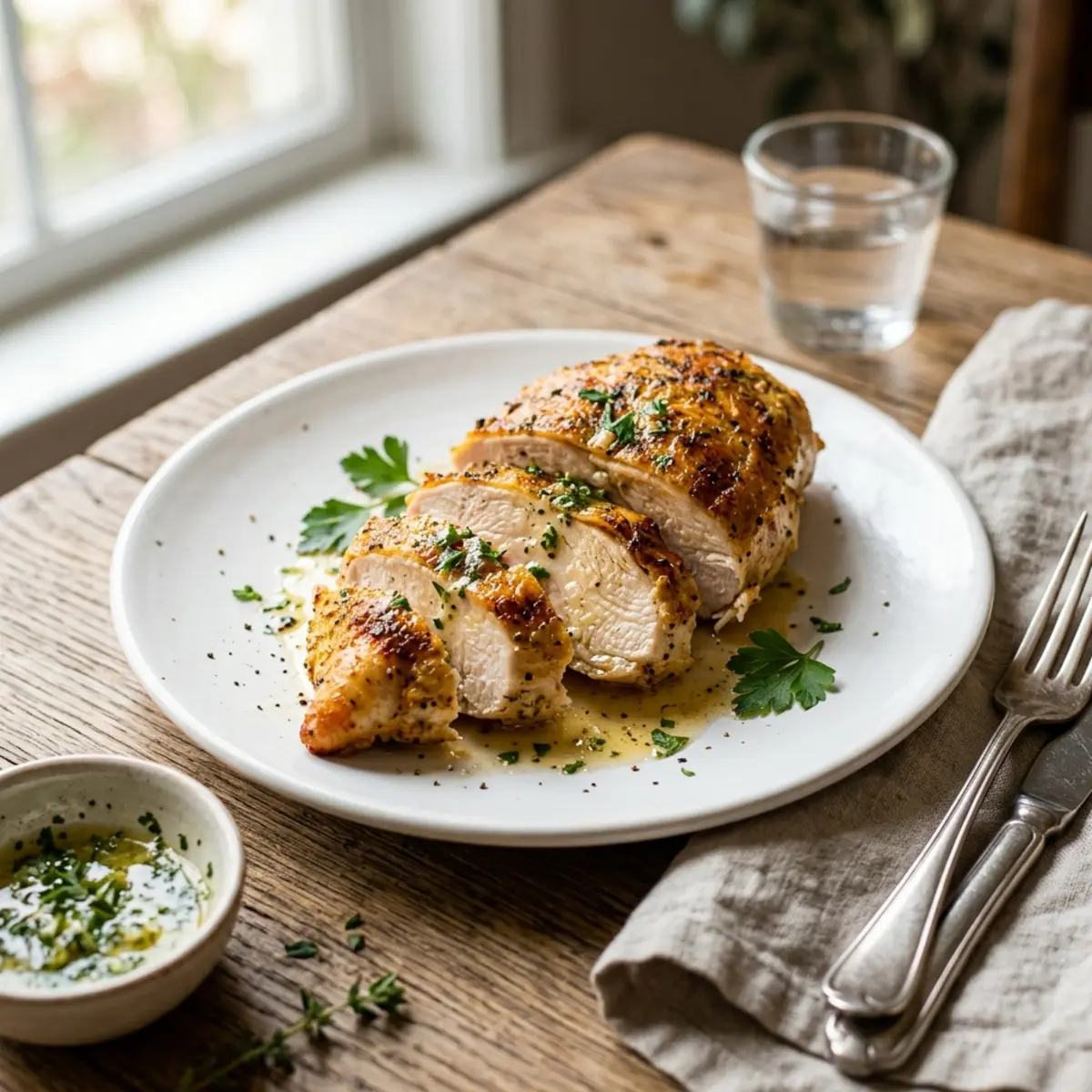 Chicken
Air Fryer Chicken Breast: Juicy and Buttery in 20 Minutes
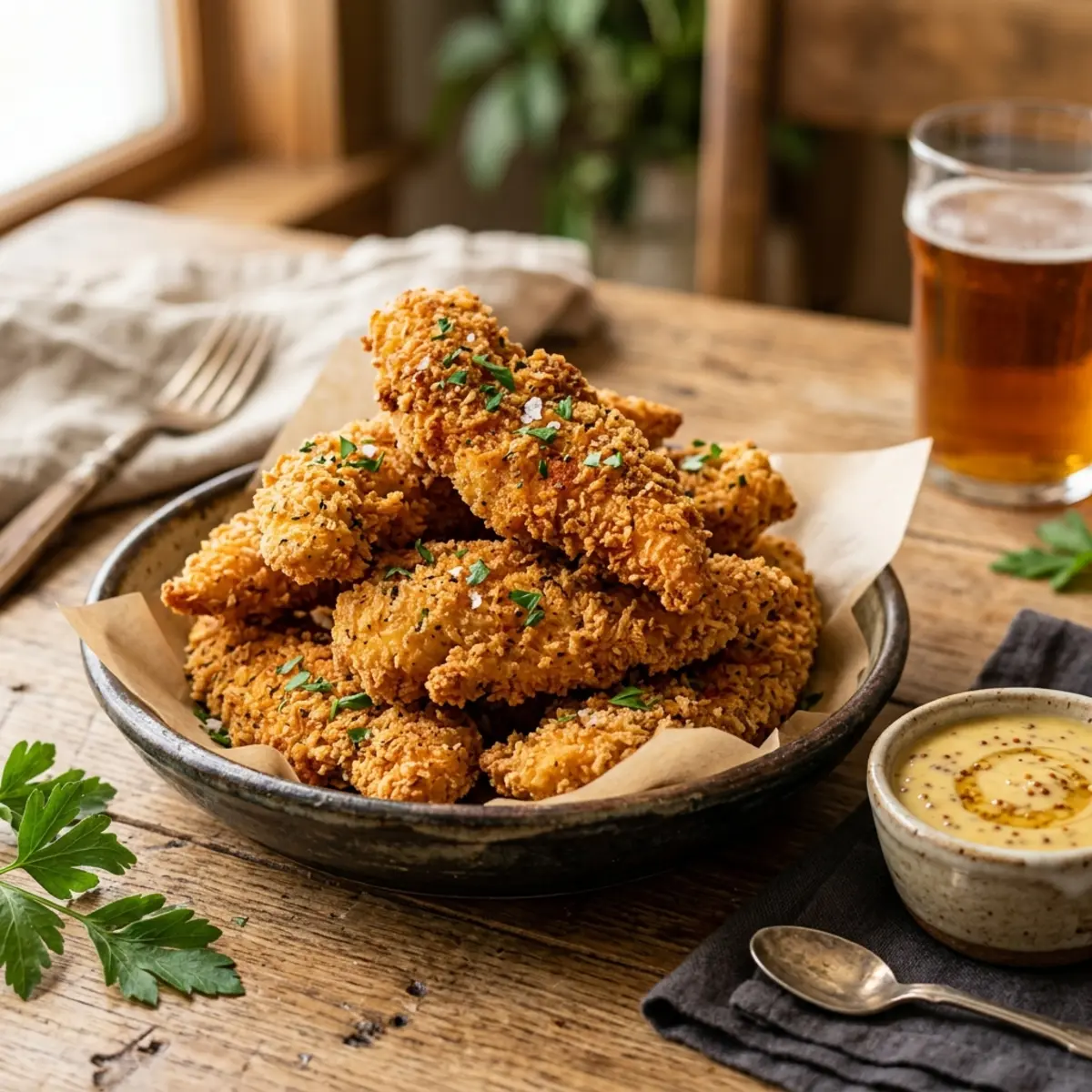 Chicken