Air Fryer Spring Rolls – Quick and Crispy Recipe
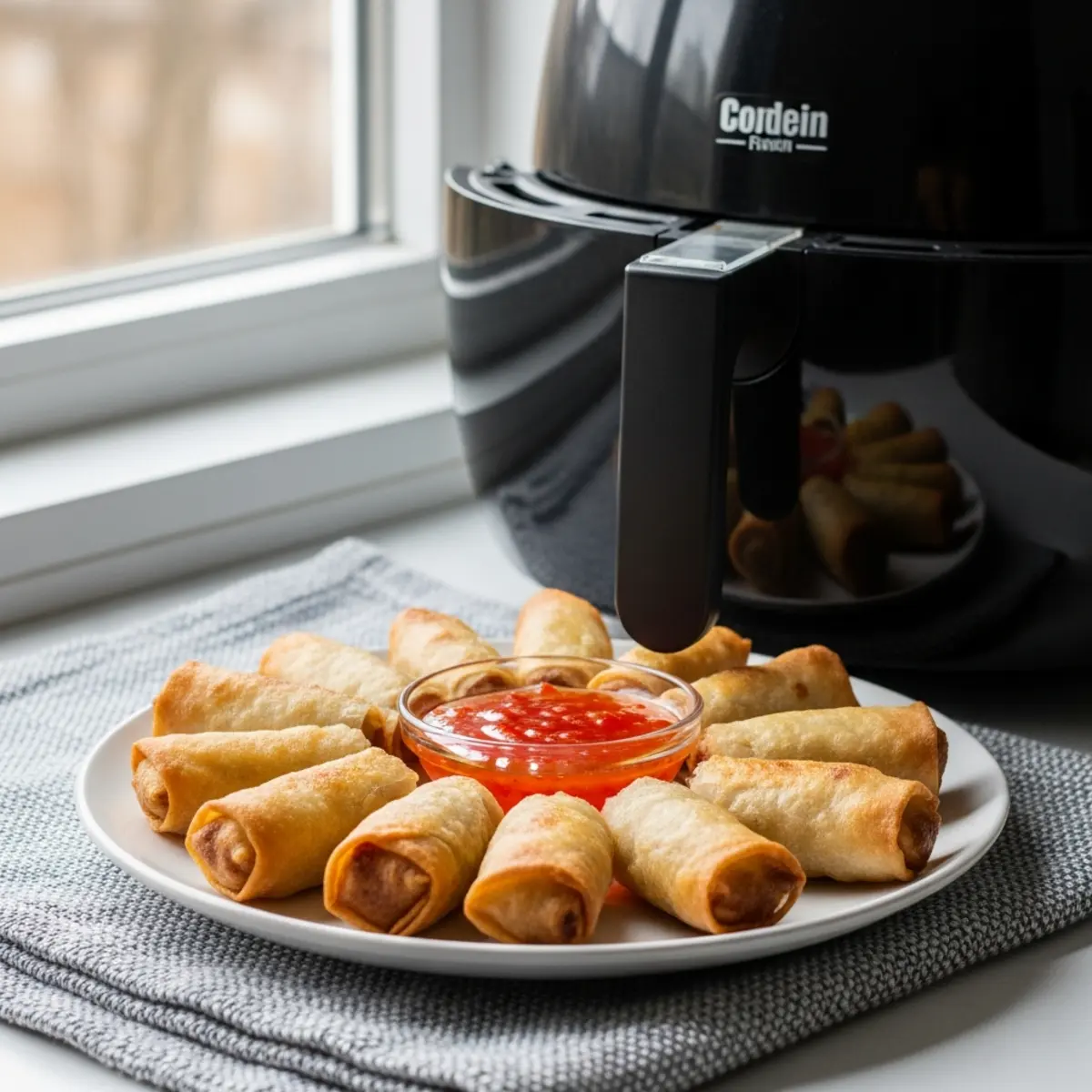
Crispy and golden spring rolls cooked in an air fryer, with a savory pork and vegetable filling.
Steps
- 01
Shred the cabbage and carrot – grate or cut into thin strips. Mince the garlic.
- 02
In a bowl, mix the ground pork with vegetables, bean sprouts, garlic, soy sauce, sesame oil, salt, and pepper.
- 03
Place a spring roll wrapper on a work surface. Put about 2 tablespoons of filling near one corner.
- 04
Fold the corner over the filling, fold in the sides, and roll tightly. Seal the edge with a little water.
- 05
Repeat for the remaining wrappers and filling.
- 06
Preheat the air fryer to 180°C (350°F).
- 07
Lightly spray the spring rolls with cooking spray.
- 08
Place them in a single layer in the air fryer basket (cook in batches if needed).
- 09
Cook at 180°C (350°F) for 10 minutes, turn them over, and cook for another 5-7 minutes until golden and crispy.
- 10
Serve hot with sweet chili sauce or soy sauce.
Recipe story
Spring rolls originated in China, where they were prepared during the Tang Dynasty as a symbol of prosperity. The recipe spread to Southeast Asia with Chinese migration, becoming popular in Indonesia and the Philippines. In Indonesian cuisine, they are known as 'lumpia' and are often filled with vegetables and meat. The air fryer version offers a healthier alternative while maintaining the crispy texture.
Ingredient Secrets
Discover the culinary secrets and flavor history of key ingredients in this dish.
Black pepper
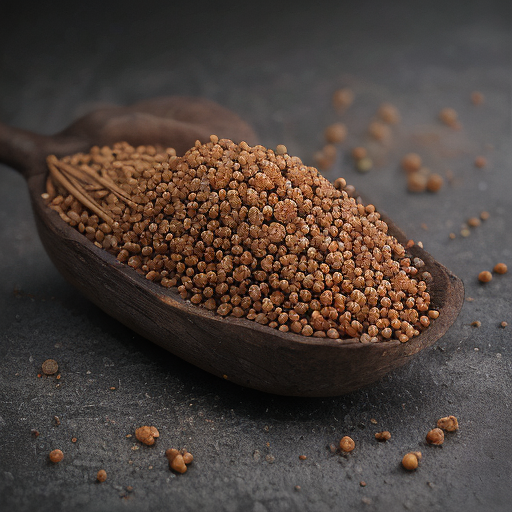
Known as 'black gold' in antiquity, pepper was so valuable that it served as currency and tribute. In the Middle Ages, Venetian merchants controlled the pepper trade, and individual peppercorns were often counted. Legend has it that when Alaric, king of the Visigoths, demanded tribute from Rome, he included 3,000 pounds of pepper.
Sea salt
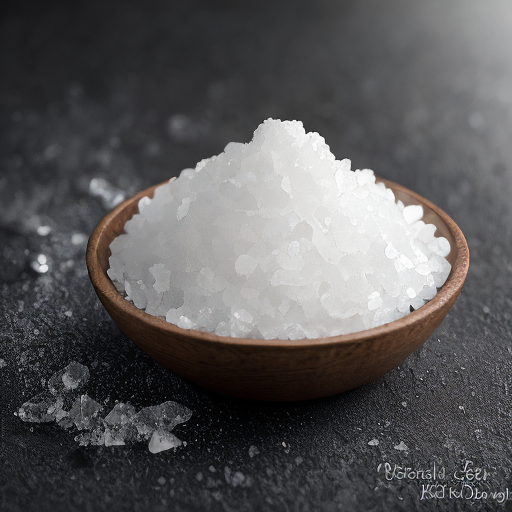
Sea salt, extracted from ocean waters by evaporation, was one of the most precious goods of antiquity, used both as food and as currency. In ancient Rome, soldiers were paid with salt, which is the origin of the word 'salary'. Salt roads connected entire civilizations, and in the Middle Ages, salt was so valuable it was called 'white gold'.
Garlic
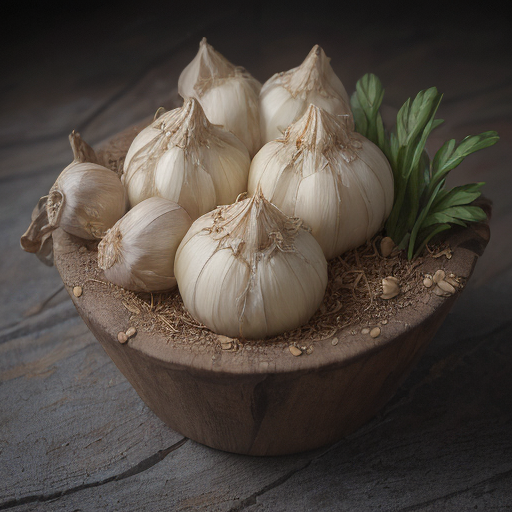
Native to Central Asia, garlic was already known in ancient Egypt, where it was given to slaves to boost their strength. In ancient Greece, athletes consumed it before competitions, and in Rome, legionaries considered it essential for courage. During the Middle Ages, it was used to ward off vampires and the plague.
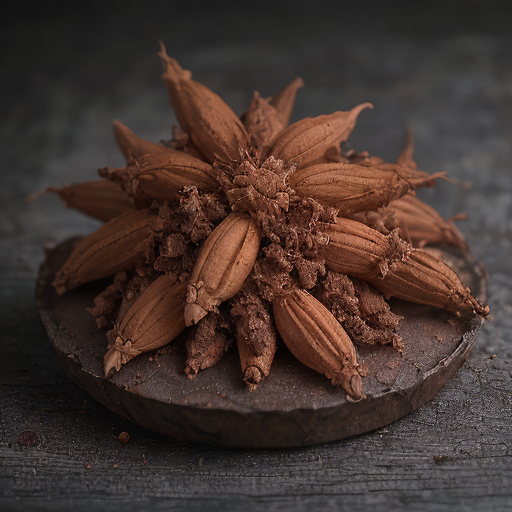
Cloves
Cloves, the dried buds of the exotic Syzygium aromaticum tree, were one of the most prized spices of the ancient world, often called 'aromatic gold'. In the Middle Ages, Venetian merchants controlled the clove trade, bringing them from the Maluku Islands, the only place they grew, and selling them at exorbitant prices in Europe.
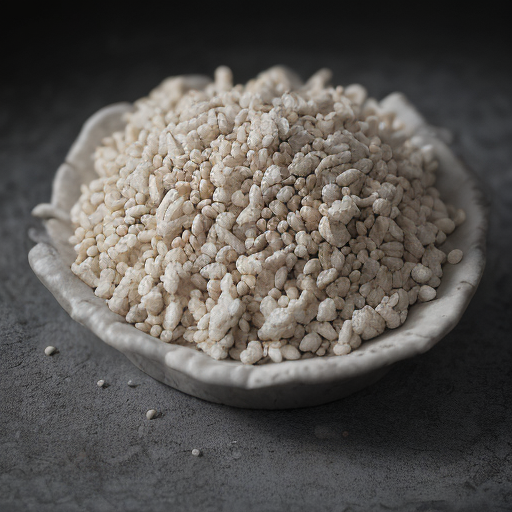
Sesame
In Assyrian mythology, the gods drank sesame wine on the night before the creation of the world, and in ancient Rome, sesame seeds were sprinkled on soldiers' bread to give them strength. In the Middle Ages, sesame was considered a magical food capable of boosting vitality. Today, it is valued for its oil rich in essential fatty acids.
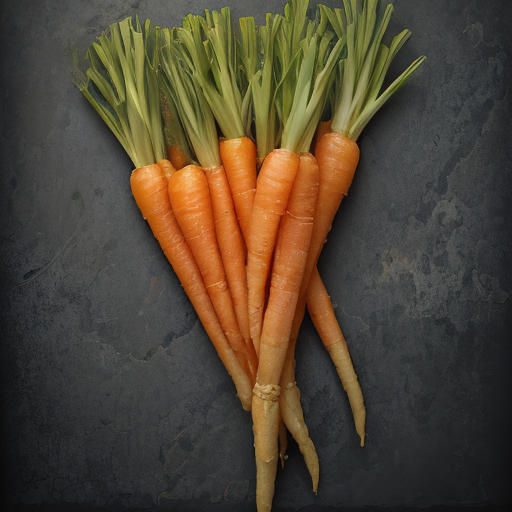
Carrot
The carrot, known in antiquity as a medicinal remedy rather than a vegetable, was originally purple or white. It wasn't until the 17th century that Dutch breeders developed the orange variety, honoring the House of Orange.
You may also like
 Misc
MiscAir Fryer S'mores – Quick Campfire Treat Without Fire
 Misc
MiscHow to Reheat Frikandellen in Air Fryer: Quick and Crispy Recipe
 Misc
MiscHow to Reheat Chicken in Air Fryer (Crispy and Juicy)
 Misc
MiscCrispy Reheated Chicken Pieces in Air Fryer
 Misc
MiscStuffed Bell Pepper with Mozzarella in Air Fryer
 Misc
Misc