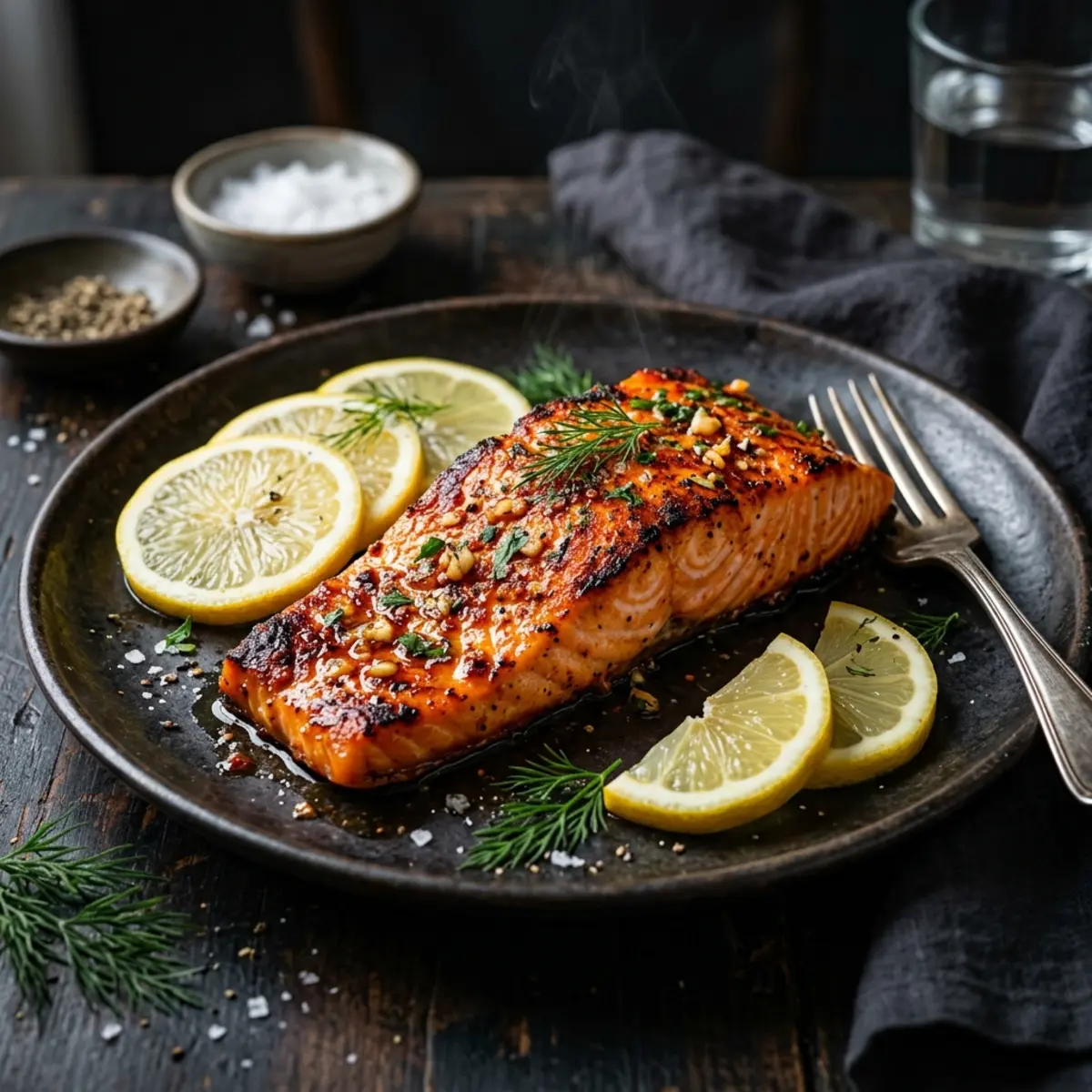
Air Fryer Salmon Teriyaki
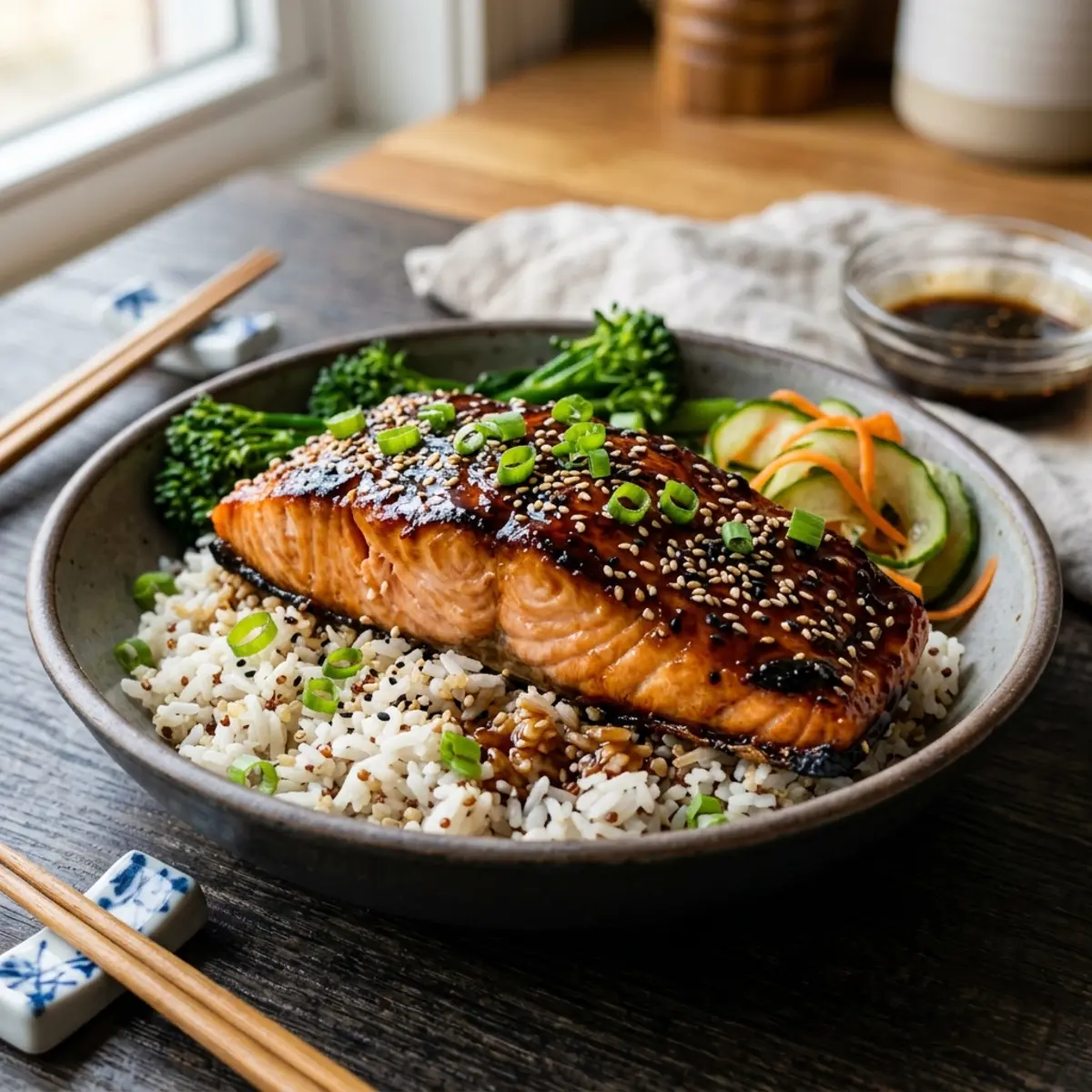
Steps
- 01
Grate fresh ginger until you have 2 teaspoons of grated ginger.
- 02
Crush the 3 garlic cloves.
- 03
In a bowl, mix all sauce ingredients (teriyaki, hoisin, soy sauce, vinegar, sesame oil, brown sugar, garlic, and ginger). Stir until sugar dissolves.
- 04
Add salmon to the bowl and turn to coat all sides with sauce. Cover with plastic wrap and marinate for at least 20 minutes.
- 05
Place marinated salmon in the air fryer at 200°C (400°F) and cook for about 12 minutes.
- 06
Meanwhile, pour remaining marinade into a small saucepan and bring to a boil. Stir occasionally until thickened (3-4 minutes), then set aside.
- 07
Remove salmon from air fryer and brush with the boiled teriyaki sauce.
- 08
Optional: Sprinkle sesame seeds and sliced green onion for garnish.
Recipe story
Teriyaki originates from Japan, where soy sauce and mirin were used to glaze grilled fish. Salmon, prized for its fatty texture, became a popular choice in modern Japanese cuisine. This recipe has been adapted for the air fryer, preserving the authentic flavor.
Ingredient Secrets
Discover the culinary secrets and flavor history of key ingredients in this dish.
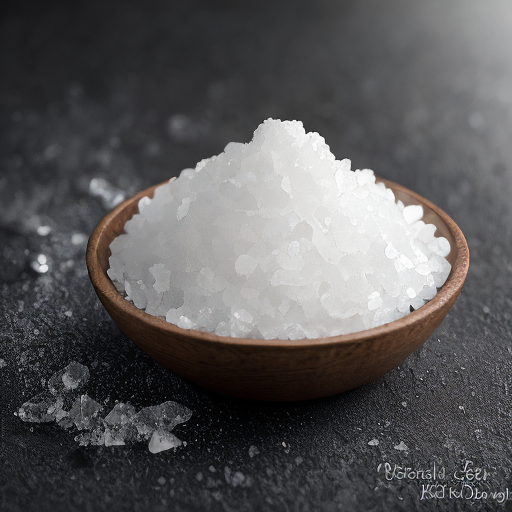
Sea salt
Sea salt, extracted from ocean waters by evaporation, was one of the most precious goods of antiquity, used both as food and as currency. In ancient Rome, soldiers were paid with salt, which is the origin of the word 'salary'. Salt roads connected entire civilizations, and in the Middle Ages, salt was so valuable it was called 'white gold'.
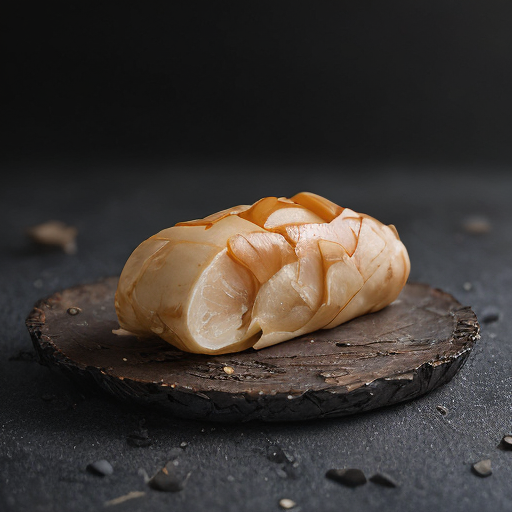
Ginger
Ginger, known since antiquity, was one of the first spices brought along the Silk Road, so precious that a kilogram of ginger was worth a sheep in medieval Europe.
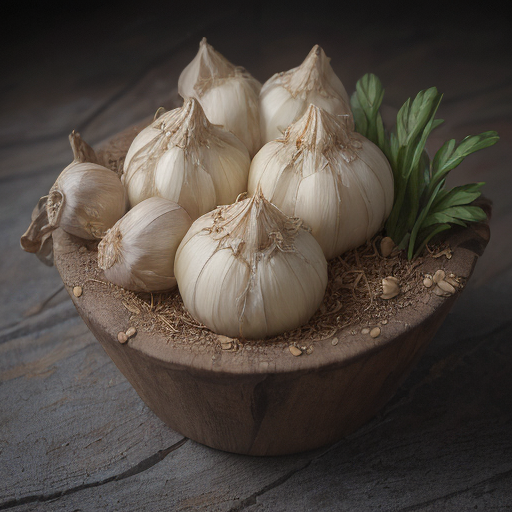
Garlic
Native to Central Asia, garlic was already known in ancient Egypt, where it was given to slaves to boost their strength. In ancient Greece, athletes consumed it before competitions, and in Rome, legionaries considered it essential for courage. During the Middle Ages, it was used to ward off vampires and the plague.
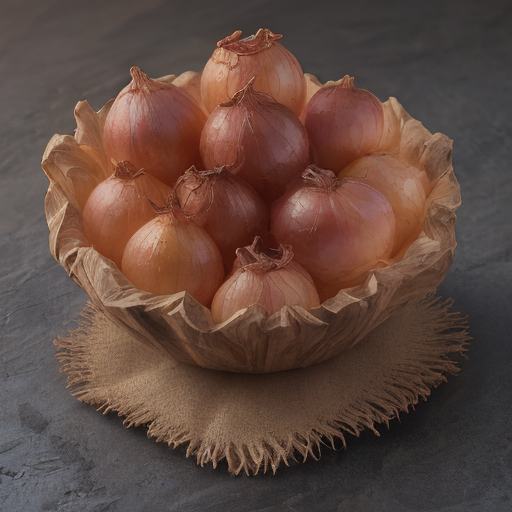
Onion
Probably originating in Central or West Asia, onions were cultivated in ancient Egypt, where they were considered a symbol of eternity and placed in tombs. In ancient Greece, athletes ate them to balance their blood, and in Rome, they were a staple food for soldiers. During the Middle Ages, onions were believed to protect against arrows and the plague.
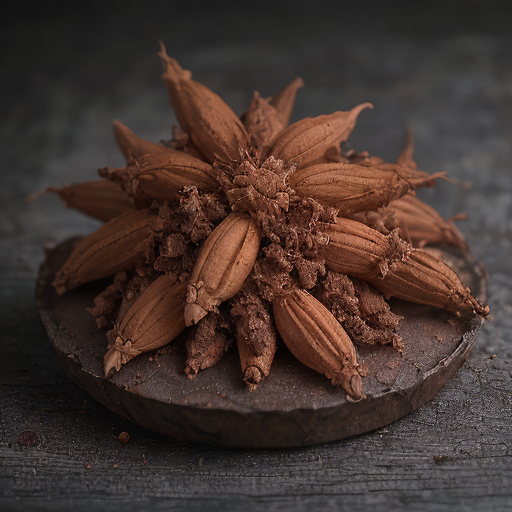
Cloves
Cloves, the dried buds of the exotic Syzygium aromaticum tree, were one of the most prized spices of the ancient world, often called 'aromatic gold'. In the Middle Ages, Venetian merchants controlled the clove trade, bringing them from the Maluku Islands, the only place they grew, and selling them at exorbitant prices in Europe.
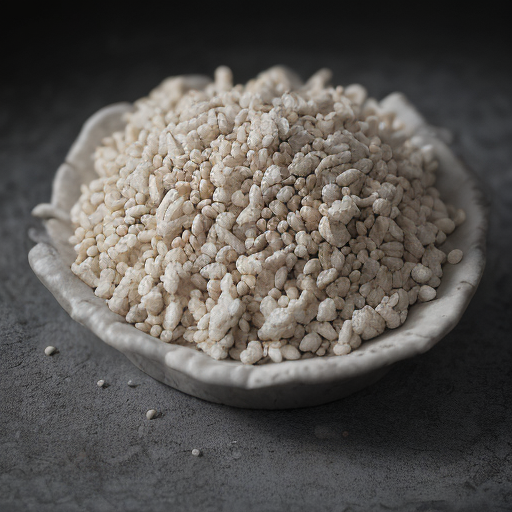
Sesame
In Assyrian mythology, the gods drank sesame wine on the night before the creation of the world, and in ancient Rome, sesame seeds were sprinkled on soldiers' bread to give them strength. In the Middle Ages, sesame was considered a magical food capable of boosting vitality. Today, it is valued for its oil rich in essential fatty acids.
You may also like
 Fish
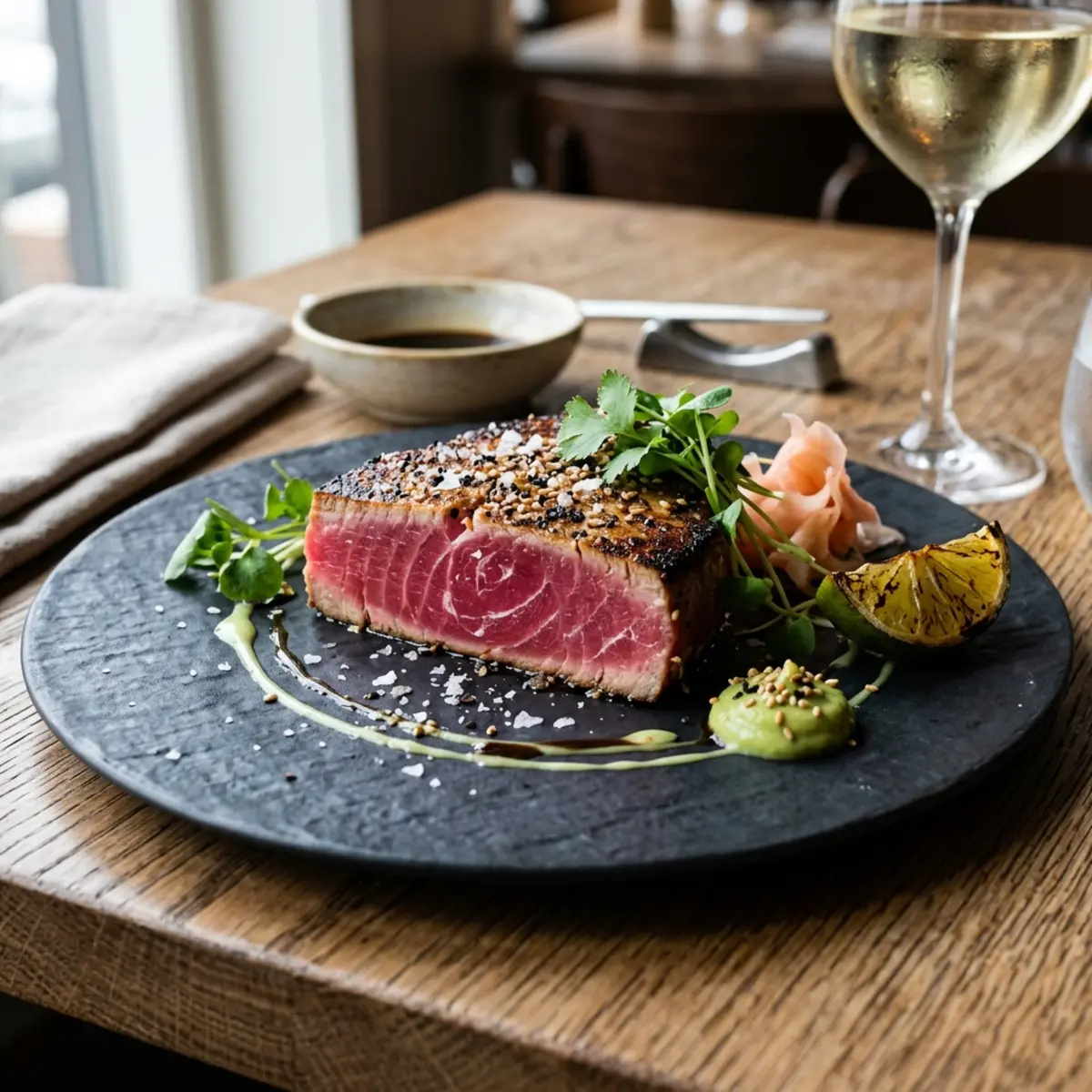
FishAir Fryer Tuna Steak – Quick and Easy Recipe in 12 Minutes
 Fish
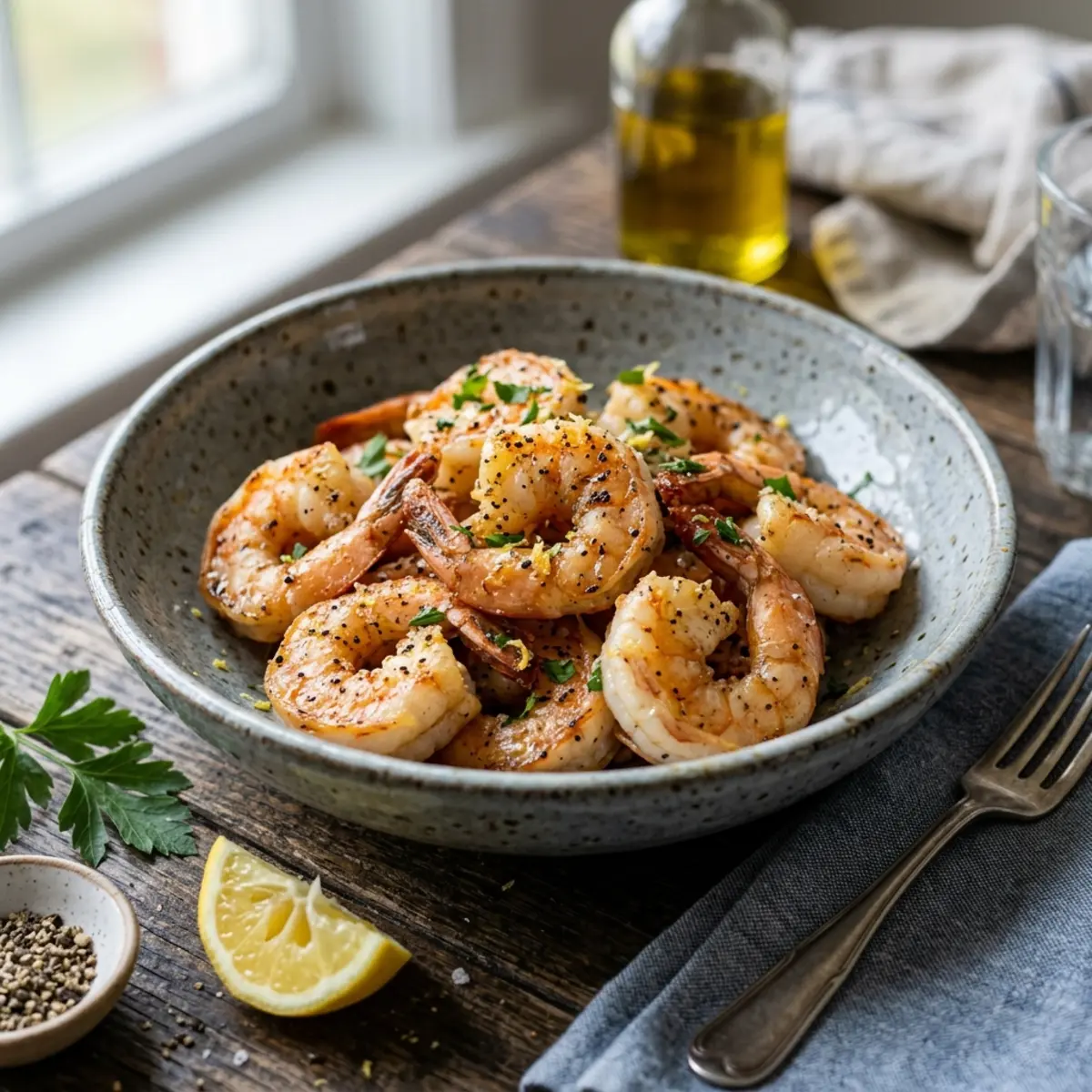
FishAir Fryer Lemon Pepper Shrimp
 Fish
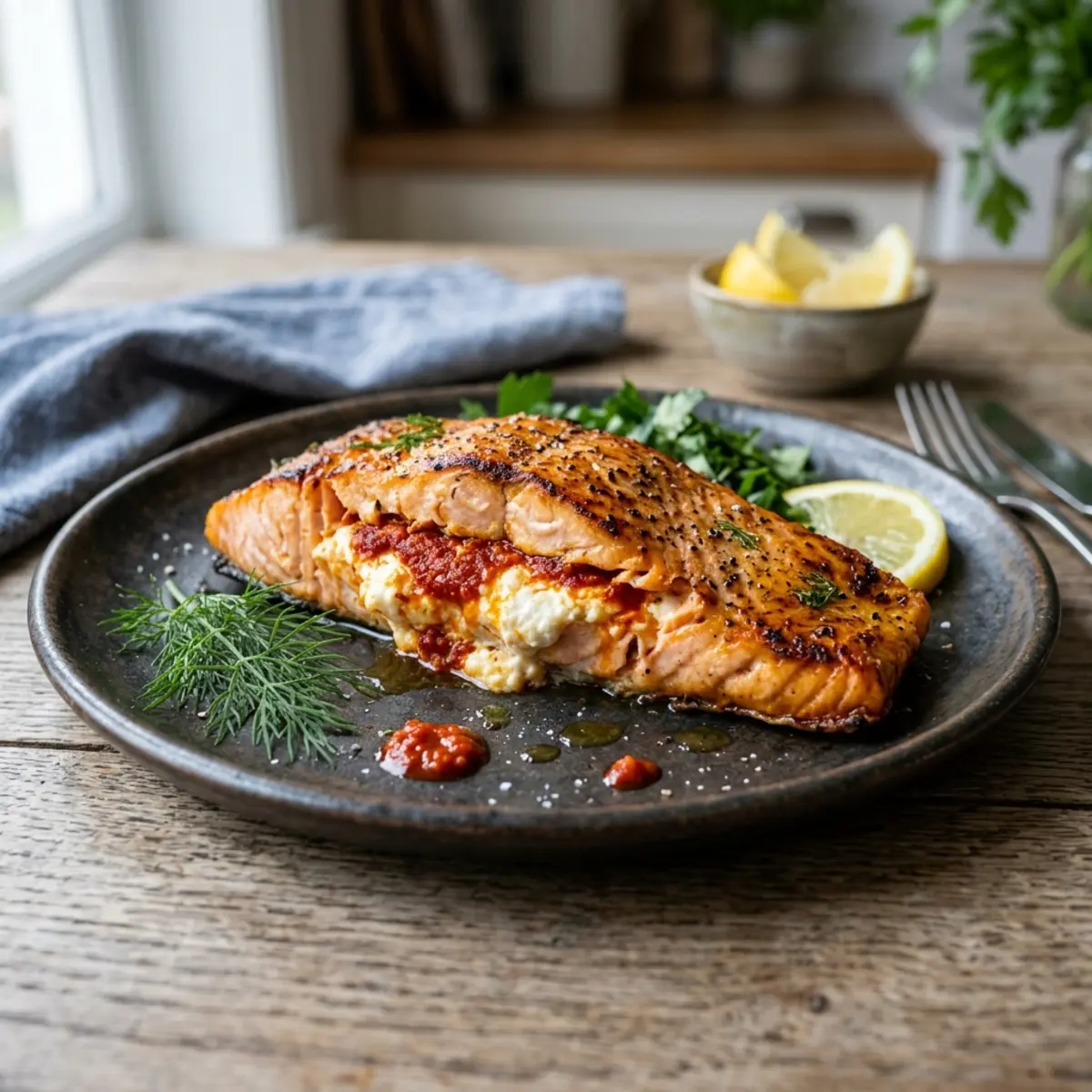
FishSalmon stuffed with ricotta and harissa in Air Fryer
 Fish
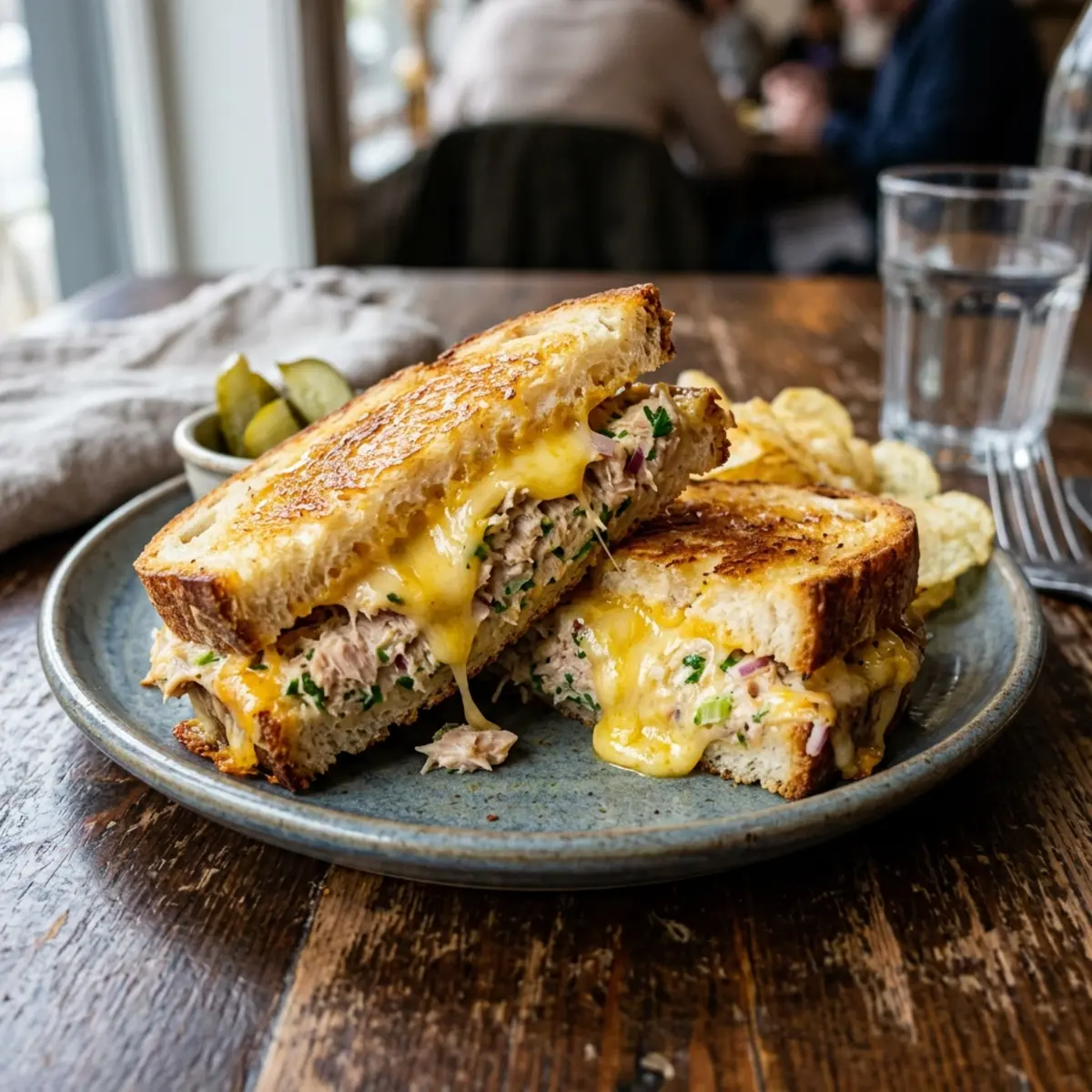
FishAir Fryer Tuna Melt – Crispy Tuna and Cheese Sandwich in 15 Minutes
 Fish
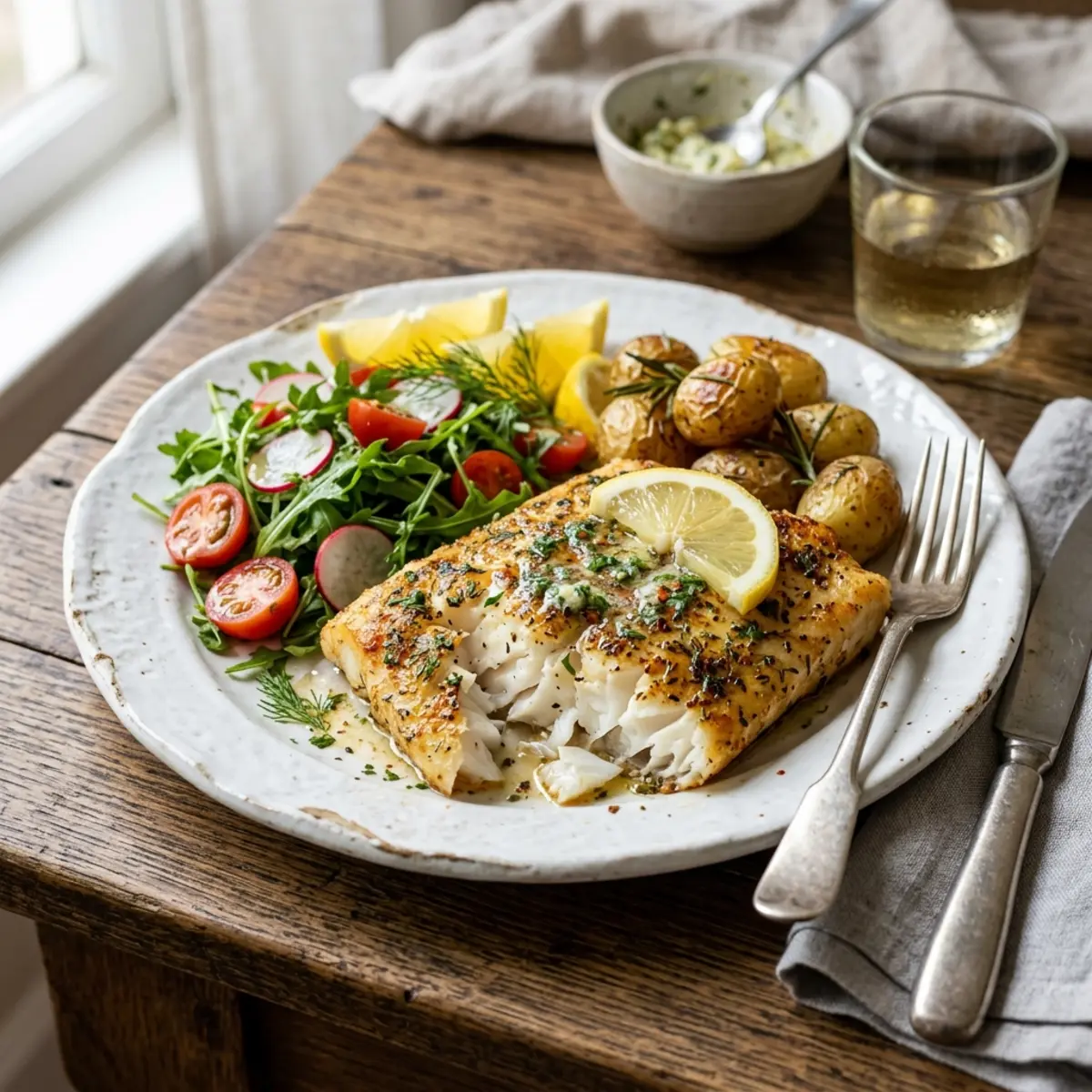
FishAir Fryer Fresh Cod Fillet - Quick & Easy 15-Min Recipe
 Fish
Fish