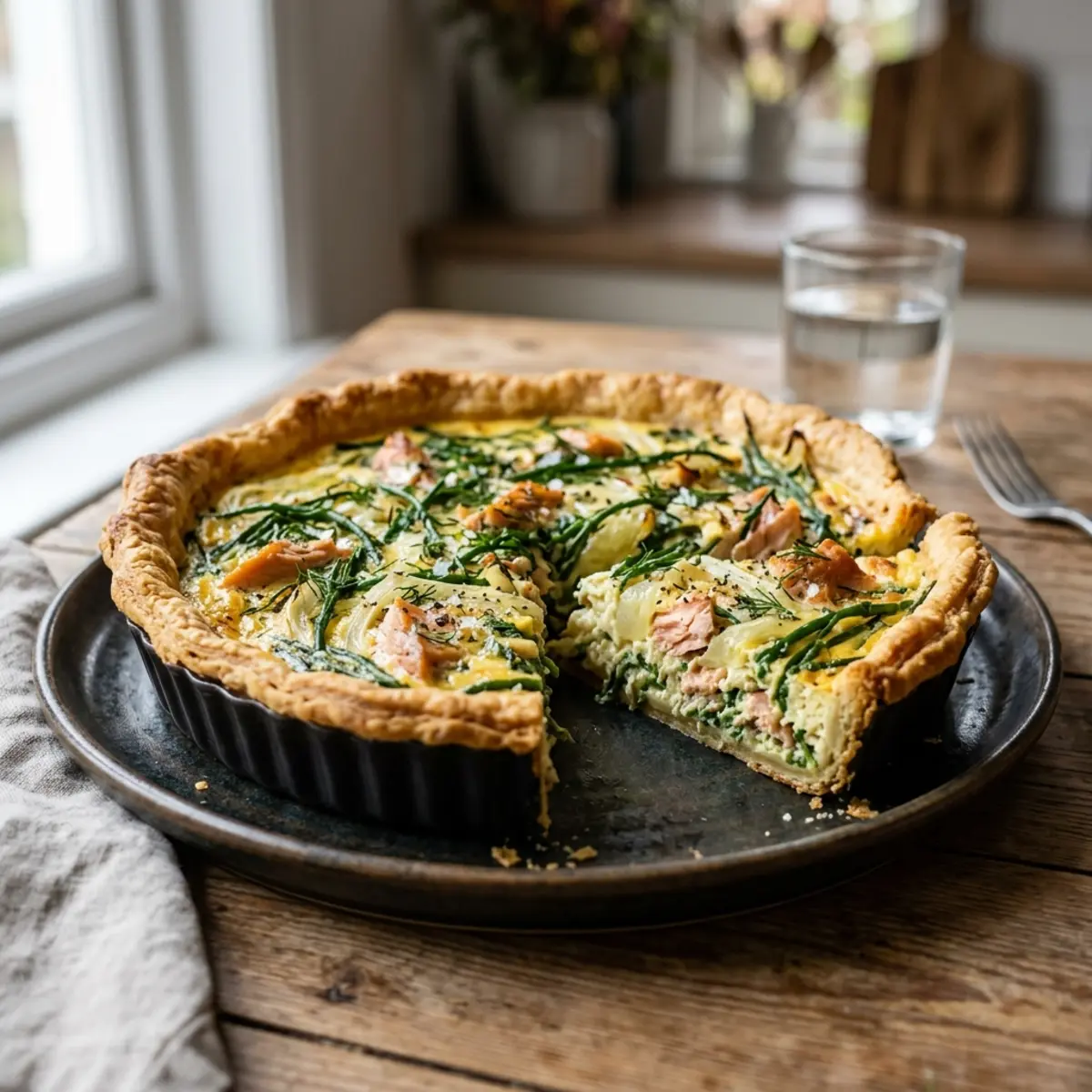
Air Fryer Quiche with Samphire, Fennel and Smoked Trout
Steps
- 01
Preheat the air fryer to 180°C (350°F).
- 02
Blanch the samphire in boiling water for 2 minutes, then drain well.
- 03
In a pan, sauté the thinly sliced fennel in olive oil for 3-4 minutes until softened. Set aside.
- 04
In a bowl, beat the eggs with the cream. Season lightly with salt (smoked trout is already salty), pepper and, if desired, a pinch of nutmeg.
- 05
Unroll the pastry into a tart pan that fits in the air fryer (or use individual molds). Prick the base with a fork.
- 06
Arrange the sautéed fennel, samphire and strips of smoked trout over the pastry base.
- 07
Pour the egg and cream mixture on top.
- 08
Cook in the air fryer at 180°C (350°F) for 18-20 minutes, until the quiche is golden and set. Let it cool slightly before serving.
Recipe story
Quiche is a savory tart originating from the Lorraine region of France. Samphire, also known as sea asparagus, is a salty plant that grows on the northern European coastlines. Fennel has been used since antiquity in Mediterranean cuisine, adding a sweet-aniseed note. Smoked trout, a delicacy from Scandinavia, completes this sophisticated combination.
Ingredient Secrets
Discover the culinary secrets and flavor history of key ingredients in this dish.
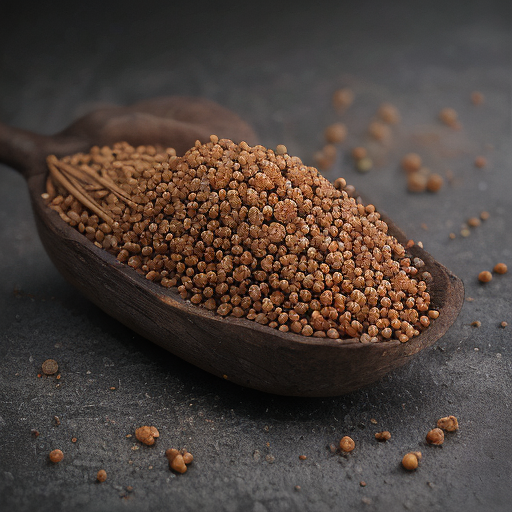
Black pepper
Known as 'black gold' in antiquity, pepper was so valuable that it served as currency and tribute. In the Middle Ages, Venetian merchants controlled the pepper trade, and individual peppercorns were often counted. Legend has it that when Alaric, king of the Visigoths, demanded tribute from Rome, he included 3,000 pounds of pepper.
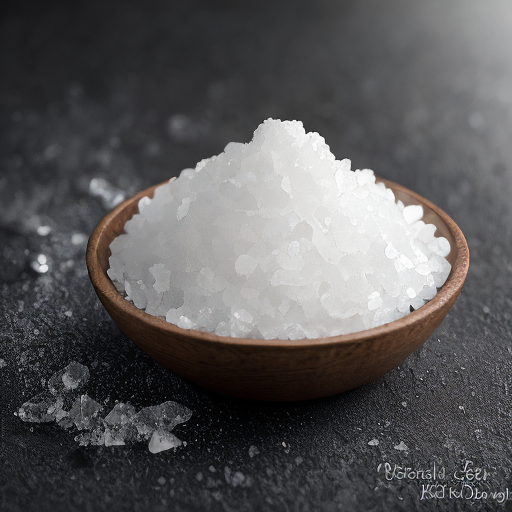
Sea salt
Sea salt, extracted from ocean waters by evaporation, was one of the most precious goods of antiquity, used both as food and as currency. In ancient Rome, soldiers were paid with salt, which is the origin of the word 'salary'. Salt roads connected entire civilizations, and in the Middle Ages, salt was so valuable it was called 'white gold'.
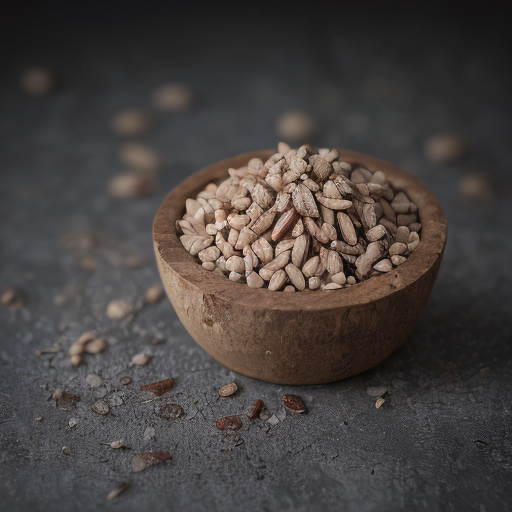
Nutmeg
In the Middle Ages, nutmeg was so precious that a kilogram cost as much as a cow or even a house. Merchants guarded it like gold, and legend says that to keep its origin secret, traders would adulterate it with walnut seeds.
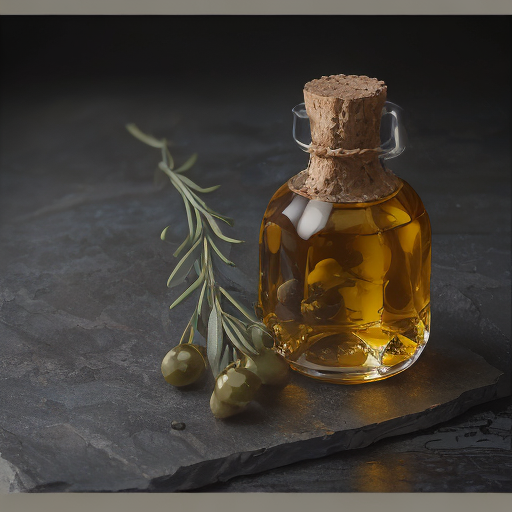
Olive oil
Originating in the Mediterranean basin, olive oil was already produced in ancient Crete 5,000 years ago. In ancient Greece, it was considered a gift from Athena and used in lamps, cosmetics, and religious ceremonies. The Romans spread it throughout the empire, and in the Middle Ages, monasteries preserved the tradition of its production.
You may also like
 Misc
MiscAir Fryer S'mores – Quick Campfire Treat Without Fire
 Misc
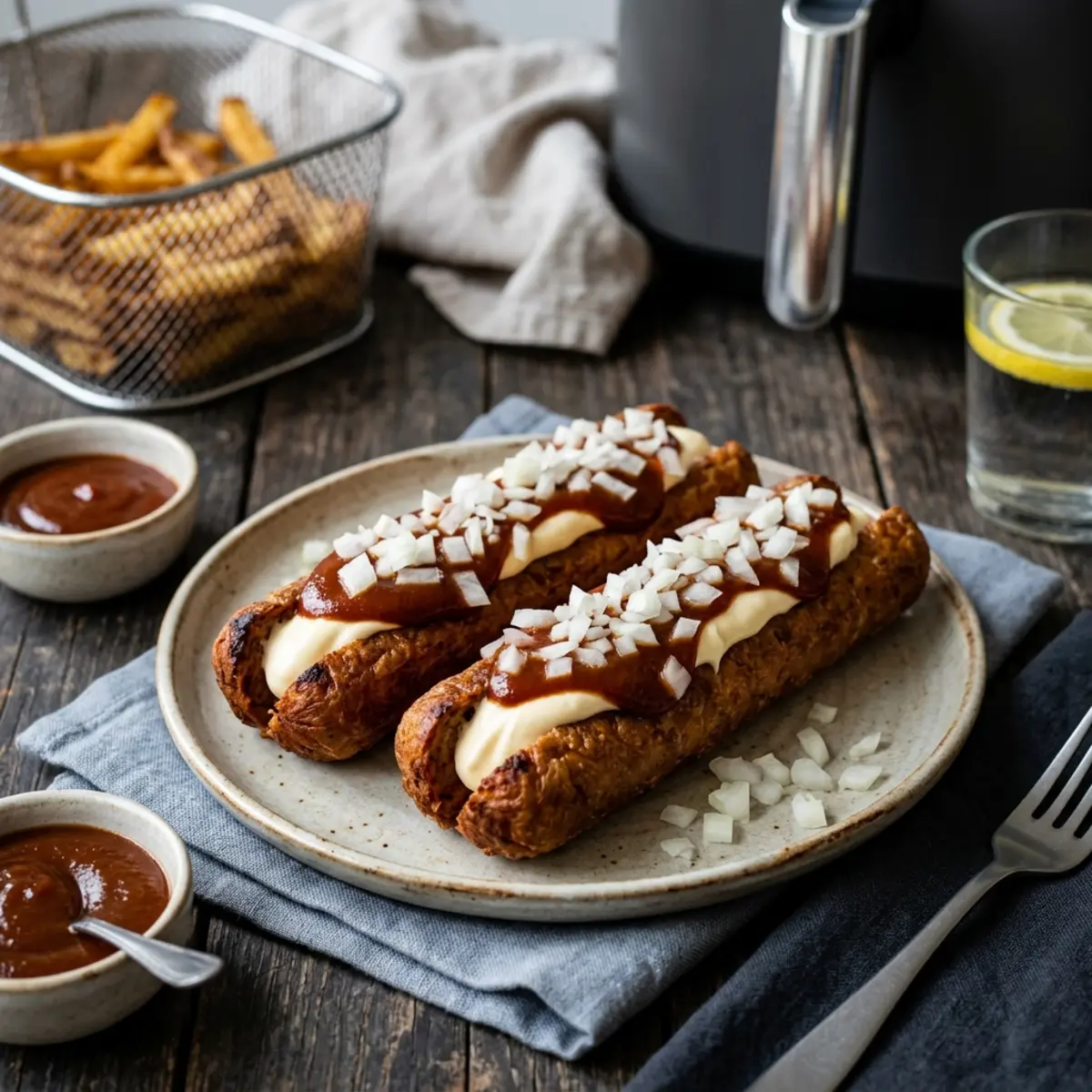
MiscHow to Reheat Frikandellen in Air Fryer: Quick and Crispy Recipe
 Misc
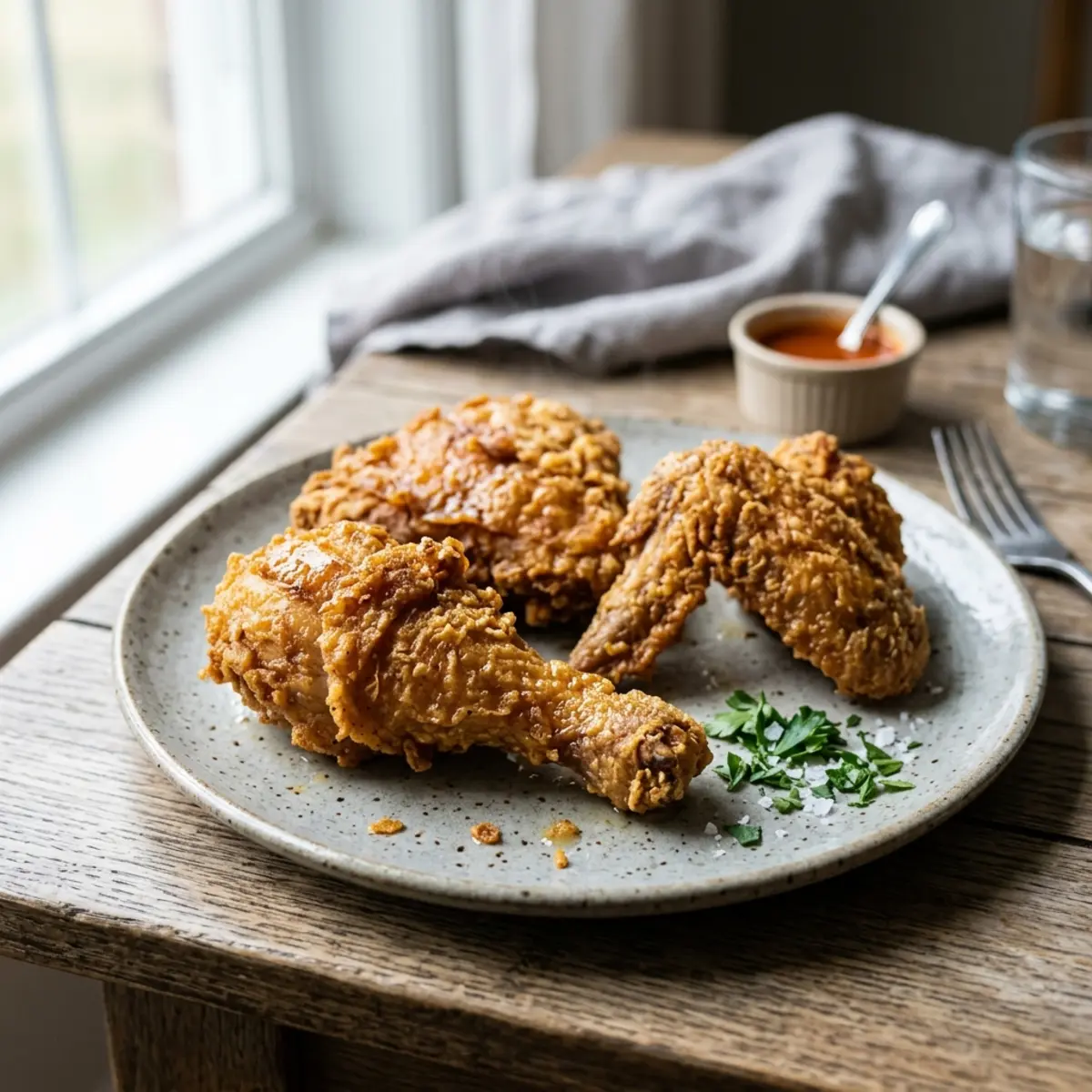
MiscHow to Reheat Chicken in Air Fryer (Crispy and Juicy)
 Misc
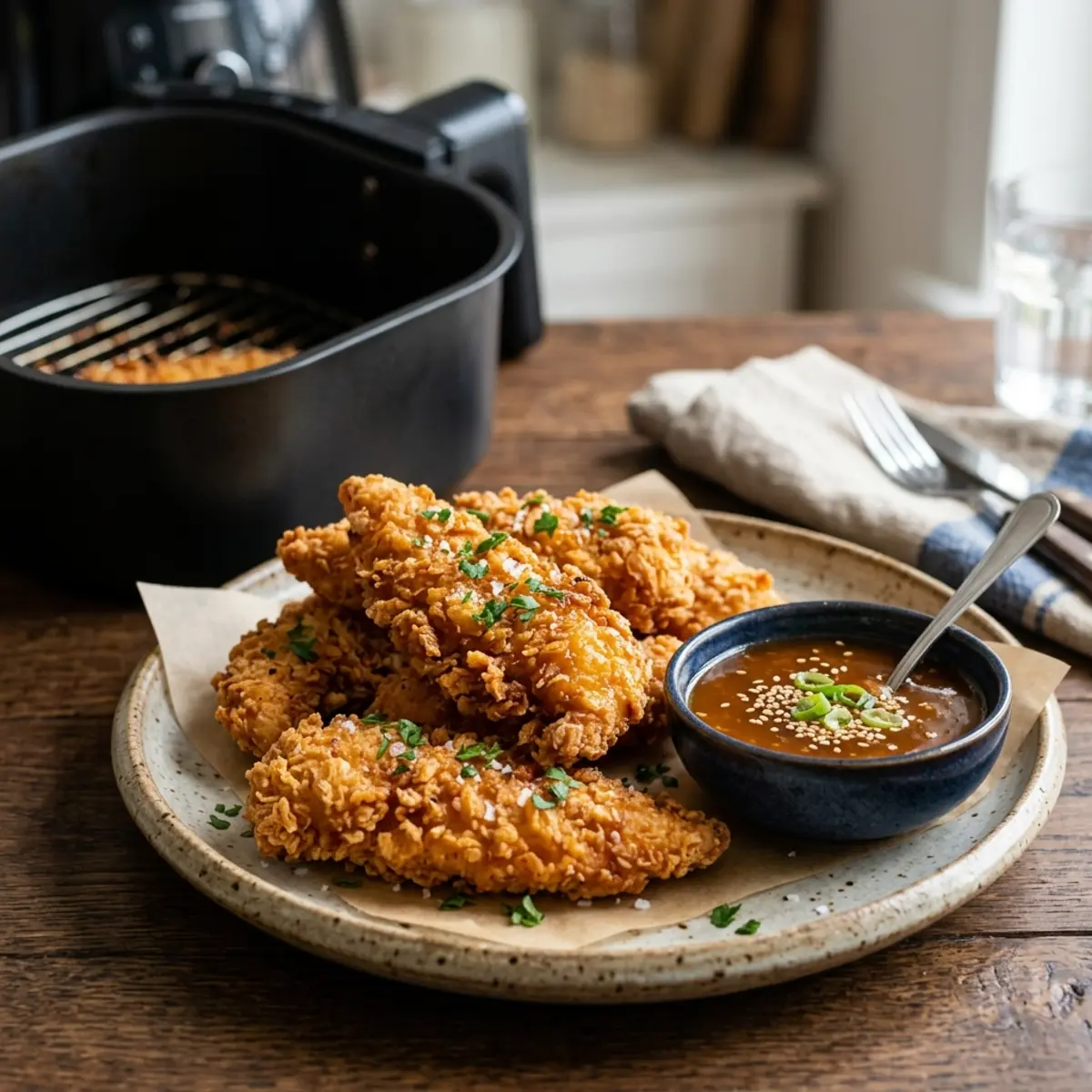
MiscCrispy Reheated Chicken Pieces in Air Fryer
 Misc
MiscStuffed Bell Pepper with Mozzarella in Air Fryer
 Misc
Misc