Air Fryer Meatballs
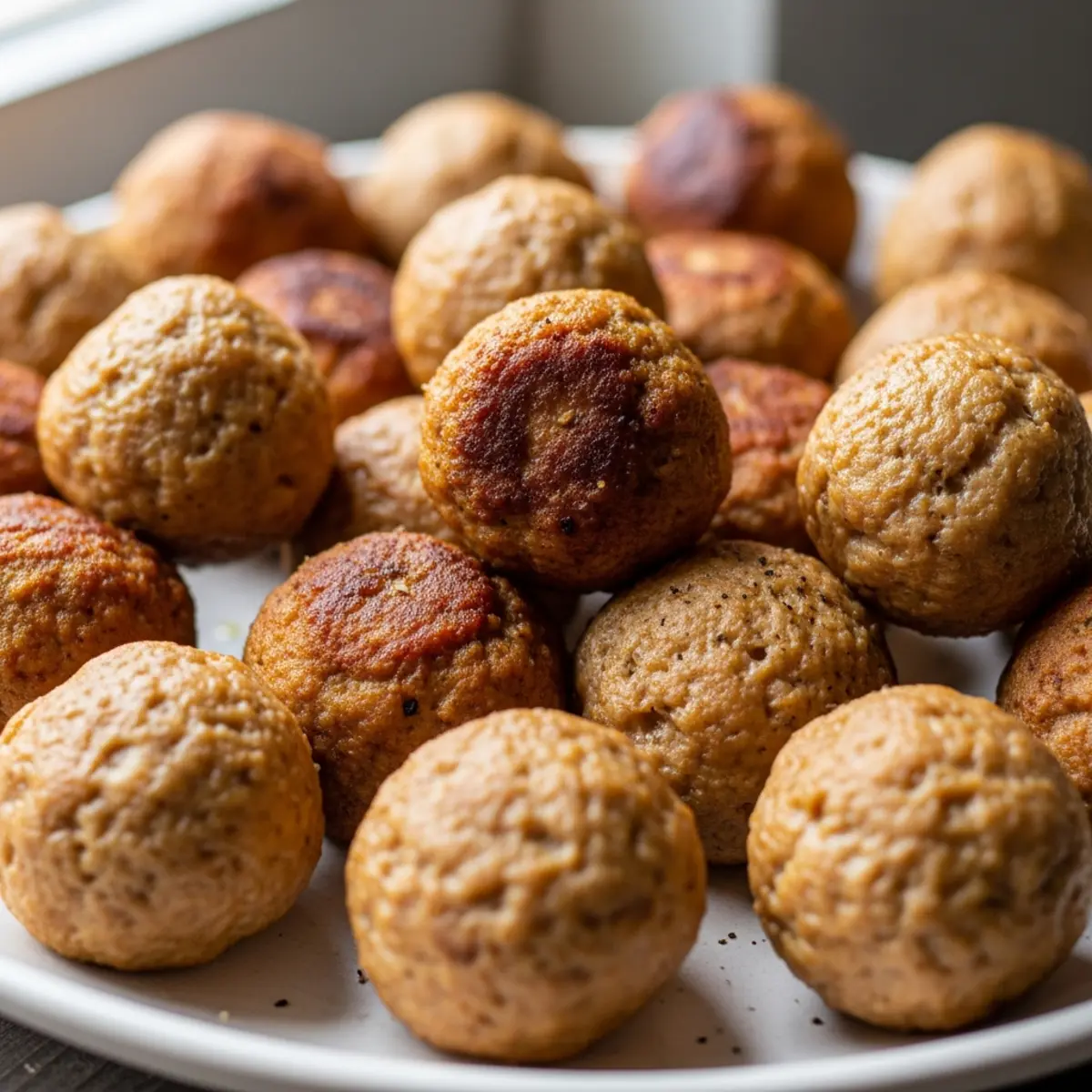
Tender meatballs (pork, chicken, beef or mix) cooked in the air fryer, perfect as an appetizer or main dish.
Steps
- 01
Place the ground meat in a large bowl. Add the egg, salt, pepper and sweet paprika (if using).
- 02
Finely chop the onion (or green onions), garlic (or green garlic) and parsley. Add them to the meat.
- 03
Add the dried thyme (if using) and the bread slice soaked in water or milk and well squeezed – this step makes the meatballs fluffy and tender.
- 04
Knead the mixture with your hands until you get a homogeneous and slightly sticky paste. Cover with plastic wrap or a plate and let it rest for 15 minutes.
- 05
Divide the mixture into 12 medium-large meatballs (you can use an ice cream scoop for uniformity). Shape them with palms lightly greased with oil.
- 06
Preheat the air fryer to 205°C (400°F) for 5 minutes. Place the meatballs in the basket, leaving space between them for hot air circulation.
- 07
Cook at 180°C (350°F) for 15 minutes, then at 170°C (340°F) for another 10 minutes to brown. Check the doneness halfway through.
- 08
For oven: preheat to 180-190°C (350-375°F) and bake on a tray lined with parchment paper for 25-30 minutes, turning halfway.
- 09
Serve hot with your favorite side (mashed potatoes, salad, pickles).
Recipe story
Meatballs are a dish made from ground meat, popular in many cuisines across Europe and the Middle East. In the Balkans, they are known as 'ćevapi' or 'keftedes', and in Turkey as 'köfte'. The recipe has evolved over centuries, adapting to local ingredients. Today, the air fryer offers a healthier cooking method while preserving the tender texture and rich flavor.
Ingredient Secrets
Discover the culinary secrets and flavor history of key ingredients in this dish.
Black pepper
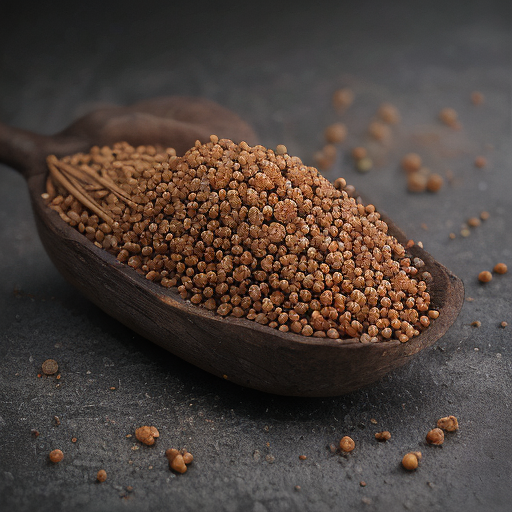
Known as 'black gold' in antiquity, pepper was so valuable that it served as currency and tribute. In the Middle Ages, Venetian merchants controlled the pepper trade, and individual peppercorns were often counted. Legend has it that when Alaric, king of the Visigoths, demanded tribute from Rome, he included 3,000 pounds of pepper.
Sea salt
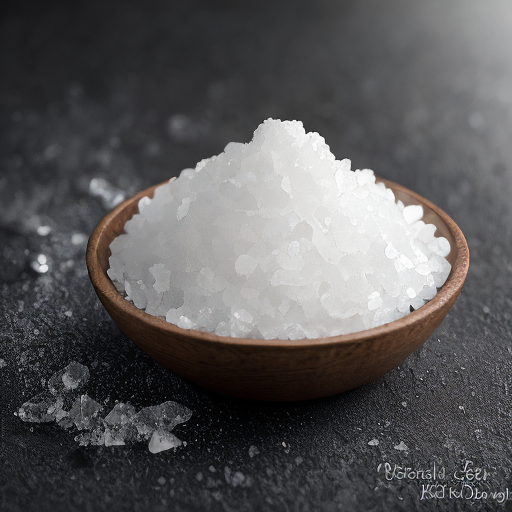
Sea salt, extracted from ocean waters by evaporation, was one of the most precious goods of antiquity, used both as food and as currency. In ancient Rome, soldiers were paid with salt, which is the origin of the word 'salary'. Salt roads connected entire civilizations, and in the Middle Ages, salt was so valuable it was called 'white gold'.
Thyme
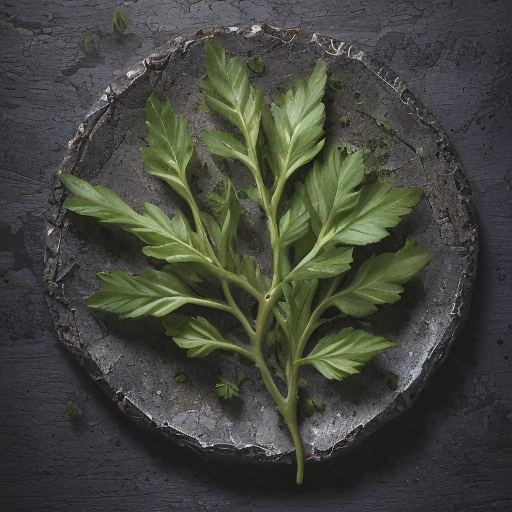
In ancient Rome, thyme was burned in temples to purify the air and ward off evil spirits, and Roman soldiers added it to their baths to strengthen their courage. In the Middle Ages, noble ladies embroidered thyme on knights' scarves as a symbol of bravery. The ancient Greeks used it in baths and temples, and its name derives from the Greek 'thymos', meaning 'courage'.
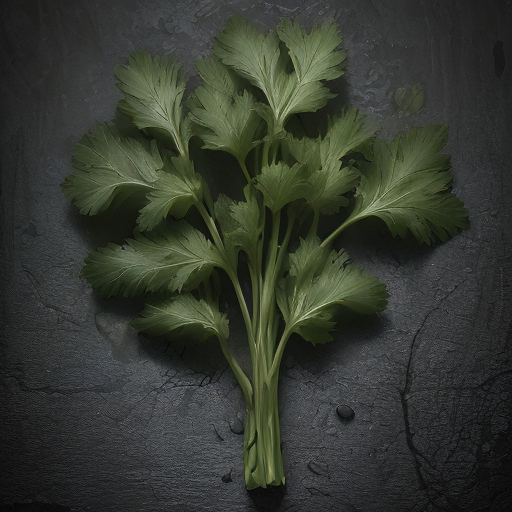
Parsley
In Greek mythology, parsley was associated with death and rebirth, planted on graves to symbolize the cycle of life. Romans used it generously in cooking and as a remedy for hangovers.
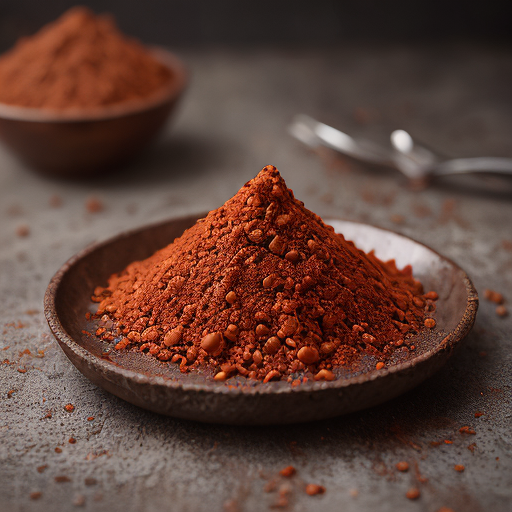
Paprika
Paprika, a emblematic spice brought to Europe by Christopher Columbus from the New World. Although associated with Hungarian cuisine, its origins are in Central America, where it was used by the Aztecs.
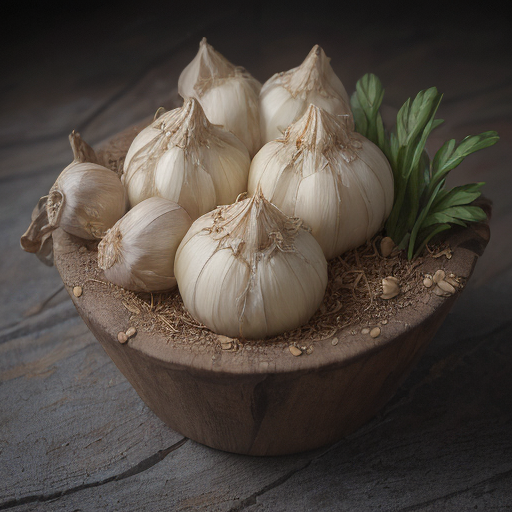
Garlic
Native to Central Asia, garlic was already known in ancient Egypt, where it was given to slaves to boost their strength. In ancient Greece, athletes consumed it before competitions, and in Rome, legionaries considered it essential for courage. During the Middle Ages, it was used to ward off vampires and the plague.
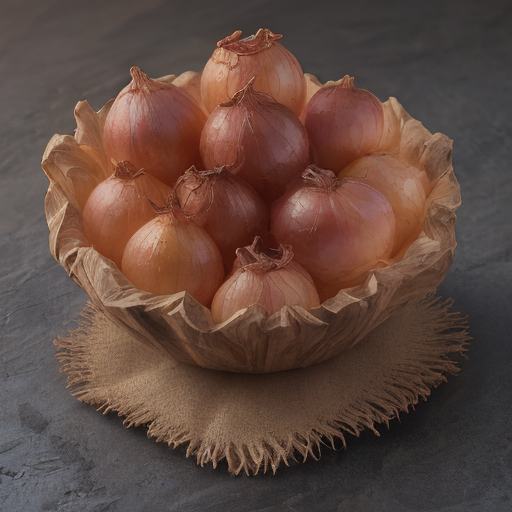
Onion
Probably originating in Central or West Asia, onions were cultivated in ancient Egypt, where they were considered a symbol of eternity and placed in tombs. In ancient Greece, athletes ate them to balance their blood, and in Rome, they were a staple food for soldiers. During the Middle Ages, onions were believed to protect against arrows and the plague.
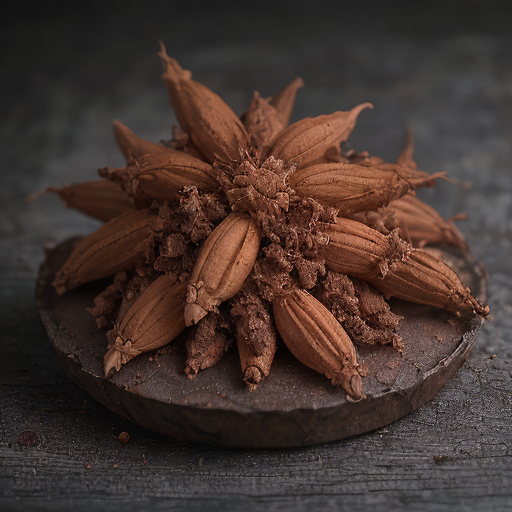
Cloves
Cloves, the dried buds of the exotic Syzygium aromaticum tree, were one of the most prized spices of the ancient world, often called 'aromatic gold'. In the Middle Ages, Venetian merchants controlled the clove trade, bringing them from the Maluku Islands, the only place they grew, and selling them at exorbitant prices in Europe.
You may also like
 Misc
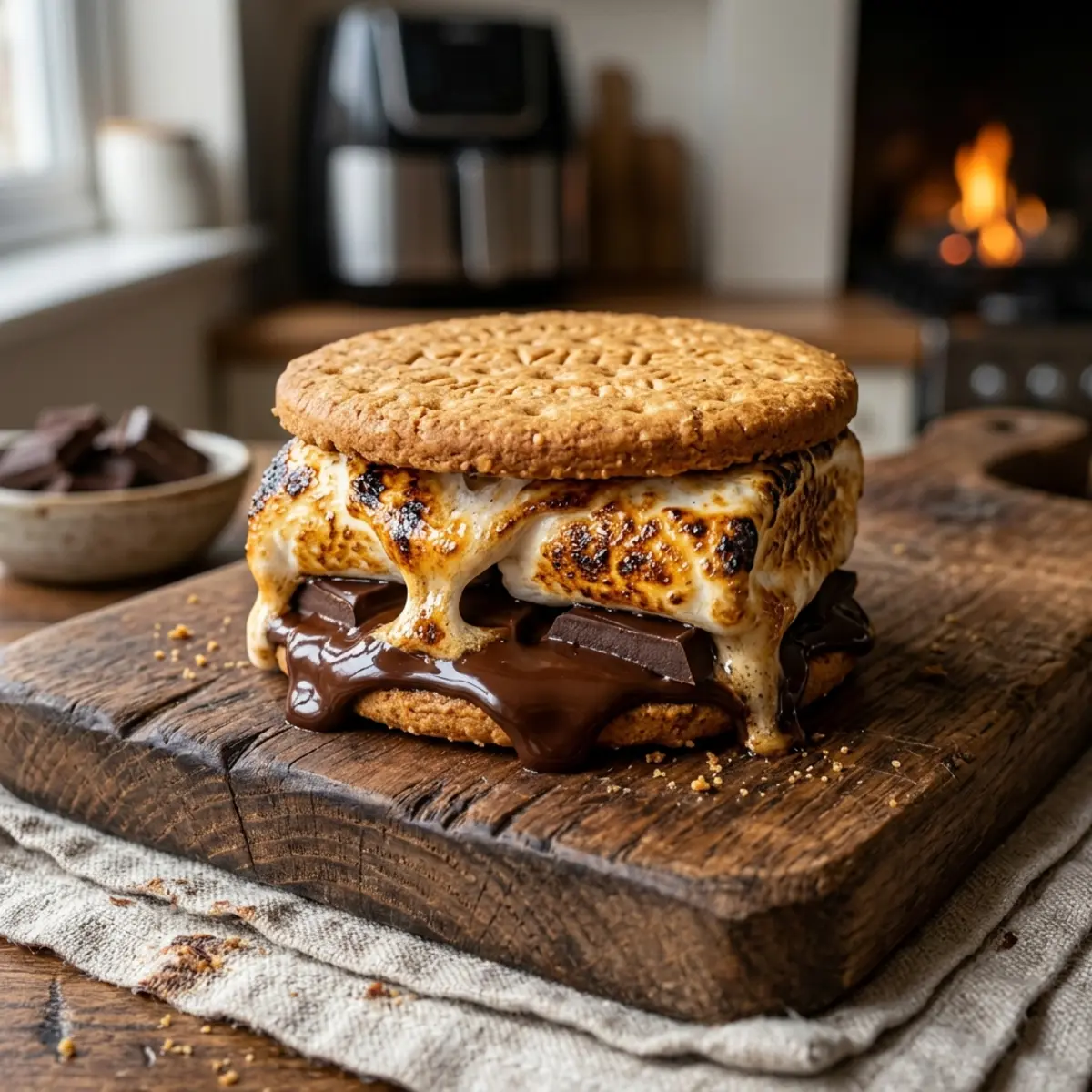
MiscAir Fryer S'mores – Quick Campfire Treat Without Fire
 Misc
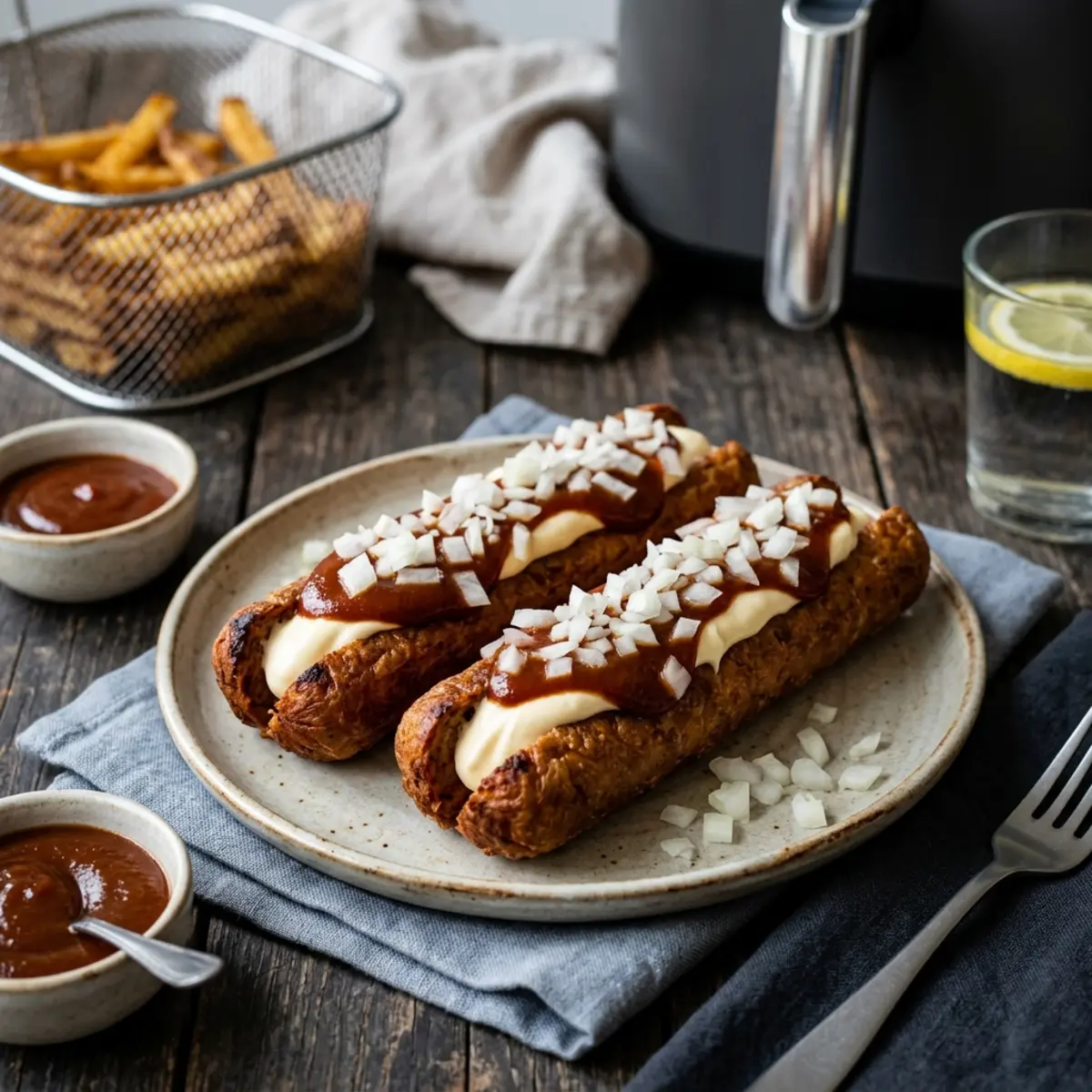
MiscHow to Reheat Frikandellen in Air Fryer: Quick and Crispy Recipe
 Misc
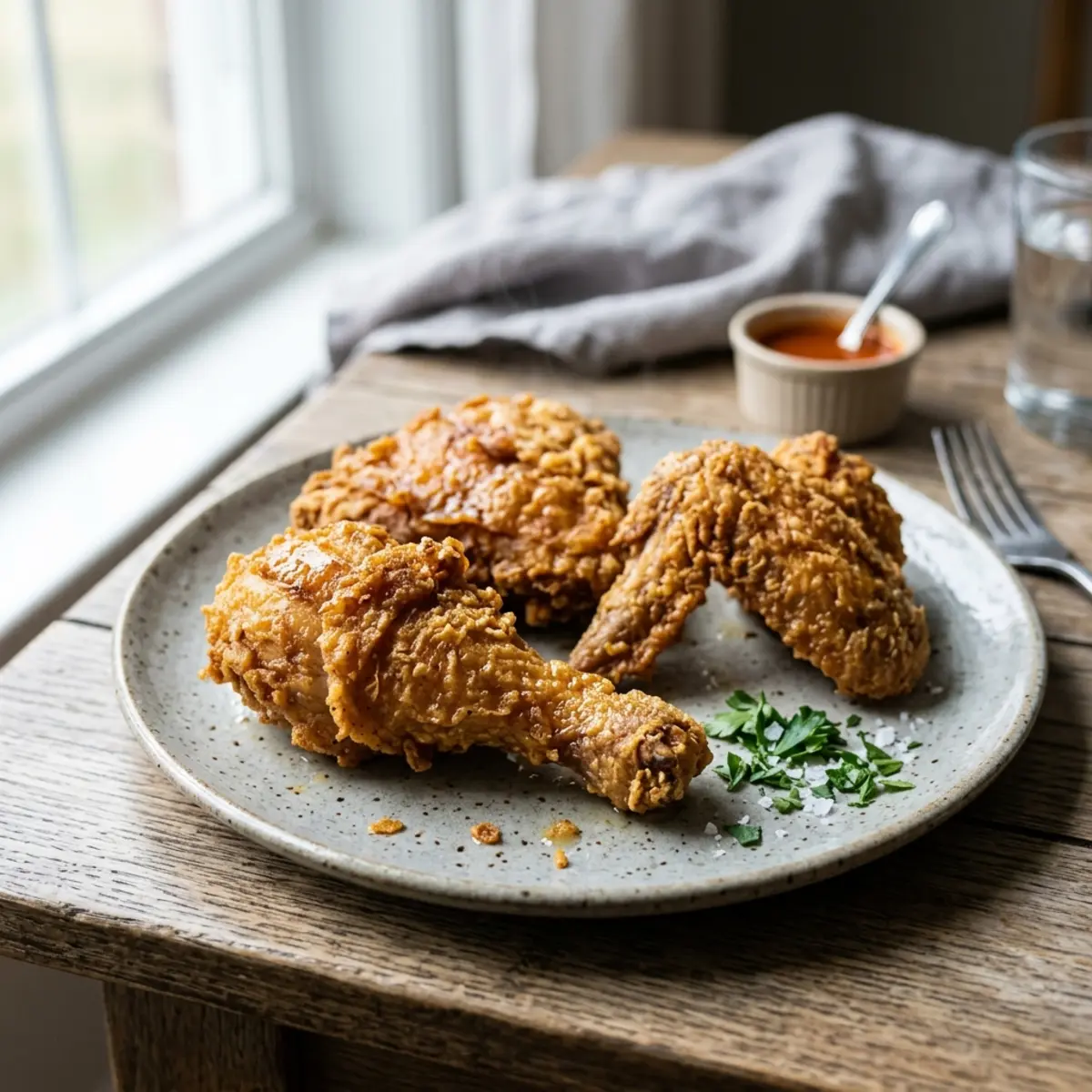
MiscHow to Reheat Chicken in Air Fryer (Crispy and Juicy)
 Misc
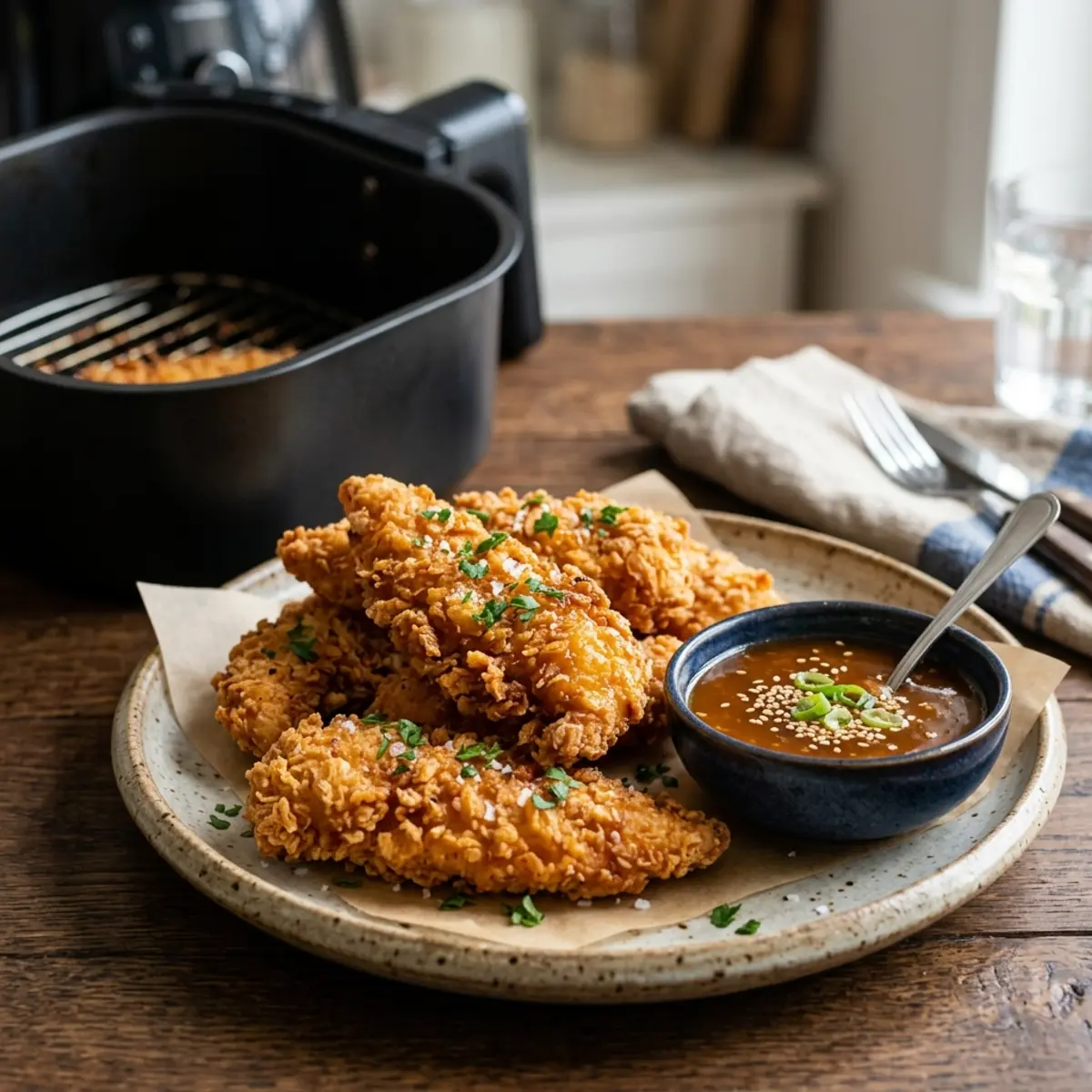
MiscCrispy Reheated Chicken Pieces in Air Fryer
 Misc
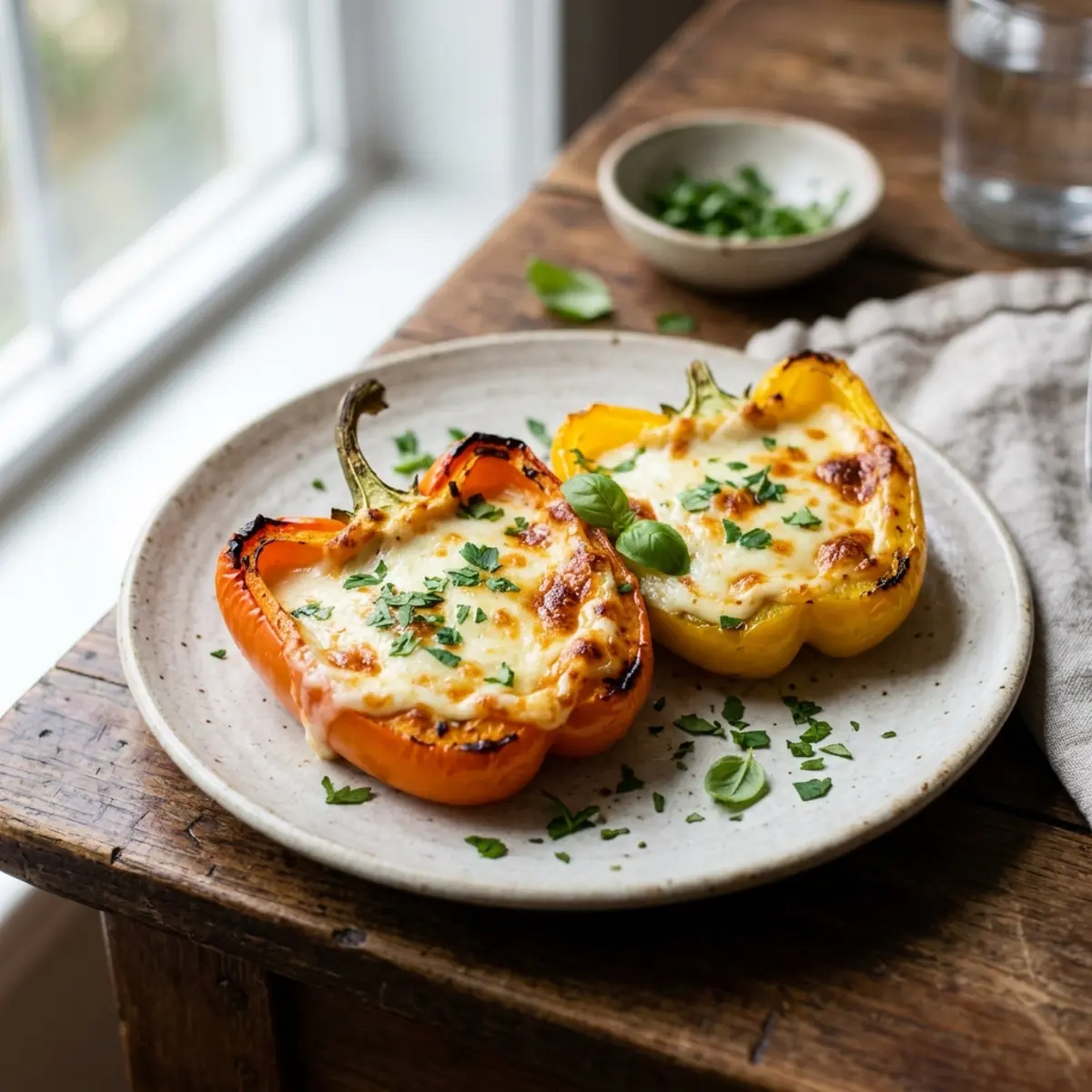
MiscStuffed Bell Pepper with Mozzarella in Air Fryer
 Misc
Misc