Air Fryer Lemon Filled Donuts
These air fryer lemon filled donuts are light, fluffy, and bursting with tangy lemon curd—a quick and easy treat perfect for any occasion.

Steps
- 01
In a bowl, combine 1 tablespoon of sugar, salt, and yeast. Pour in half of the warm milk (about 38°C) and 2 tablespoons of flour. Whisk together. Cover with plastic wrap and let sit for 15 minutes until foamy.
- 02
Mix the remaining flour with the remaining sugar. Add to the yeast mixture along with vanilla paste and egg. Knead until you have a soft, slightly sticky dough. Avoid adding too much extra flour.
- 03
Cover the bowl with plastic wrap and let rise in a warm place for 40-60 minutes, until doubled in size.
- 04
On a lightly floured surface, roll the dough to 2.5 cm (1 inch) thickness. Cut into circles about 5 cm (2 inches) in diameter using a cutter or glass. You should get 8-10 pieces.
- 05
Cover the donuts with plastic wrap and let them rise another 20 minutes.
- 06
Preheat the air fryer to 193°C (380°F). Spray the basket with olive oil and place the donuts inside. Cook for 4 minutes on one side, then flip and cook another 3-4 minutes until golden brown.
- 07
Let the donuts cool slightly. Fill a piping bag fitted with a round tip with lemon curd. Poke a hole in the side of each donut and fill with lemon curd.
- 08
Dust with powdered sugar and serve.
Recipe story
These lemon-filled doughnuts trace their origins to the lavish banquets of the Ottoman Empire, where sultans delighted in delicate, citrus-infused pastries. Romanian cooks later adapted the recipe, swapping heavy syrups for a bright lemon curd, creating a dessert that graced the tables of boyar families during festive gatherings. Now reinvented in the air fryer, they offer the same airy, golden lightness and tangy surprise, bridging centuries of tradition with modern convenience.
Ingredient Secrets
Discover the culinary secrets and flavor history of key ingredients in this dish.
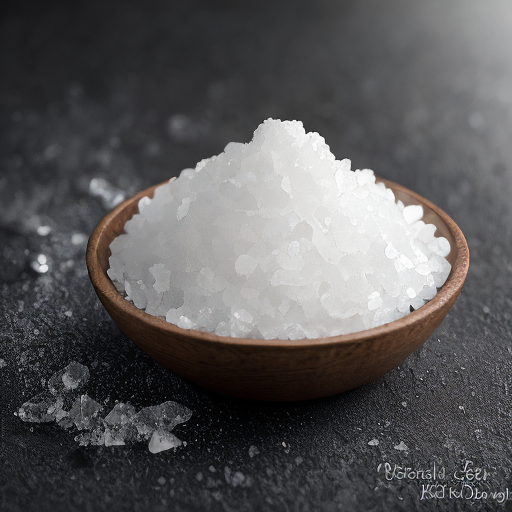
Sea salt
Sea salt, extracted from ocean waters by evaporation, was one of the most precious goods of antiquity, used both as food and as currency. In ancient Rome, soldiers were paid with salt, which is the origin of the word 'salary'. Salt roads connected entire civilizations, and in the Middle Ages, salt was so valuable it was called 'white gold'.
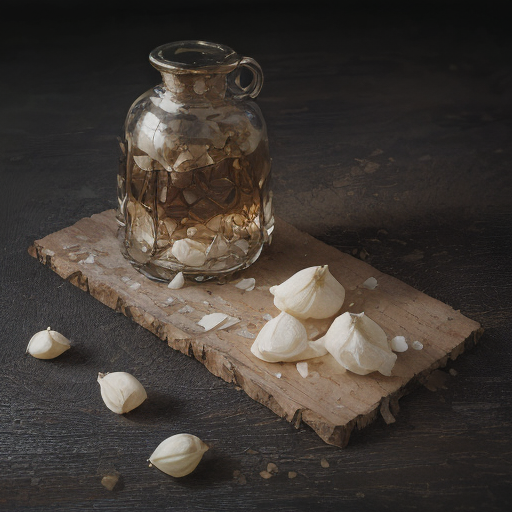
Vanilla
Vanilla, native to Mexico, was discovered by Spanish conquistadors who brought it to Europe in the 16th century. In Aztec culture, vanilla was used to flavor a royal cocoa drink. For centuries, hand-pollination was a closely guarded secret, and it wasn't until 1841 that a 12-year-old slave on Réunion discovered the method that allowed widespread cultivation.
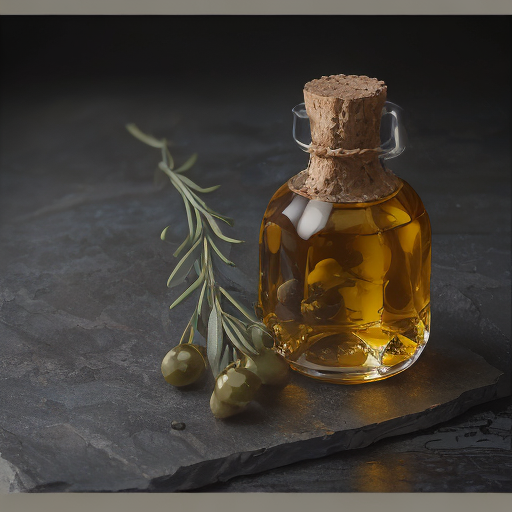
Olive oil
Originating in the Mediterranean basin, olive oil was already produced in ancient Crete 5,000 years ago. In ancient Greece, it was considered a gift from Athena and used in lamps, cosmetics, and religious ceremonies. The Romans spread it throughout the empire, and in the Middle Ages, monasteries preserved the tradition of its production.
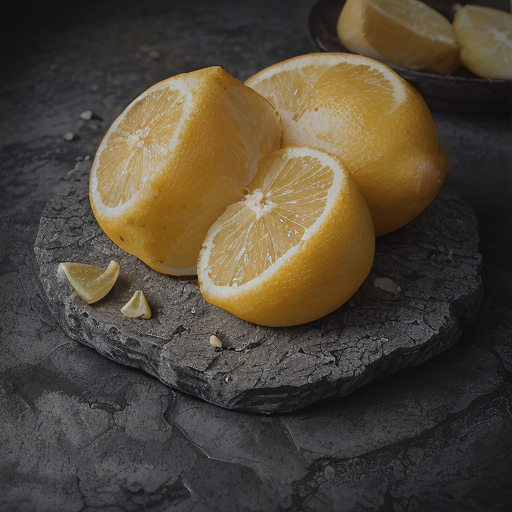
Lemon
The lemon is an ancient hybrid between citron and bitter orange, likely originating in northern India or China. In the Middle Ages, lemons were so valuable that they were given as gifts to kings. Fun fact: during the Gold Rush, British sailors were given lemons to prevent scurvy, leading to the nickname 'limey'.
You may also like
 Misc
MiscAir Fryer S'mores – Quick Campfire Treat Without Fire
 Misc
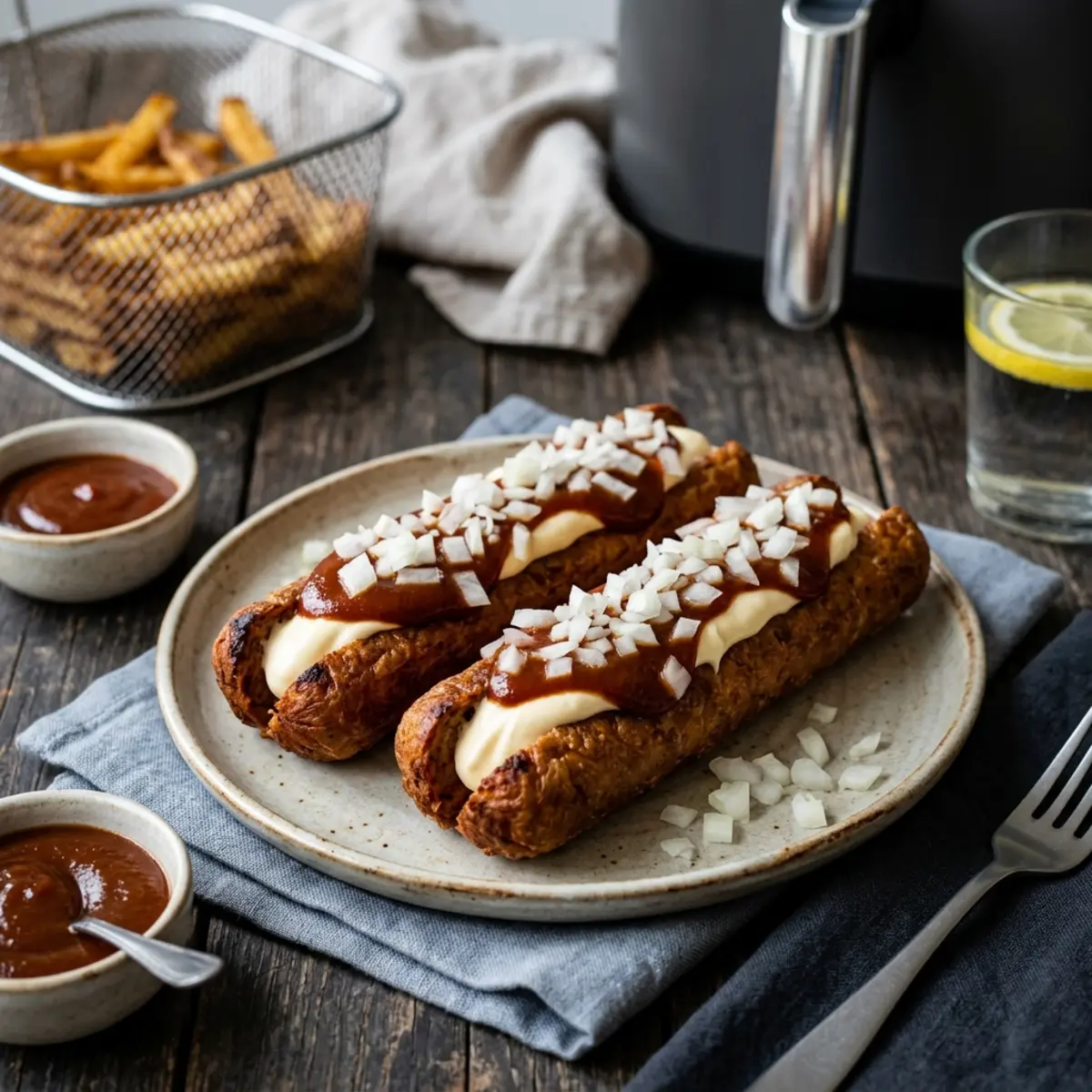
MiscHow to Reheat Frikandellen in Air Fryer: Quick and Crispy Recipe
 Misc
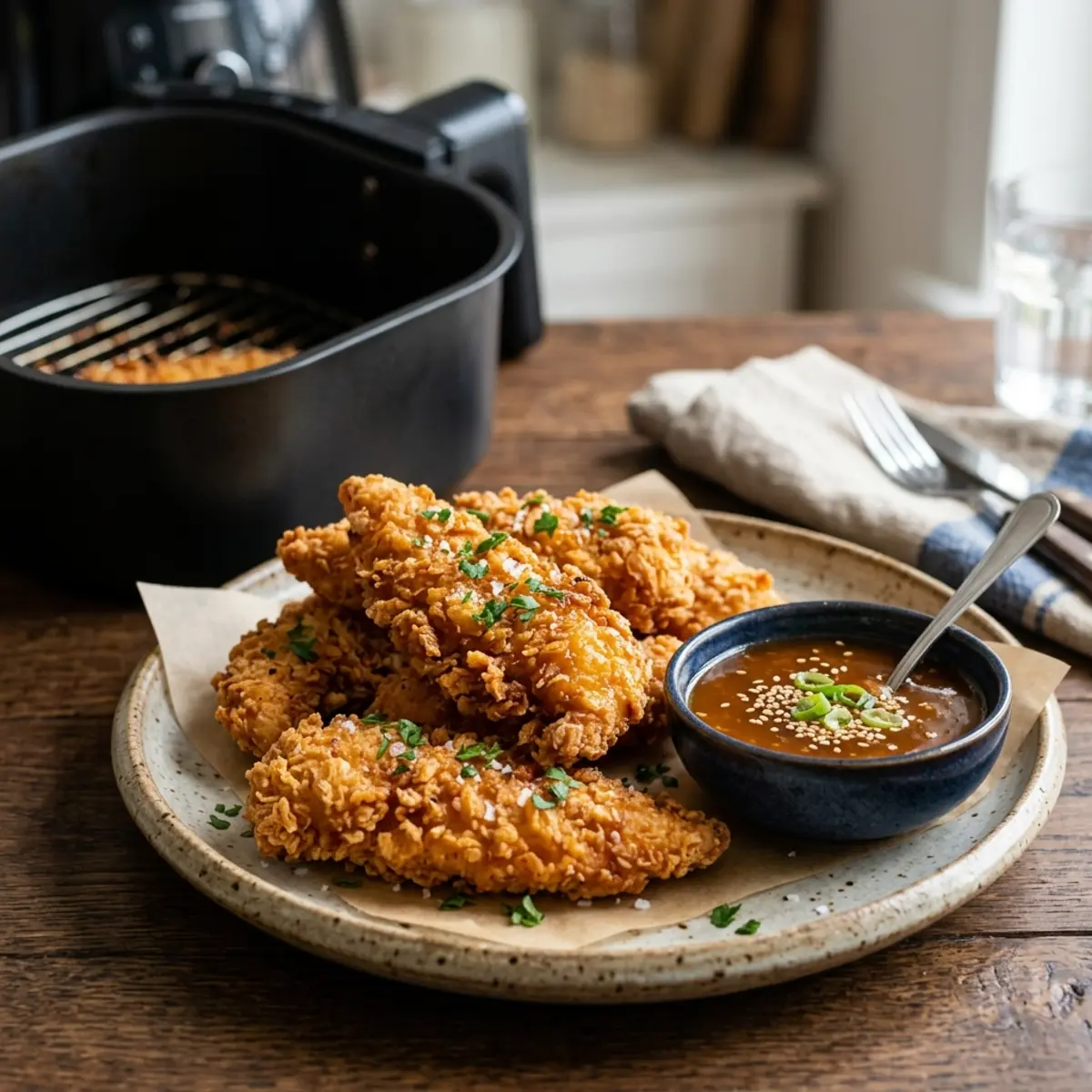
MiscHow to Reheat Chicken in Air Fryer (Crispy and Juicy)
 Misc
MiscCrispy Reheated Chicken Pieces in Air Fryer
 Misc
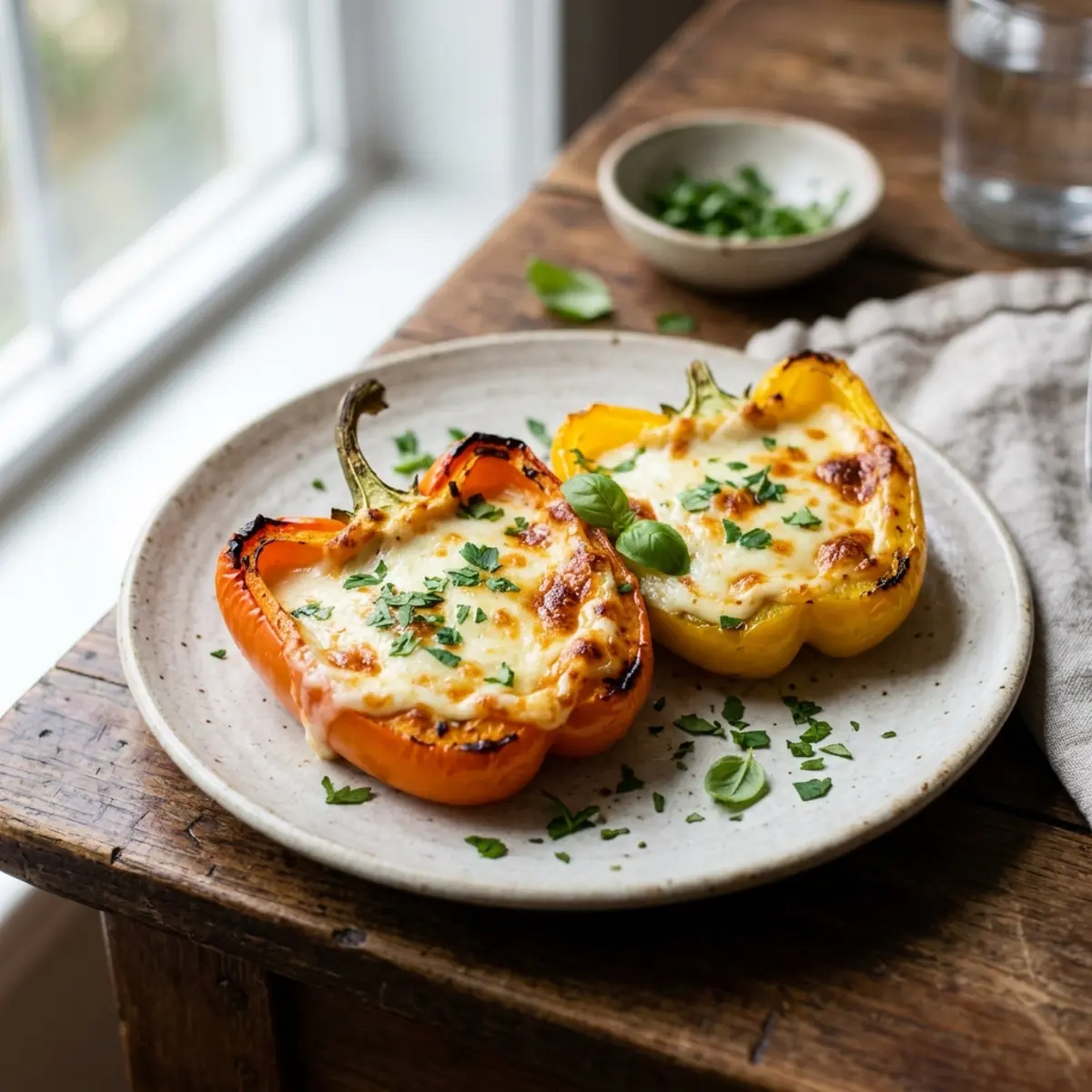
MiscStuffed Bell Pepper with Mozzarella in Air Fryer
 Misc
Misc