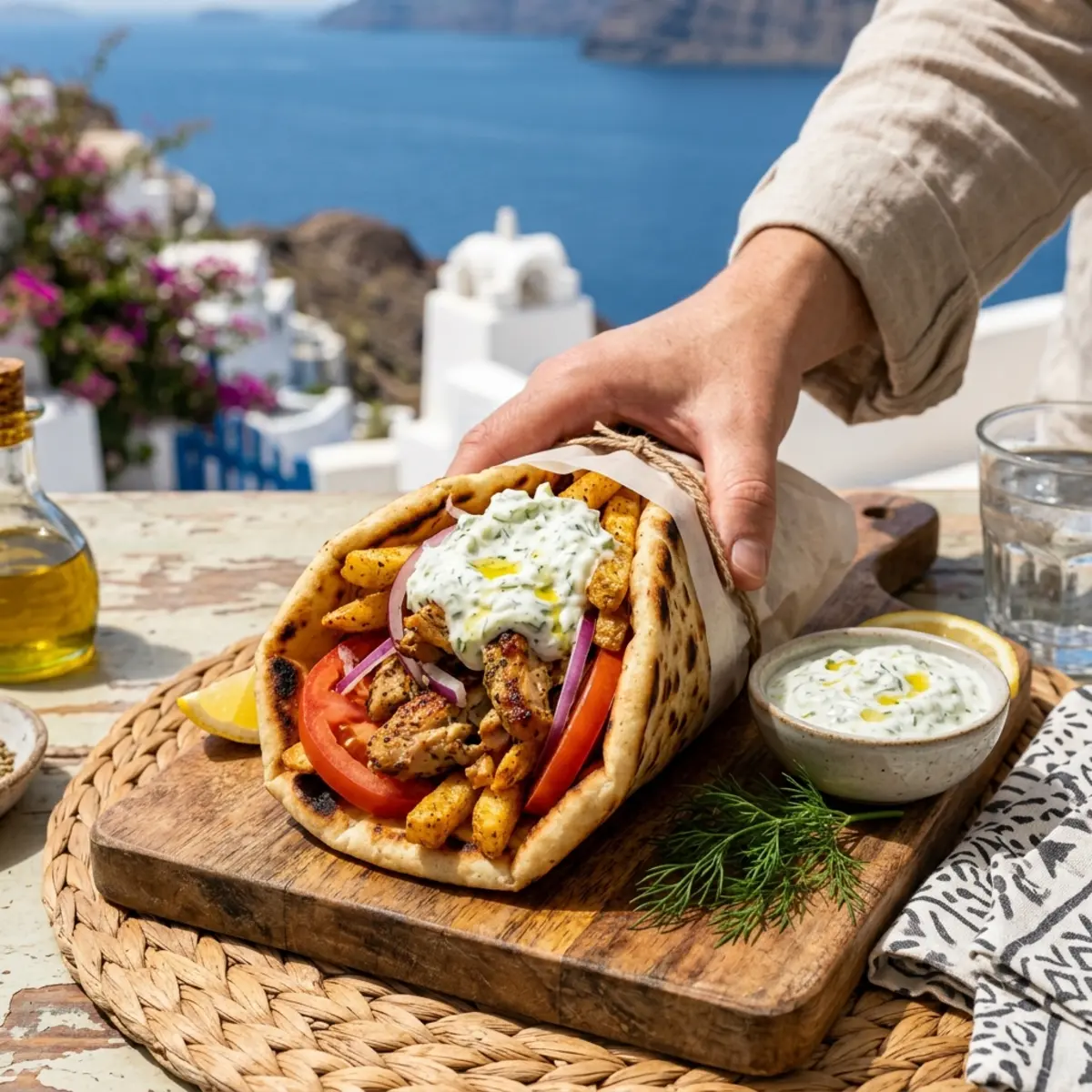
Air Fryer Greek Chicken Gyros with Homemade Tzatziki
Quick and flavorful air fryer Greek chicken gyros with crispy potatoes and creamy homemade tzatziki, perfect for a weeknight dinner.
Steps
- 01
Marinate the chicken thighs with garlic, dried herbs, lemon juice, olive oil, salt, and pepper. Let it sit for at least 20 minutes.
- 02
Cut the potatoes into 1 cm (½ inch) thick sticks. Toss them with a little olive oil, salt, and pepper.
- 03
Place the potato sticks in one basket of the air fryer and thread the marinated chicken onto skewers in the other basket. Cook at 200°C (390°F) for 16 minutes, turning everything over halfway through.
- 04
While the chicken and potatoes cook, make the tzatziki: combine Greek yogurt with grated cucumber (squeeze out excess water), a pinch of garlic, a squeeze of lemon juice, salt, and pepper.
- 05
Toast the flatbread lightly. Spread tzatziki on it, then top with sliced chicken, crispy potatoes, sliced tomato, red onion, and fresh parsley. Roll up and serve immediately.
Recipe story
In the heart of ancient Greece, where gods watched from Mount Olympus, tender chicken and golden potatoes were considered gifts of Demeter, while the thick yogurt, the predecessor of tzatziki, was an elixir of longevity. Legend has it that this combination was savored at royal banquets in Byzantium, where meat wrapped in flatbread symbolized journey and abundance. Today, the air fryer brings the same smoky, crispy essence, transforming a busy weeknight dinner into a feast worthy of a king, without losing the authentic spirit of the Athenian streets.
Ingredient Secrets
Discover the culinary secrets and flavor history of key ingredients in this dish.
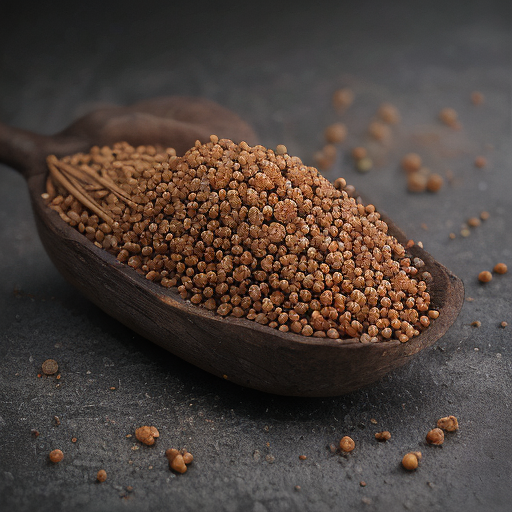
Black pepper
Known as 'black gold' in antiquity, pepper was so valuable that it served as currency and tribute. In the Middle Ages, Venetian merchants controlled the pepper trade, and individual peppercorns were often counted. Legend has it that when Alaric, king of the Visigoths, demanded tribute from Rome, he included 3,000 pounds of pepper.
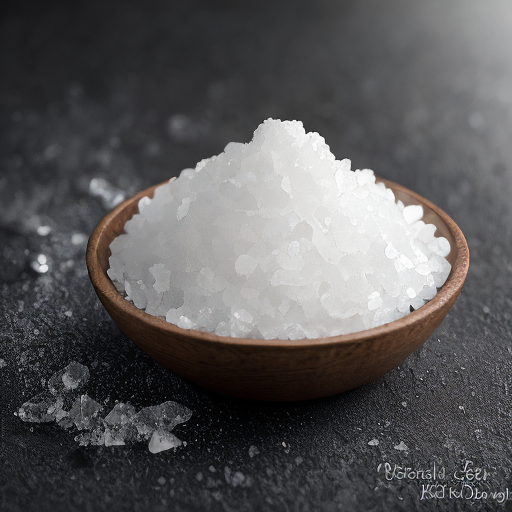
Sea salt
Sea salt, extracted from ocean waters by evaporation, was one of the most precious goods of antiquity, used both as food and as currency. In ancient Rome, soldiers were paid with salt, which is the origin of the word 'salary'. Salt roads connected entire civilizations, and in the Middle Ages, salt was so valuable it was called 'white gold'.
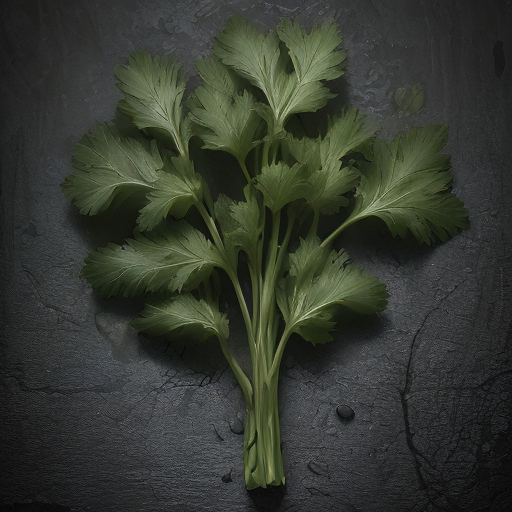
Parsley
In Greek mythology, parsley was associated with death and rebirth, planted on graves to symbolize the cycle of life. Romans used it generously in cooking and as a remedy for hangovers.
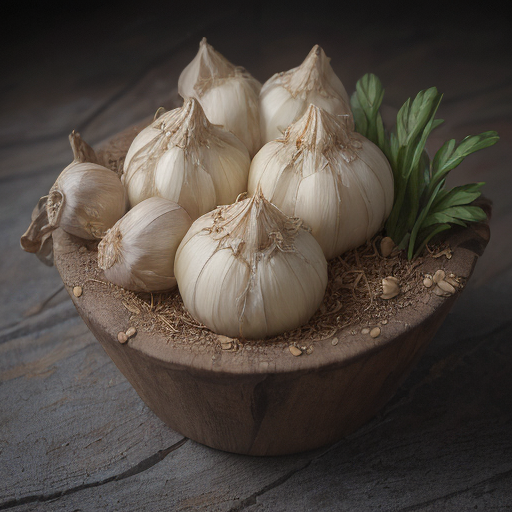
Garlic
Native to Central Asia, garlic was already known in ancient Egypt, where it was given to slaves to boost their strength. In ancient Greece, athletes consumed it before competitions, and in Rome, legionaries considered it essential for courage. During the Middle Ages, it was used to ward off vampires and the plague.
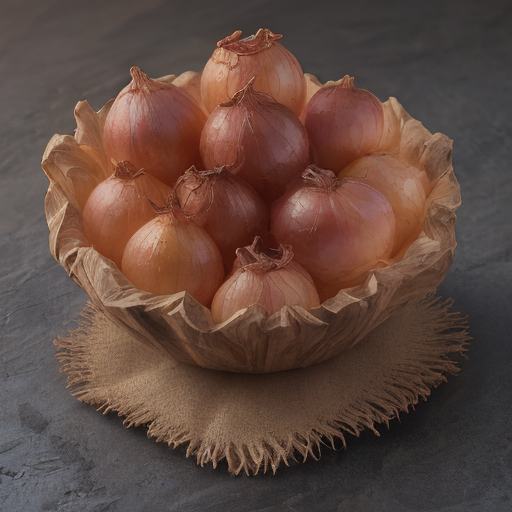
Onion
Probably originating in Central or West Asia, onions were cultivated in ancient Egypt, where they were considered a symbol of eternity and placed in tombs. In ancient Greece, athletes ate them to balance their blood, and in Rome, they were a staple food for soldiers. During the Middle Ages, onions were believed to protect against arrows and the plague.
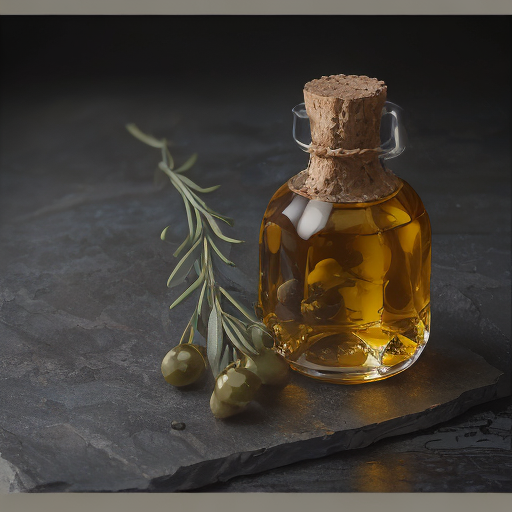
Olive oil
Originating in the Mediterranean basin, olive oil was already produced in ancient Crete 5,000 years ago. In ancient Greece, it was considered a gift from Athena and used in lamps, cosmetics, and religious ceremonies. The Romans spread it throughout the empire, and in the Middle Ages, monasteries preserved the tradition of its production.
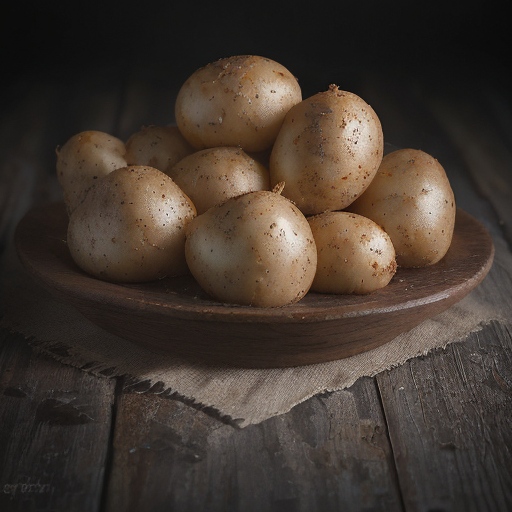
Potato
Although today it seems indispensable on the table, the potato was long viewed with suspicion in Europe. Arriving from the Andes in the 16th century, it was considered a diabolical plant, even poisonous, due to its toxic leaves and fruits. It wasn't until the 18th century, thanks to promoters like Antoine-Augustin Parmentier, that the potato became a staple food, saving Europe from famine.
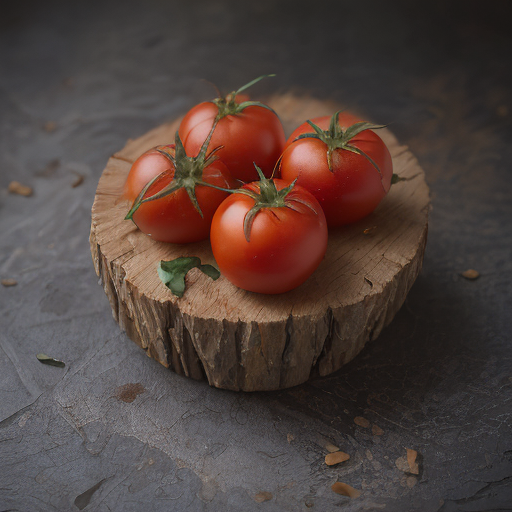
Tomato
Although today the tomato is indispensable in global cuisine, it was long viewed with suspicion in Europe, considered a toxic ornamental plant. It wasn't until the 19th century that Italian immigrants popularized it in the United States, turning it into an iconic ingredient of Mediterranean cuisine. Native to South America, the tomato was domesticated in Mexico and brought to Europe by Spanish conquistadors.
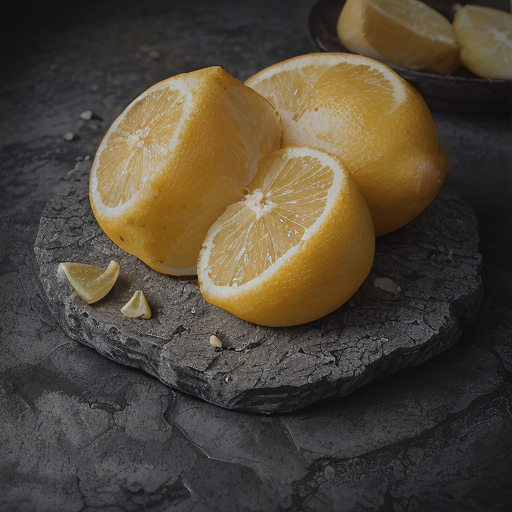
Lemon
The lemon is an ancient hybrid between citron and bitter orange, likely originating in northern India or China. In the Middle Ages, lemons were so valuable that they were given as gifts to kings. Fun fact: during the Gold Rush, British sailors were given lemons to prevent scurvy, leading to the nickname 'limey'.
You may also like
 Chicken
Air Fryer Caesar Salad with Chicken – Quick and Crispy Recipe
 Chicken
Crispy Air Fryer Chicken Breast
 Chicken
Air Fryer Chicken Breast – Quick 17-Minute Recipe
 Chicken
Crispy Orange Chicken in Air Fryer
 Chicken
Air Fryer Chicken Breast: Juicy and Buttery in 20 Minutes
 Chicken