Air Fryer Duck Breast with Sweet and Savory Glaze
A succulent duck breast recipe cooked in an air fryer, with a sweet and savory glaze made from soy sauce and honey.
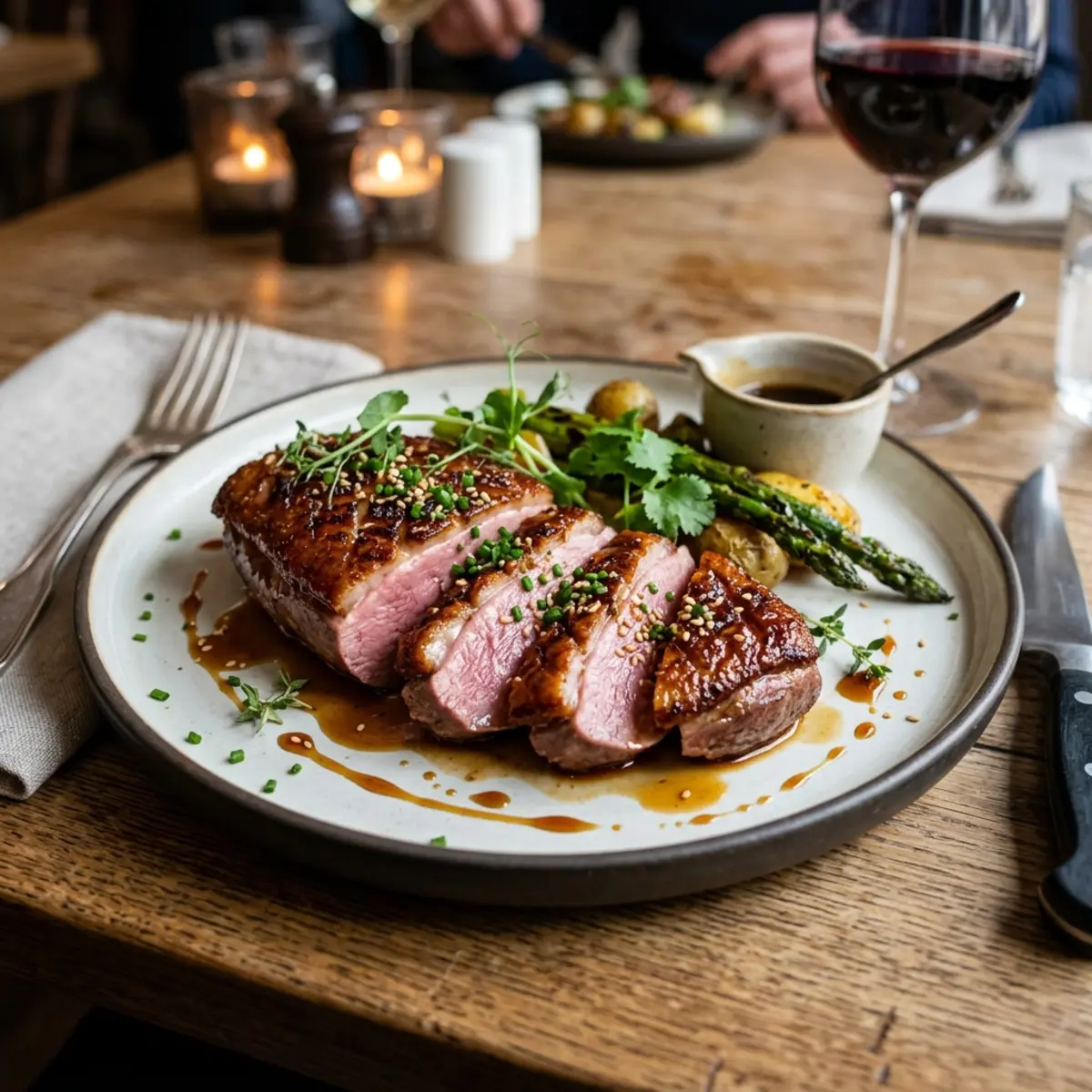
Steps
- 01
Let duck breasts come to room temperature for 30 minutes, then pat dry thoroughly with paper towels.
- 02
Score the skin in a crosshatch pattern. In a small bowl, mix soy sauce, honey, lemon juice, and grated ginger. Place duck breasts in the marinade, turning to coat, and marinate for 30 minutes.
- 03
Remove duck from marinade and season all sides with salt, black pepper, and garlic powder.
- 04
Preheat air fryer to 200°C (400°F) for 3 minutes.
- 05
Place duck breasts skin-side up in the air fryer basket. Cook for 10–15 minutes, checking internal temperature near the end.
- 06
Recommended internal temperature: 74°C (165°F) for well done, or 57–63°C (135–145°F) for medium.
- 07
Remove duck from air fryer and let rest for 5 minutes before slicing.
- 08
Serve with steamed vegetables or a green salad.
Recipe story
Duck breast is a prized delicacy in French cuisine, where ducks are raised for their tender and flavorful meat. In East Asian regions like China, roast duck is an iconic dish, and the combination of sweet and savory flavors is typical of Asian cooking. This recipe blends the modern technique of the air fryer with international culinary tradition.
Ingredient Secrets
Discover the culinary secrets and flavor history of key ingredients in this dish.
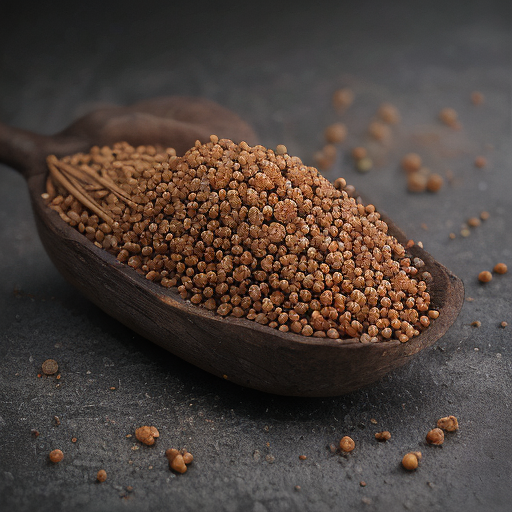
Black pepper
Known as 'black gold' in antiquity, pepper was so valuable that it served as currency and tribute. In the Middle Ages, Venetian merchants controlled the pepper trade, and individual peppercorns were often counted. Legend has it that when Alaric, king of the Visigoths, demanded tribute from Rome, he included 3,000 pounds of pepper.
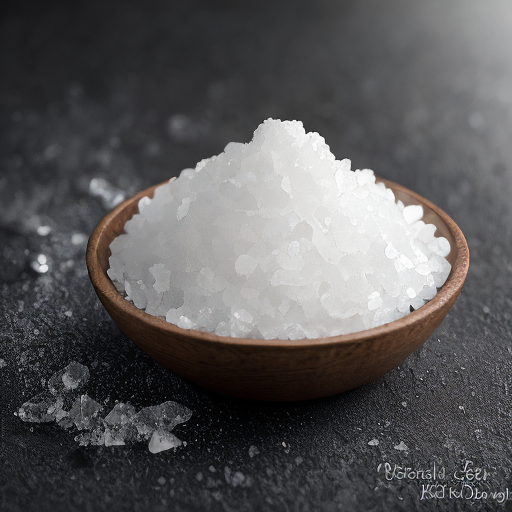
Sea salt
Sea salt, extracted from ocean waters by evaporation, was one of the most precious goods of antiquity, used both as food and as currency. In ancient Rome, soldiers were paid with salt, which is the origin of the word 'salary'. Salt roads connected entire civilizations, and in the Middle Ages, salt was so valuable it was called 'white gold'.
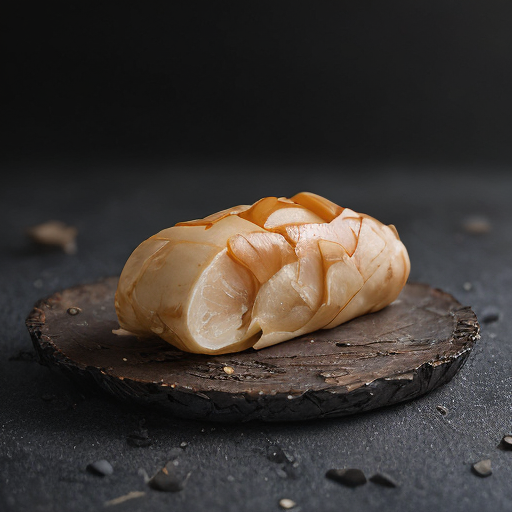
Ginger
Ginger, known since antiquity, was one of the first spices brought along the Silk Road, so precious that a kilogram of ginger was worth a sheep in medieval Europe.
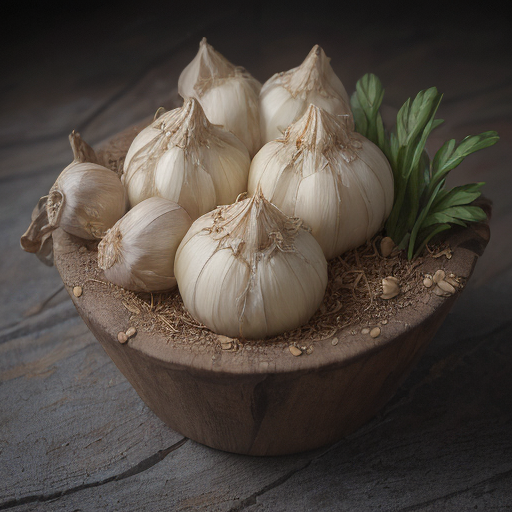
Garlic
Native to Central Asia, garlic was already known in ancient Egypt, where it was given to slaves to boost their strength. In ancient Greece, athletes consumed it before competitions, and in Rome, legionaries considered it essential for courage. During the Middle Ages, it was used to ward off vampires and the plague.
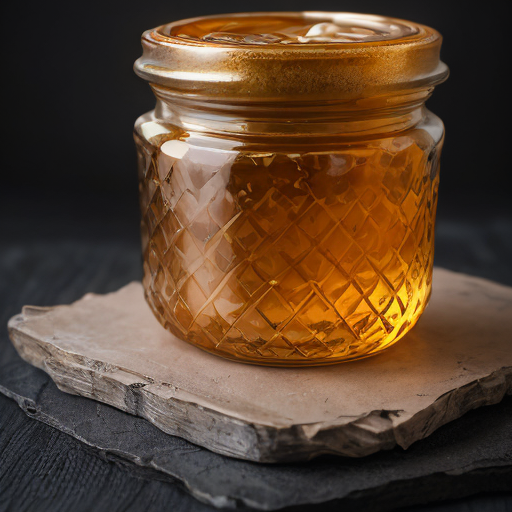
Honey
Honey is one of the oldest sweet foods, used since the Stone Age. In ancient Egypt, it was offered to the gods and used in embalming. In ancient Greece, it was considered the food of the gods, and in Rome, it was used as medicine and preservative. During the Middle Ages, honey was the main sweetener in Europe before sugar.
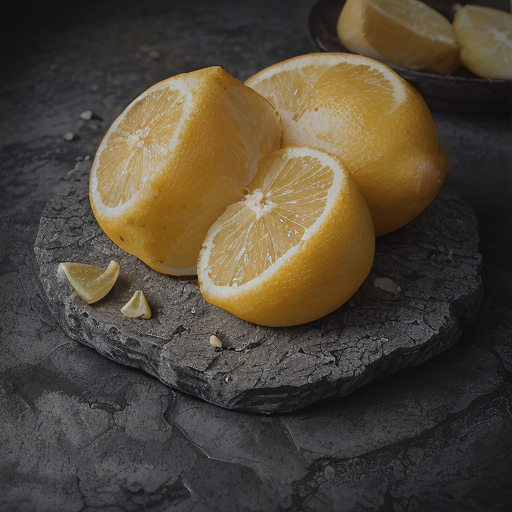
Lemon
The lemon is an ancient hybrid between citron and bitter orange, likely originating in northern India or China. In the Middle Ages, lemons were so valuable that they were given as gifts to kings. Fun fact: during the Gold Rush, British sailors were given lemons to prevent scurvy, leading to the nickname 'limey'.
You may also like
 Chicken
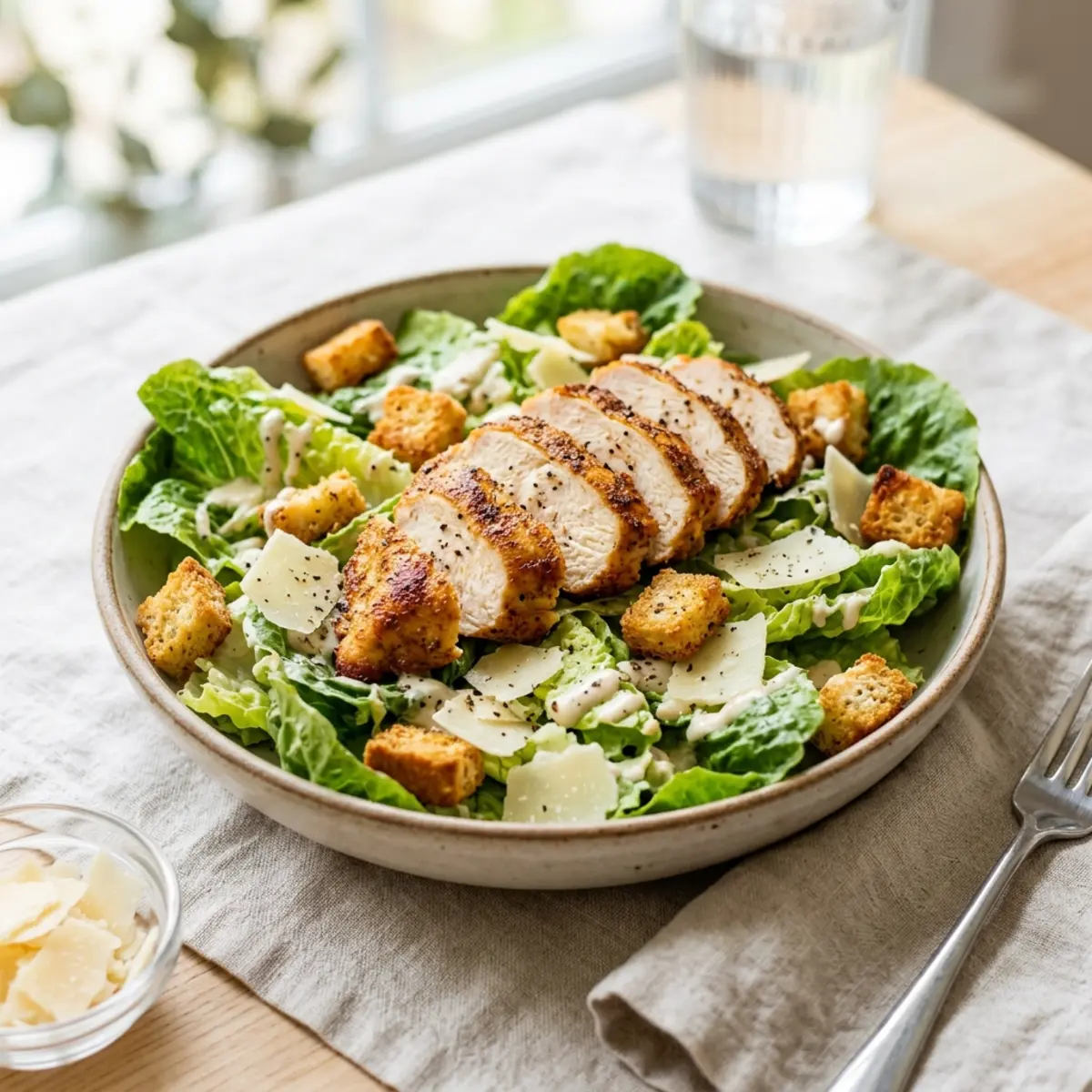
Air Fryer Caesar Salad with Chicken – Quick and Crispy Recipe
 Chicken
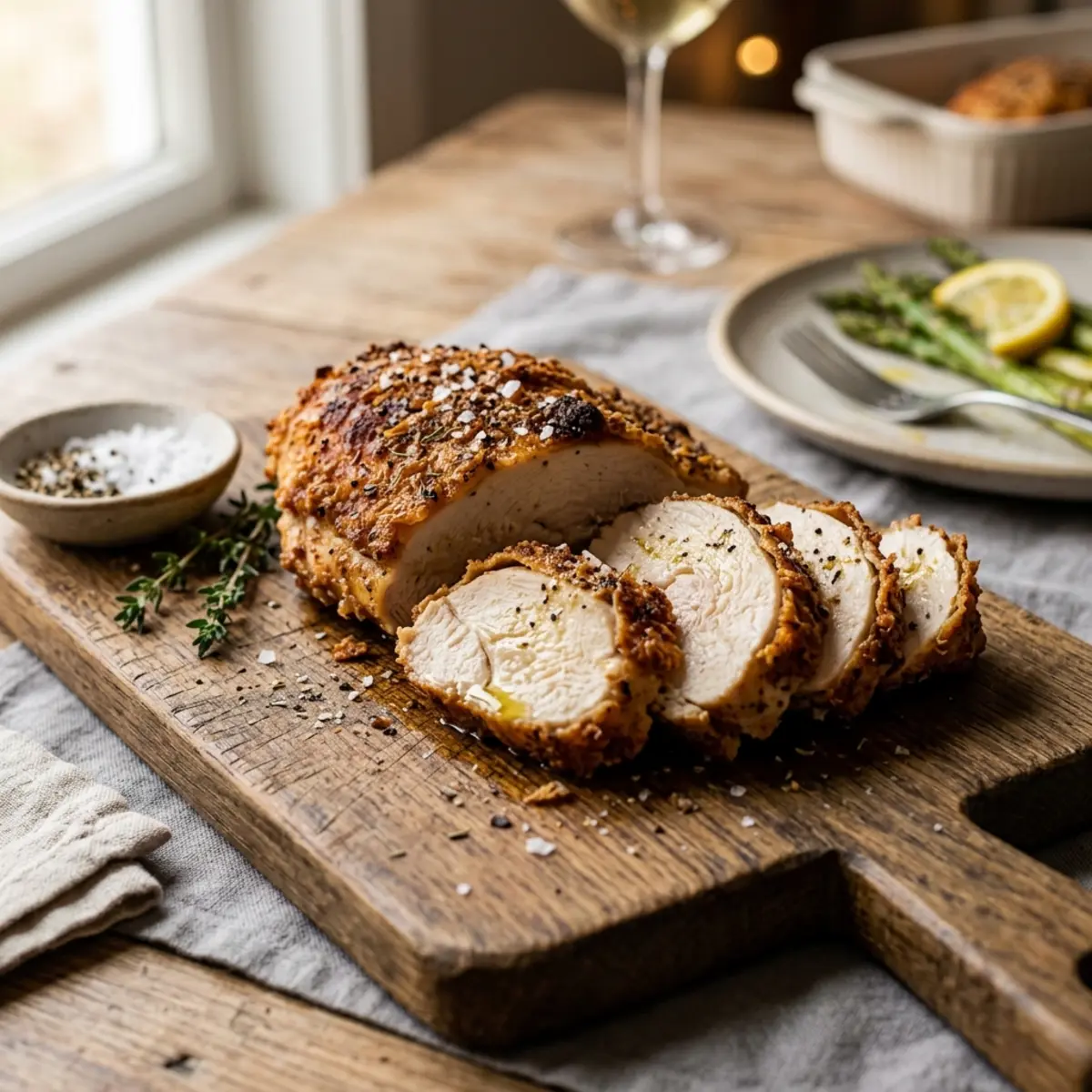
Crispy Air Fryer Chicken Breast
 Chicken
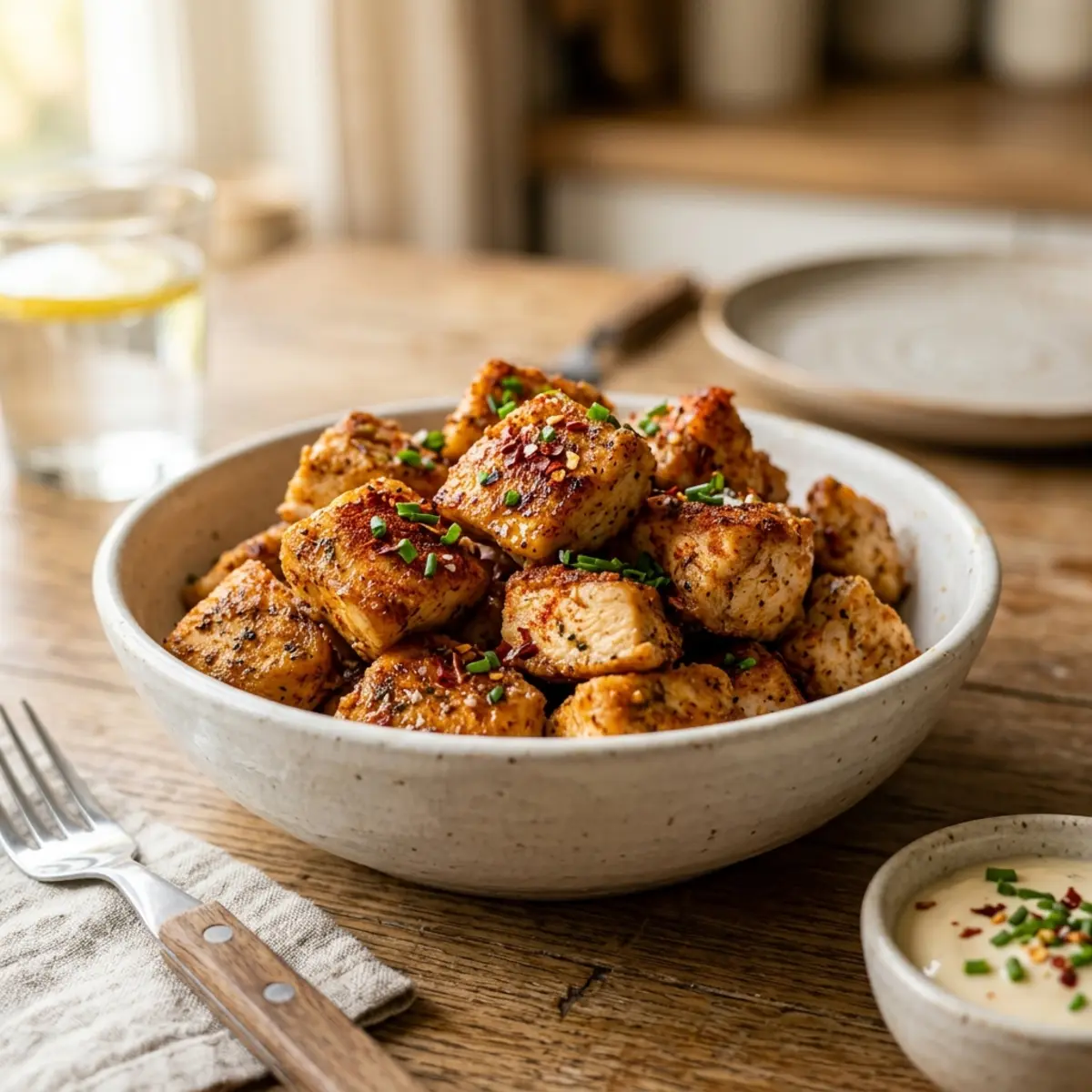
Air Fryer Chicken Breast – Quick 17-Minute Recipe
 Chicken
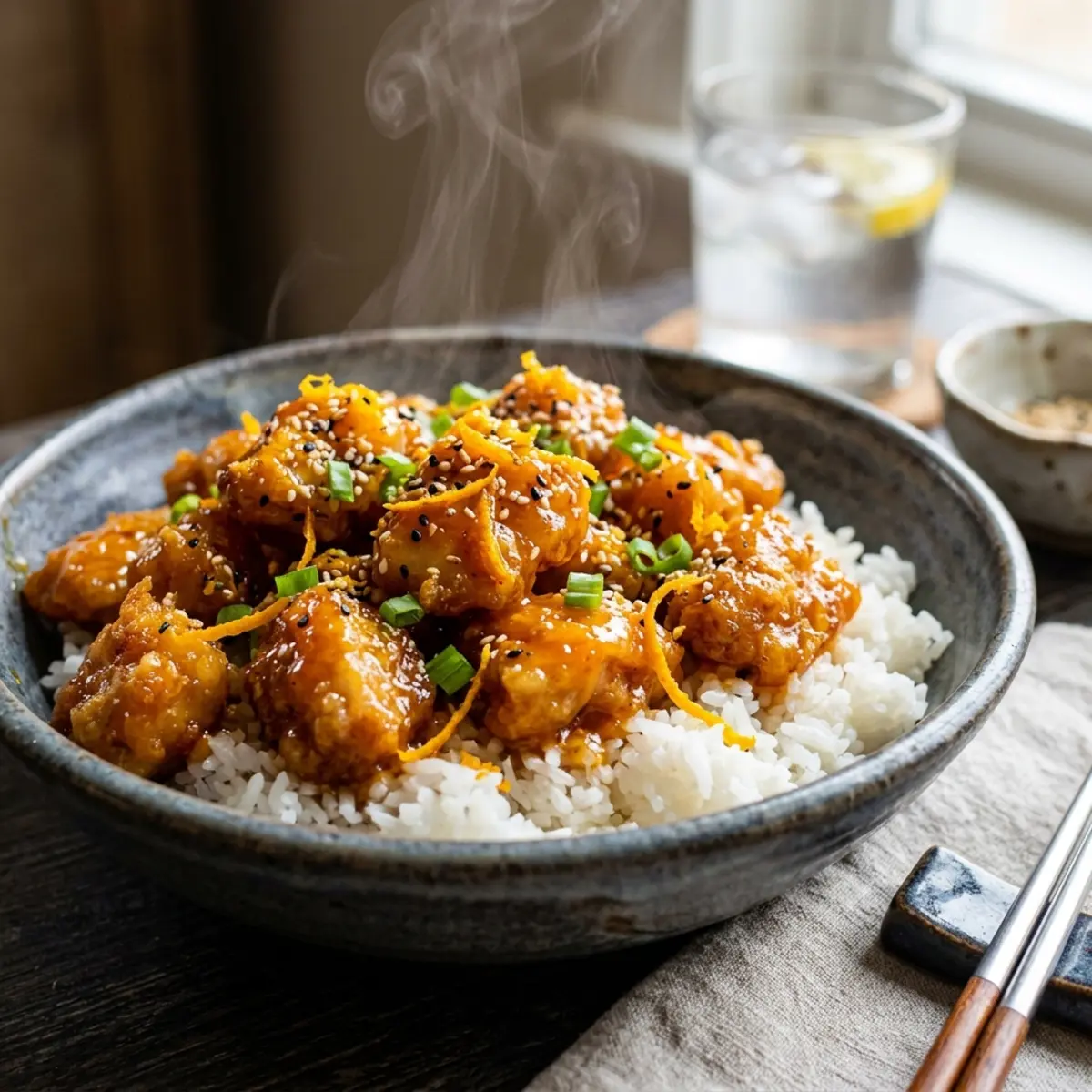
Crispy Orange Chicken in Air Fryer
 Chicken
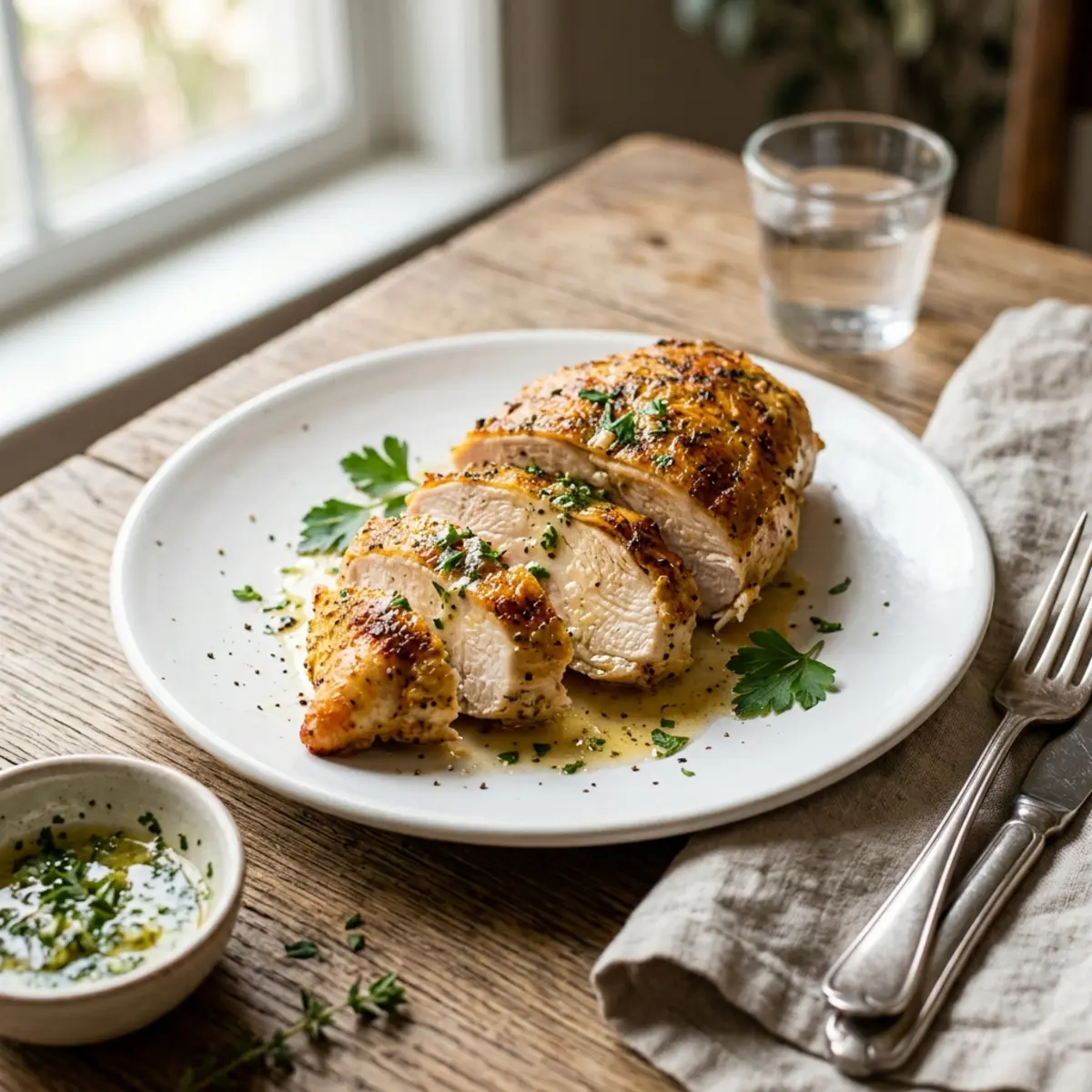
Air Fryer Chicken Breast: Juicy and Buttery in 20 Minutes
 Chicken