Air Fryer Duck Breast – Crispy Skin, Juicy Meat
A quick and delicious dish with crispy skin and juicy meat, cooked in the air fryer.
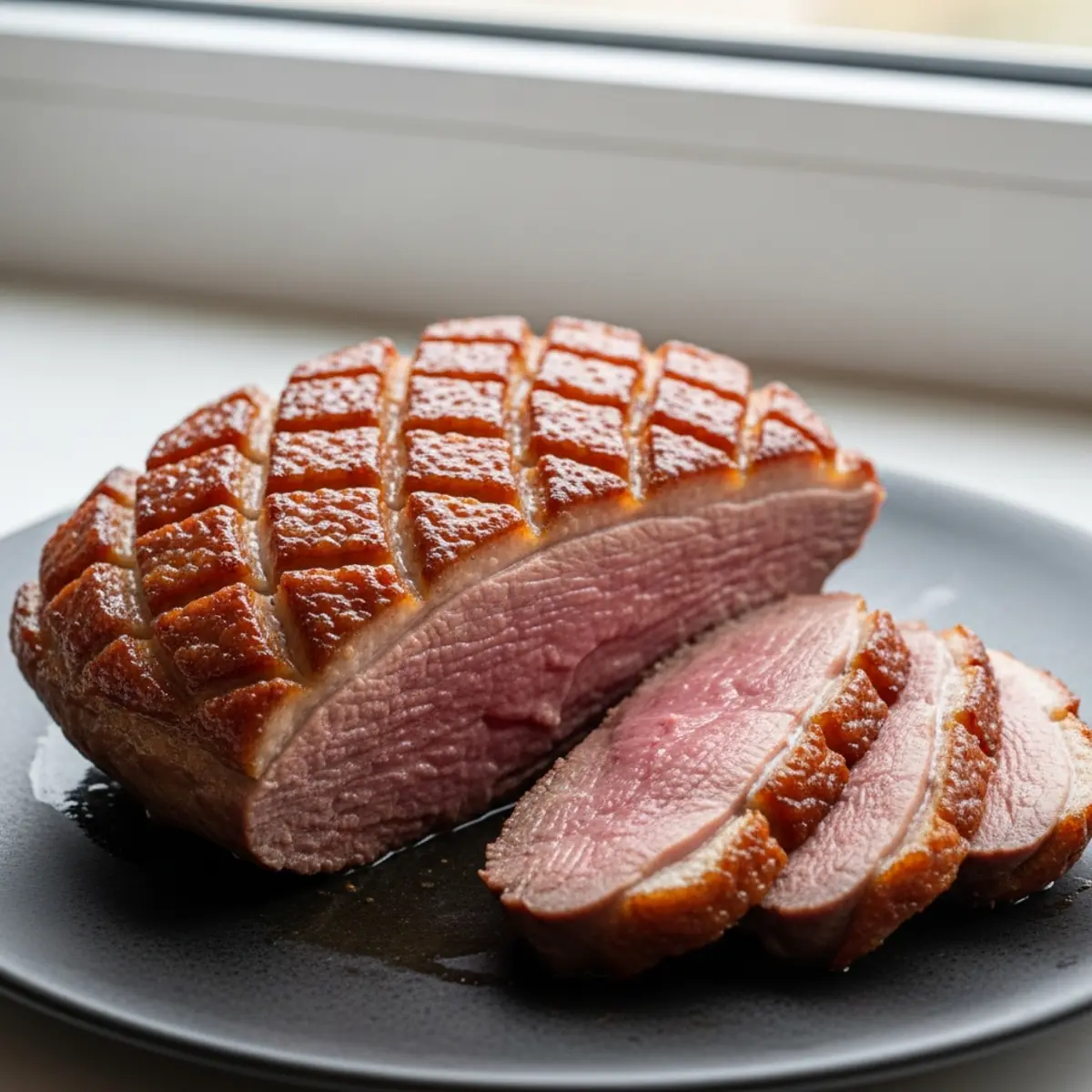
Steps
- 01
Remove duck breast from packaging and pat dry with paper towels.
- 02
Sprinkle salt, pepper, garlic powder, and paprika on one side, then gently massage the spices in.
- 03
Turn the breast over and repeat seasoning on the other side.
- 04
Place duck breast in the air fryer basket with skin side up (no preheating needed).
- 05
Set air fryer to 200°C (400°F) and cook for 15 minutes.
- 06
Check internal temperature with a meat thermometer; it should reach at least 74°C (165°F).
- 07
If not fully cooked, cook for another 2-3 minutes.
- 08
Let duck breast rest for 2-3 minutes before slicing thinly.
- 09
No oil needed – duck skin releases enough fat to create a perfect crispy crust.
Recipe story
In the noble cuisine of 17th-century France, duck breast was considered a symbol of refinement, cooked carefully to keep the meat juicy and the skin crispy. Legend has it that a chef of King Louis XIV accidentally discovered that high heat and short cooking time produced the best texture. Over time, the recipe spread worldwide, adapted to different cooking methods. Today, the air fryer allows achieving the same result in a faster and healthier way.
Ingredient Secrets
Discover the culinary secrets and flavor history of key ingredients in this dish.
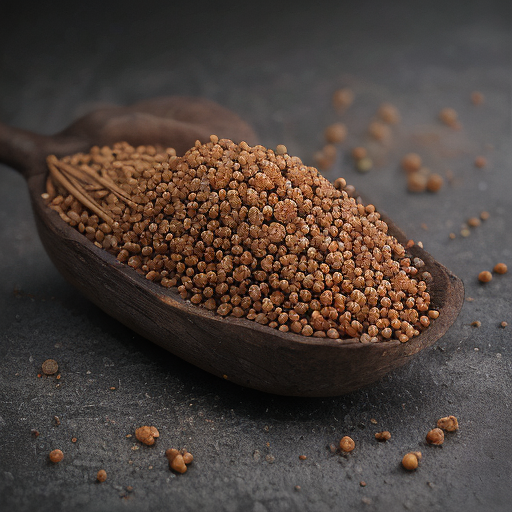
Black pepper
Known as 'black gold' in antiquity, pepper was so valuable that it served as currency and tribute. In the Middle Ages, Venetian merchants controlled the pepper trade, and individual peppercorns were often counted. Legend has it that when Alaric, king of the Visigoths, demanded tribute from Rome, he included 3,000 pounds of pepper.
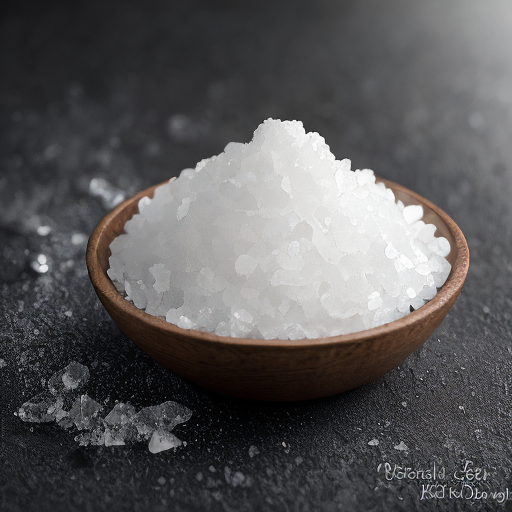
Sea salt
Sea salt, extracted from ocean waters by evaporation, was one of the most precious goods of antiquity, used both as food and as currency. In ancient Rome, soldiers were paid with salt, which is the origin of the word 'salary'. Salt roads connected entire civilizations, and in the Middle Ages, salt was so valuable it was called 'white gold'.
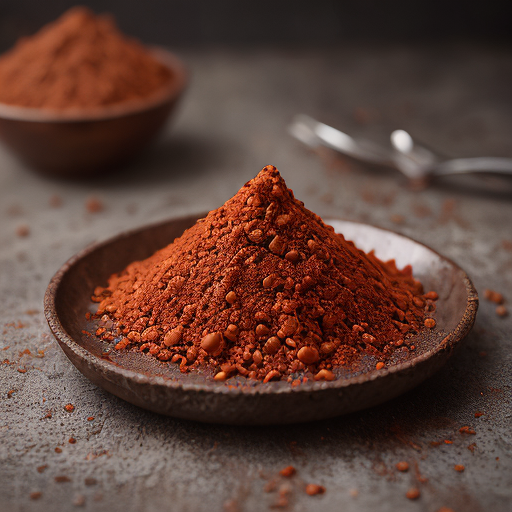
Paprika
Paprika, a emblematic spice brought to Europe by Christopher Columbus from the New World. Although associated with Hungarian cuisine, its origins are in Central America, where it was used by the Aztecs.
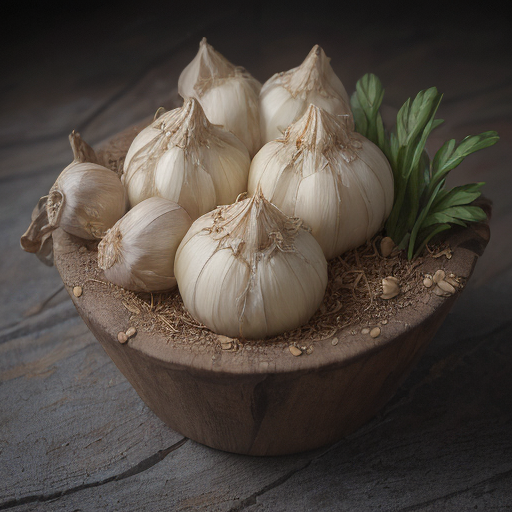
Garlic
Native to Central Asia, garlic was already known in ancient Egypt, where it was given to slaves to boost their strength. In ancient Greece, athletes consumed it before competitions, and in Rome, legionaries considered it essential for courage. During the Middle Ages, it was used to ward off vampires and the plague.
You may also like
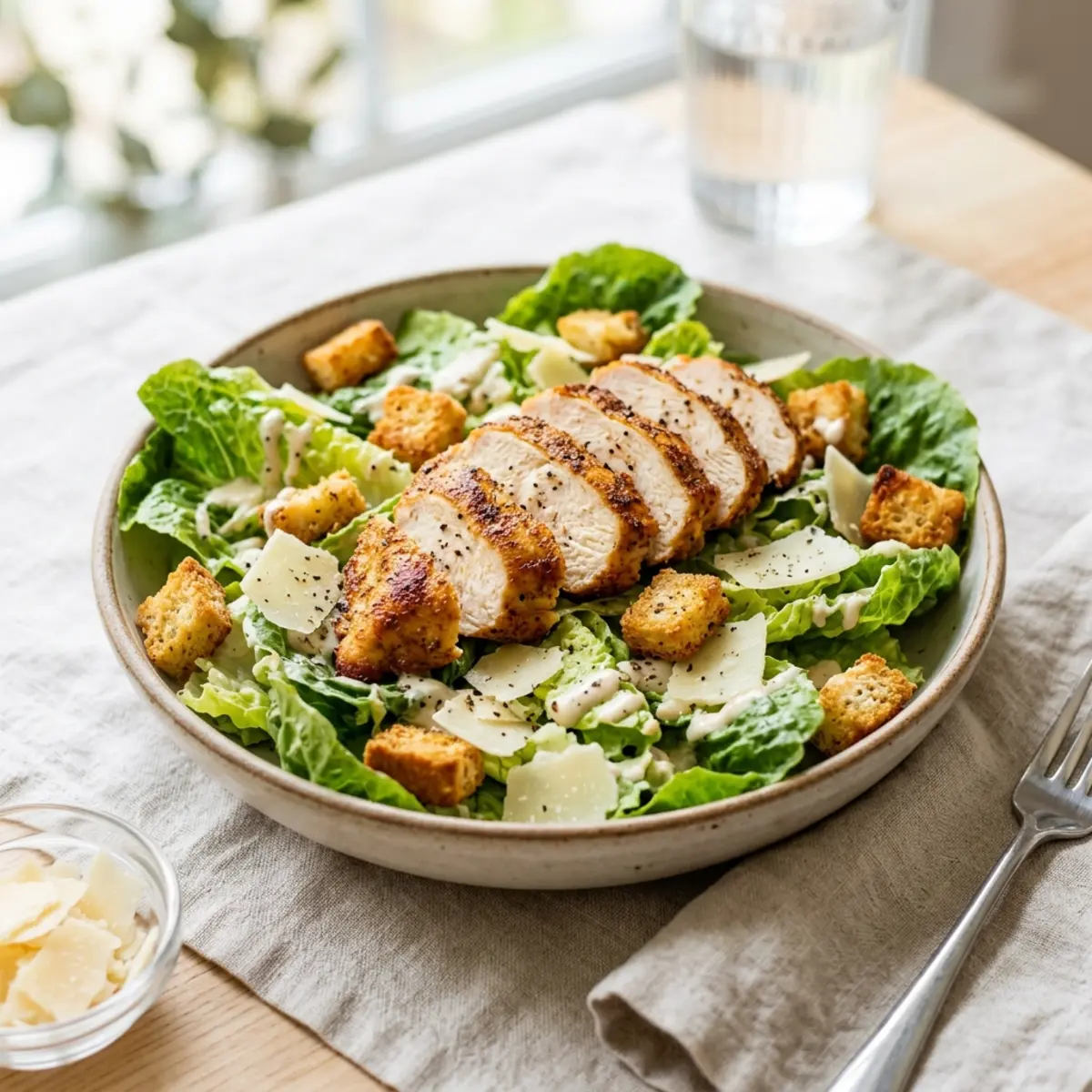 Chicken
Air Fryer Caesar Salad with Chicken – Quick and Crispy Recipe
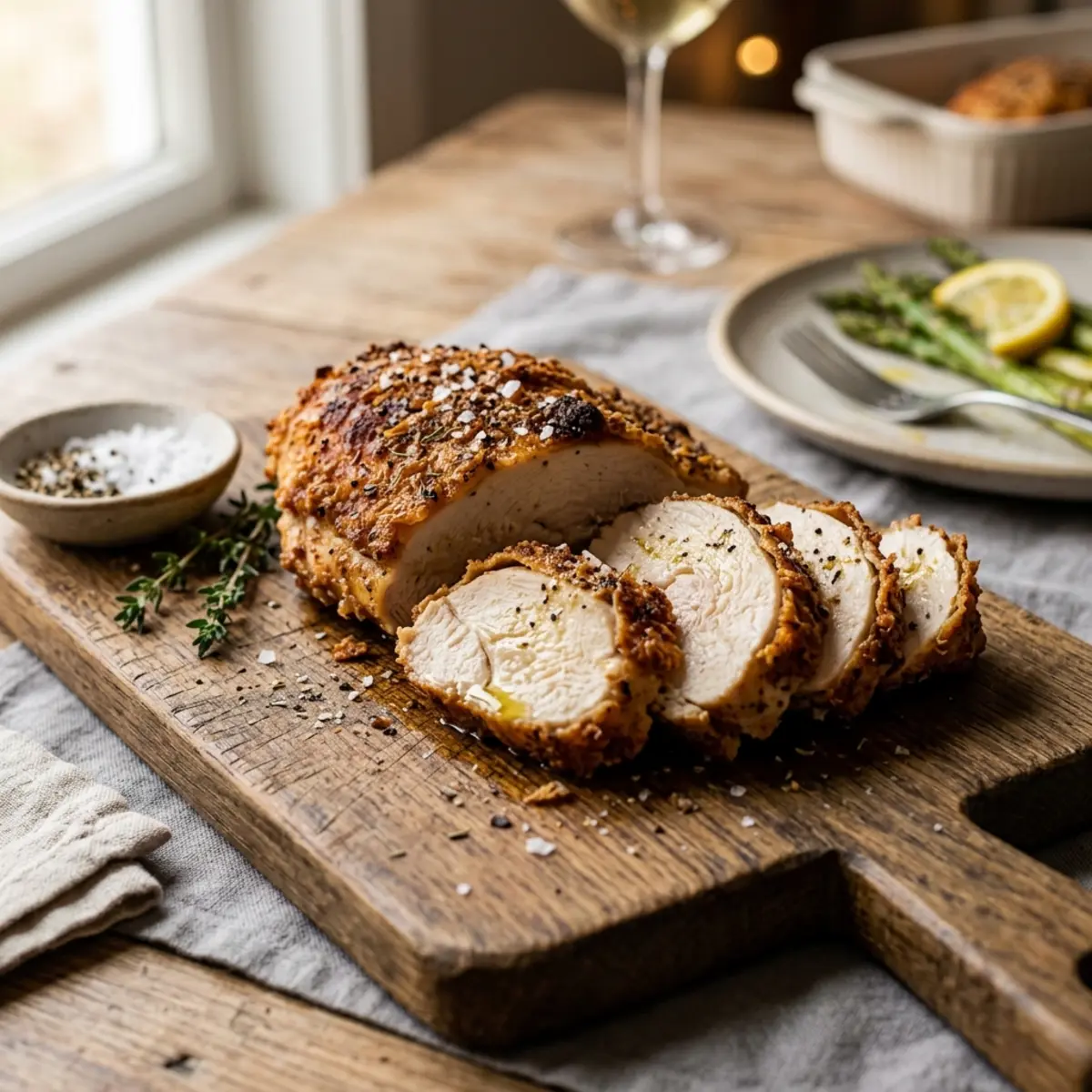 Chicken
Crispy Air Fryer Chicken Breast
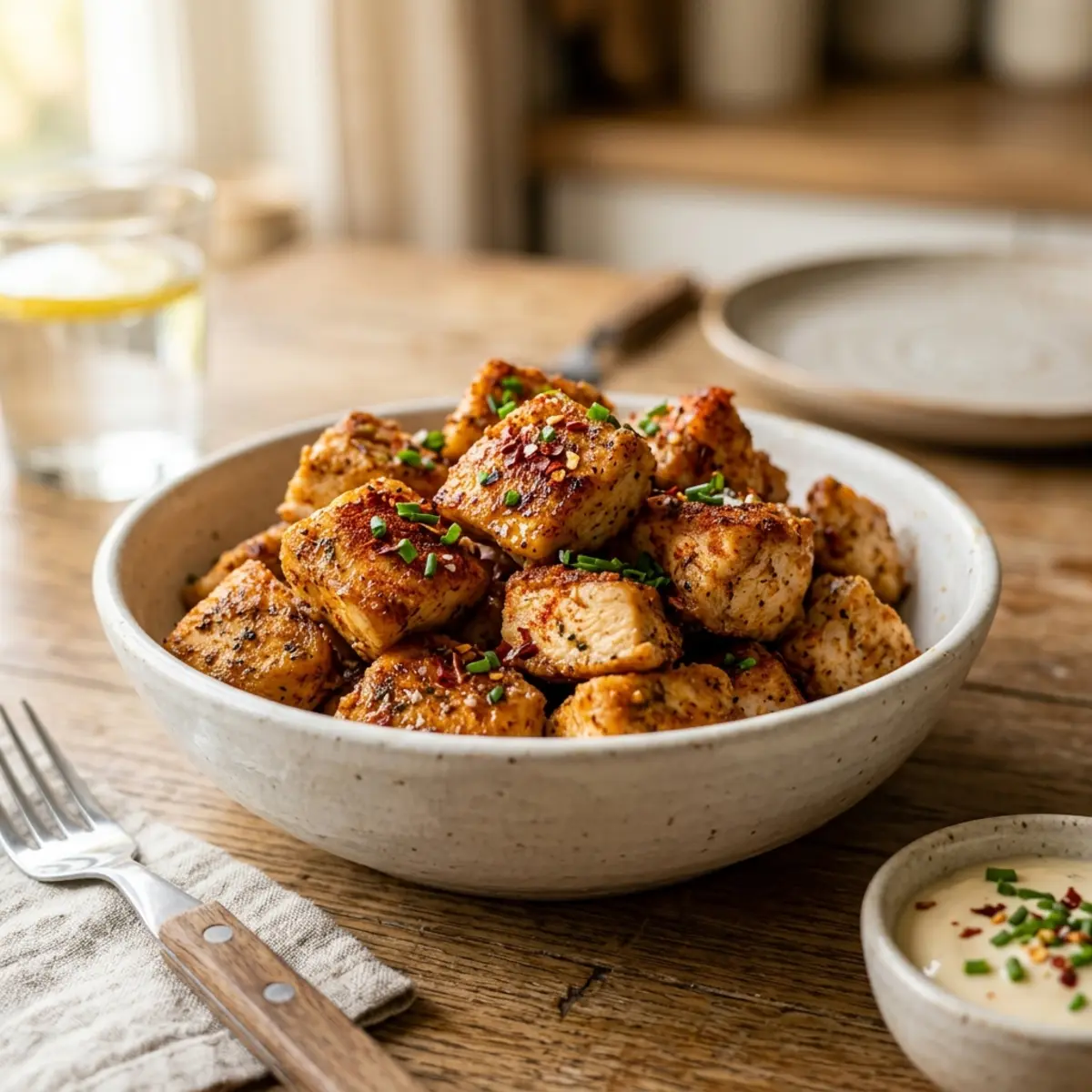 Chicken
Air Fryer Chicken Breast – Quick 17-Minute Recipe
 Chicken
Crispy Orange Chicken in Air Fryer
 Chicken
Air Fryer Chicken Breast: Juicy and Buttery in 20 Minutes
 Chicken