Air Fryer Chicken Tikka Skewers – Quick and Flavorful Recipe
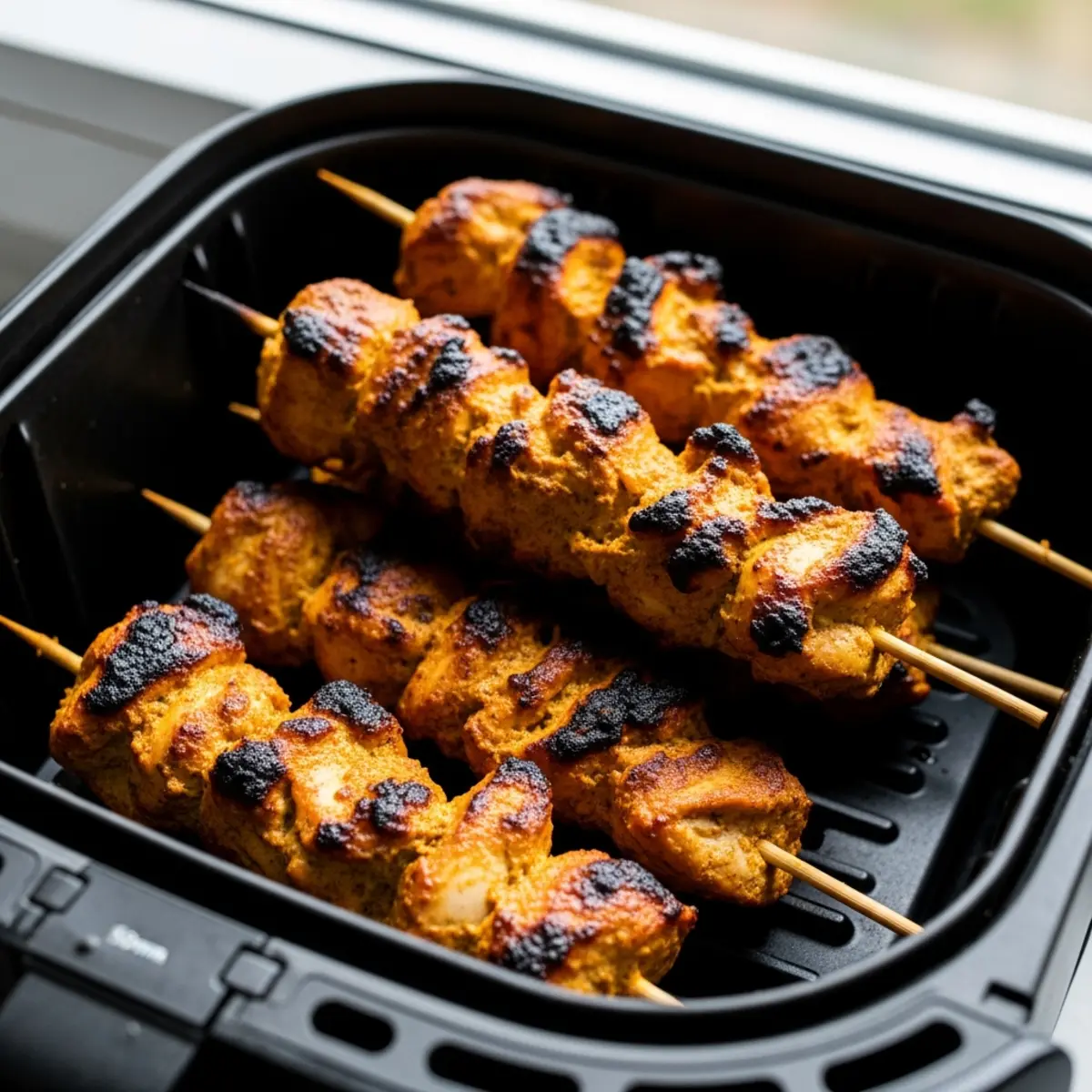
Steps
- 01
In a bowl, mix the chicken pieces with yogurt, tikka masala curry paste, crushed garlic, and grated ginger. Mix well, cover, and marinate for at least 20 minutes (or overnight in the fridge for deeper flavor).
- 02
Preheat the air fryer to 180°C (350°F).
- 03
Thread the marinated chicken pieces onto skewers (use metal skewers or wooden ones soaked in water), forming 4 to 8 skewers.
- 04
Place the skewers in the air fryer basket in a single layer. Cook for 15–20 minutes, turning halfway, until the chicken is cooked through and lightly browned.
- 05
While the chicken cooks, warm the naan bread according to package instructions (e.g., in a dry skillet or oven).
- 06
Serve the chicken skewers on a platter with warm naan, sprinkled with chopped coriander, a drizzle of yogurt, and alongside mango chutney, raita, or bhaji as desired.
Recipe story
Chicken Tikka skewers originate from the Mughal imperial cuisine of India, where meat was marinated in yogurt and precious spices, then cooked in clay ovens called tandoors. Legend has it that a royal chef invented this marinade to tenderize the meat and give it a distinctive flavor. Over centuries, the recipe spread throughout India and became an iconic dish of Indian cuisine. Today, the air fryer version retains the authentic taste while reducing preparation time.
Ingredient Secrets
Discover the culinary secrets and flavor history of key ingredients in this dish.
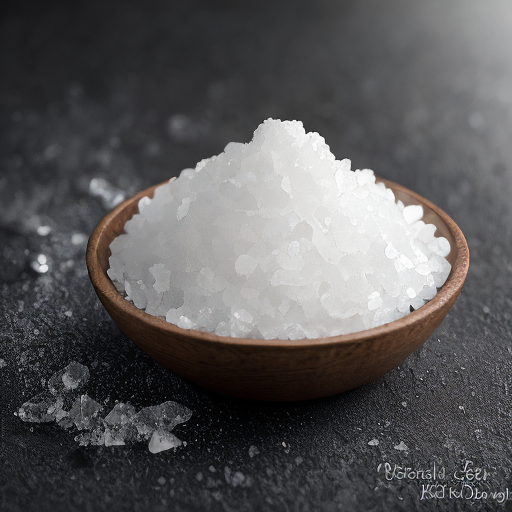
Sea salt
Sea salt, extracted from ocean waters by evaporation, was one of the most precious goods of antiquity, used both as food and as currency. In ancient Rome, soldiers were paid with salt, which is the origin of the word 'salary'. Salt roads connected entire civilizations, and in the Middle Ages, salt was so valuable it was called 'white gold'.
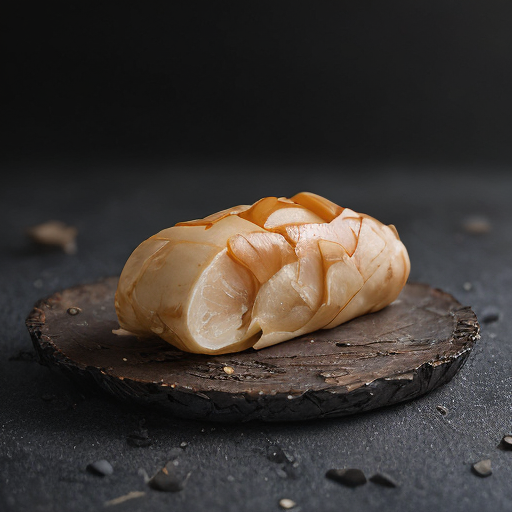
Ginger
Ginger, known since antiquity, was one of the first spices brought along the Silk Road, so precious that a kilogram of ginger was worth a sheep in medieval Europe.
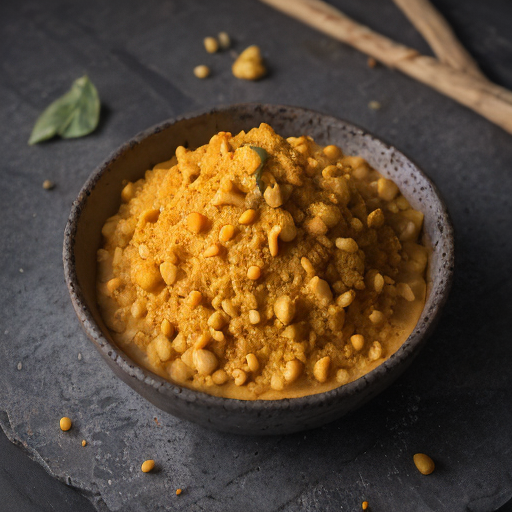
Curry powder
Although its name sounds exotic, curry powder is a British invention from the 18th century, created to imitate the complex spice blends of Indian cuisine. The word 'curry' comes from the Tamil word 'kari', meaning sauce.
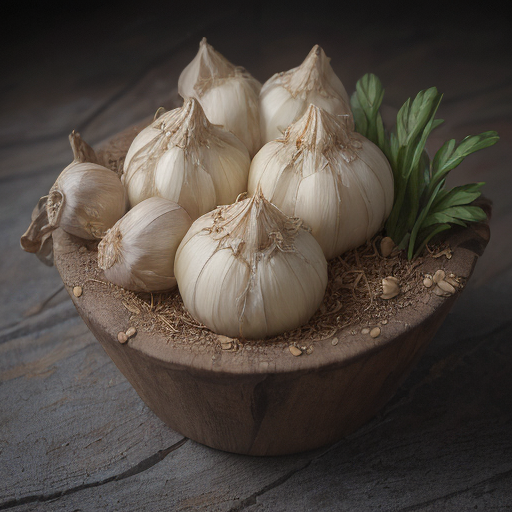
Garlic
Native to Central Asia, garlic was already known in ancient Egypt, where it was given to slaves to boost their strength. In ancient Greece, athletes consumed it before competitions, and in Rome, legionaries considered it essential for courage. During the Middle Ages, it was used to ward off vampires and the plague.
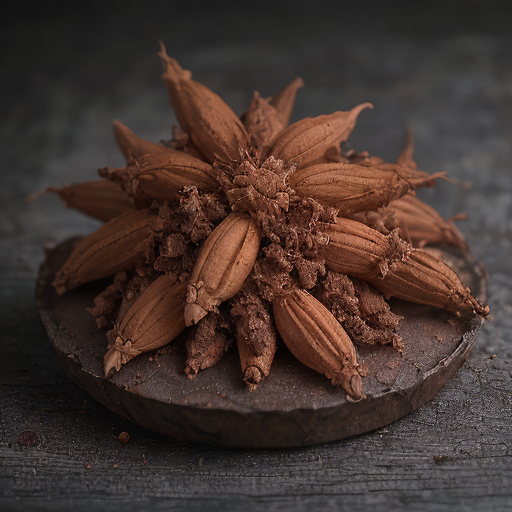
Cloves
Cloves, the dried buds of the exotic Syzygium aromaticum tree, were one of the most prized spices of the ancient world, often called 'aromatic gold'. In the Middle Ages, Venetian merchants controlled the clove trade, bringing them from the Maluku Islands, the only place they grew, and selling them at exorbitant prices in Europe.
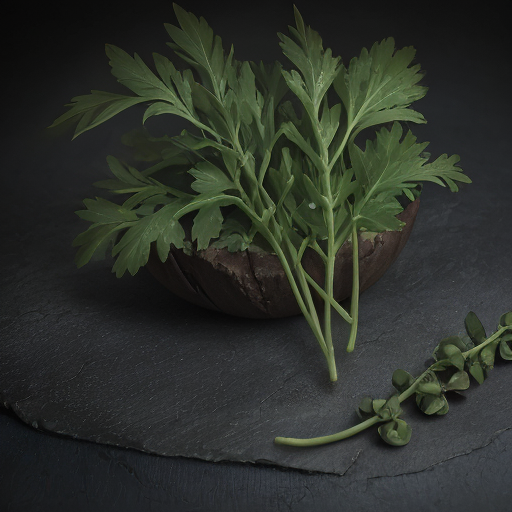
Coriander
Coriander, known since ancient times, was found in Egyptian tombs over 3,000 years old, considered a sacred spice and a remedy for immortality. The Romans brought it to Europe, where it became a staple in Mediterranean and Asian cuisines.
You may also like
 Misc
MiscAir Fryer S'mores – Quick Campfire Treat Without Fire
 Misc
MiscHow to Reheat Frikandellen in Air Fryer: Quick and Crispy Recipe
 Misc
MiscHow to Reheat Chicken in Air Fryer (Crispy and Juicy)
 Misc
MiscCrispy Reheated Chicken Pieces in Air Fryer
 Misc
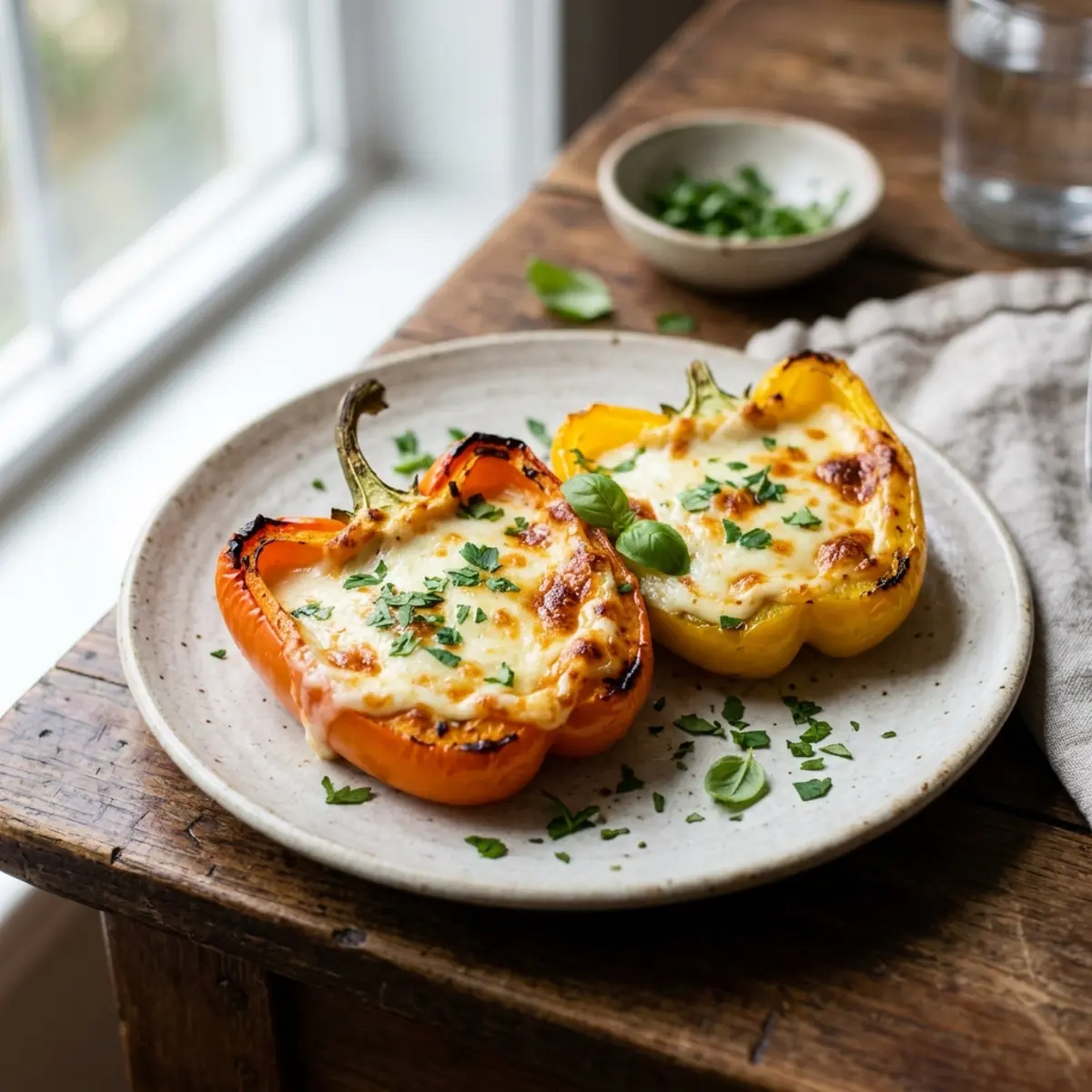
MiscStuffed Bell Pepper with Mozzarella in Air Fryer
 Misc
Misc