Air Fryer Chicken Thighs with Mustard and Maple Glaze
Tender chicken thighs glazed with a sweet and tangy mix of Dijon mustard, maple syrup, and honey, cooked quickly in the air fryer for a perfect caramelized crust.
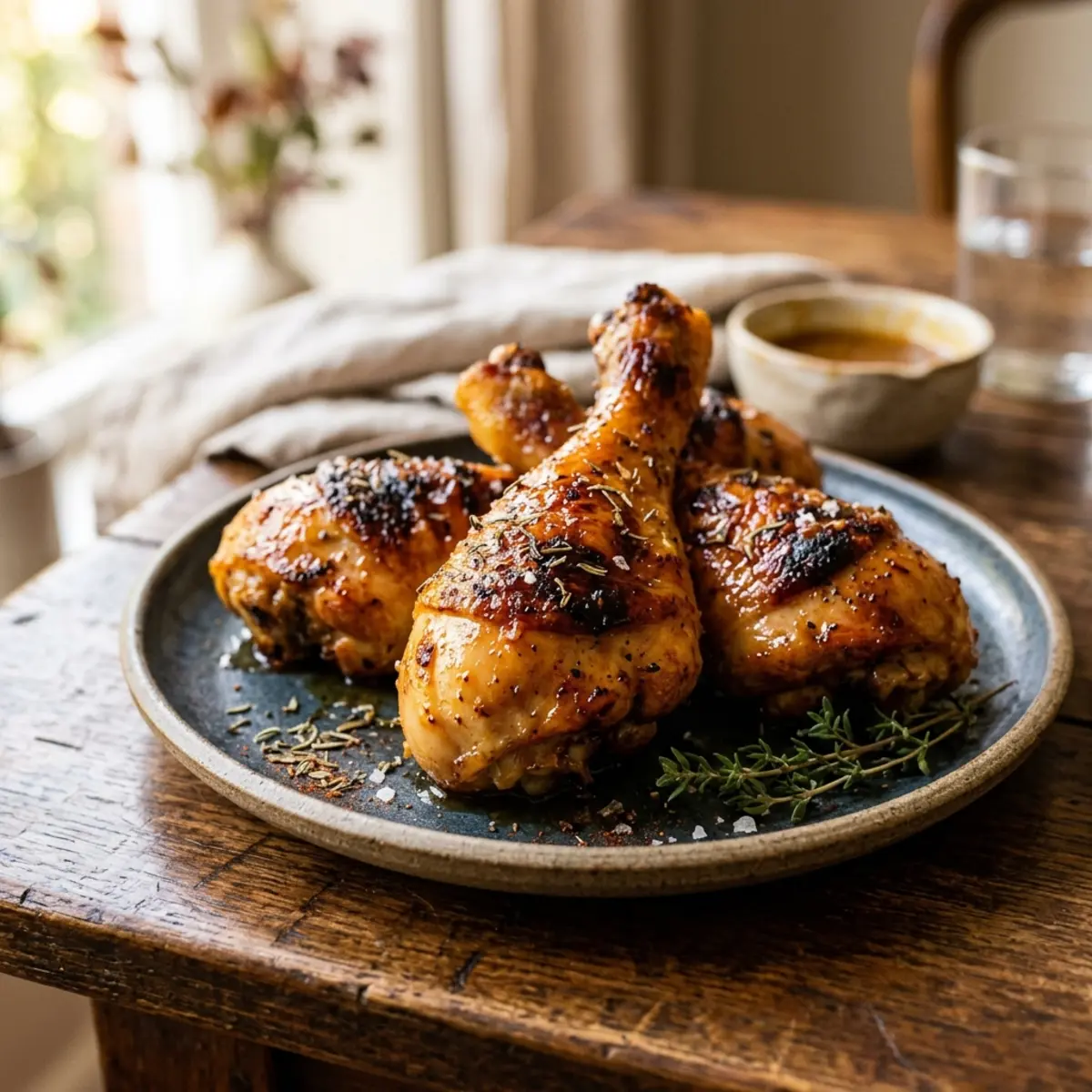
Steps
- 01
Rinse the chicken thighs and pat them dry with paper towels.
- 02
Place the thighs in a large bowl. Add salt, thyme, paprika, Dijon mustard, olive oil, and maple syrup. Mix gently until each thigh is evenly coated.
- 03
Transfer the thighs to the air fryer basket in a single layer. Cook at 193°C (380°F) for 15 minutes.
- 04
Turn the thighs and cook for another 10-15 minutes, until the internal temperature reaches 74°C (165°F).
- 05
Serve immediately.
Recipe story
This recipe originates from the royal kitchens of 18th-century France, where mustard and honey glaze was a sign of refinement. In Quebec's kitchens, maple syrup replaced honey, and the recipe was adapted for quick air fryer cooking. The sweet and tangy flavor combination became popular in North America, appreciated for its simplicity and balanced taste.
Ingredient Secrets
Discover the culinary secrets and flavor history of key ingredients in this dish.
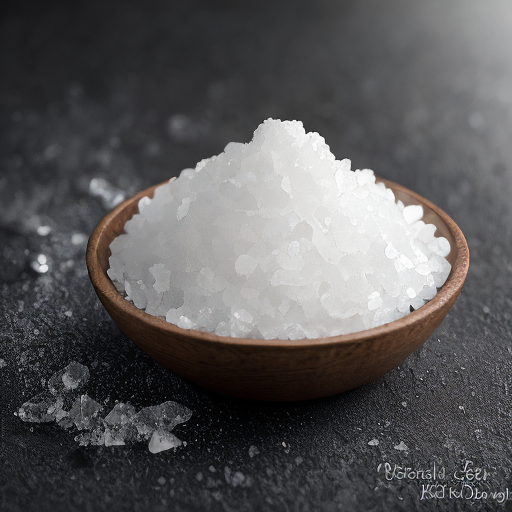
Sea salt
Sea salt, extracted from ocean waters by evaporation, was one of the most precious goods of antiquity, used both as food and as currency. In ancient Rome, soldiers were paid with salt, which is the origin of the word 'salary'. Salt roads connected entire civilizations, and in the Middle Ages, salt was so valuable it was called 'white gold'.
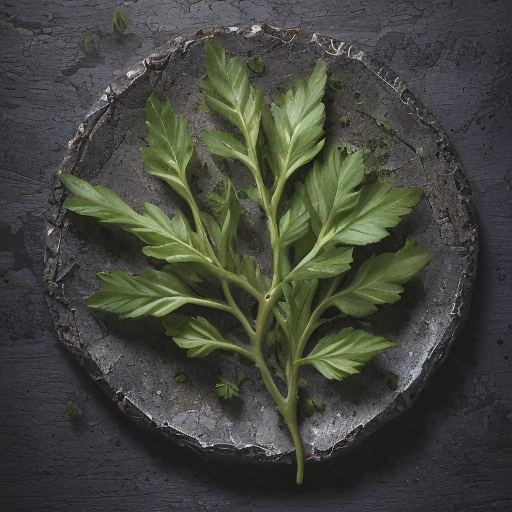
Thyme
In ancient Rome, thyme was burned in temples to purify the air and ward off evil spirits, and Roman soldiers added it to their baths to strengthen their courage. In the Middle Ages, noble ladies embroidered thyme on knights' scarves as a symbol of bravery. The ancient Greeks used it in baths and temples, and its name derives from the Greek 'thymos', meaning 'courage'.
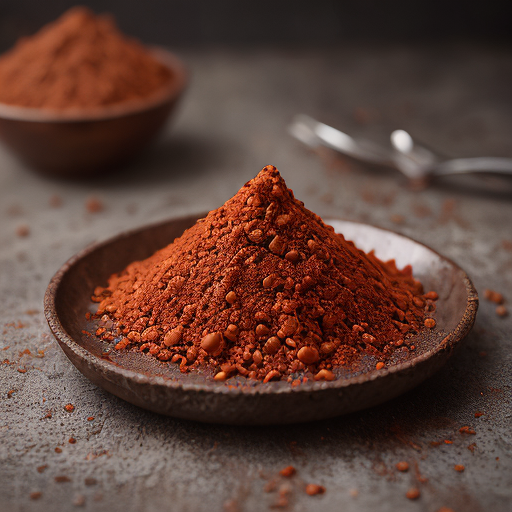
Paprika
Paprika, a emblematic spice brought to Europe by Christopher Columbus from the New World. Although associated with Hungarian cuisine, its origins are in Central America, where it was used by the Aztecs.
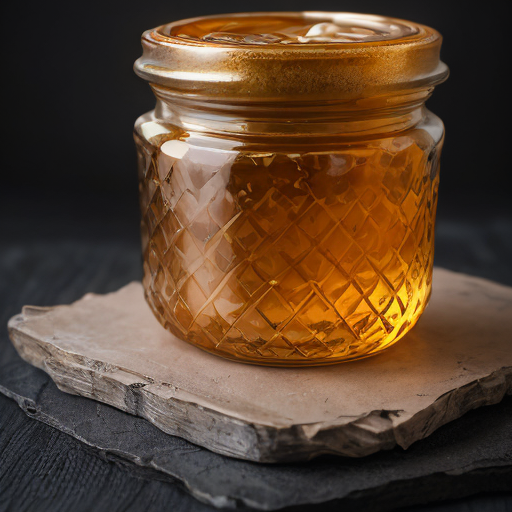
Honey
Honey is one of the oldest sweet foods, used since the Stone Age. In ancient Egypt, it was offered to the gods and used in embalming. In ancient Greece, it was considered the food of the gods, and in Rome, it was used as medicine and preservative. During the Middle Ages, honey was the main sweetener in Europe before sugar.
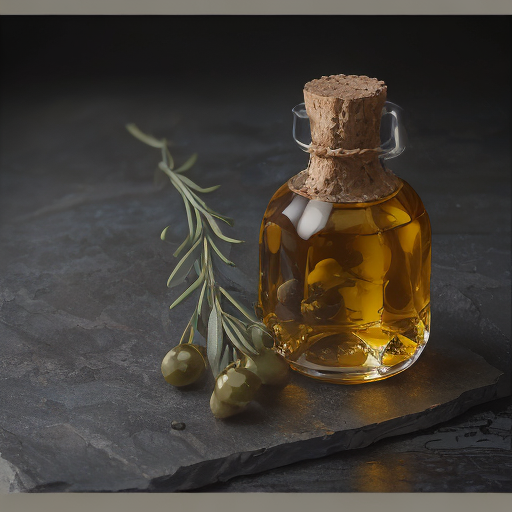
Olive oil
Originating in the Mediterranean basin, olive oil was already produced in ancient Crete 5,000 years ago. In ancient Greece, it was considered a gift from Athena and used in lamps, cosmetics, and religious ceremonies. The Romans spread it throughout the empire, and in the Middle Ages, monasteries preserved the tradition of its production.
You may also like
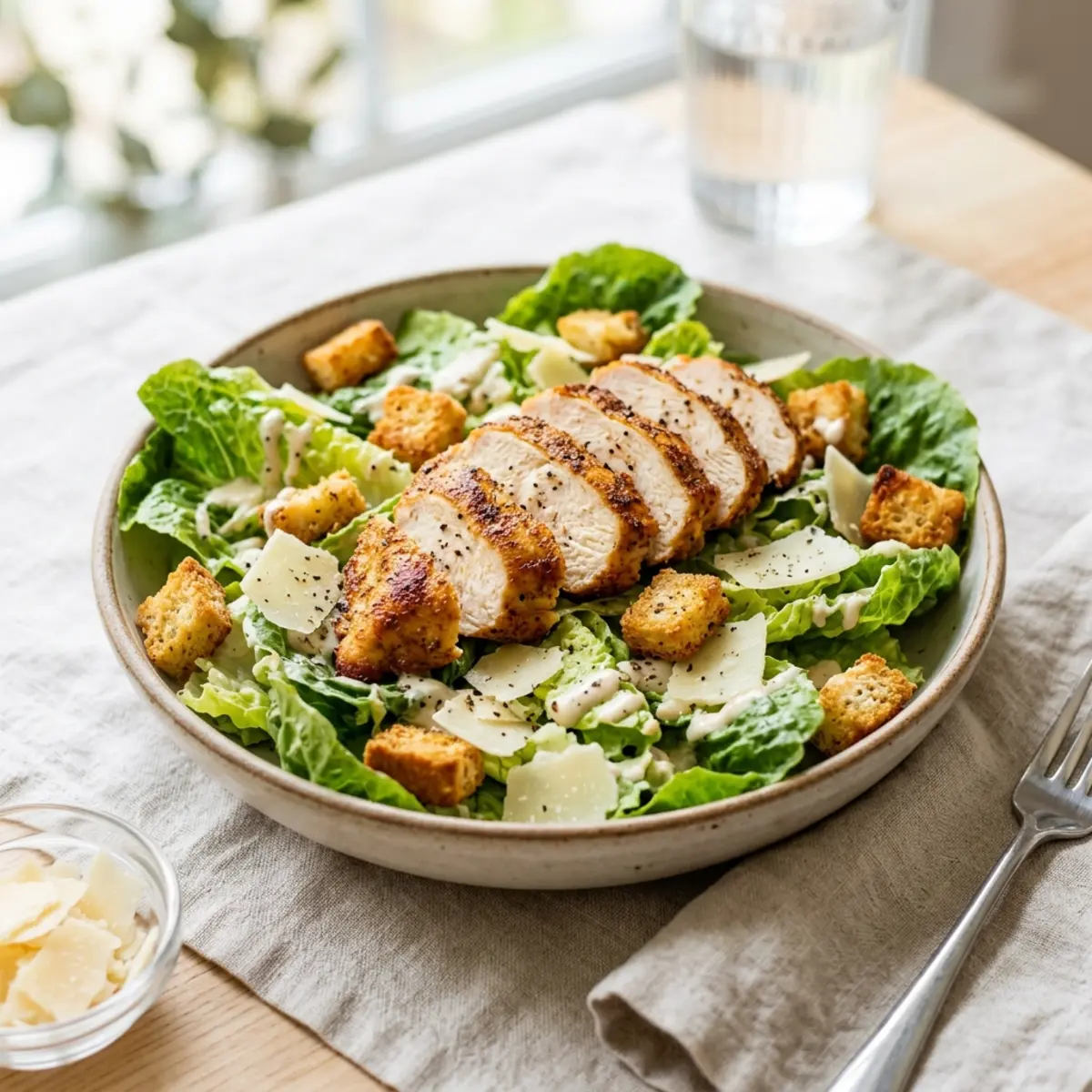 Chicken
Air Fryer Caesar Salad with Chicken – Quick and Crispy Recipe
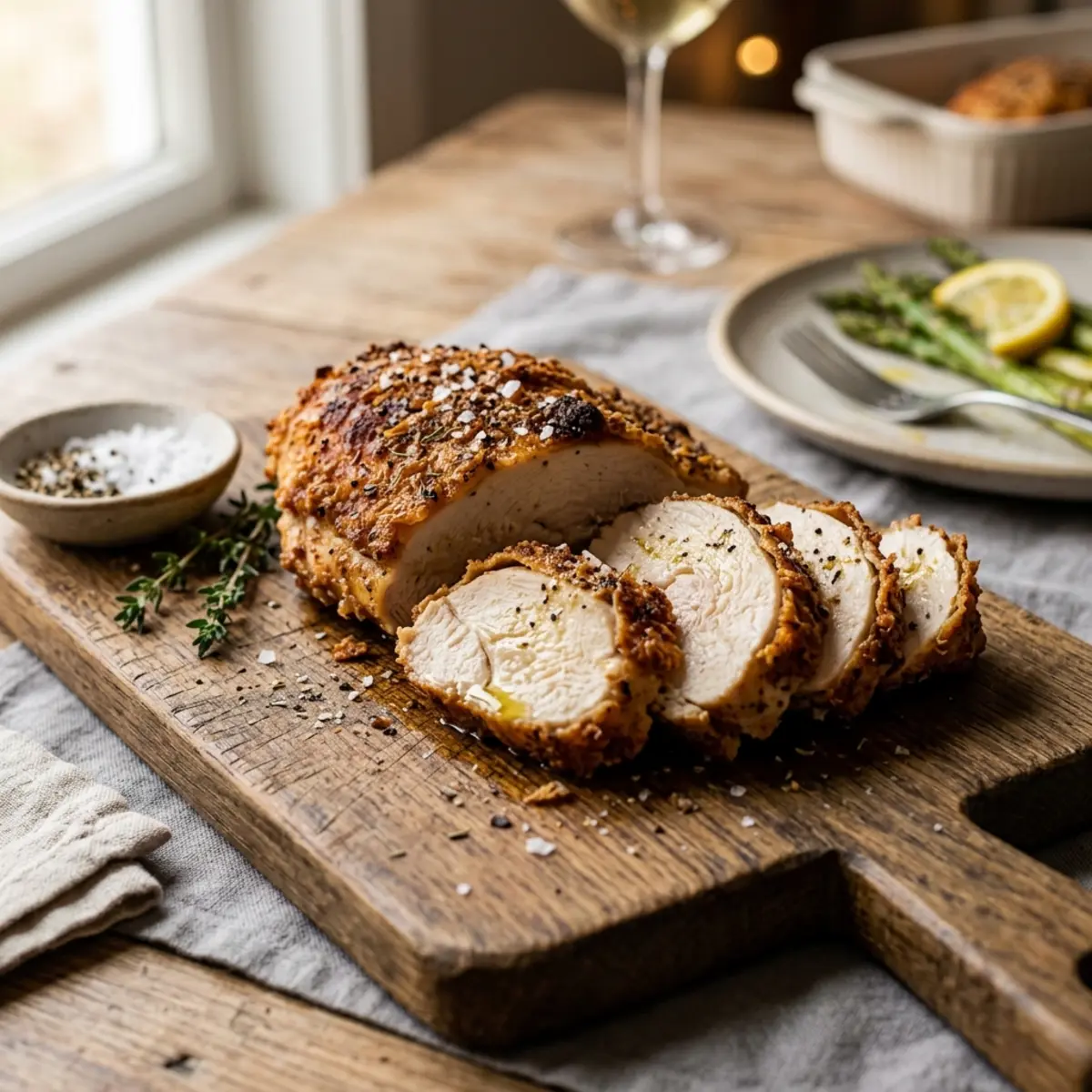 Chicken
Crispy Air Fryer Chicken Breast
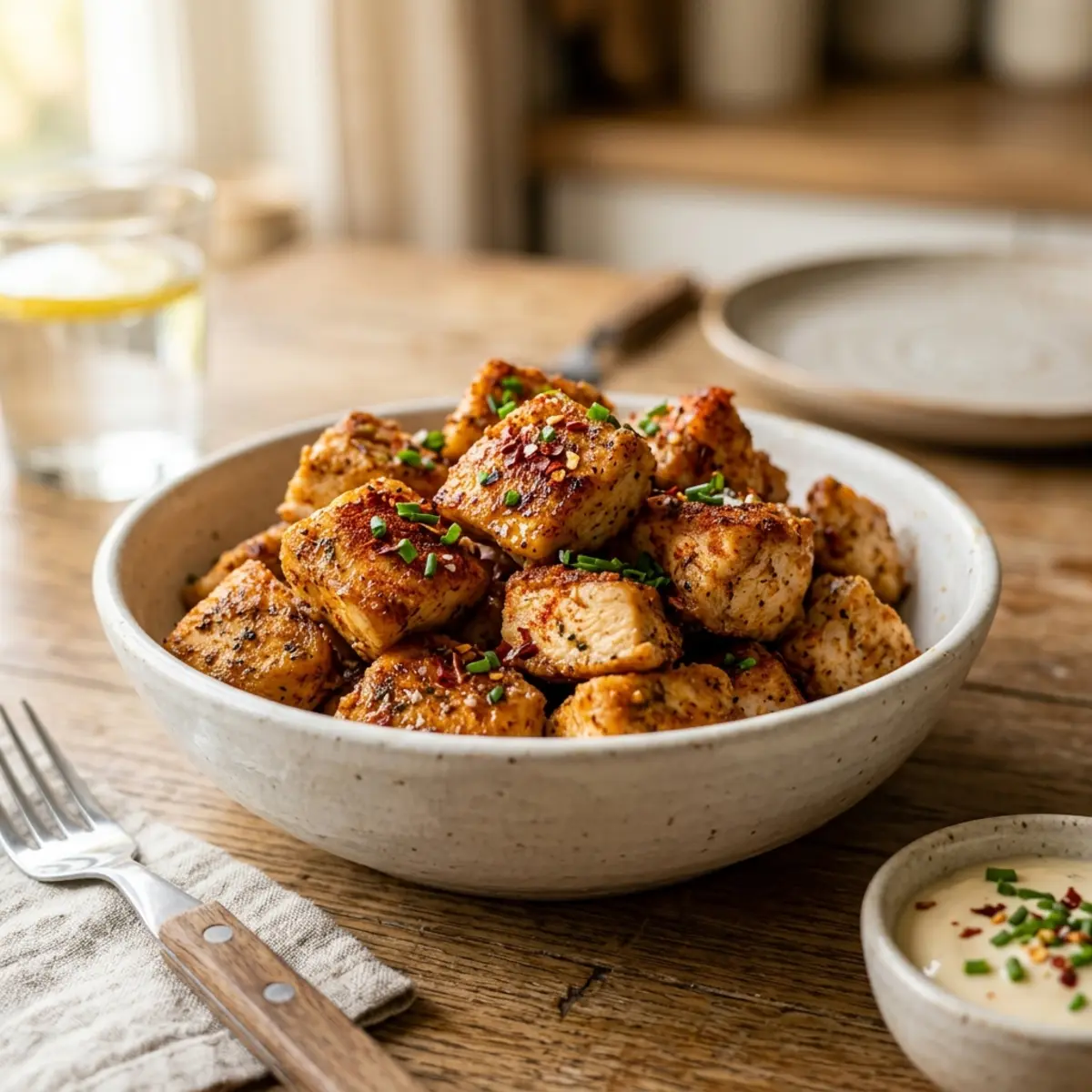 Chicken
Air Fryer Chicken Breast – Quick 17-Minute Recipe
 Chicken
Crispy Orange Chicken in Air Fryer
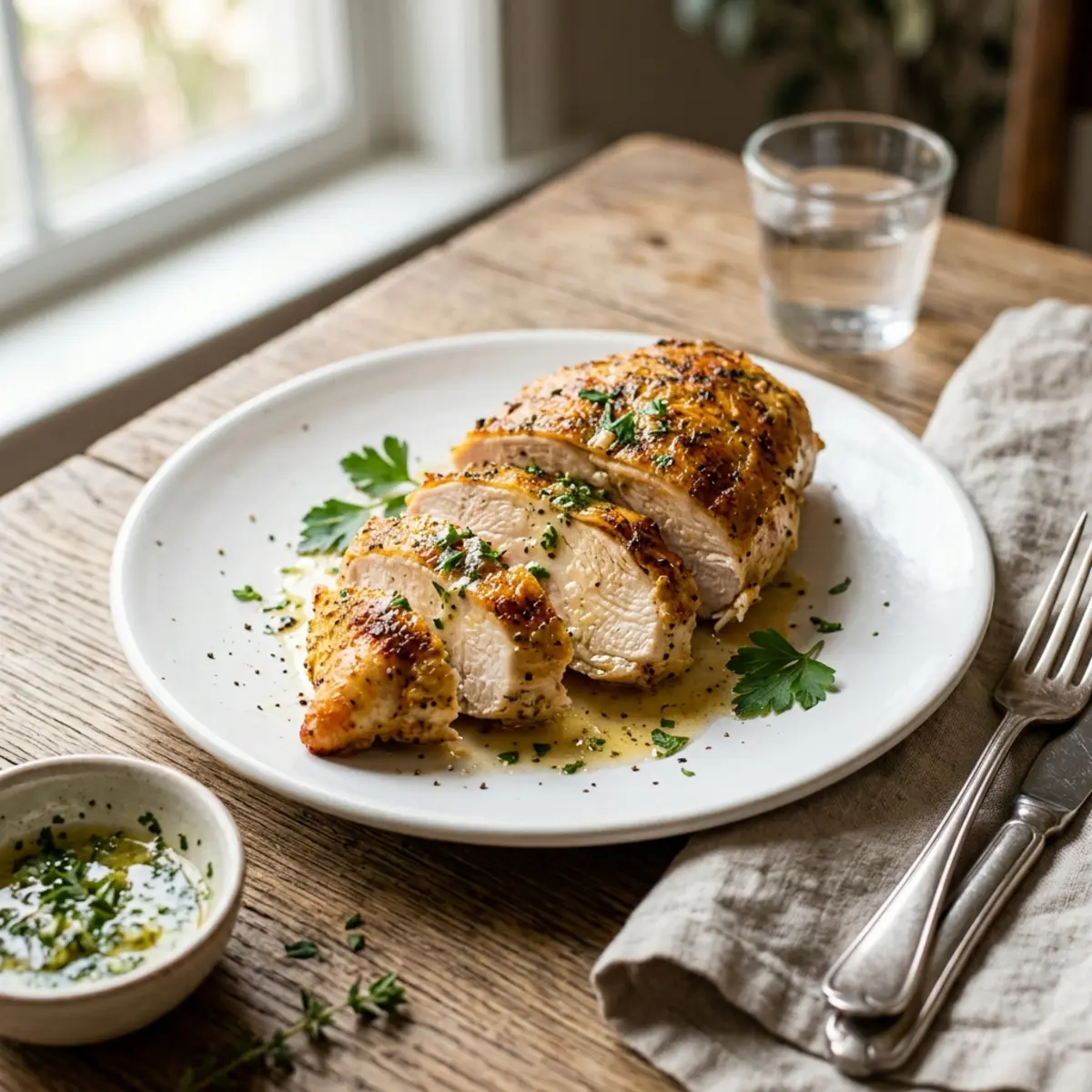 Chicken
Air Fryer Chicken Breast: Juicy and Buttery in 20 Minutes
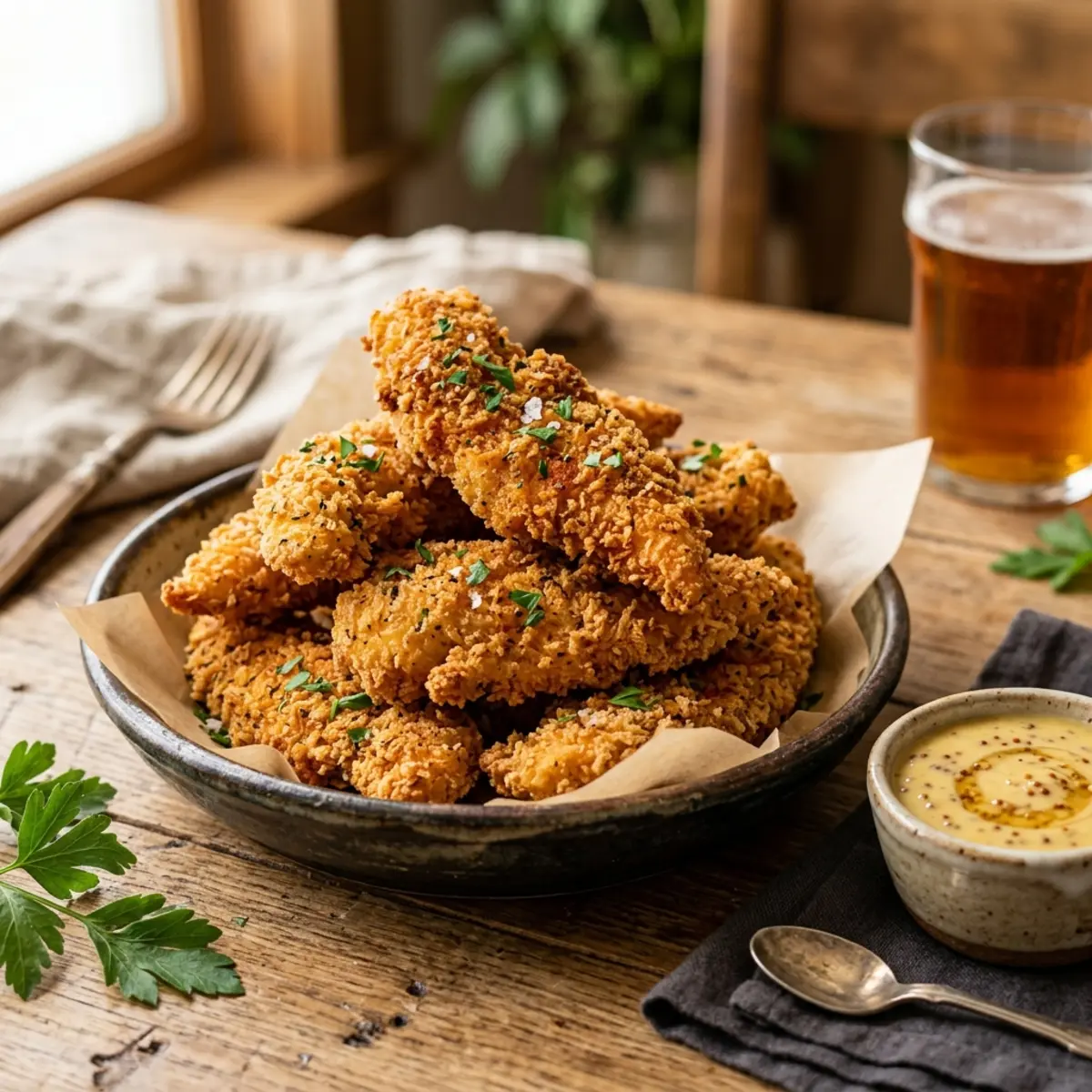 Chicken