Air Fryer Chicken Skewers
Tender and flavorful chicken skewers cooked quickly in the air fryer, perfect for an easy dinner.
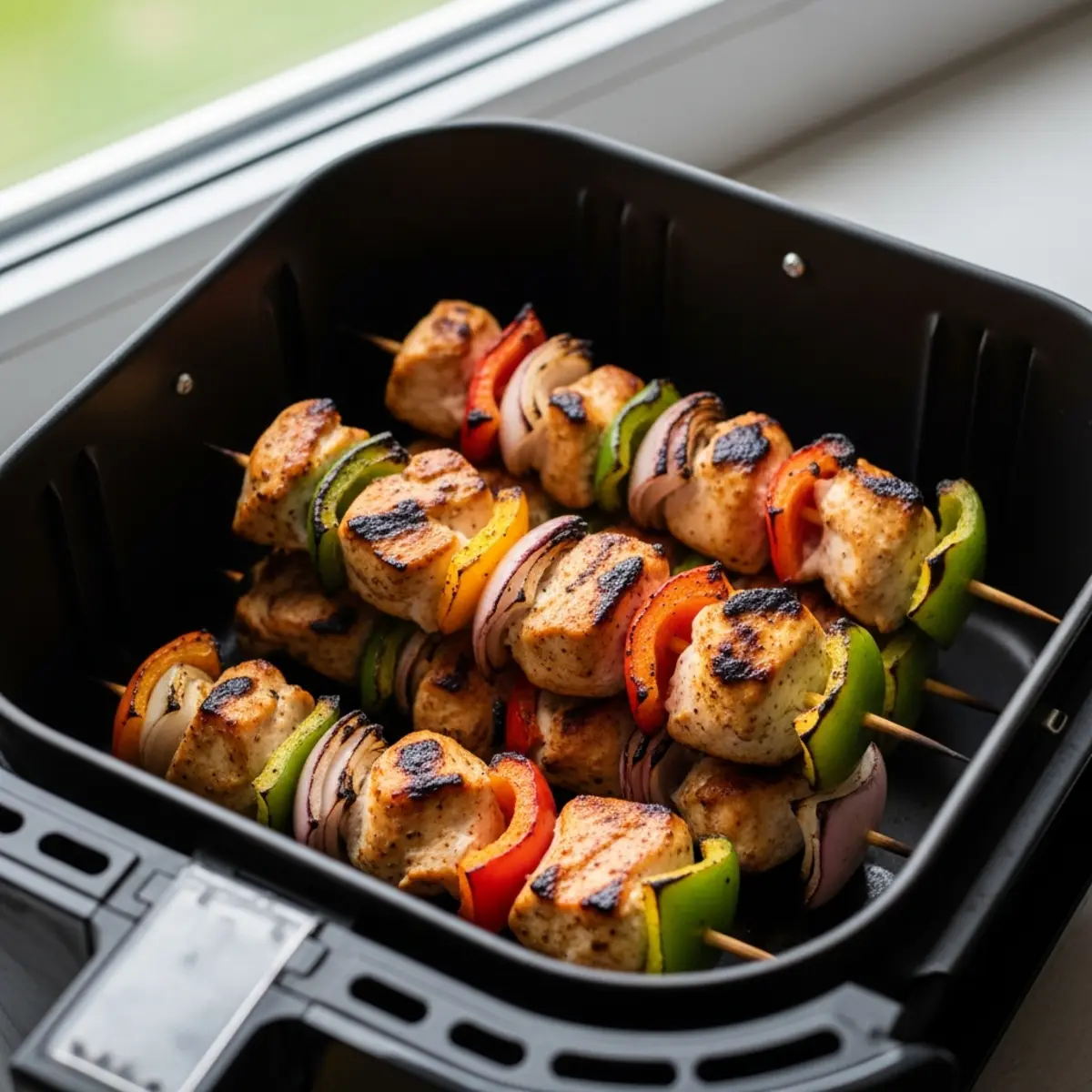
Steps
- 01
In a bowl, mix minced garlic, red wine vinegar, lemon juice, dried oregano, and 1/4 cup olive oil.
- 02
Add chicken cubes and toss to coat. Marinate for at least 30 minutes or overnight in the fridge for deeper flavor.
- 03
Thread chicken and vegetables onto wooden skewers, alternating chicken cubes with zucchini slices, cherry tomatoes, and onion.
- 04
Ensure skewers are short enough to fit in the air fryer basket.
- 05
Place skewers in the air fryer basket, lightly spray with olive oil spray, and close the lid.
- 06
Cook at 190°C (380°F) for about 16 minutes, until chicken is cooked through and nicely browned.
- 07
Serve immediately with rice, garden salad, or air fryer sweet potatoes.
Recipe story
Chicken skewers have origins in the Middle East, where marinated meat cooked on skewers was a traditional method. The lemon and herb marinade was adopted by Mediterranean cuisine, becoming popular in Greece and Turkey. In the 19th century, the recipe was brought to Europe by travelers and traders, spreading quickly. Today, skewers are an international dish, appreciated for their versatility and flavor.
Ingredient Secrets
Discover the culinary secrets and flavor history of key ingredients in this dish.
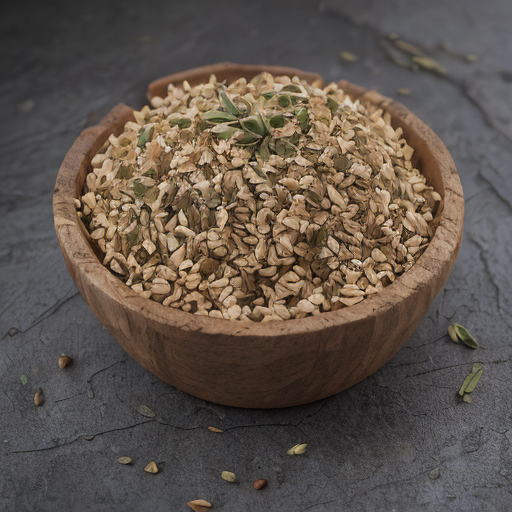
Oregano
Oregano, also known as 'mountain joy', was used by ancient Greeks as an antidote for poisons and a symbol of happiness. In the Middle Ages, it was planted on graves to ensure peace for the souls.
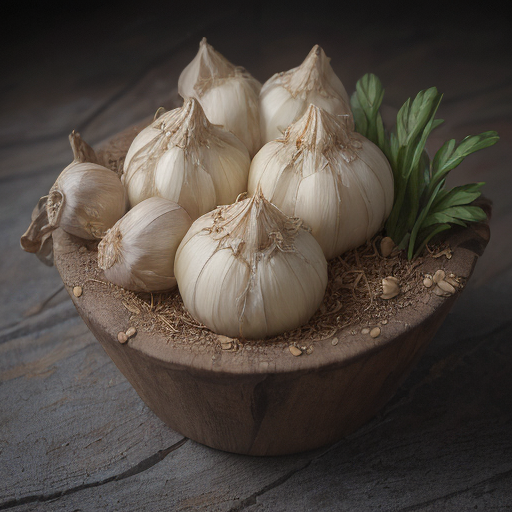
Garlic
Native to Central Asia, garlic was already known in ancient Egypt, where it was given to slaves to boost their strength. In ancient Greece, athletes consumed it before competitions, and in Rome, legionaries considered it essential for courage. During the Middle Ages, it was used to ward off vampires and the plague.
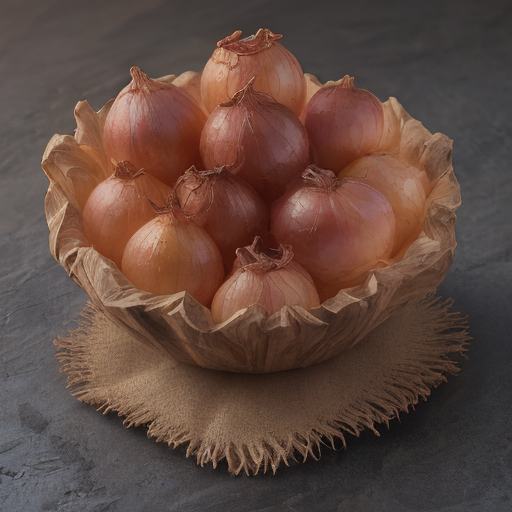
Onion
Probably originating in Central or West Asia, onions were cultivated in ancient Egypt, where they were considered a symbol of eternity and placed in tombs. In ancient Greece, athletes ate them to balance their blood, and in Rome, they were a staple food for soldiers. During the Middle Ages, onions were believed to protect against arrows and the plague.
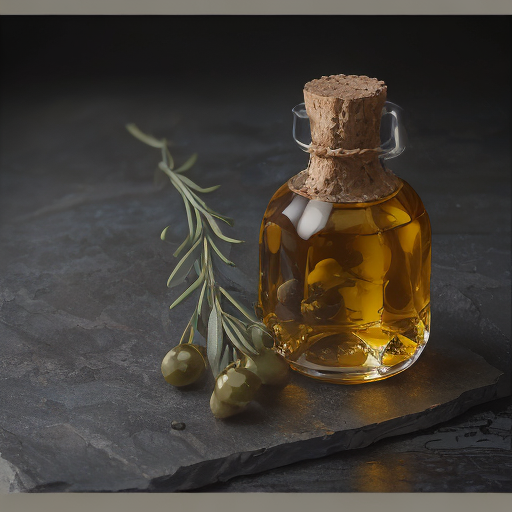
Olive oil
Originating in the Mediterranean basin, olive oil was already produced in ancient Crete 5,000 years ago. In ancient Greece, it was considered a gift from Athena and used in lamps, cosmetics, and religious ceremonies. The Romans spread it throughout the empire, and in the Middle Ages, monasteries preserved the tradition of its production.
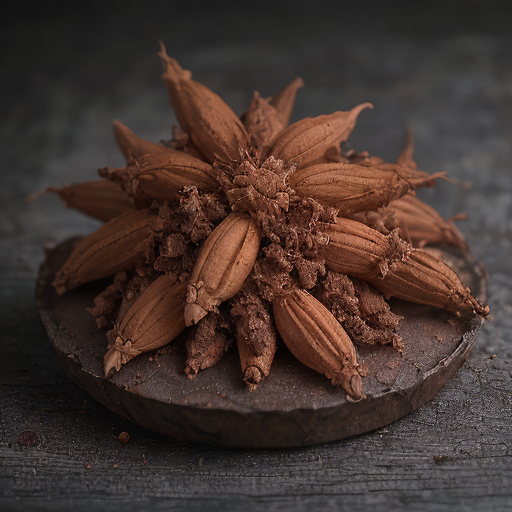
Cloves
Cloves, the dried buds of the exotic Syzygium aromaticum tree, were one of the most prized spices of the ancient world, often called 'aromatic gold'. In the Middle Ages, Venetian merchants controlled the clove trade, bringing them from the Maluku Islands, the only place they grew, and selling them at exorbitant prices in Europe.
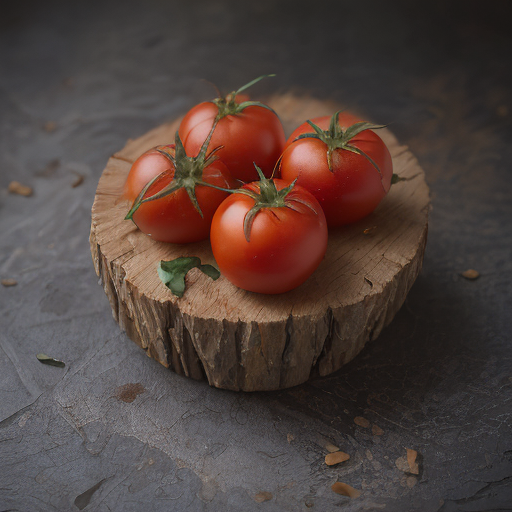
Tomato
Although today the tomato is indispensable in global cuisine, it was long viewed with suspicion in Europe, considered a toxic ornamental plant. It wasn't until the 19th century that Italian immigrants popularized it in the United States, turning it into an iconic ingredient of Mediterranean cuisine. Native to South America, the tomato was domesticated in Mexico and brought to Europe by Spanish conquistadors.
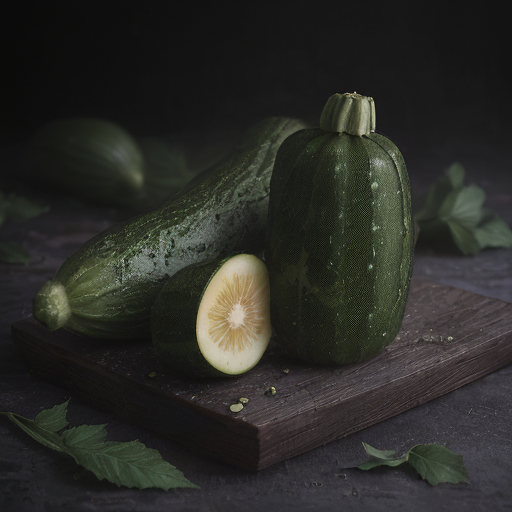
Zucchini
Although today we associate them with light summer cuisine, zucchini were first cultivated in ancient Mexico over 7,000 years ago. They were brought to Europe by Spanish explorers in the 16th century.
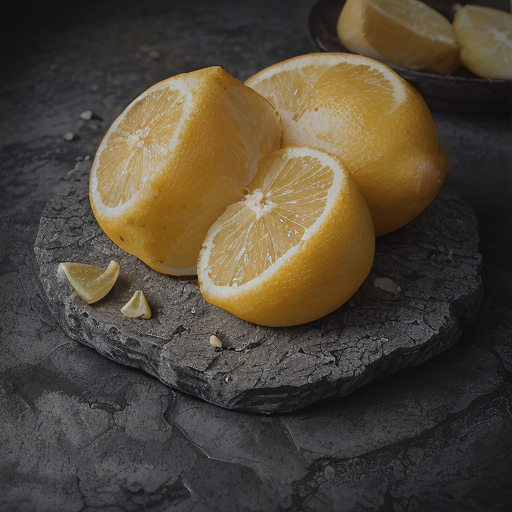
Lemon
The lemon is an ancient hybrid between citron and bitter orange, likely originating in northern India or China. In the Middle Ages, lemons were so valuable that they were given as gifts to kings. Fun fact: during the Gold Rush, British sailors were given lemons to prevent scurvy, leading to the nickname 'limey'.
You may also like
 Chicken
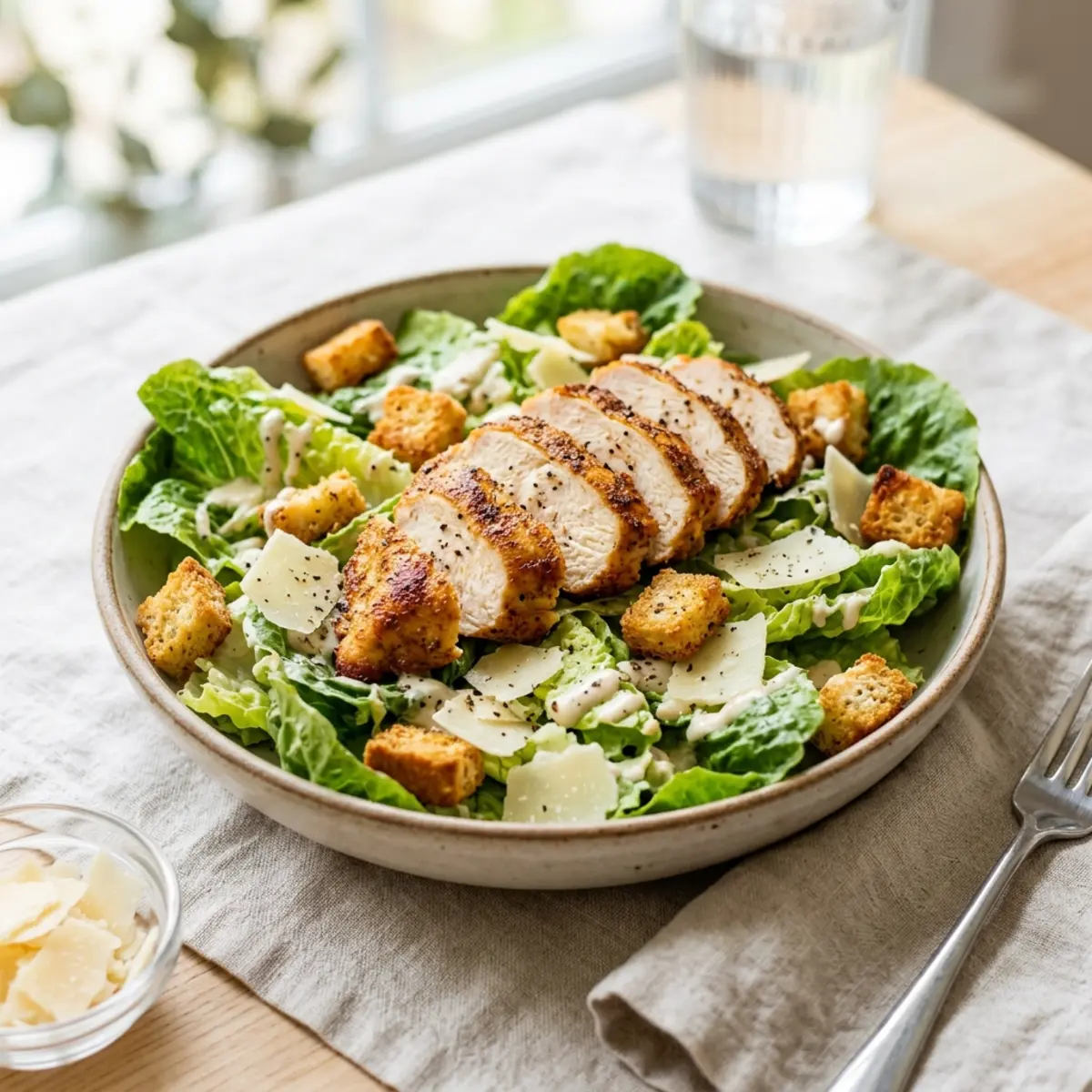
Air Fryer Caesar Salad with Chicken – Quick and Crispy Recipe
 Chicken
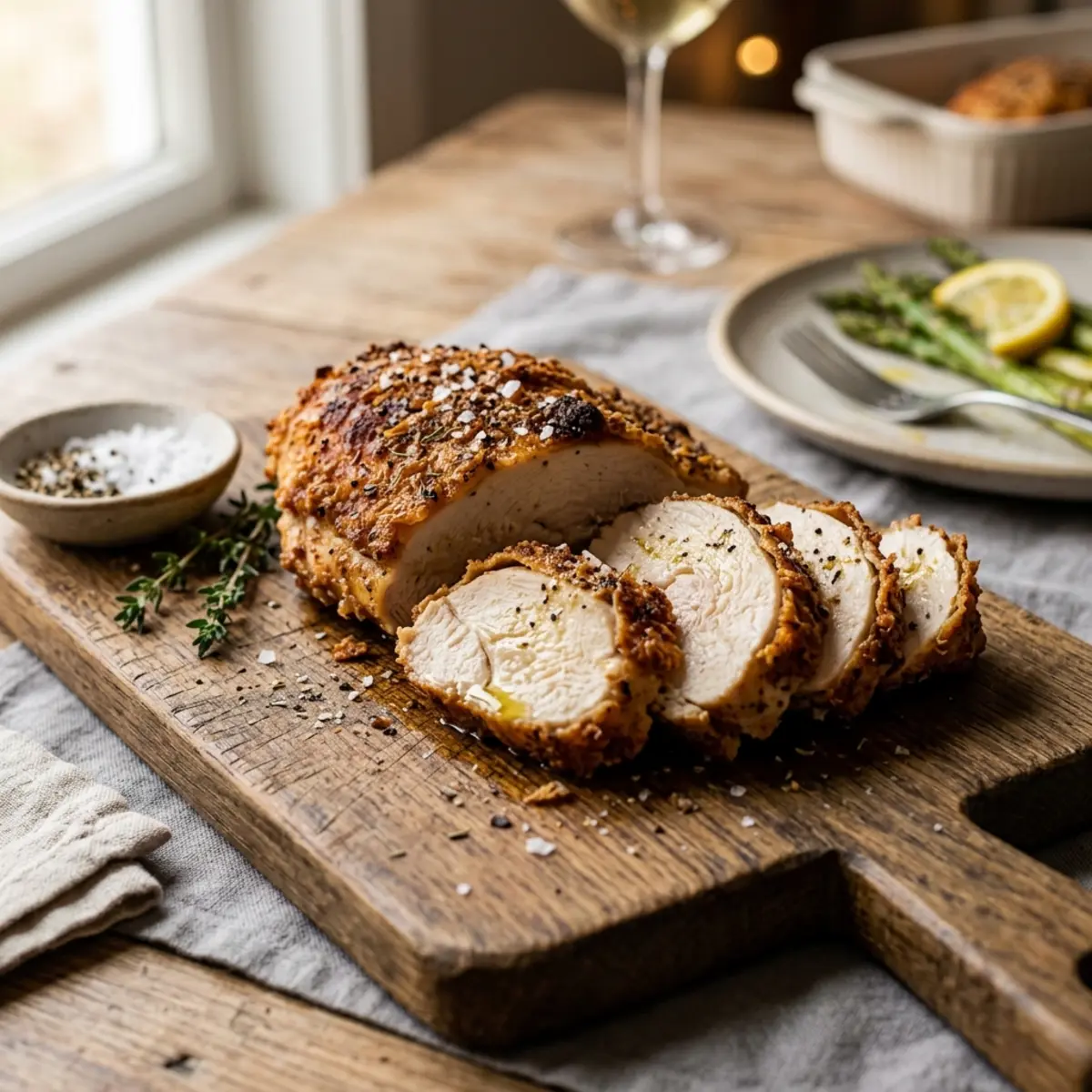
Crispy Air Fryer Chicken Breast
 Chicken
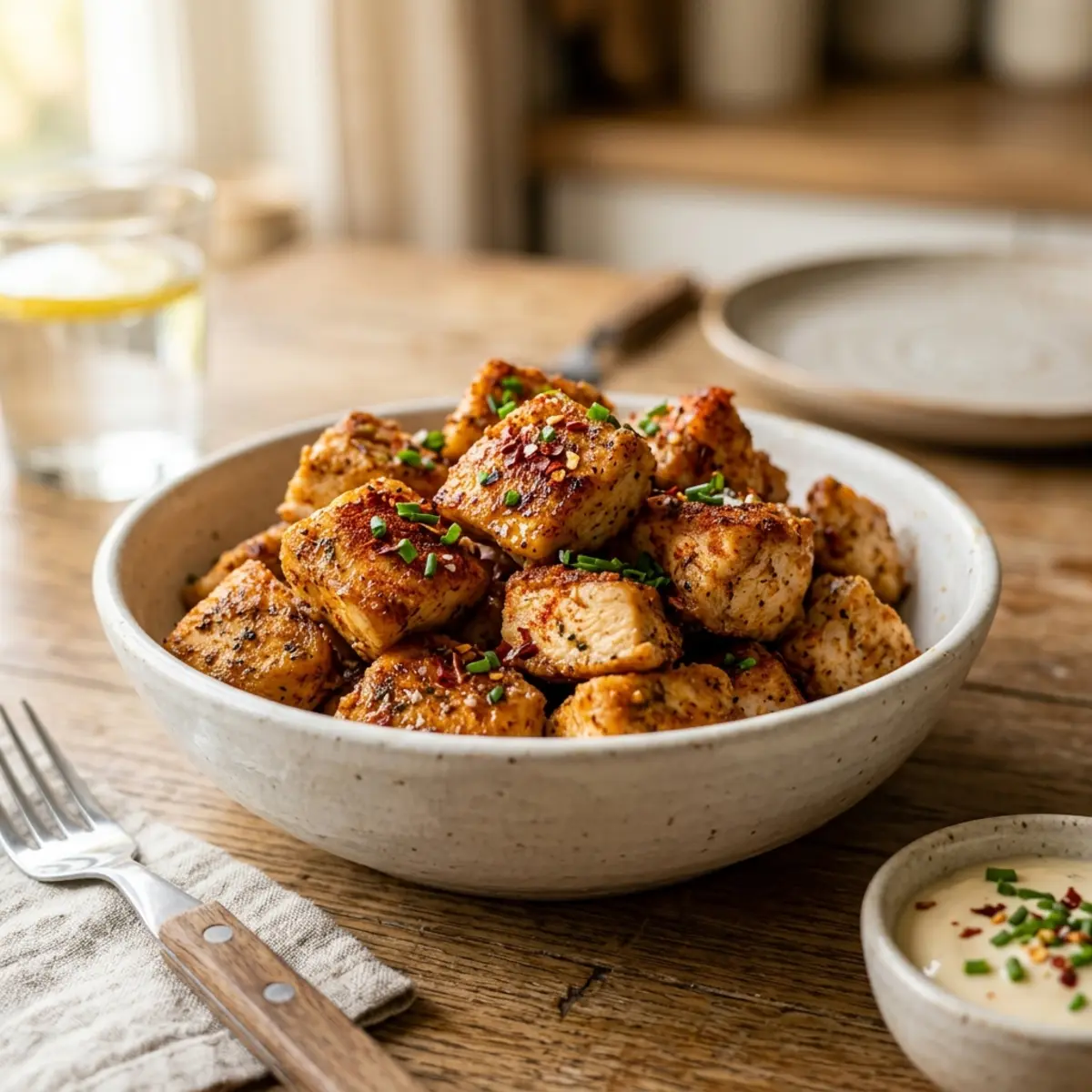
Air Fryer Chicken Breast – Quick 17-Minute Recipe
 Chicken
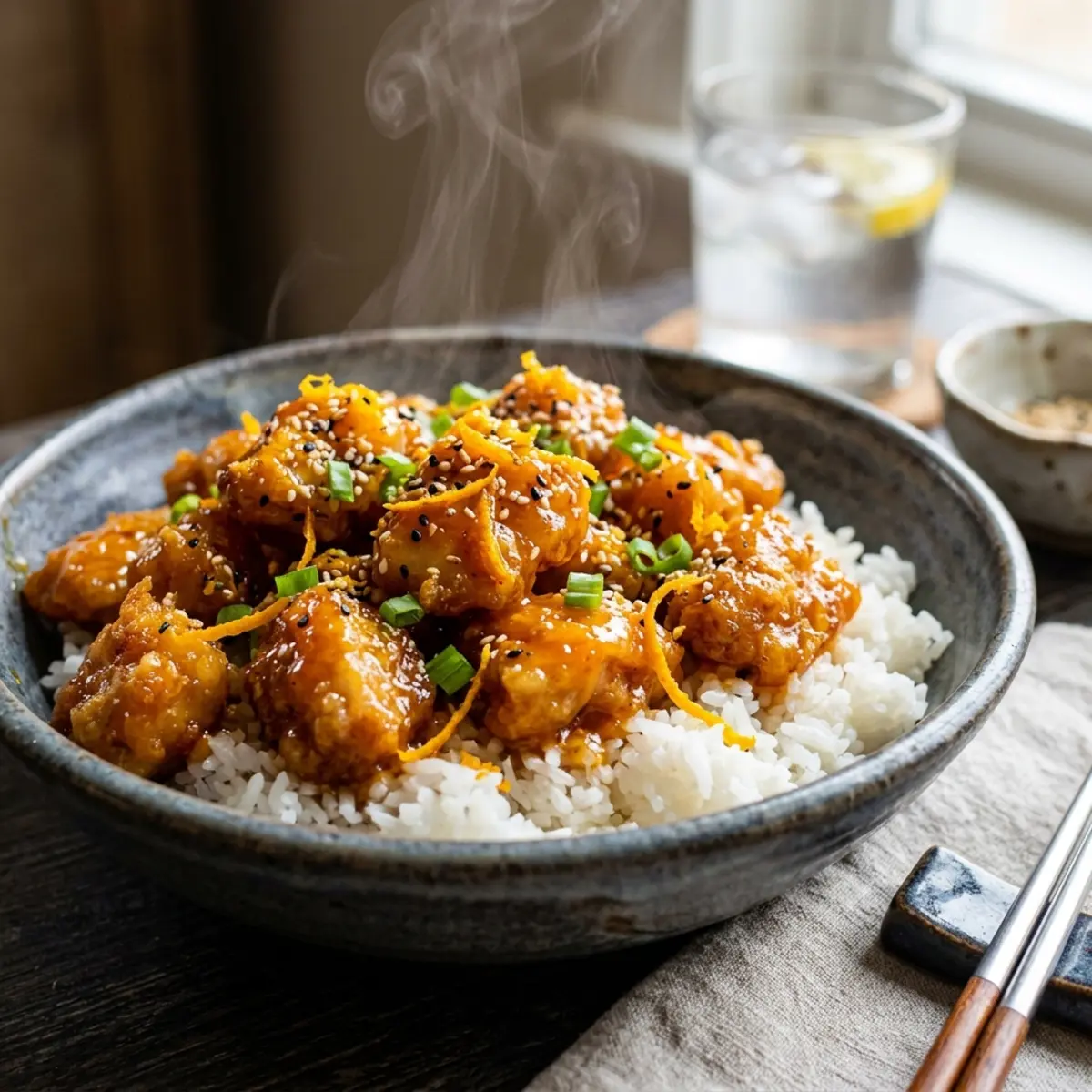
Crispy Orange Chicken in Air Fryer
 Chicken
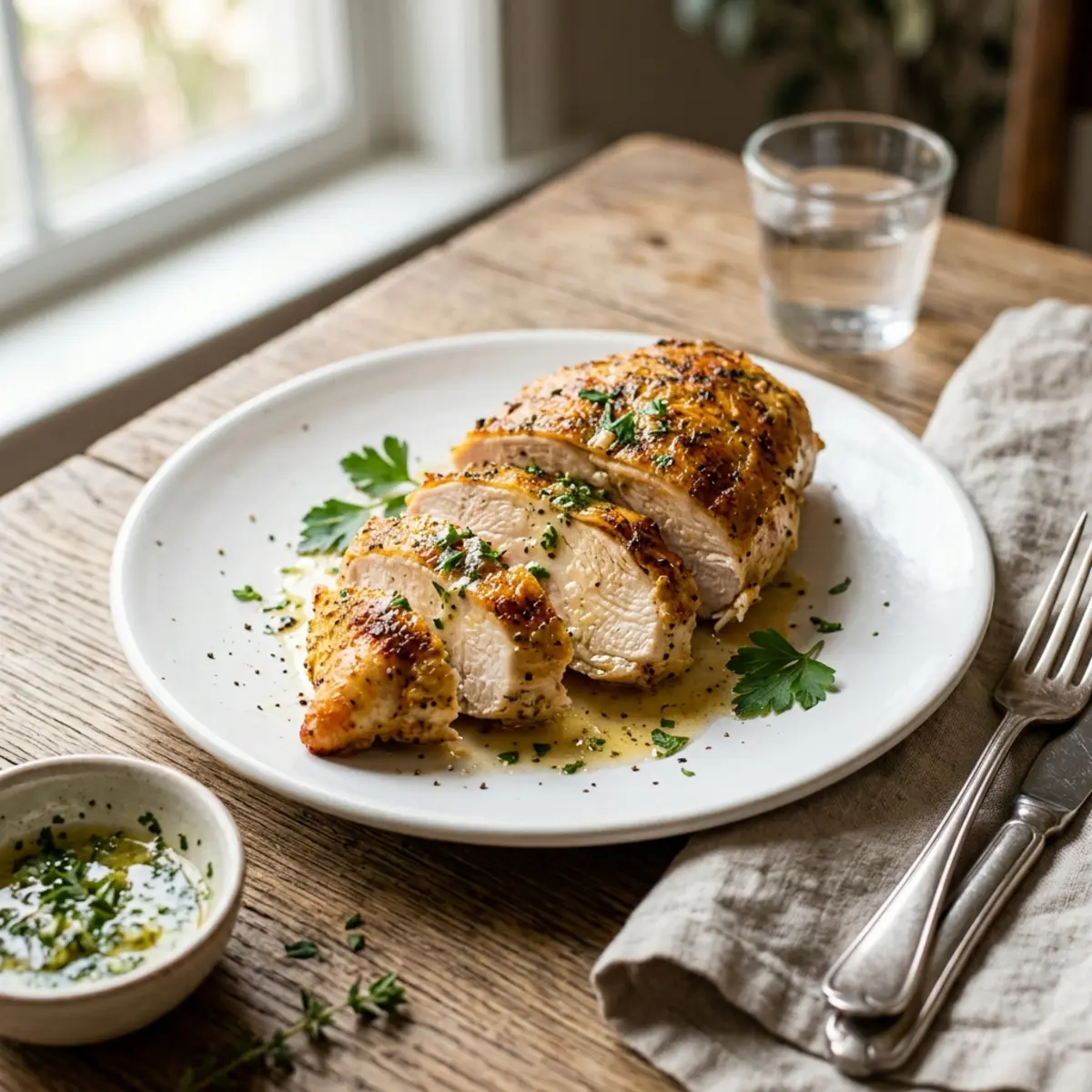
Air Fryer Chicken Breast: Juicy and Buttery in 20 Minutes
 Chicken