Air Fryer Chicken Piccata
A quick and delicious chicken piccata recipe made in the air fryer for a crispy texture and a tangy lemon-caper sauce.

Steps
- 01
Preheat the air fryer to 180°C (350°F) for 5 minutes.
- 02
Slice each chicken breast horizontally to make 4 thin cutlets. Season both sides with salt and pepper.
- 03
In a shallow dish, mix flour with a pinch of salt and pepper. Lightly dredge each cutlet in the flour, shaking off excess.
- 04
Lightly brush the cutlets with olive oil (or spray with oil). Place them in a single layer in the air fryer basket. Cook at 180°C (350°F) for 10-12 minutes, flipping halfway, until golden and cooked through.
- 05
Meanwhile, prepare the sauce: in a small skillet, melt butter over medium heat. Add lemon juice, chicken broth, and capers. Bring to a gentle boil, then reduce heat and simmer for 2-3 minutes until slightly reduced.
- 06
Stir in fresh parsley. Serve the chicken hot, drizzled with the piccata sauce.
Recipe story
Chicken piccata has its origins in Jewish cuisine from ancient Rome, where lemon and capers were used to preserve meat. In the 16th century, capers brought from the East and lemons cultivated in the Medici gardens transformed this dish into an Italian classic. The recipe was popularized in the United States by Italian immigrants in the early 20th century.
Ingredient Secrets
Discover the culinary secrets and flavor history of key ingredients in this dish.
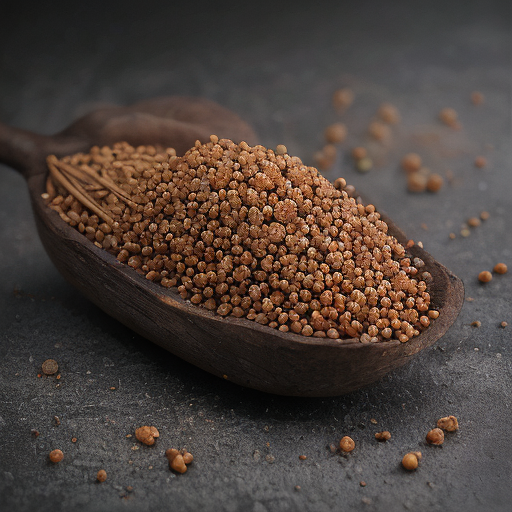
Black pepper
Known as 'black gold' in antiquity, pepper was so valuable that it served as currency and tribute. In the Middle Ages, Venetian merchants controlled the pepper trade, and individual peppercorns were often counted. Legend has it that when Alaric, king of the Visigoths, demanded tribute from Rome, he included 3,000 pounds of pepper.
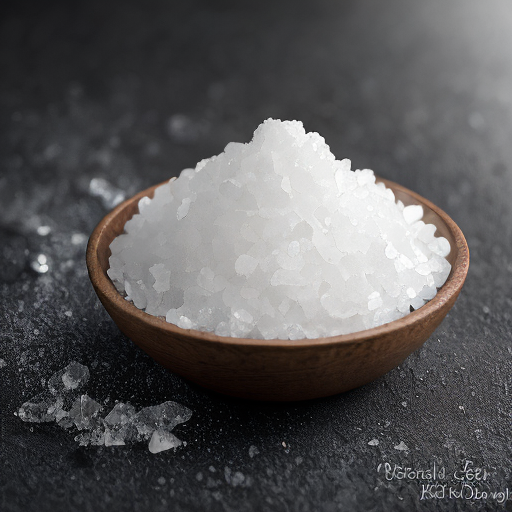
Sea salt
Sea salt, extracted from ocean waters by evaporation, was one of the most precious goods of antiquity, used both as food and as currency. In ancient Rome, soldiers were paid with salt, which is the origin of the word 'salary'. Salt roads connected entire civilizations, and in the Middle Ages, salt was so valuable it was called 'white gold'.
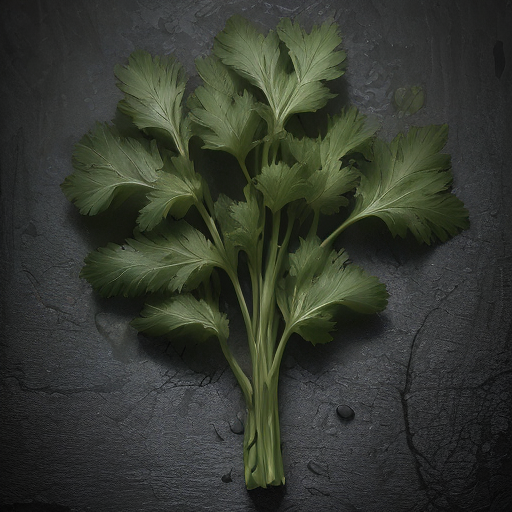
Parsley
In Greek mythology, parsley was associated with death and rebirth, planted on graves to symbolize the cycle of life. Romans used it generously in cooking and as a remedy for hangovers.
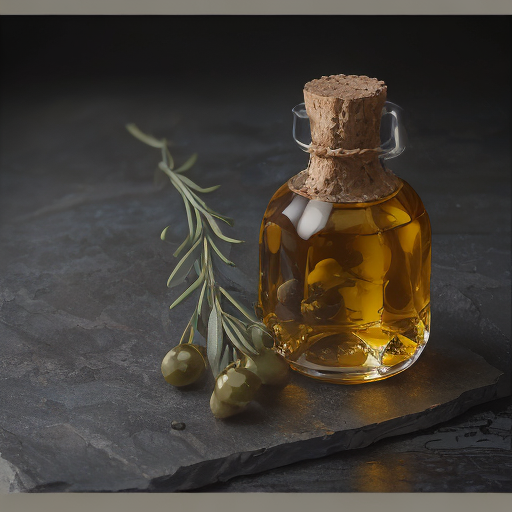
Olive oil
Originating in the Mediterranean basin, olive oil was already produced in ancient Crete 5,000 years ago. In ancient Greece, it was considered a gift from Athena and used in lamps, cosmetics, and religious ceremonies. The Romans spread it throughout the empire, and in the Middle Ages, monasteries preserved the tradition of its production.
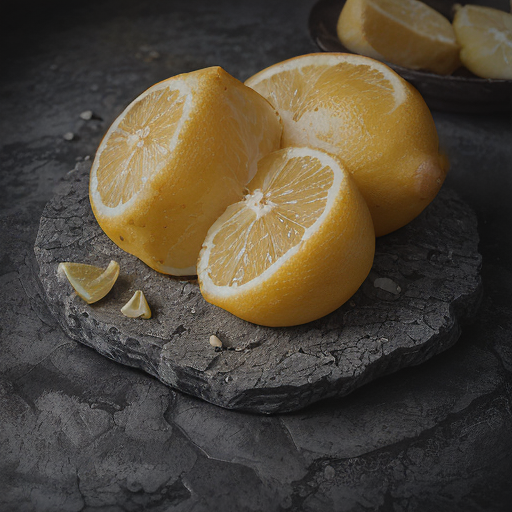
Lemon
The lemon is an ancient hybrid between citron and bitter orange, likely originating in northern India or China. In the Middle Ages, lemons were so valuable that they were given as gifts to kings. Fun fact: during the Gold Rush, British sailors were given lemons to prevent scurvy, leading to the nickname 'limey'.
You may also like
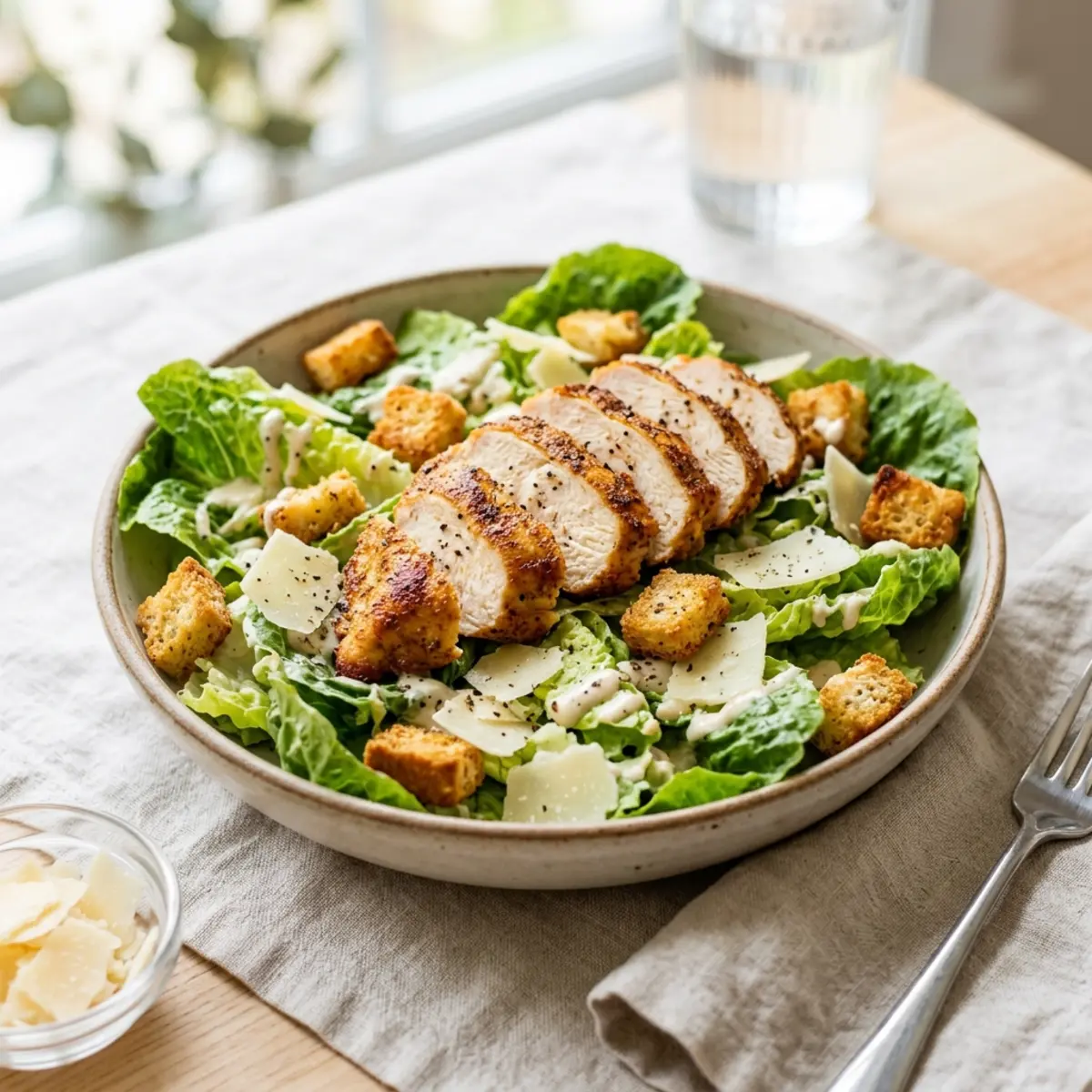 Chicken
Air Fryer Caesar Salad with Chicken – Quick and Crispy Recipe
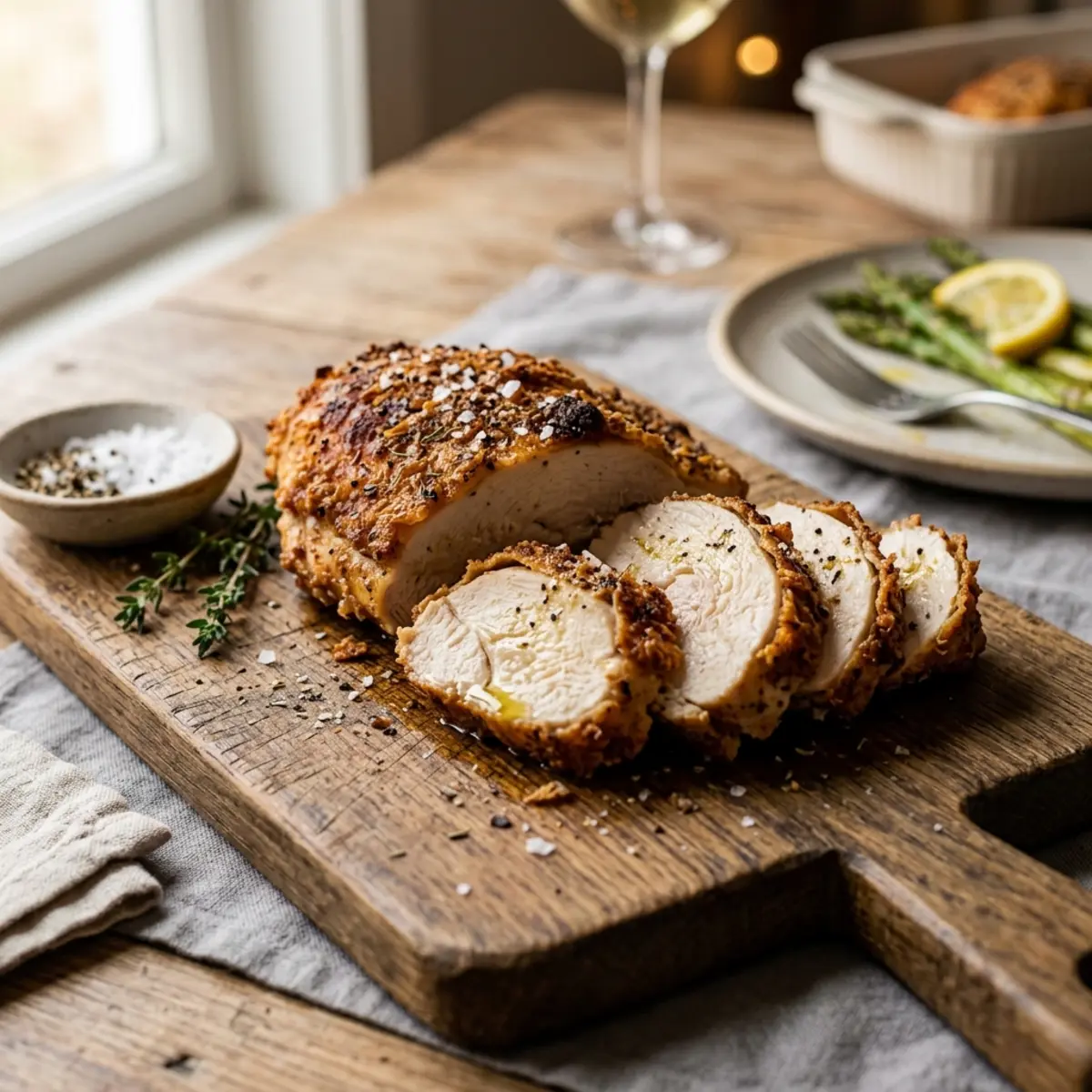 Chicken
Crispy Air Fryer Chicken Breast
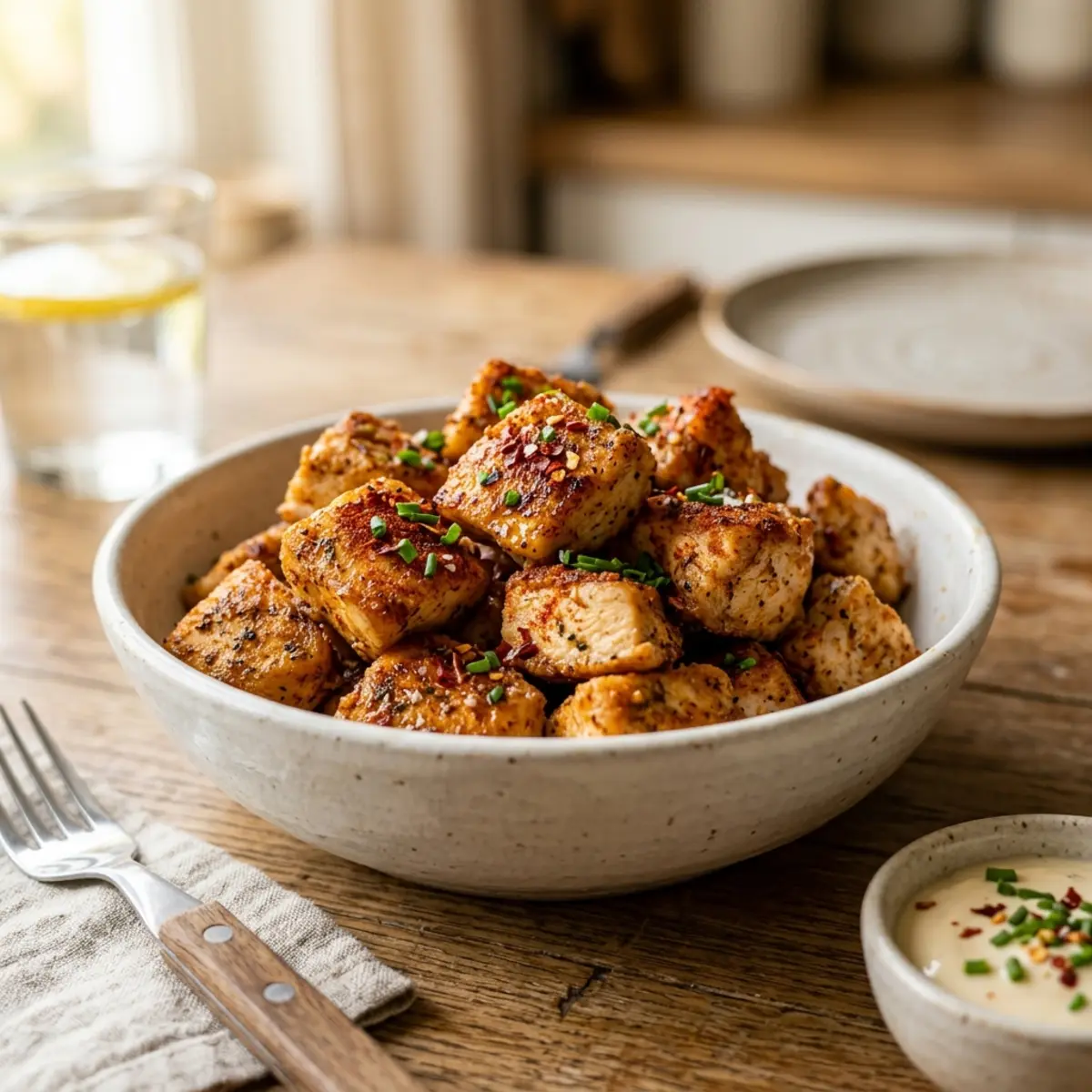 Chicken
Air Fryer Chicken Breast – Quick 17-Minute Recipe
 Chicken
Crispy Orange Chicken in Air Fryer
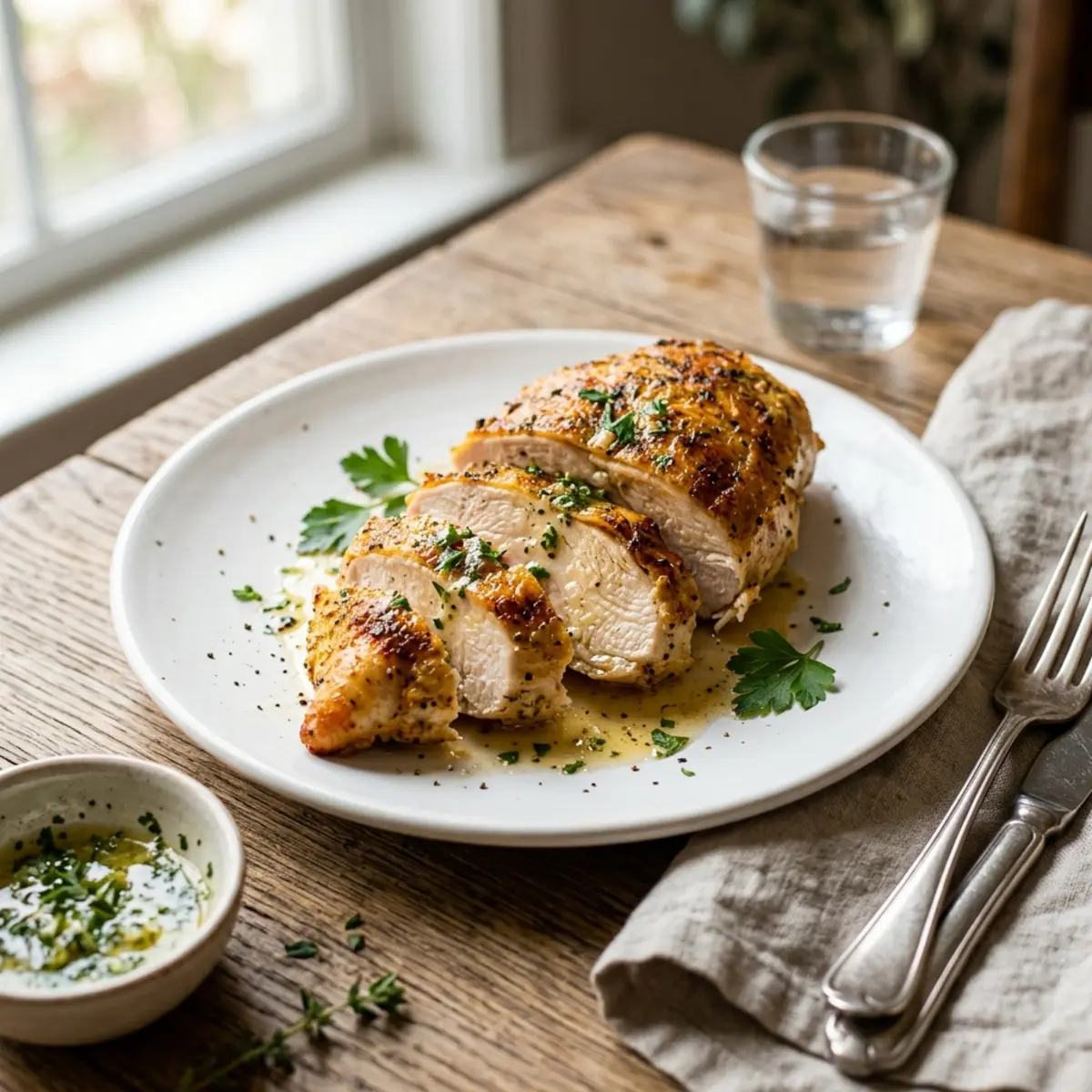 Chicken
Air Fryer Chicken Breast: Juicy and Buttery in 20 Minutes
 Chicken