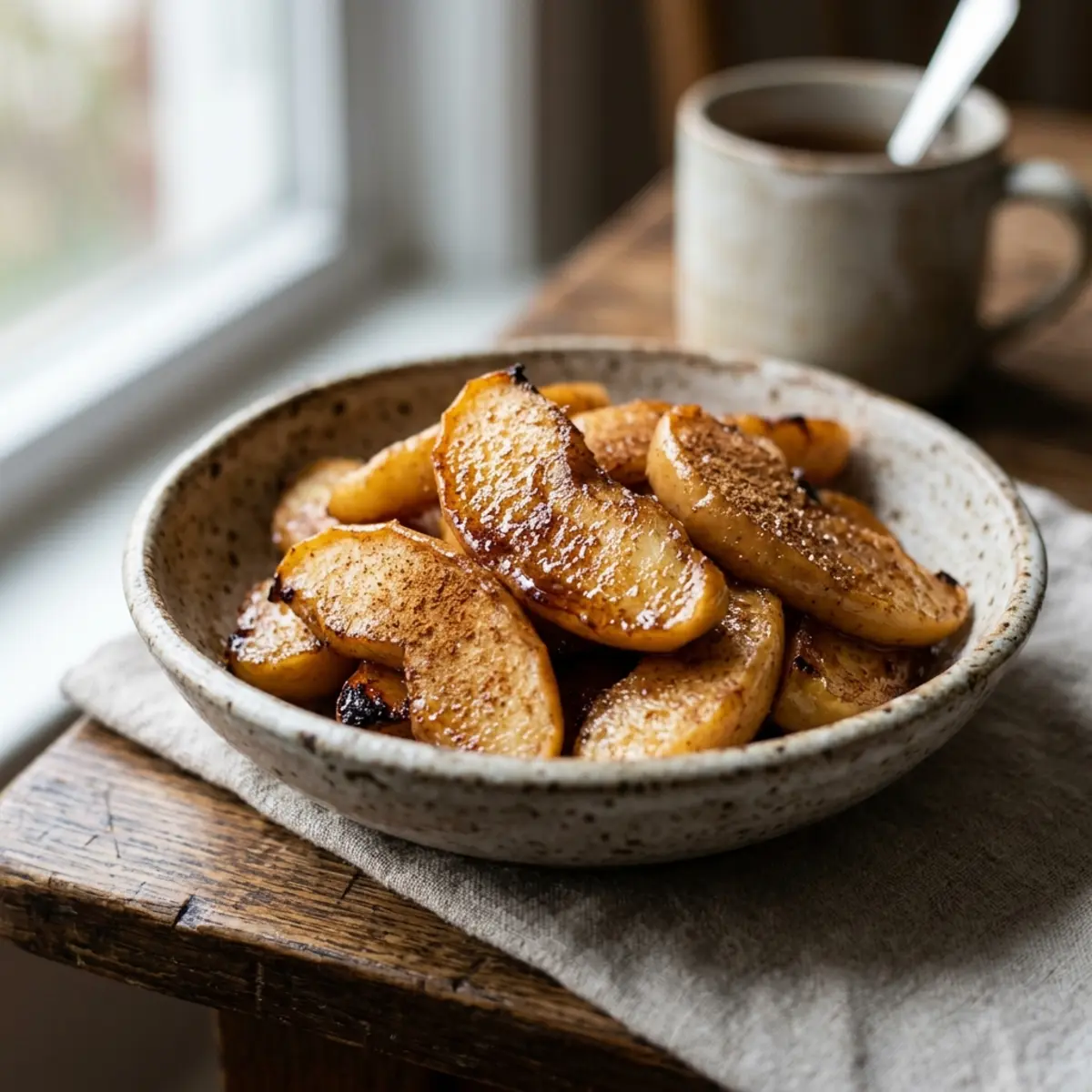
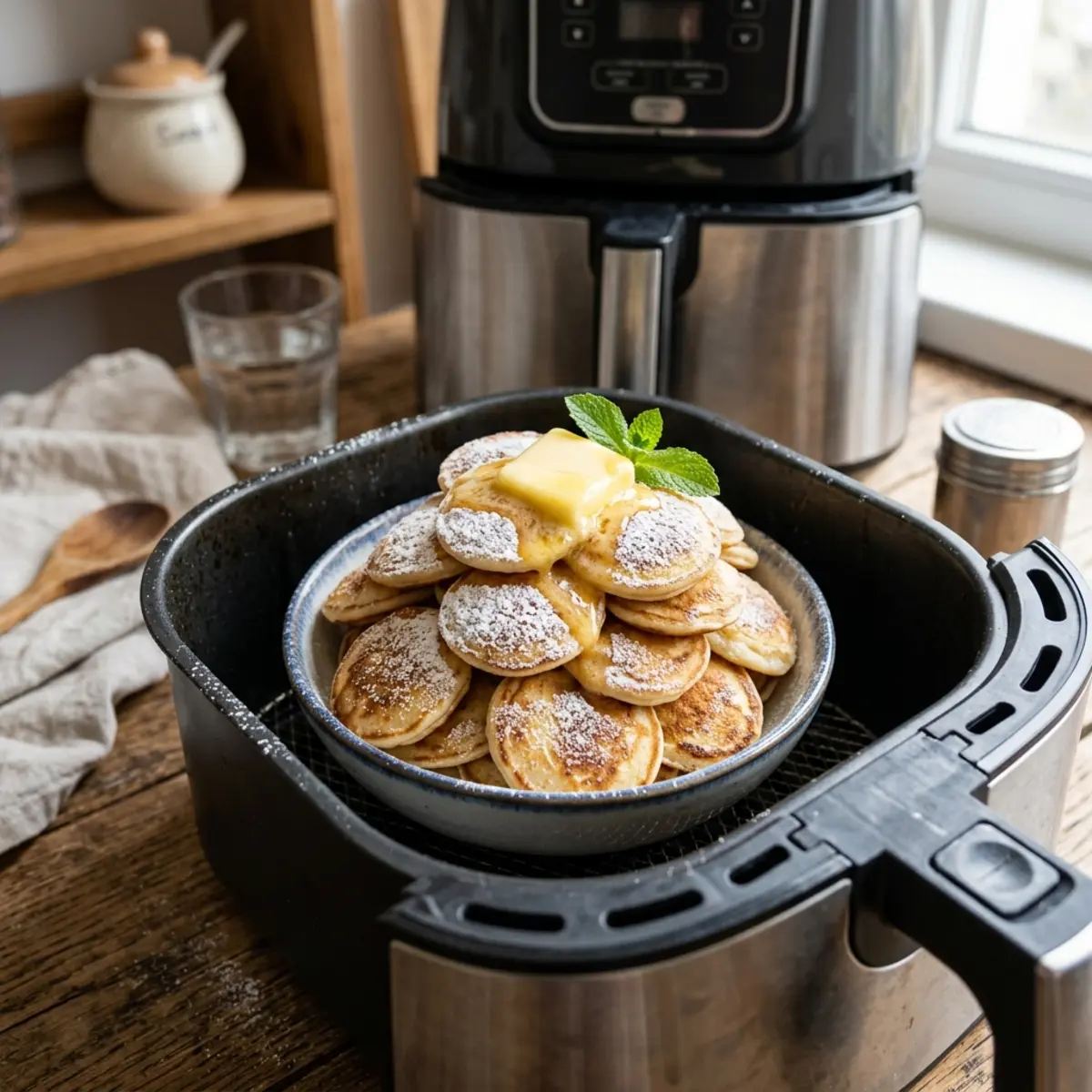
Air Fryer Brownies – Delicious and Fudgy in 30 Minutes
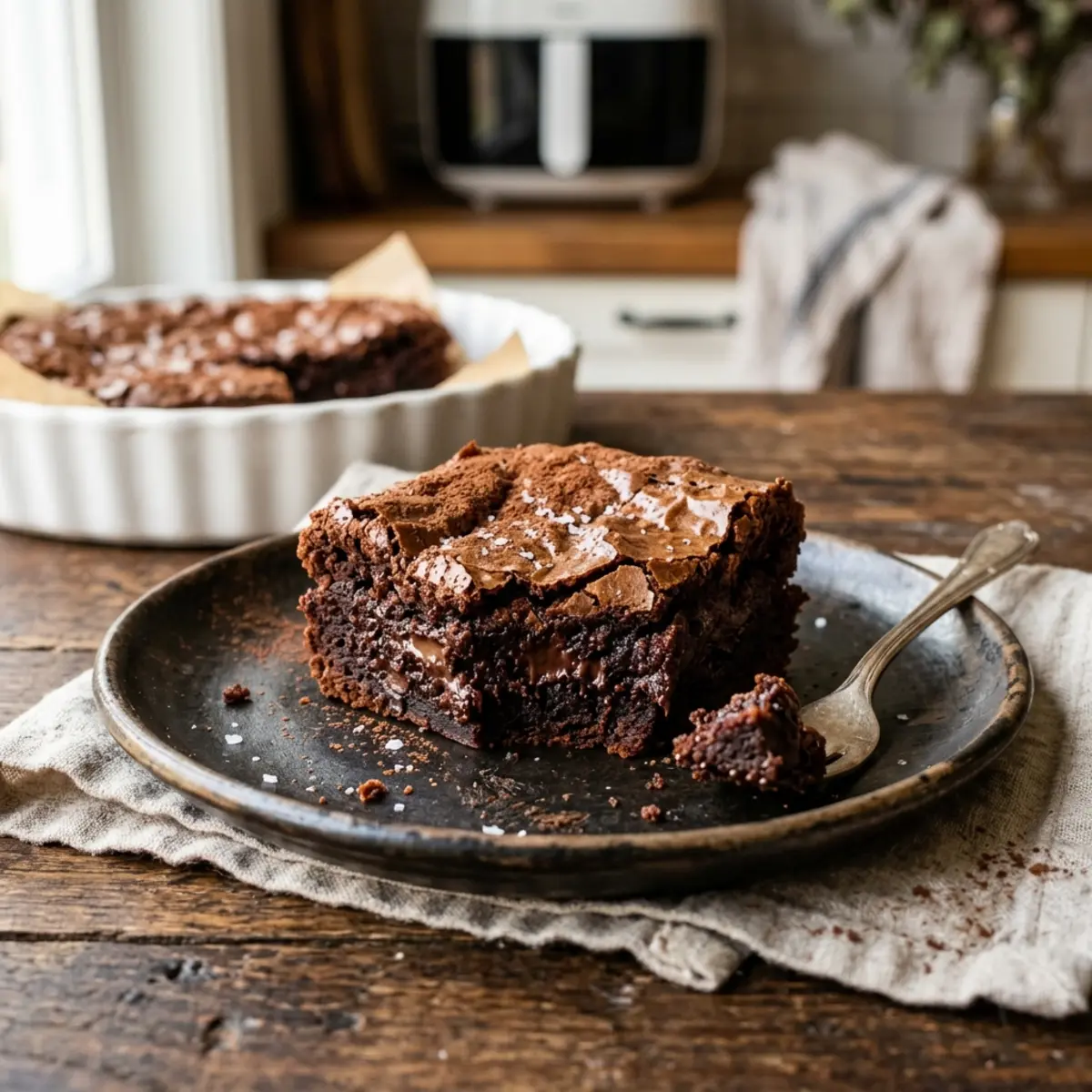
Brownies with a crispy exterior and soft interior, cooked quickly in an air fryer.
Steps
- 01
In a large bowl, mix melted butter with sugar until well combined. Add eggs one at a time, then stir in vanilla extract.
- 02
In another bowl, sift together flour, cocoa powder, salt, and baking powder. Gradually add dry ingredients to wet mixture, stirring gently until just combined.
- 03
Grease a small pan that fits in the air fryer or line it with parchment paper. Pour batter into pan and spread evenly.
- 04
Preheat air fryer to 165°C (330°F). Bake brownies for 18–20 minutes. Test with a toothpick inserted in center: it should come out with a few moist crumbs, not liquid batter.
- 05
Let brownies cool in pan for 5–10 minutes, then cut into squares and serve.
Recipe story
The brownie was created in the late 19th century in the United States at the Palmer House Hotel in Chicago for a world exposition. The original recipe included chocolate and nuts, and the fudgy texture quickly became popular. Over time, the brownie has evolved into countless variations, including this version adapted for the air fryer, which preserves the essence of the classic American dessert.
Ingredient Secrets
Discover the culinary secrets and flavor history of key ingredients in this dish.
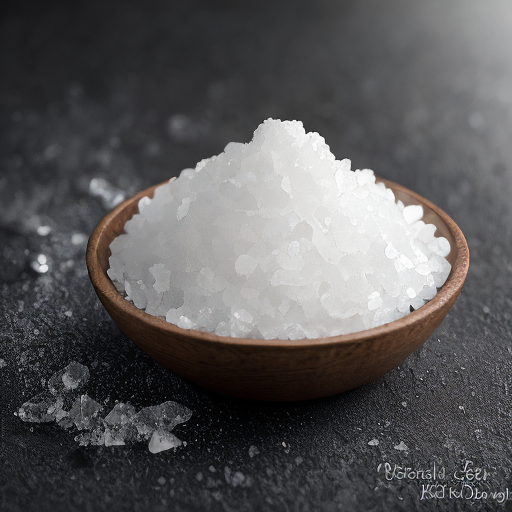
Sea salt
Sea salt, extracted from ocean waters by evaporation, was one of the most precious goods of antiquity, used both as food and as currency. In ancient Rome, soldiers were paid with salt, which is the origin of the word 'salary'. Salt roads connected entire civilizations, and in the Middle Ages, salt was so valuable it was called 'white gold'.
Vanilla
Vanilla, native to Mexico, was discovered by Spanish conquistadors who brought it to Europe in the 16th century. In Aztec culture, vanilla was used to flavor a royal cocoa drink. For centuries, hand-pollination was a closely guarded secret, and it wasn't until 1841 that a 12-year-old slave on Réunion discovered the method that allowed widespread cultivation.