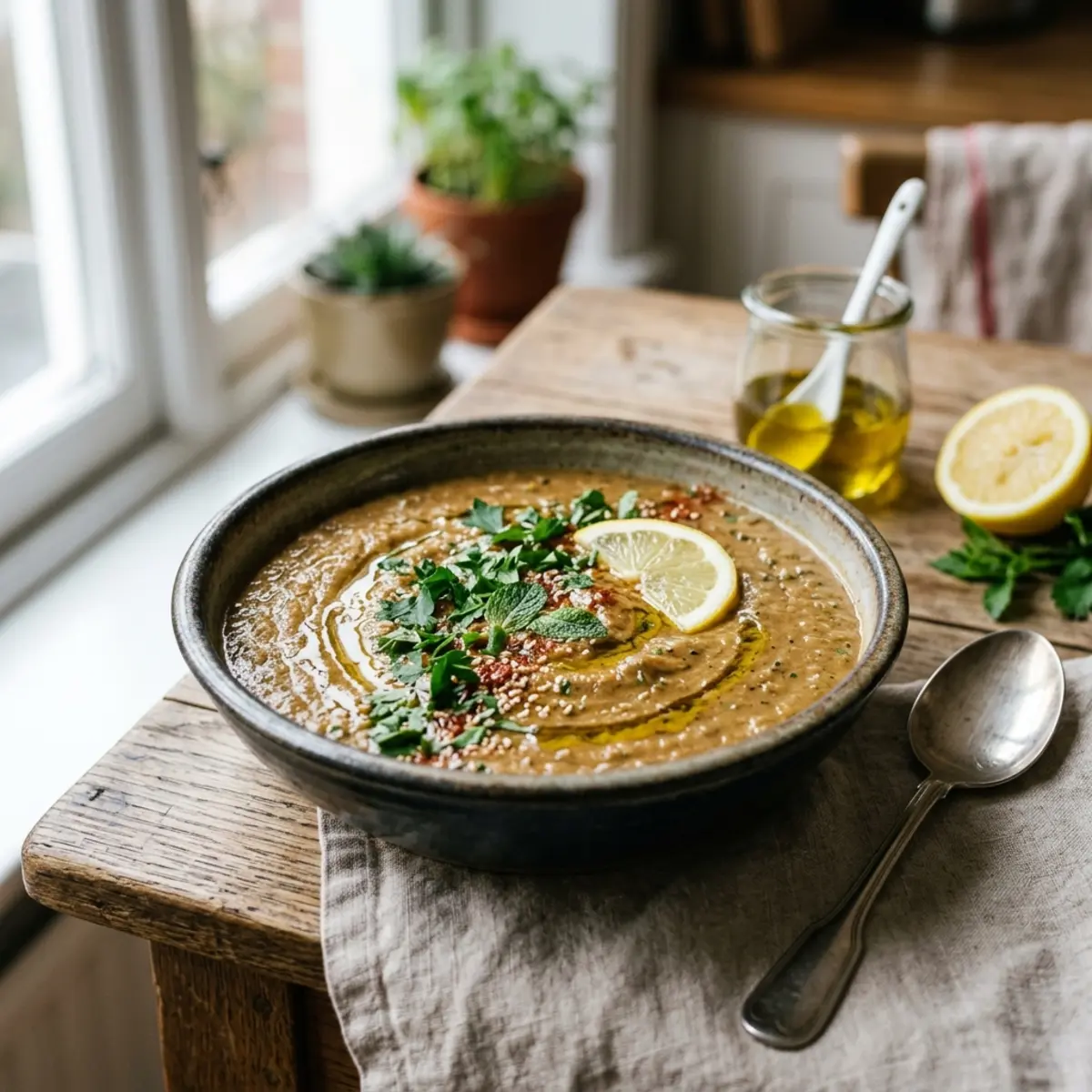
Air Fryer Baba Ganoush Soup with Lemon
A creamy and smoky eggplant soup inspired by the classic Levantine dip, cooked quickly in an air fryer.
Steps
- 01
Preheat the air fryer to 200°C (400°F).
- 02
Prick the eggplants with a fork and place them in the air fryer basket.
- 03
Air fry for 20-25 minutes, turning once, until the skin is charred and the flesh is soft.
- 04
Let the eggplants cool slightly, then peel off the skin.
- 05
In a blender, combine the eggplant flesh, lemon juice, tahini, garlic, olive oil, and salt.
- 06
Gradually add the water and blend until smooth and creamy.
- 07
Pour the soup into a pot and warm over medium heat for 5 minutes, stirring occasionally.
- 08
Serve warm, drizzled with olive oil and a few drops of lemon juice.
Recipe story
Baba ganoush is a traditional Middle Eastern dish originating from the Levant. It is said to have been created in the imperial kitchens of the Ottoman Empire, where eggplants were roasted over embers and turned into a fine paste. Over centuries, the recipe spread throughout the region, becoming a beloved appetizer in Lebanon, Syria, and Israel. The soup version is a modern twist, preserving the characteristic smoky flavor.
Ingredient Secrets
Discover the culinary secrets and flavor history of key ingredients in this dish.
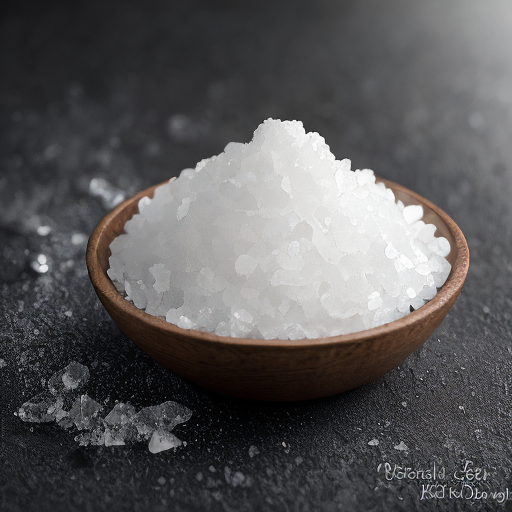
Sea salt
Sea salt, extracted from ocean waters by evaporation, was one of the most precious goods of antiquity, used both as food and as currency. In ancient Rome, soldiers were paid with salt, which is the origin of the word 'salary'. Salt roads connected entire civilizations, and in the Middle Ages, salt was so valuable it was called 'white gold'.
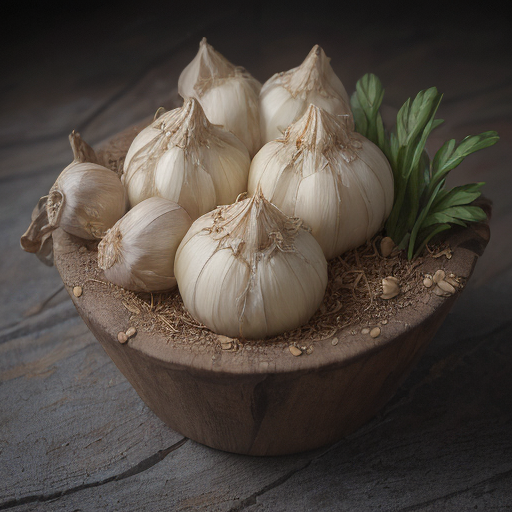
Garlic
Native to Central Asia, garlic was already known in ancient Egypt, where it was given to slaves to boost their strength. In ancient Greece, athletes consumed it before competitions, and in Rome, legionaries considered it essential for courage. During the Middle Ages, it was used to ward off vampires and the plague.
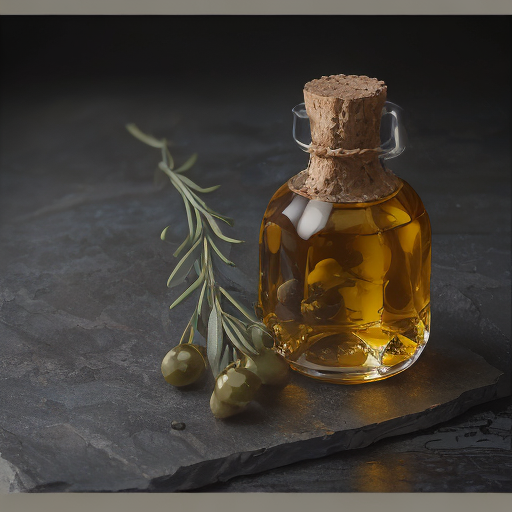
Olive oil
Originating in the Mediterranean basin, olive oil was already produced in ancient Crete 5,000 years ago. In ancient Greece, it was considered a gift from Athena and used in lamps, cosmetics, and religious ceremonies. The Romans spread it throughout the empire, and in the Middle Ages, monasteries preserved the tradition of its production.
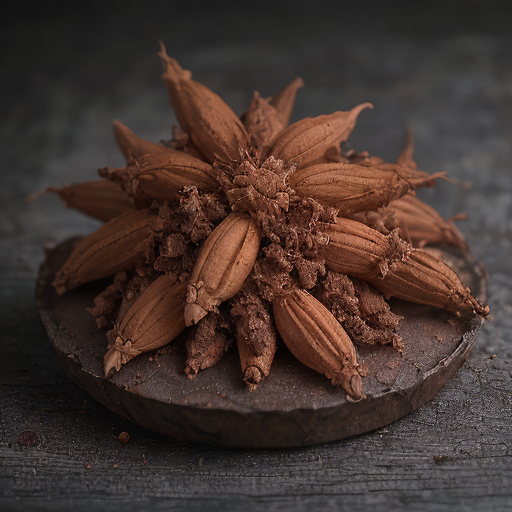
Cloves
Cloves, the dried buds of the exotic Syzygium aromaticum tree, were one of the most prized spices of the ancient world, often called 'aromatic gold'. In the Middle Ages, Venetian merchants controlled the clove trade, bringing them from the Maluku Islands, the only place they grew, and selling them at exorbitant prices in Europe.

Eggplant
Although the name 'eggplant' suggests a connection to eggs, this purple vegetable actually originates from India, where it was cultivated over 4,000 years ago. Arabs introduced eggplants to Europe during the Middle Ages.
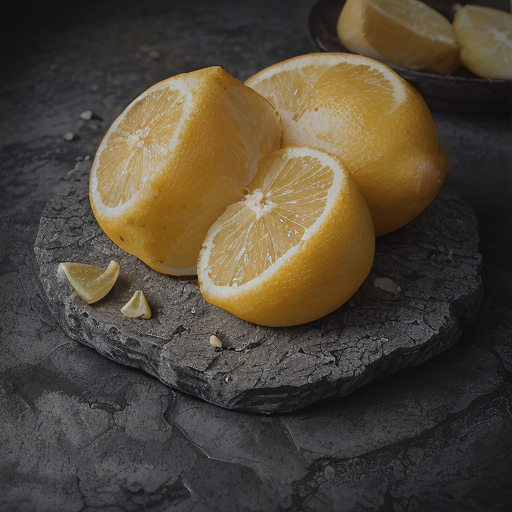
Lemon
The lemon is an ancient hybrid between citron and bitter orange, likely originating in northern India or China. In the Middle Ages, lemons were so valuable that they were given as gifts to kings. Fun fact: during the Gold Rush, British sailors were given lemons to prevent scurvy, leading to the nickname 'limey'.
You may also like
 Misc
MiscAir Fryer S'mores – Quick Campfire Treat Without Fire
 Misc
MiscHow to Reheat Frikandellen in Air Fryer: Quick and Crispy Recipe
 Misc
MiscHow to Reheat Chicken in Air Fryer (Crispy and Juicy)
 Misc
MiscCrispy Reheated Chicken Pieces in Air Fryer
 Misc
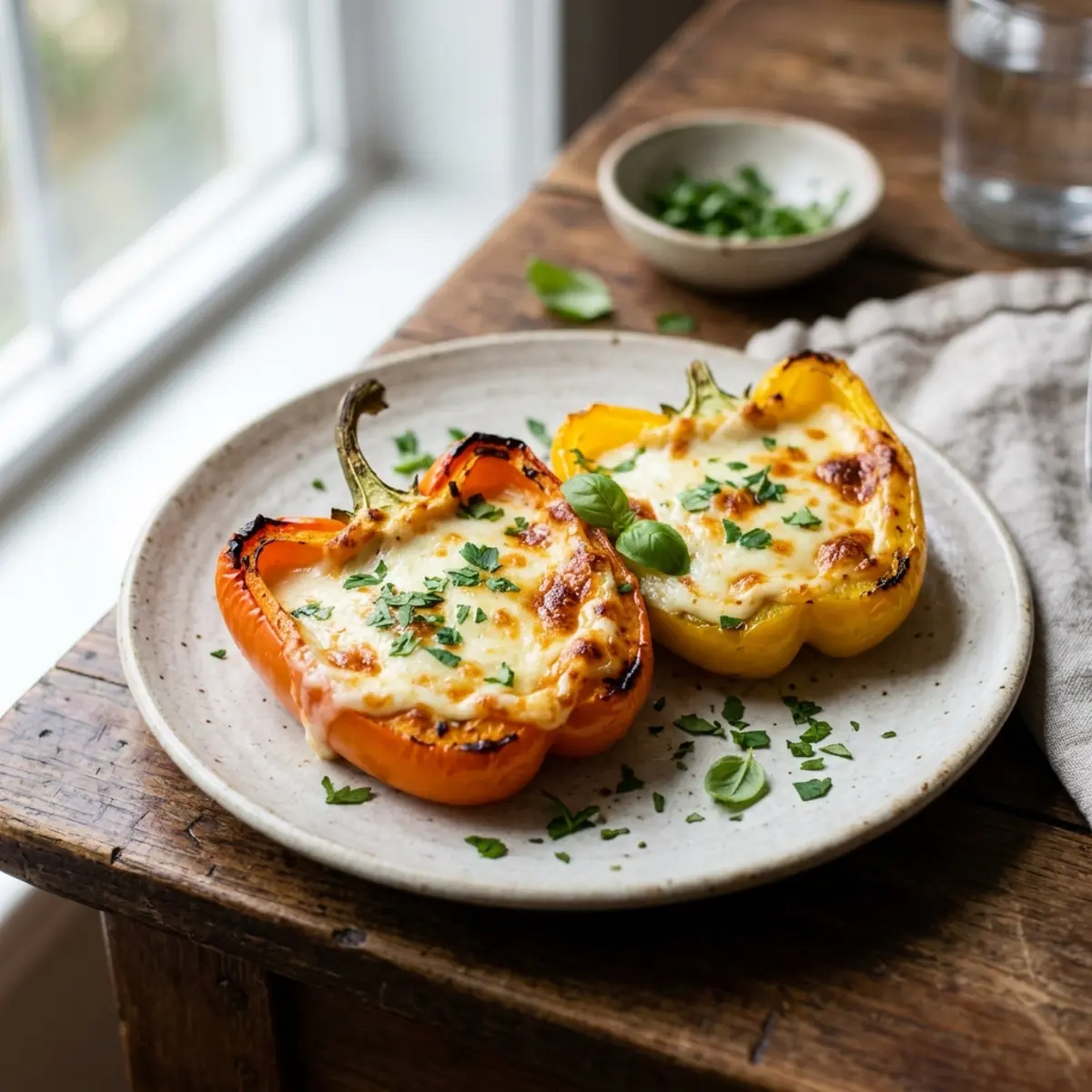
MiscStuffed Bell Pepper with Mozzarella in Air Fryer
 Misc
Misc