Endive and Comté Tartines in Air Fryer
Crispy tartines with caramelized endives and Comté cheese, quickly cooked in an air fryer.

Steps
- 01
Sauté the chopped endives in butter with honey and balsamic vinegar until lightly caramelized, about 5 minutes.
- 02
Cut the puff pastry into 4 rectangles. Prick the center of each with a fork, leaving a 1 cm border.
- 03
Divide the caramelized endives among the pastry pieces, then sprinkle grated Comté cheese on top.
- 04
Place the tartines on parchment paper in the air fryer basket.
- 05
Cook for 8-10 minutes at 180°C (350°F) until the edges are golden.
Recipe story
Originating from the Franche-Comté region in eastern France, this tartine combines Comté cheese, aged in limestone caves, with endives grown in sandy soils. The recipe was popularized by local chefs seeking to showcase regional ingredients. It is said to have been first served at festive meals of farmers in the Jura mountains.
Ingredient Secrets
Discover the culinary secrets and flavor history of key ingredients in this dish.
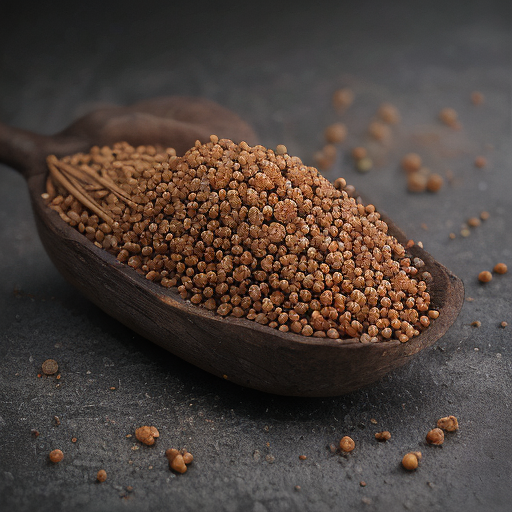
Black pepper
Known as 'black gold' in antiquity, pepper was so valuable that it served as currency and tribute. In the Middle Ages, Venetian merchants controlled the pepper trade, and individual peppercorns were often counted. Legend has it that when Alaric, king of the Visigoths, demanded tribute from Rome, he included 3,000 pounds of pepper.
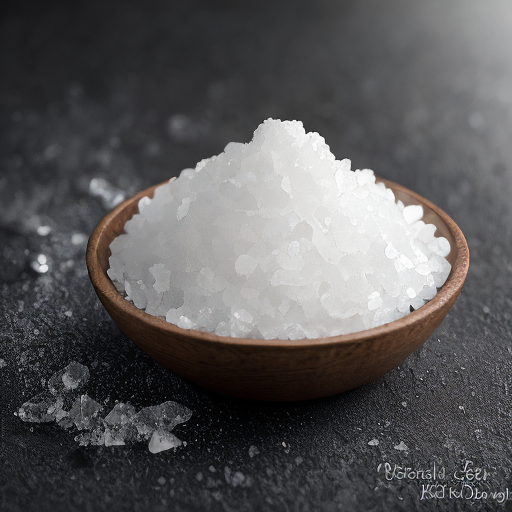
Sea salt
Sea salt, extracted from ocean waters by evaporation, was one of the most precious goods of antiquity, used both as food and as currency. In ancient Rome, soldiers were paid with salt, which is the origin of the word 'salary'. Salt roads connected entire civilizations, and in the Middle Ages, salt was so valuable it was called 'white gold'.
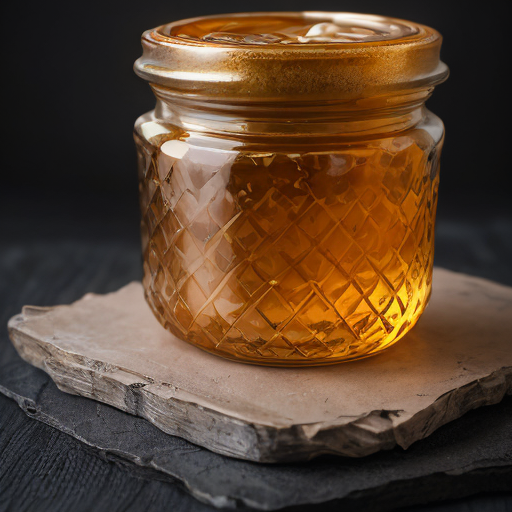
Honey
Honey is one of the oldest sweet foods, used since the Stone Age. In ancient Egypt, it was offered to the gods and used in embalming. In ancient Greece, it was considered the food of the gods, and in Rome, it was used as medicine and preservative. During the Middle Ages, honey was the main sweetener in Europe before sugar.