Loaded Air Fryer Nachos – Quick and Crunchy Recipe
Crispy nachos with melted cheese, tomatoes, jalapeño, and olives, quickly cooked in an air fryer.

Steps
- 01
Preheat the air fryer to 190°C (375°F). Line the basket with parchment paper or spray with cooking oil.
- 02
Arrange a thin, even layer of tortilla chips in the basket without overlapping.
- 03
Sprinkle shredded cheddar and Monterey Jack evenly over the chips. Cook in the air fryer for 5–6 minutes until cheese melts and turns golden.
- 04
Carefully remove the basket and top with diced tomato, sliced jalapeño, and black olives.
- 05
Add a dollop of sour cream and guacamole, garnish with fresh cilantro, and serve immediately.
Recipe story
Nachos were invented in 1943 in Piedras Negras, Mexico, by Ignacio "Nacho" Anaya. The story goes that to feed a group of American soldiers' wives, he melted cheese over tortilla chips and added jalapeño. The snack quickly became popular in Texas and then worldwide.
Ingredient Secrets
Discover the culinary secrets and flavor history of key ingredients in this dish.

Olive oil
Originating in the Mediterranean basin, olive oil was already produced in ancient Crete 5,000 years ago. In ancient Greece, it was considered a gift from Athena and used in lamps, cosmetics, and religious ceremonies. The Romans spread it throughout the empire, and in the Middle Ages, monasteries preserved the tradition of its production.
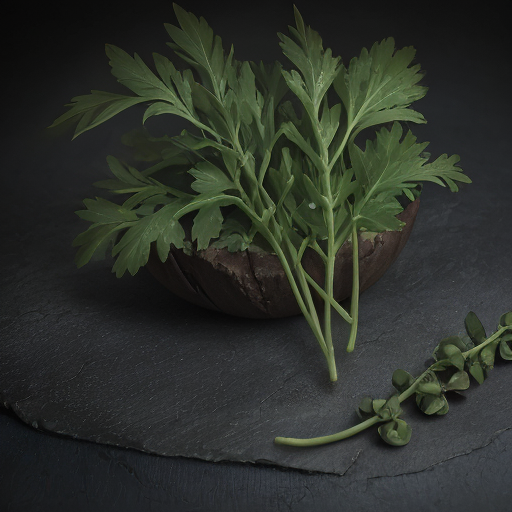
Coriander
Coriander, known since ancient times, was found in Egyptian tombs over 3,000 years old, considered a sacred spice and a remedy for immortality. The Romans brought it to Europe, where it became a staple in Mediterranean and Asian cuisines.

Tomato
Although today the tomato is indispensable in global cuisine, it was long viewed with suspicion in Europe, considered a toxic ornamental plant. It wasn't until the 19th century that Italian immigrants popularized it in the United States, turning it into an iconic ingredient of Mediterranean cuisine. Native to South America, the tomato was domesticated in Mexico and brought to Europe by Spanish conquistadors.
You may also like
 Snacks
Crispy Parmesan Asparagus in Air Fryer
 Snacks
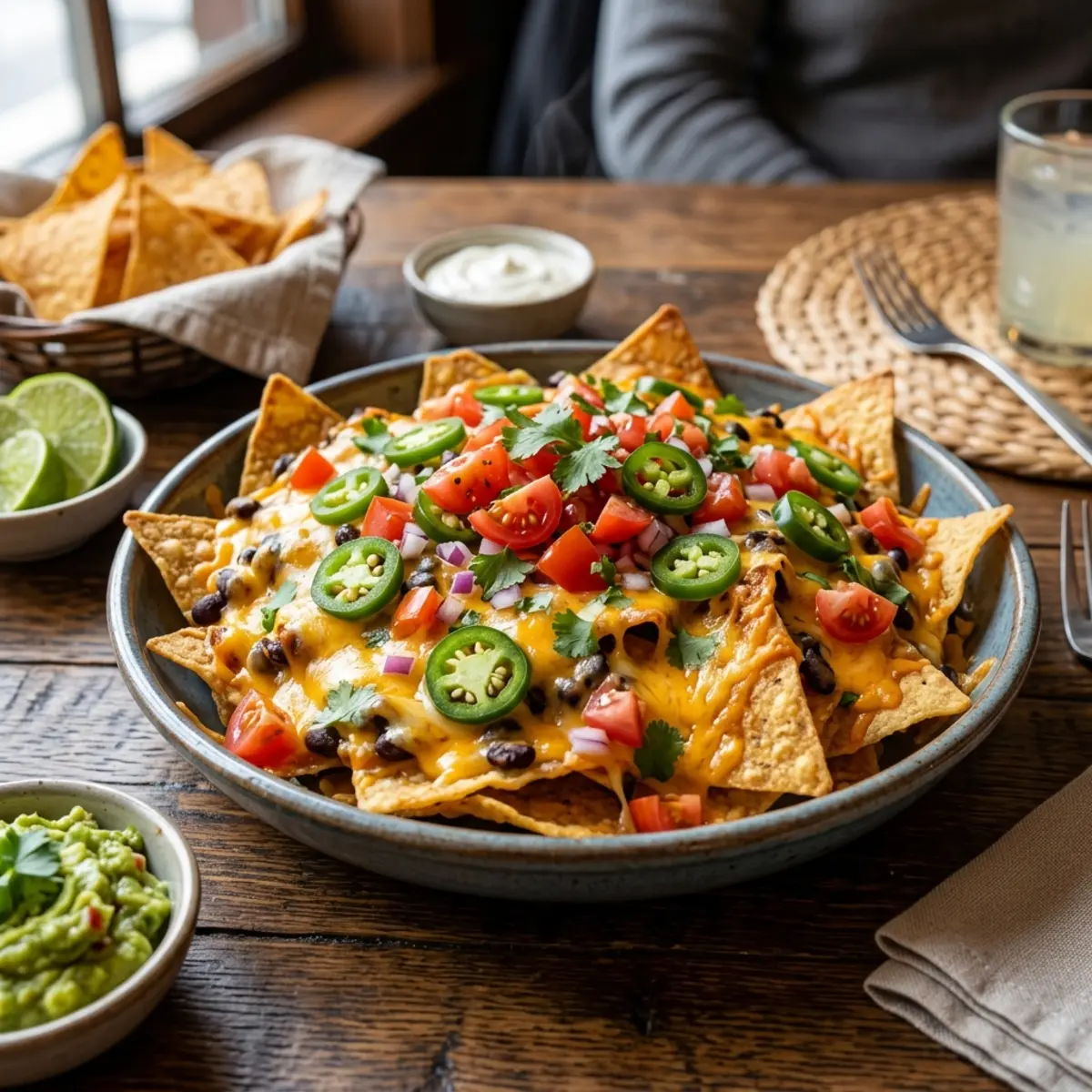
Air Fryer Nachos: Quick and Cheesy Snack
 Snacks
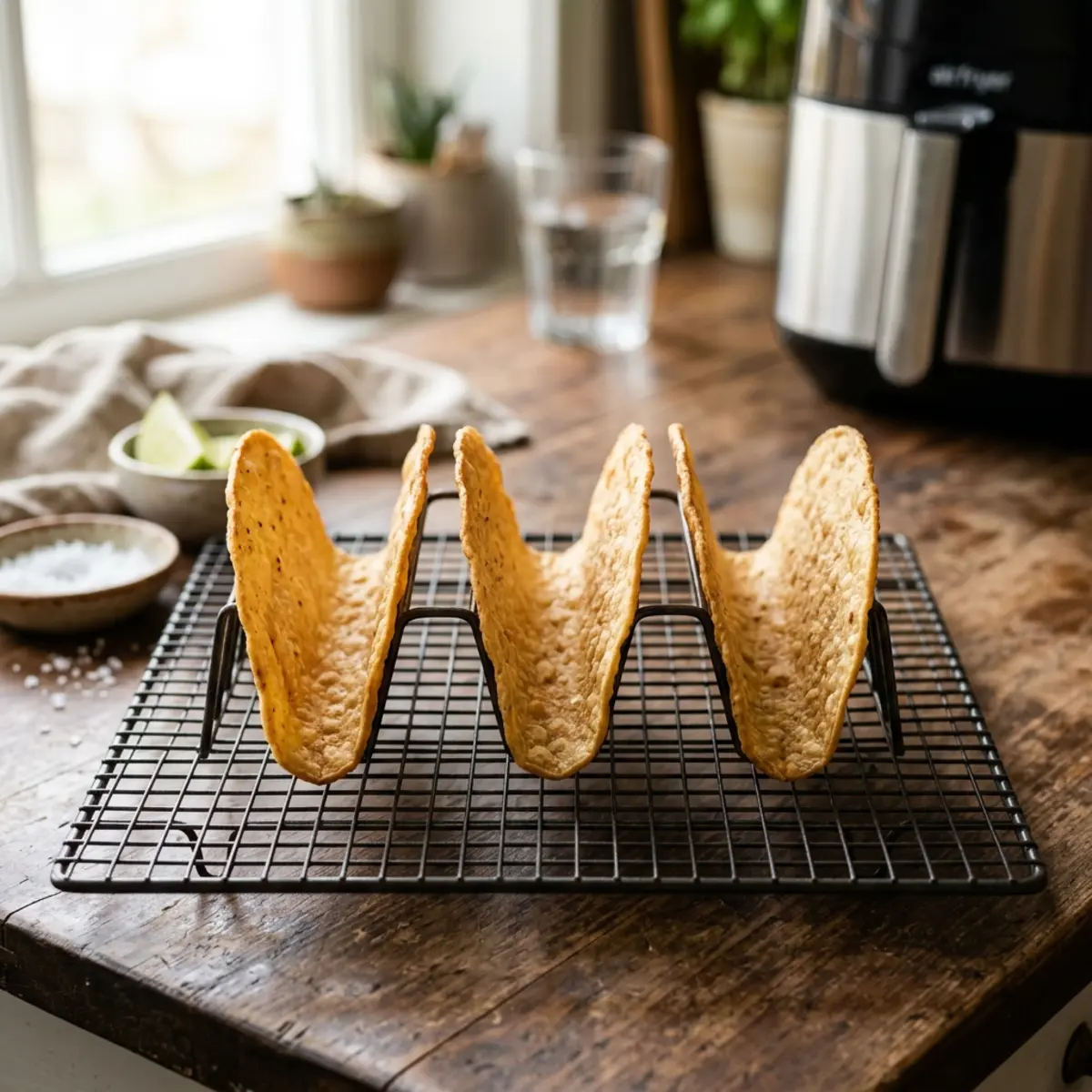
Crispy Taco Shells in Air Fryer
 Snacks
Quick Air Fryer Popcorn with Melted Butter
 Snacks
Quick Seafood Gratin in Air Fryer – Delicious Appetizer
 Snacks