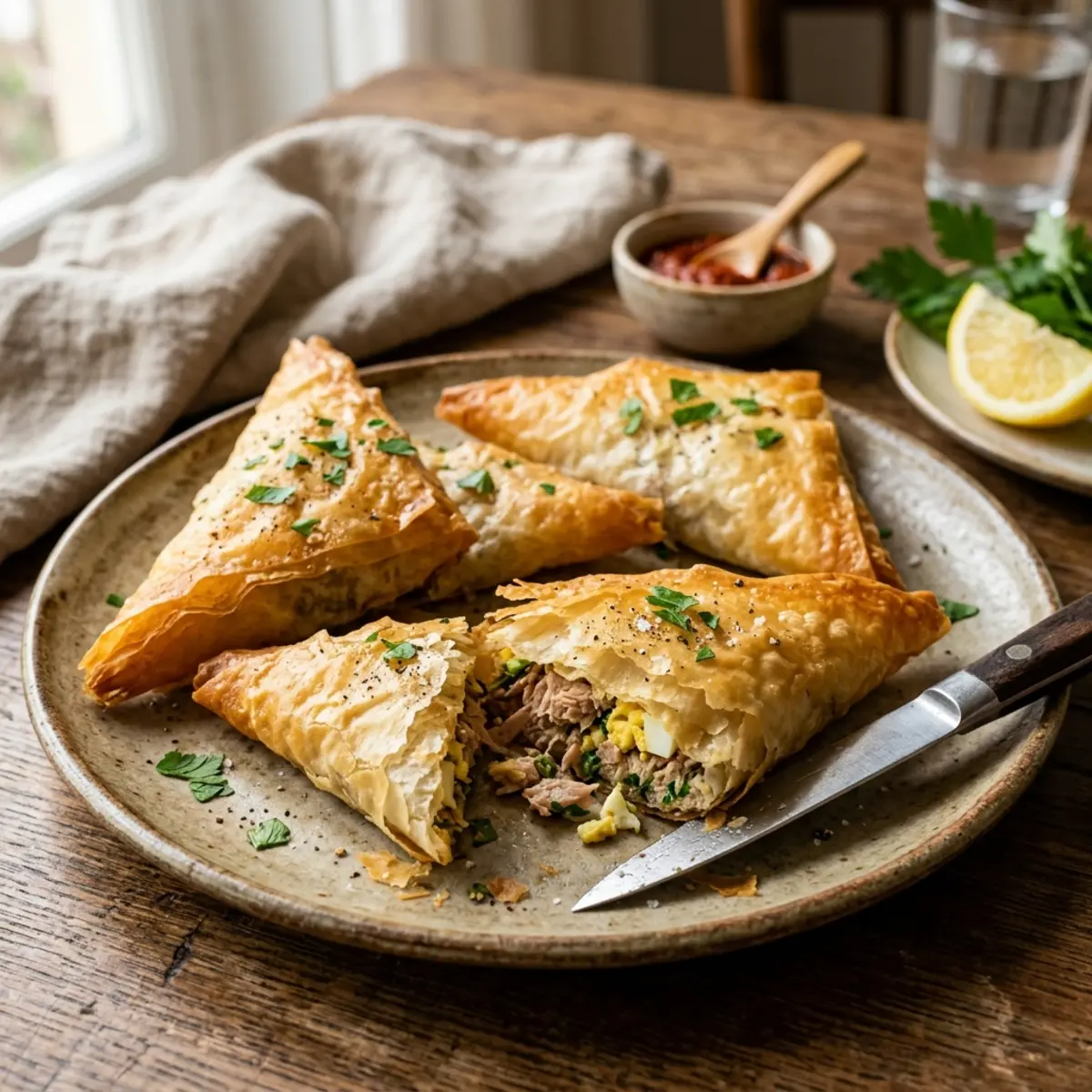
Crispy Tuna Bricks in Air Fryer – Quick Appetizer Recipe
Crispy tuna bricks cooked in air fryer, perfect as a quick and savory appetizer.
Steps
- 01
Prepare the filling: in a bowl, mix drained tuna with mashed potato, beaten egg, chopped capers, and parsley. Season with salt and pepper.
- 02
Cut brick sheets in half (for half-moons) or leave whole for larger triangles.
- 03
Place a spoonful of filling at one end of the sheet and fold into a triangle, pressing edges to seal.
- 04
For a secure seal, brush edges with a little water or egg white.
- 05
Lightly brush bricks with olive oil using a pastry brush.
- 06
Preheat air fryer to 190°C (375°F) for 3 minutes.
- 07
Arrange bricks in the air fryer basket without overlapping.
- 08
Cook for 8-10 minutes at 190°C (375°F), turning gently halfway through (after about 5 minutes).
- 09
Serve warm with lemon wedges and a green salad.
Recipe story
Brik is a traditional North African dish, originating from Tunisia, where thin malsouka sheets wrap savory fillings and are fried for celebrations. It is said that sultans offered these golden half-moons at royal banquets, symbolizing prosperity. The recipe has been adapted for air fryer, preserving the crispy texture.
Ingredient Secrets
Discover the culinary secrets and flavor history of key ingredients in this dish.
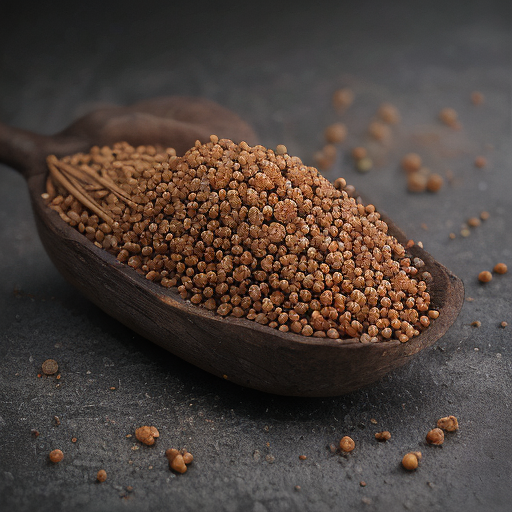
Black pepper
Known as 'black gold' in antiquity, pepper was so valuable that it served as currency and tribute. In the Middle Ages, Venetian merchants controlled the pepper trade, and individual peppercorns were often counted. Legend has it that when Alaric, king of the Visigoths, demanded tribute from Rome, he included 3,000 pounds of pepper.
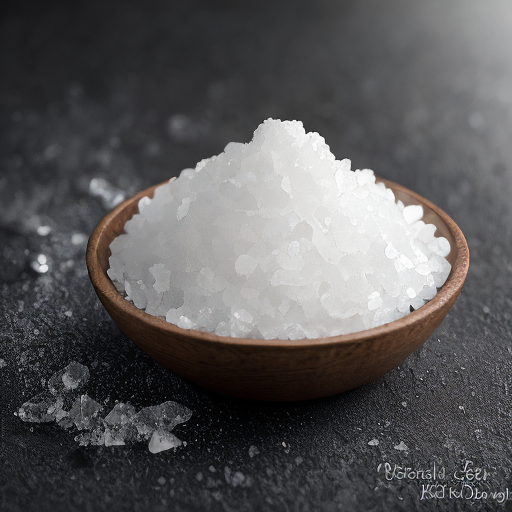
Sea salt
Sea salt, extracted from ocean waters by evaporation, was one of the most precious goods of antiquity, used both as food and as currency. In ancient Rome, soldiers were paid with salt, which is the origin of the word 'salary'. Salt roads connected entire civilizations, and in the Middle Ages, salt was so valuable it was called 'white gold'.
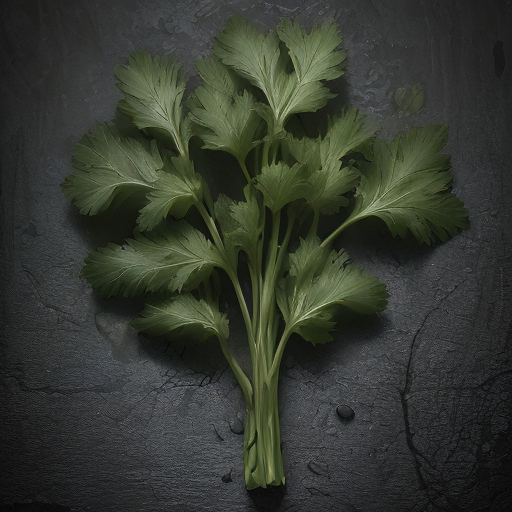
Parsley
In Greek mythology, parsley was associated with death and rebirth, planted on graves to symbolize the cycle of life. Romans used it generously in cooking and as a remedy for hangovers.
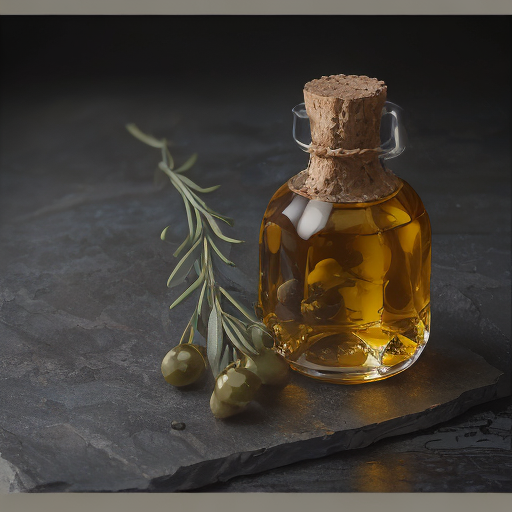
Olive oil
Originating in the Mediterranean basin, olive oil was already produced in ancient Crete 5,000 years ago. In ancient Greece, it was considered a gift from Athena and used in lamps, cosmetics, and religious ceremonies. The Romans spread it throughout the empire, and in the Middle Ages, monasteries preserved the tradition of its production.
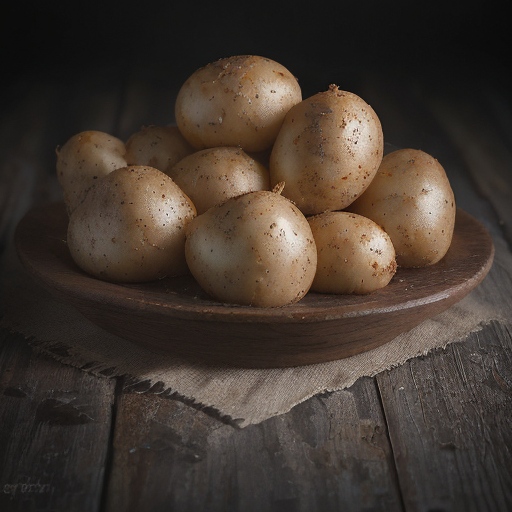
Potato
Although today it seems indispensable on the table, the potato was long viewed with suspicion in Europe. Arriving from the Andes in the 16th century, it was considered a diabolical plant, even poisonous, due to its toxic leaves and fruits. It wasn't until the 18th century, thanks to promoters like Antoine-Augustin Parmentier, that the potato became a staple food, saving Europe from famine.