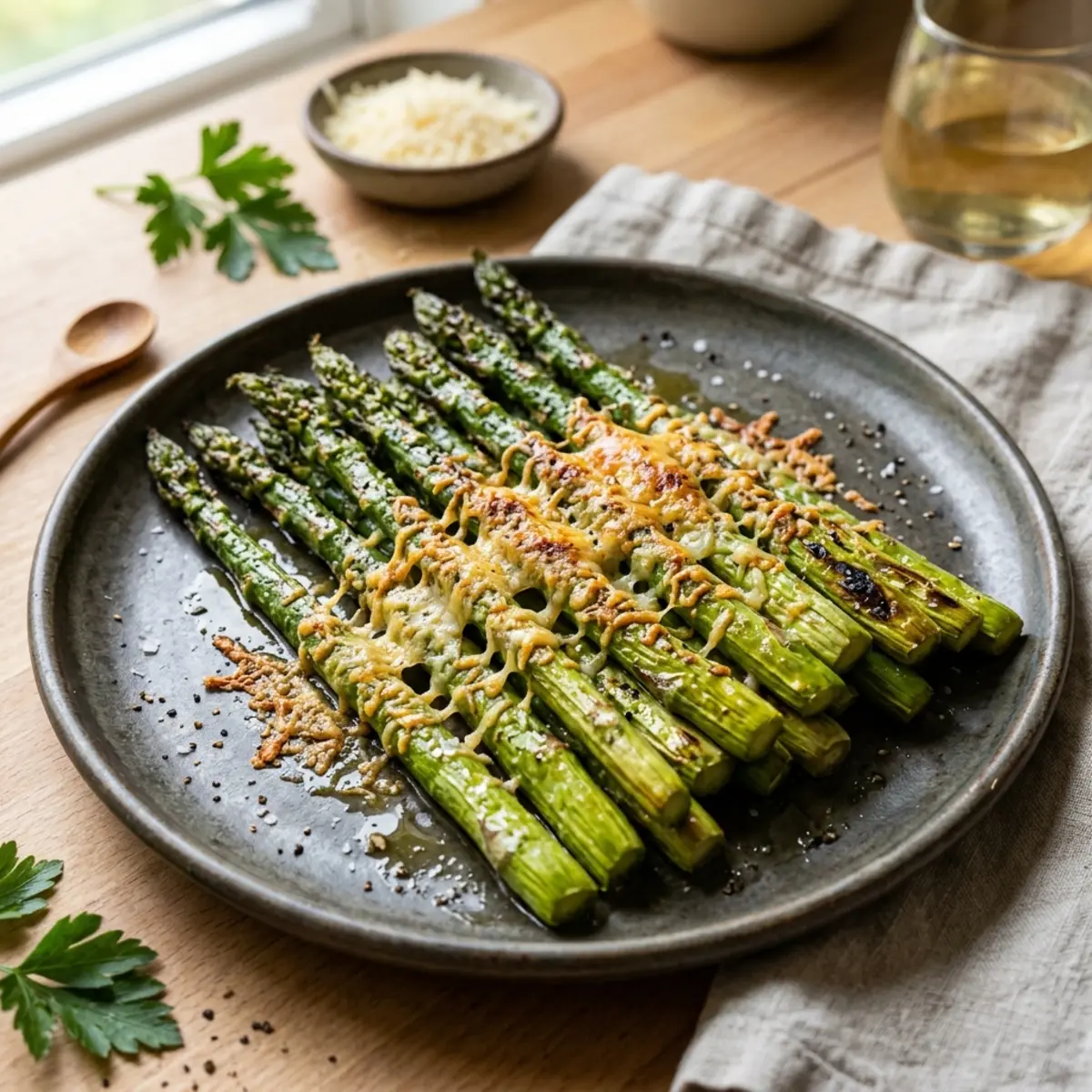
Crispy Parsnip Fries in Air Fryer
A healthy and crunchy snack, perfect for any time of the day.

Steps
- 01
Peel the parsnips and cut them into evenly sized sticks, similar to French fries.
- 02
Place the parsnip sticks in a bowl, add olive oil, paprika, garlic powder, salt, and pepper. Mix well so that each piece is evenly coated with spices.
- 03
Preheat the Air Fryer to 180°C (350°F).
- 04
Arrange the parsnip sticks in the Air Fryer basket in a single layer, without overcrowding, to allow air to circulate freely. Cook for 18-20 minutes, shaking the basket halfway through for even browning.
- 05
Remove the parsnip fries from the Air Fryer and serve immediately. Adjust salt if desired.
Recipe story
Parsnips, known since ancient times, were a staple food in Europe before the introduction of the potato. Originating in the Mediterranean region, they were prized by Greeks and Romans for their sweet flavor. In the Middle Ages, they were commonly used in soups and stews. This modern reinterpretation as crispy Air Fryer fries brings a contemporary twist to this versatile root vegetable.
Ingredient Secrets
Discover the culinary secrets and flavor history of key ingredients in this dish.
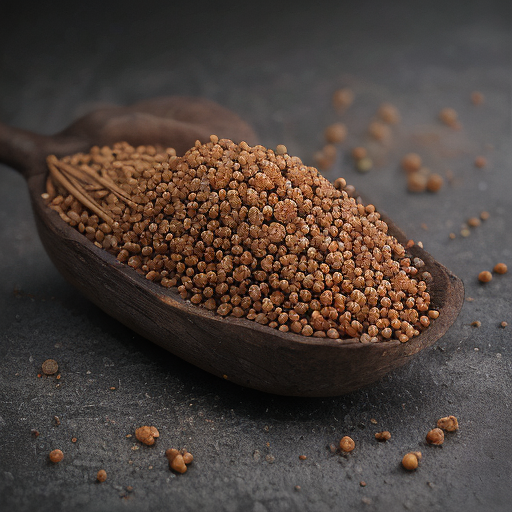
Black pepper
Known as 'black gold' in antiquity, pepper was so valuable that it served as currency and tribute. In the Middle Ages, Venetian merchants controlled the pepper trade, and individual peppercorns were often counted. Legend has it that when Alaric, king of the Visigoths, demanded tribute from Rome, he included 3,000 pounds of pepper.
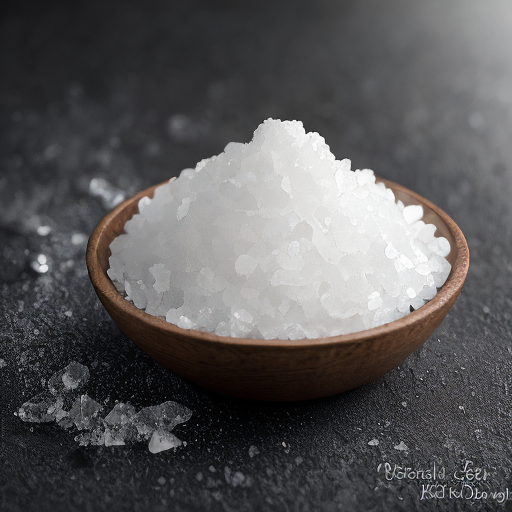
Sea salt
Sea salt, extracted from ocean waters by evaporation, was one of the most precious goods of antiquity, used both as food and as currency. In ancient Rome, soldiers were paid with salt, which is the origin of the word 'salary'. Salt roads connected entire civilizations, and in the Middle Ages, salt was so valuable it was called 'white gold'.
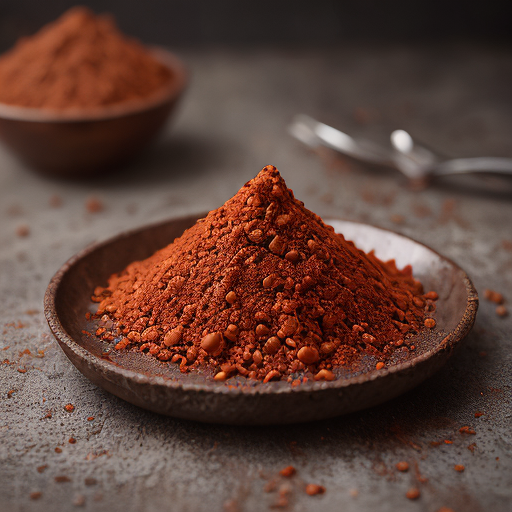
Paprika
Paprika, a emblematic spice brought to Europe by Christopher Columbus from the New World. Although associated with Hungarian cuisine, its origins are in Central America, where it was used by the Aztecs.
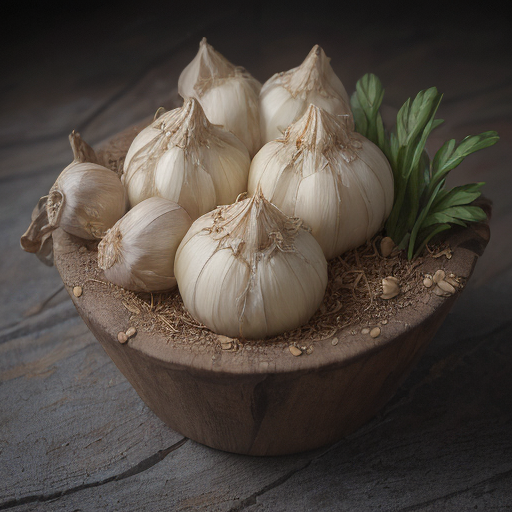
Garlic
Native to Central Asia, garlic was already known in ancient Egypt, where it was given to slaves to boost their strength. In ancient Greece, athletes consumed it before competitions, and in Rome, legionaries considered it essential for courage. During the Middle Ages, it was used to ward off vampires and the plague.
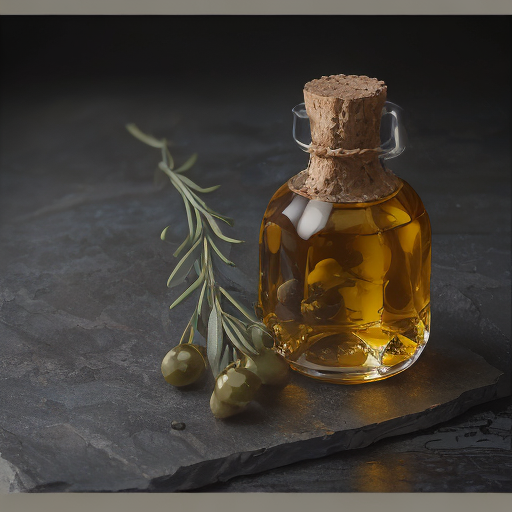
Olive oil
Originating in the Mediterranean basin, olive oil was already produced in ancient Crete 5,000 years ago. In ancient Greece, it was considered a gift from Athena and used in lamps, cosmetics, and religious ceremonies. The Romans spread it throughout the empire, and in the Middle Ages, monasteries preserved the tradition of its production.