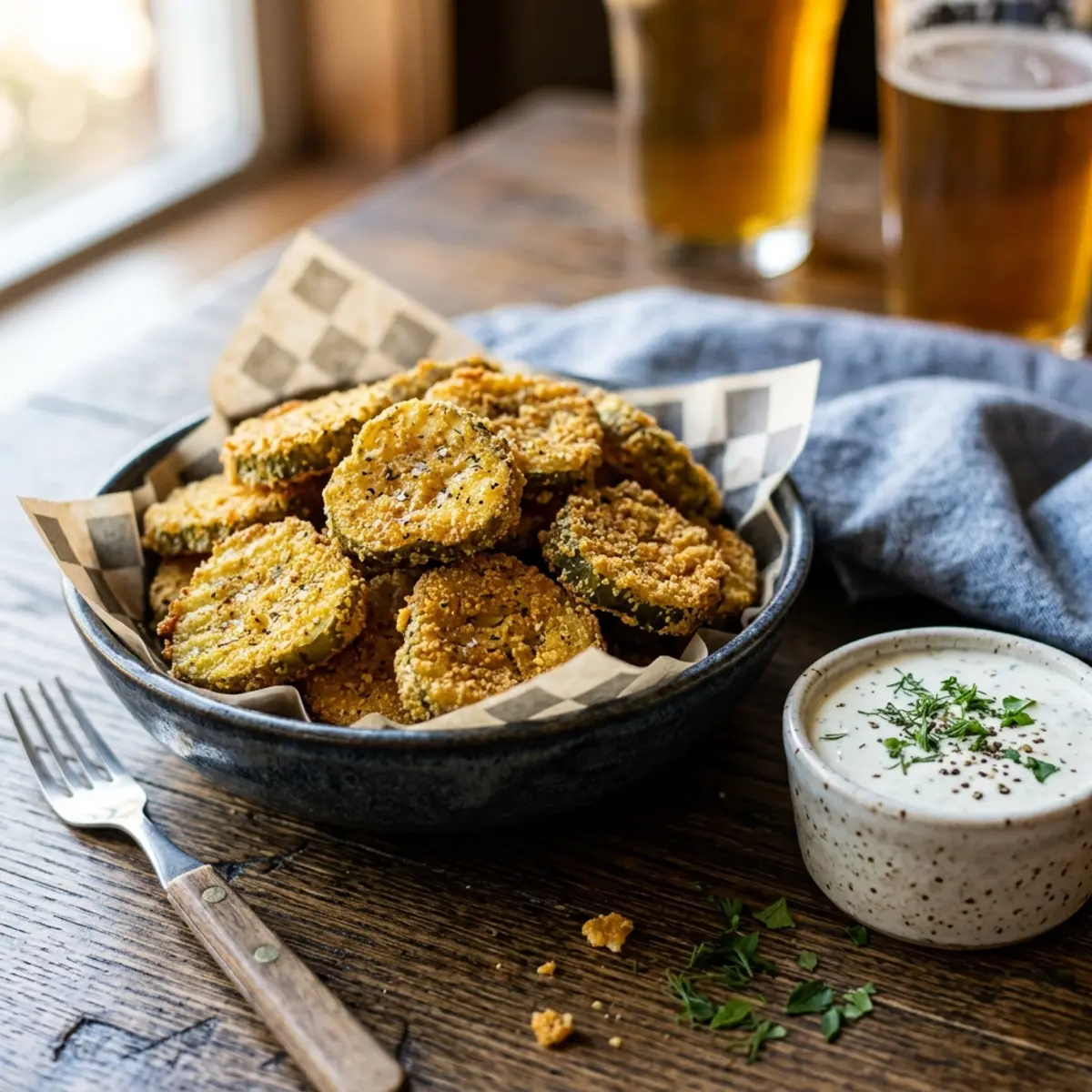
Crispy Air Fryer Pickle Chips
Steps
- 01
Drain the pickle slices well and place them on several layers of paper towels. Pat them dry to remove as much moisture as possible.
- 02
Preheat the air fryer to 200°C (400°F).
- 03
Set up a breading station with three shallow bowls: one with panko breadcrumbs, one with the egg beaten with water, and one with the flour, garlic powder, paprika, and dried dill mixed together.
- 04
Coat each pickle slice first in the flour mixture, then dip it in the egg mixture, and finally press it into the panko breadcrumbs until fully covered.
- 05
Place the breaded pickle slices in a single layer in the air fryer basket, making sure they are not overcrowded.
- 06
Lightly spray the tops with cooking oil spray.
- 07
Air fry for 6-8 minutes, turning halfway through, until golden and crispy.
- 08
Let them cool slightly before serving with your favorite dipping sauce, such as spicy mayo, ranch dressing, or sweet chili sauce.
Recipe story
Pickles have a long history in Eastern European cuisine, where brining was used to preserve vegetables for winter. In Ashkenazi Jewish cuisine, pickles are a staple, often served alongside sandwiches or as a snack. The recipe for crispy air fryer pickle chips is a modern twist, combining the crunchy texture of panko with the tangy flavor of pickles, inspired by American 'pickle chips' snacks.
Ingredient Secrets
Discover the culinary secrets and flavor history of key ingredients in this dish.
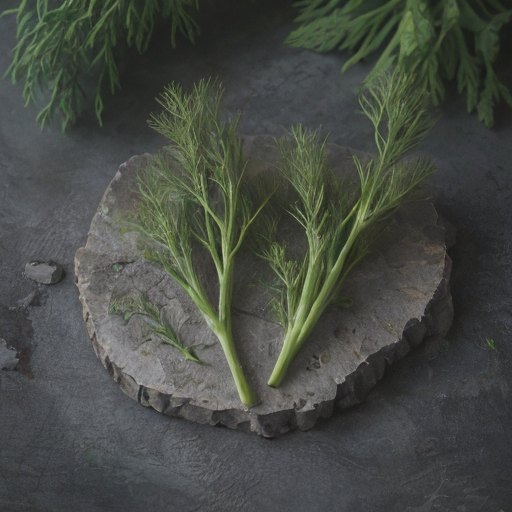
Dill
In ancient Rome, dill was considered a symbol of prosperity, and gladiators consumed it before battles to boost their courage. In the Middle Ages, it was used as a magical ingredient against witchcraft.
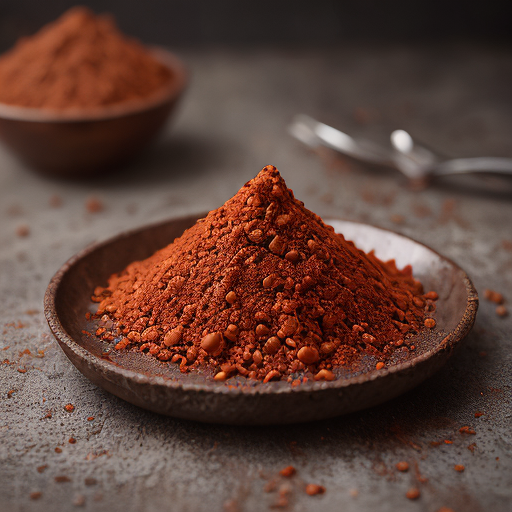
Paprika
Paprika, a emblematic spice brought to Europe by Christopher Columbus from the New World. Although associated with Hungarian cuisine, its origins are in Central America, where it was used by the Aztecs.
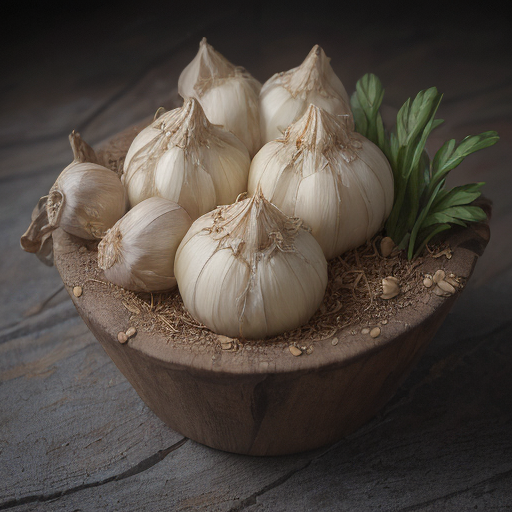
Garlic
Native to Central Asia, garlic was already known in ancient Egypt, where it was given to slaves to boost their strength. In ancient Greece, athletes consumed it before competitions, and in Rome, legionaries considered it essential for courage. During the Middle Ages, it was used to ward off vampires and the plague.