Crispy Air Fryer Nachos with Seasoned Beef
Crispy nachos quickly prepared in an air fryer, with seasoned beef and melted cheese.

Steps
- 01
In a large skillet over medium heat, cook the ground beef with chili powder, cumin, oregano, salt, and pepper until browned. Drain excess fat and set aside.
- 02
Preheat the air fryer to 160°C (320°F).
- 03
Line the air fryer basket with aluminum foil or parchment paper for easy cleaning.
- 04
Spread half of the corn chips in an even layer on the bottom of the basket.
- 05
Top with half of the shredded cheese, diced tomato, bell pepper, and seasoned beef.
- 06
Repeat layers with remaining chips, cheese, tomato, bell pepper, and beef.
- 07
Air fry for 5 minutes, until the cheese is fully melted and bubbly.
- 08
Remove from air fryer, garnish with green onion, fresh cilantro, and sour cream. Serve immediately.
Recipe story
Nachos were invented in the 1940s in Piedras Negras, Mexico, by Ignacio 'Nacho' Anaya. The story goes that one evening, a group of American soldiers' wives entered his restaurant after the kitchen had closed. Anaya improvised a snack with corn chips, melted cheese, and jalapeños, creating the famous dish. Since then, nachos have become a staple of Tex-Mex cuisine, spreading worldwide.
Ingredient Secrets
Discover the culinary secrets and flavor history of key ingredients in this dish.
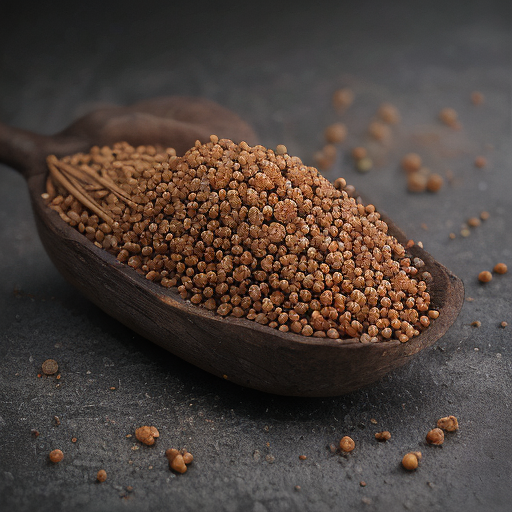
Black pepper
Known as 'black gold' in antiquity, pepper was so valuable that it served as currency and tribute. In the Middle Ages, Venetian merchants controlled the pepper trade, and individual peppercorns were often counted. Legend has it that when Alaric, king of the Visigoths, demanded tribute from Rome, he included 3,000 pounds of pepper.
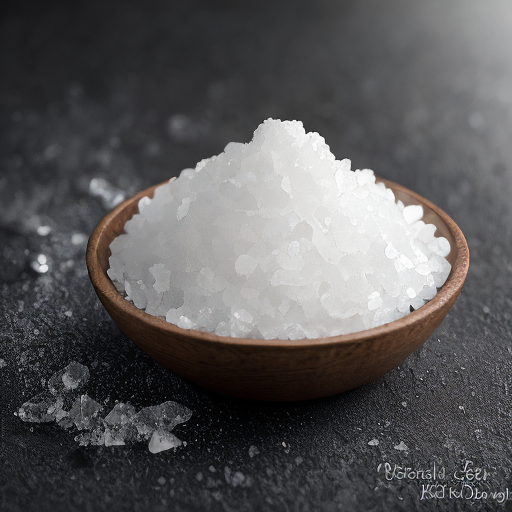
Sea salt
Sea salt, extracted from ocean waters by evaporation, was one of the most precious goods of antiquity, used both as food and as currency. In ancient Rome, soldiers were paid with salt, which is the origin of the word 'salary'. Salt roads connected entire civilizations, and in the Middle Ages, salt was so valuable it was called 'white gold'.
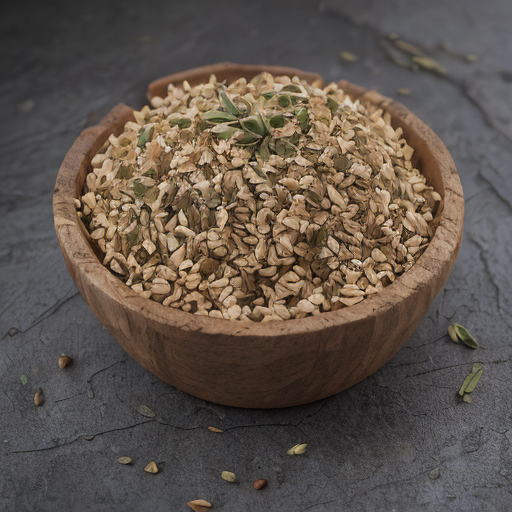
Oregano
Oregano, also known as 'mountain joy', was used by ancient Greeks as an antidote for poisons and a symbol of happiness. In the Middle Ages, it was planted on graves to ensure peace for the souls.
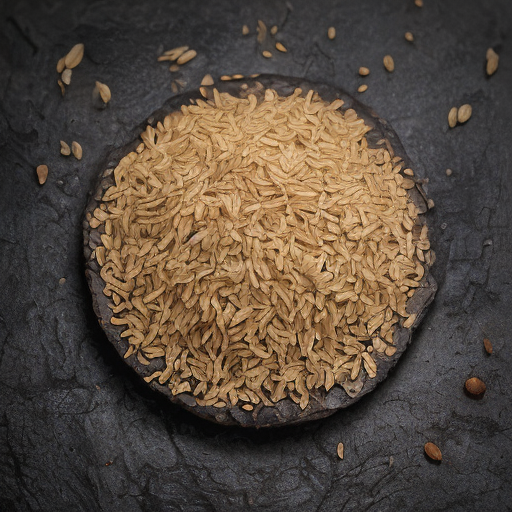
Cumin
Cumin, known since antiquity, was used by Egyptians for embalming and by Romans as a digestive. In the Middle Ages, it was believed to ward off evil spirits, and merchants transported it along the Silk Road from the East to Europe.
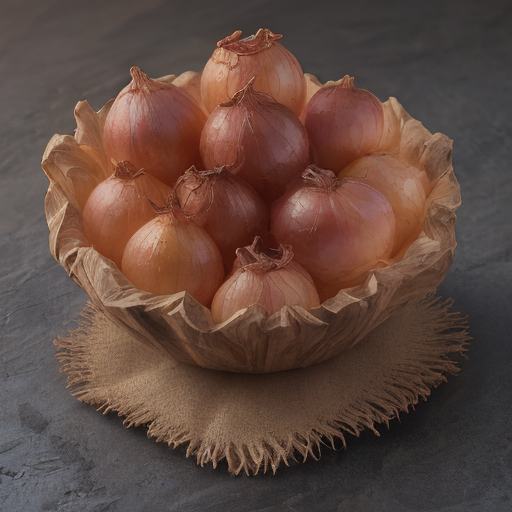
Onion
Probably originating in Central or West Asia, onions were cultivated in ancient Egypt, where they were considered a symbol of eternity and placed in tombs. In ancient Greece, athletes ate them to balance their blood, and in Rome, they were a staple food for soldiers. During the Middle Ages, onions were believed to protect against arrows and the plague.
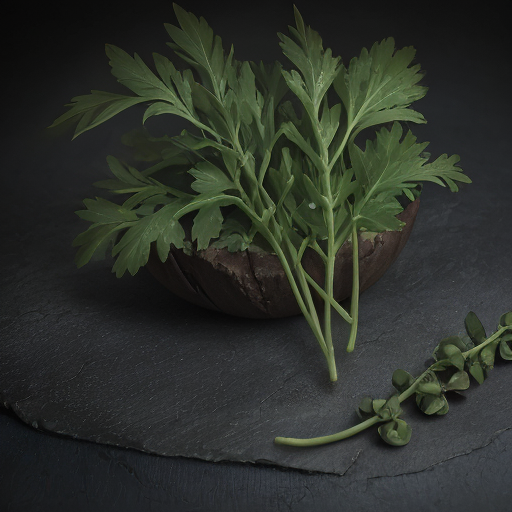
Coriander
Coriander, known since ancient times, was found in Egyptian tombs over 3,000 years old, considered a sacred spice and a remedy for immortality. The Romans brought it to Europe, where it became a staple in Mediterranean and Asian cuisines.
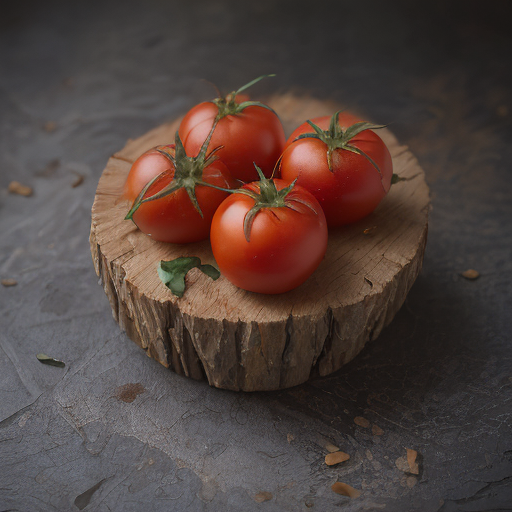
Tomato
Although today the tomato is indispensable in global cuisine, it was long viewed with suspicion in Europe, considered a toxic ornamental plant. It wasn't until the 19th century that Italian immigrants popularized it in the United States, turning it into an iconic ingredient of Mediterranean cuisine. Native to South America, the tomato was domesticated in Mexico and brought to Europe by Spanish conquistadors.
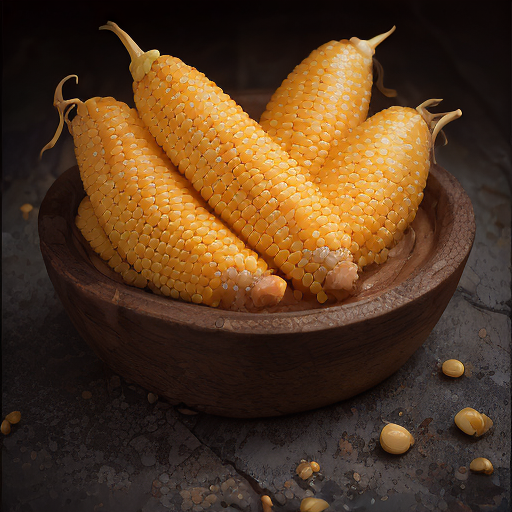
Corn
Corn, native to Central America, was domesticated over 9,000 years ago in Mexico. After the discovery of the Americas, it spread rapidly to Europe, Africa, and Asia, becoming a global staple crop. Fun fact: in Italy, corn was called 'grano turco' (Turkish wheat) because it was believed to originate from the East.