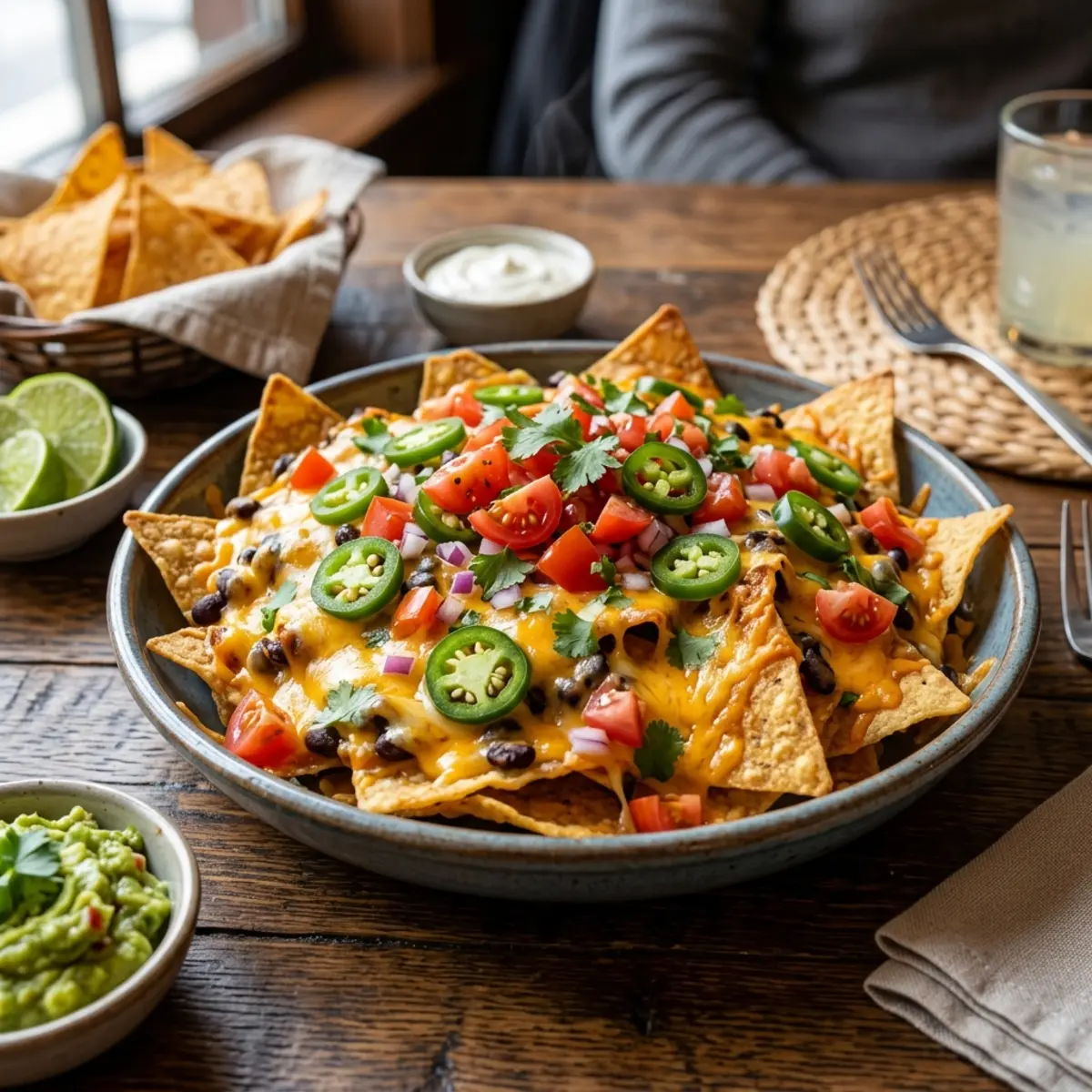
Bacon-Wrapped Jalapeño Poppers in Air Fryer
Spicy jalapeño peppers stuffed with cream cheese and cheddar, wrapped in bacon, and cooked in an air fryer until crispy. A quick and savory snack.

Steps
- 01
Cut jalapeño peppers in half lengthwise, then remove stems, seeds, and membranes. For a spicier taste, leave some membrane intact.
- 02
In a bowl, mix cream cheese (room temperature), shredded cheddar, garlic powder, onion powder, salt, and pepper until smooth.
- 03
Using a small spoon, fill each pepper half with the cheese mixture, leveling the surface.
- 04
Preheat the air fryer to 175°C (350°F) for about 3 minutes.
- 05
Cut each bacon slice in half crosswise.
- 06
Wrap each stuffed pepper half with a piece of bacon, securing ends if needed.
- 07
Place the wrapped peppers in the air fryer basket in a single layer, ensuring they do not touch each other.
- 08
Cook in the air fryer at 175°C (350°F) for 14-16 minutes, or until bacon is cooked through and crispy.
- 09
Serve immediately, or refrigerate for up to 3 days and reheat before serving.
Recipe story
Jalapeño poppers were popularized in Tex-Mex cuisine in the southern United States, where spicy peppers are stuffed with cheese and fried. The bacon-wrapped version adds a crispy texture and smoky flavor, quickly becoming a favorite appetizer at parties and sporting events.
Ingredient Secrets
Discover the culinary secrets and flavor history of key ingredients in this dish.
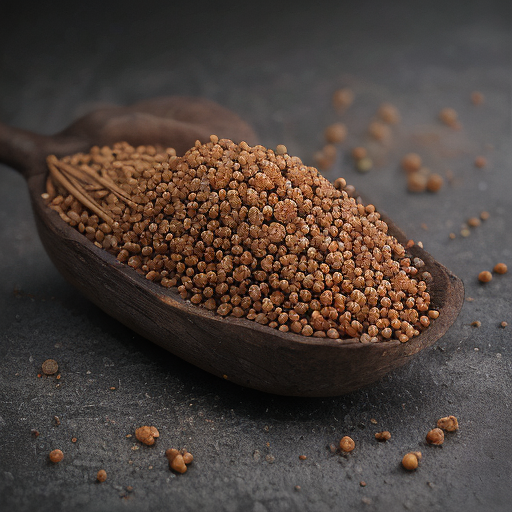
Black pepper
Known as 'black gold' in antiquity, pepper was so valuable that it served as currency and tribute. In the Middle Ages, Venetian merchants controlled the pepper trade, and individual peppercorns were often counted. Legend has it that when Alaric, king of the Visigoths, demanded tribute from Rome, he included 3,000 pounds of pepper.
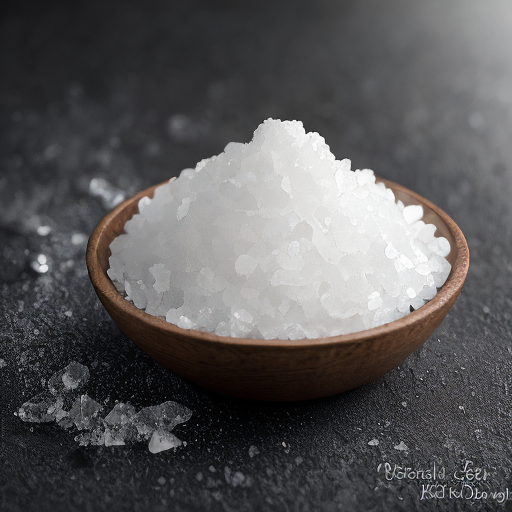
Sea salt
Sea salt, extracted from ocean waters by evaporation, was one of the most precious goods of antiquity, used both as food and as currency. In ancient Rome, soldiers were paid with salt, which is the origin of the word 'salary'. Salt roads connected entire civilizations, and in the Middle Ages, salt was so valuable it was called 'white gold'.
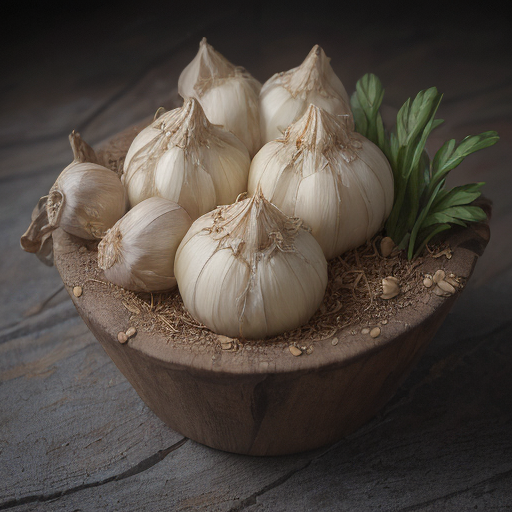
Garlic
Native to Central Asia, garlic was already known in ancient Egypt, where it was given to slaves to boost their strength. In ancient Greece, athletes consumed it before competitions, and in Rome, legionaries considered it essential for courage. During the Middle Ages, it was used to ward off vampires and the plague.
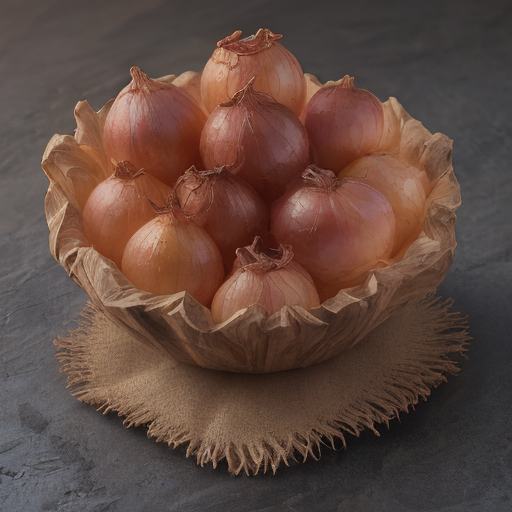
Onion
Probably originating in Central or West Asia, onions were cultivated in ancient Egypt, where they were considered a symbol of eternity and placed in tombs. In ancient Greece, athletes ate them to balance their blood, and in Rome, they were a staple food for soldiers. During the Middle Ages, onions were believed to protect against arrows and the plague.