Air Fryer Halloumi Sticks with Yogurt and Pomegranate Molasses
Crispy halloumi sticks cooked in the air fryer, served with Greek yogurt and pomegranate molasses. A quick and tasty snack.

Steps
- 01
Cut the halloumi in half lengthwise, then slice into sticks. Pat dry thoroughly with paper towels.
- 02
In a small bowl, mix flour, dried oregano, garlic powder, and black pepper. Coat each halloumi stick in the mixture, shaking off excess.
- 03
Preheat the air fryer to 180°C (350°F).
- 04
Arrange the halloumi sticks in a single layer in the air fryer basket. Cook for 10–12 minutes, turning gently halfway through, until golden and crispy.
- 05
Serve immediately with Greek yogurt and a drizzle of pomegranate molasses for dipping.
Recipe story
Halloumi is a traditional Cypriot cheese with roots dating back to the Byzantine period. Made from a mixture of goat's and sheep's milk, it is known for its high melting point, making it ideal for frying. In Cyprus, halloumi is often grilled or fried, served with watermelon or jam. This modern recipe uses the air fryer to achieve a crispy texture with less oil.
Ingredient Secrets
Discover the culinary secrets and flavor history of key ingredients in this dish.

Black pepper
Known as 'black gold' in antiquity, pepper was so valuable that it served as currency and tribute. In the Middle Ages, Venetian merchants controlled the pepper trade, and individual peppercorns were often counted. Legend has it that when Alaric, king of the Visigoths, demanded tribute from Rome, he included 3,000 pounds of pepper.
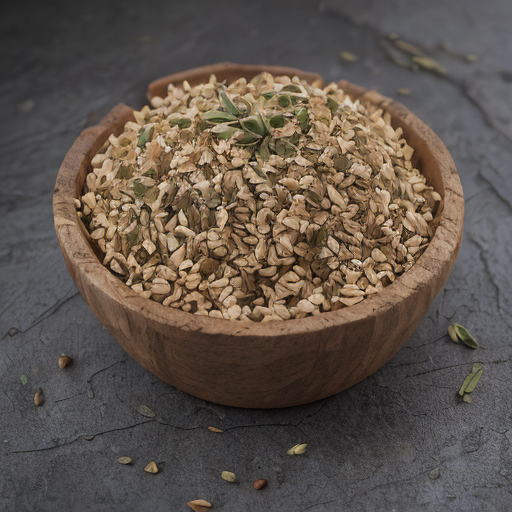
Oregano
Oregano, also known as 'mountain joy', was used by ancient Greeks as an antidote for poisons and a symbol of happiness. In the Middle Ages, it was planted on graves to ensure peace for the souls.

Garlic
Native to Central Asia, garlic was already known in ancient Egypt, where it was given to slaves to boost their strength. In ancient Greece, athletes consumed it before competitions, and in Rome, legionaries considered it essential for courage. During the Middle Ages, it was used to ward off vampires and the plague.