Air Fryer Chestnuts – Quick Snack in 25 Minutes
Perfectly roasted chestnuts in the air fryer, with a crispy shell and soft, sweet interior. A healthy and quick snack.
Steps
- 01
Rinse the fresh chestnuts well under cold running water.
- 02
Using a sharp knife, deeply score a cross on the rounded side of each chestnut – this step is essential to prevent bursting during cooking.
- 03
Dry the chestnuts with a clean kitchen towel.
- 04
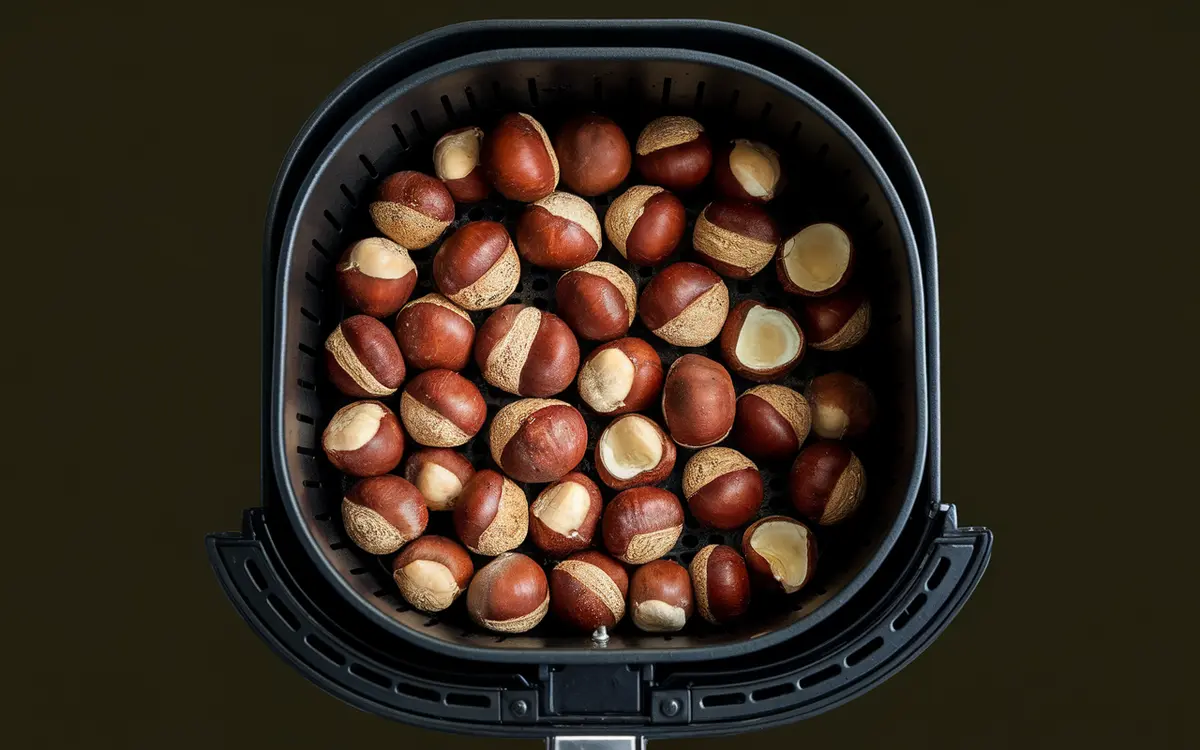
Place the scored chestnuts in the air fryer basket, with the cut side up.
- 05
Preheat the air fryer to 200°C (400°F) for 3 minutes.
- 06
Cook the chestnuts at 200°C (400°F) for 15–20 minutes, shaking the basket gently halfway through.
- 07
The chestnuts are ready when the cuts have opened wide and the skin peels off easily.
- 08
Serve immediately while still warm for the best texture and flavor.
Recipe story
Roasted chestnuts have a long tradition in Mediterranean and Asian cuisines. In China, chestnuts have been consumed for thousands of years, considered a staple during famines. In Italy, roasted chestnuts (caldarroste) have been sold on the streets since the Middle Ages, symbolizing autumn. In Japan, chestnuts (kuri) are used in desserts and sweet rice. This modern air fryer recipe preserves the traditional essence while reducing preparation time.
Ingredient Secrets
Discover the culinary secrets and flavor history of key ingredients in this dish.
Sea salt
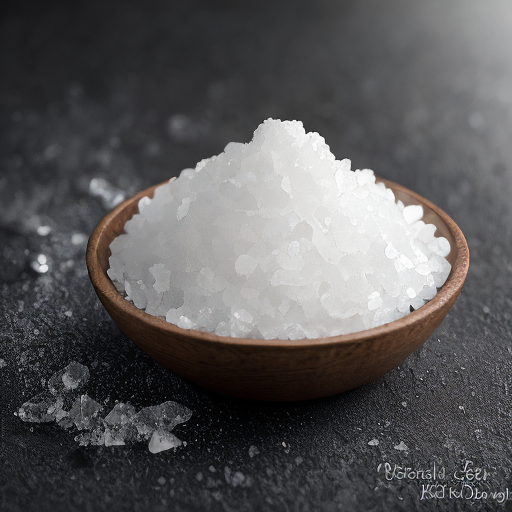
Sea salt, extracted from ocean waters by evaporation, was one of the most precious goods of antiquity, used both as food and as currency. In ancient Rome, soldiers were paid with salt, which is the origin of the word 'salary'. Salt roads connected entire civilizations, and in the Middle Ages, salt was so valuable it was called 'white gold'.
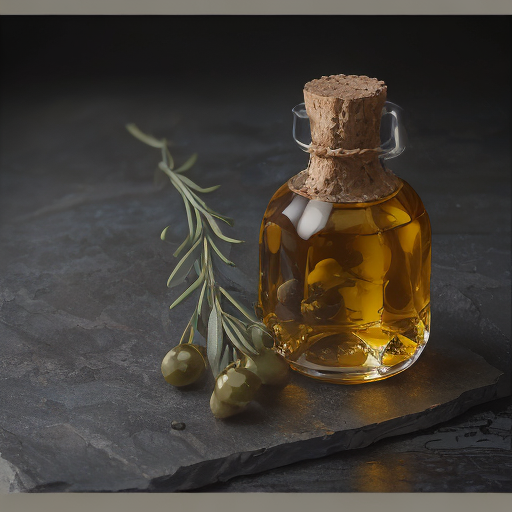
Olive oil
Originating in the Mediterranean basin, olive oil was already produced in ancient Crete 5,000 years ago. In ancient Greece, it was considered a gift from Athena and used in lamps, cosmetics, and religious ceremonies. The Romans spread it throughout the empire, and in the Middle Ages, monasteries preserved the tradition of its production.