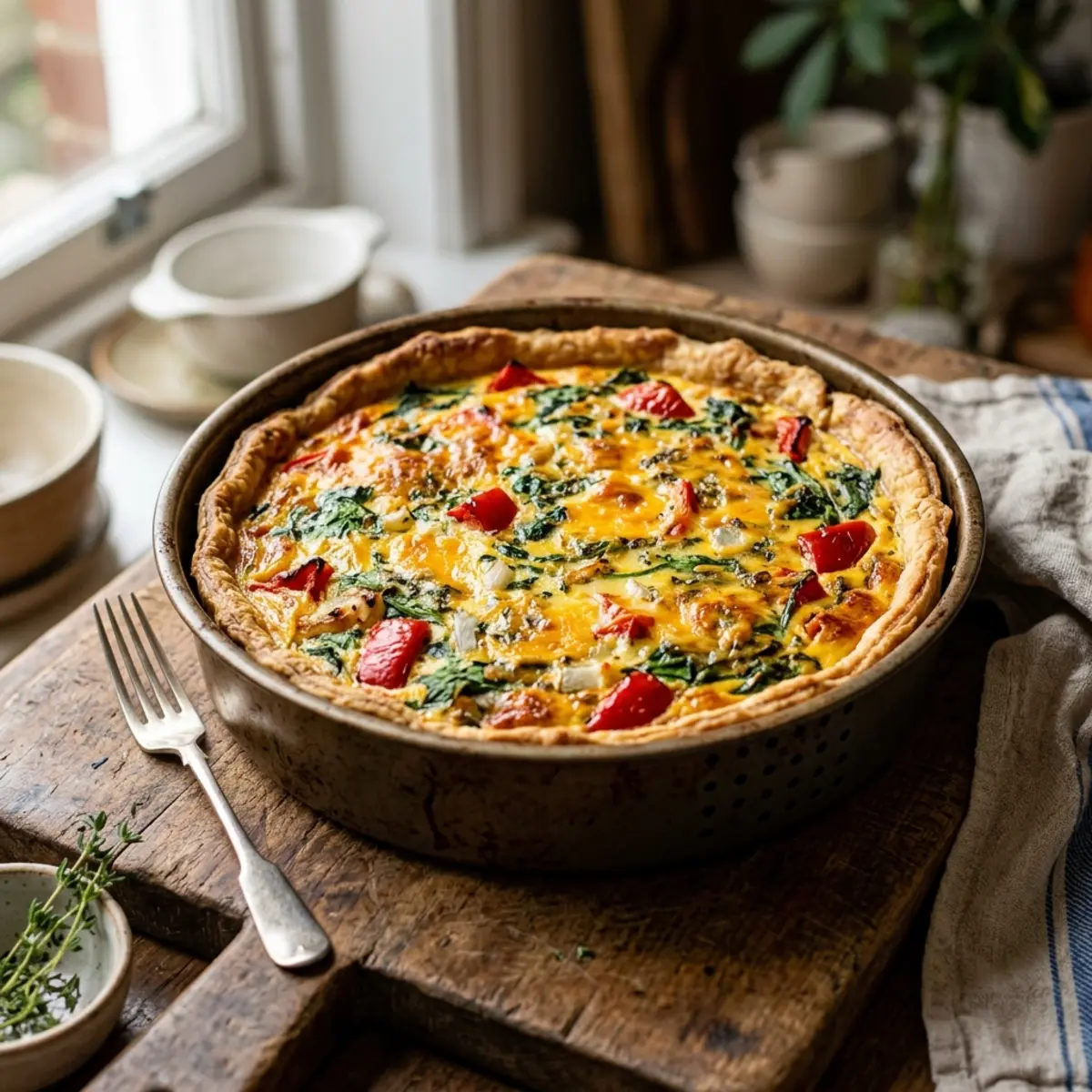
Vegetable and Cheddar Quiche in Air Fryer
A tender and quick quiche with fresh vegetables and cheddar, cooked in the air fryer.
Steps
- 01
1. In a large bowl, mix the cubed butter with the flour. Rub the butter into the flour with your fingertips until you get a coarse crumb texture. Add a pinch of salt and one egg, then quickly knead until the dough comes together. Wrap it in plastic wrap and refrigerate for 30 minutes.
- 02
2. Using a mandoline, slice the green zucchini, yellow zucchini, and carrot into very thin rounds (about 2-3 mm).
- 03
3. On a lightly floured surface, roll out the chilled dough into a circle larger than the quiche pan. Place it in the pan, press well on the edges, and prick the bottom with a fork.
- 04
4. Arrange the cheddar slices evenly over the dough, then place the vegetable rounds and whole (or halved) cherry tomatoes on top.
- 05
5. In a separate bowl, beat the remaining 3 eggs together with the cream, oregano, and a pinch of salt and pepper to taste.
- 06
6. Pour the egg and cream mixture evenly over the vegetables, making sure it reaches all corners.
- 07
7. Preheat the air fryer to 180°C (350°F).
- 08
8. Place the quiche pan in the air fryer basket and cook for 30–35 minutes, until the surface is golden and the filling is set (test with a knife – it should come out clean).
- 09
9. Let the quiche cool in the pan for 5 minutes before slicing. Serve warm, with a green salad.
Recipe story
Quiche originated in the German region of Lothringen, where it was a simple pastry with eggs and cream. In the 16th century, French chefs transformed this rustic pie into a refined dish, adding cheese and fresh vegetables. Since then, quiche has become a symbol of French cuisine, appreciated for its versatility and creamy texture.
Ingredient Secrets
Discover the culinary secrets and flavor history of key ingredients in this dish.
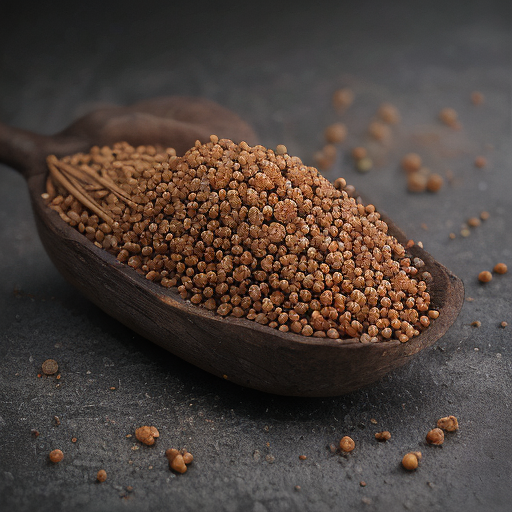
Black pepper
Known as 'black gold' in antiquity, pepper was so valuable that it served as currency and tribute. In the Middle Ages, Venetian merchants controlled the pepper trade, and individual peppercorns were often counted. Legend has it that when Alaric, king of the Visigoths, demanded tribute from Rome, he included 3,000 pounds of pepper.
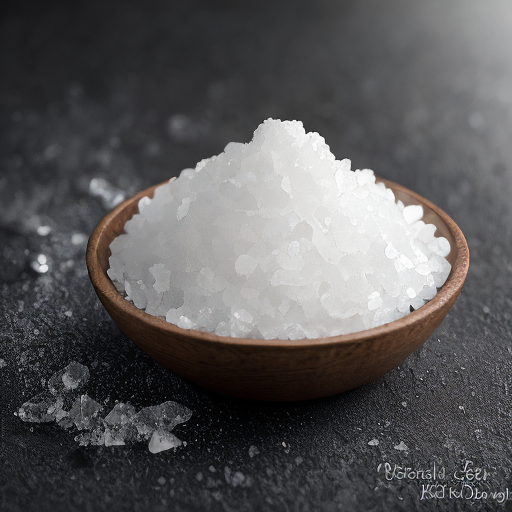
Sea salt
Sea salt, extracted from ocean waters by evaporation, was one of the most precious goods of antiquity, used both as food and as currency. In ancient Rome, soldiers were paid with salt, which is the origin of the word 'salary'. Salt roads connected entire civilizations, and in the Middle Ages, salt was so valuable it was called 'white gold'.
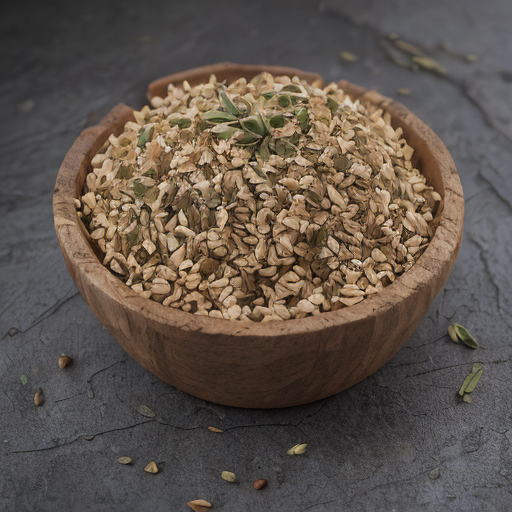
Oregano
Oregano, also known as 'mountain joy', was used by ancient Greeks as an antidote for poisons and a symbol of happiness. In the Middle Ages, it was planted on graves to ensure peace for the souls.
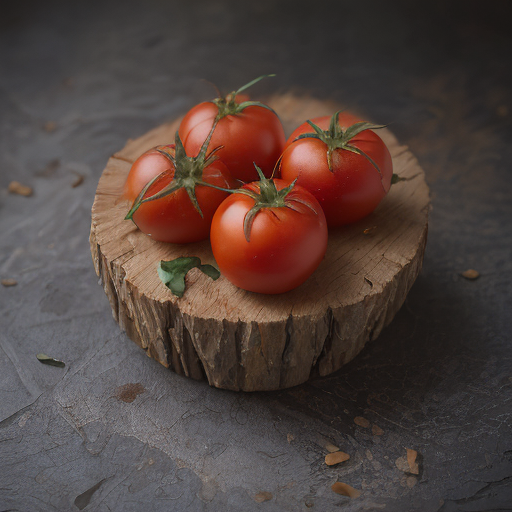
Tomato
Although today the tomato is indispensable in global cuisine, it was long viewed with suspicion in Europe, considered a toxic ornamental plant. It wasn't until the 19th century that Italian immigrants popularized it in the United States, turning it into an iconic ingredient of Mediterranean cuisine. Native to South America, the tomato was domesticated in Mexico and brought to Europe by Spanish conquistadors.
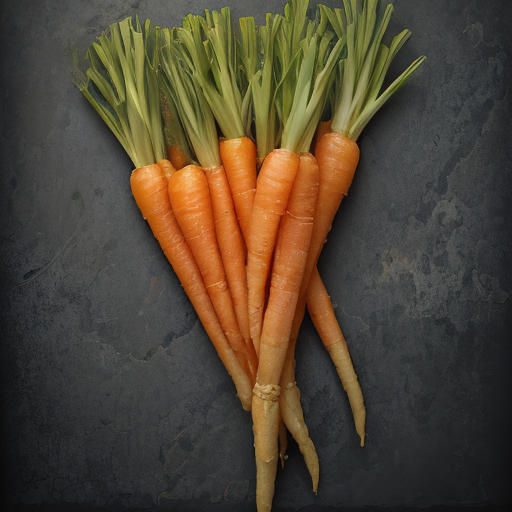
Carrot
The carrot, known in antiquity as a medicinal remedy rather than a vegetable, was originally purple or white. It wasn't until the 17th century that Dutch breeders developed the orange variety, honoring the House of Orange.
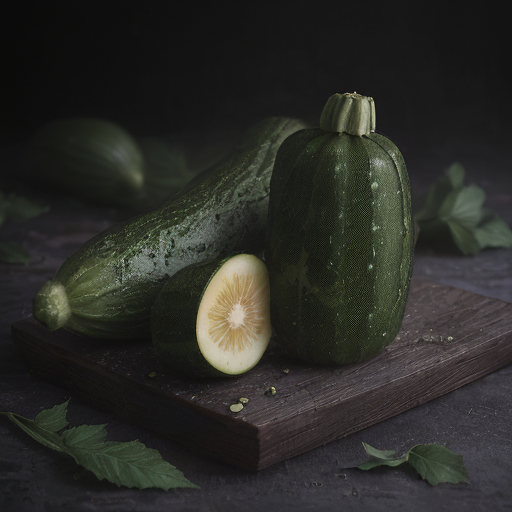
Zucchini
Although today we associate them with light summer cuisine, zucchini were first cultivated in ancient Mexico over 7,000 years ago. They were brought to Europe by Spanish explorers in the 16th century.
You may also like
 Vegetables
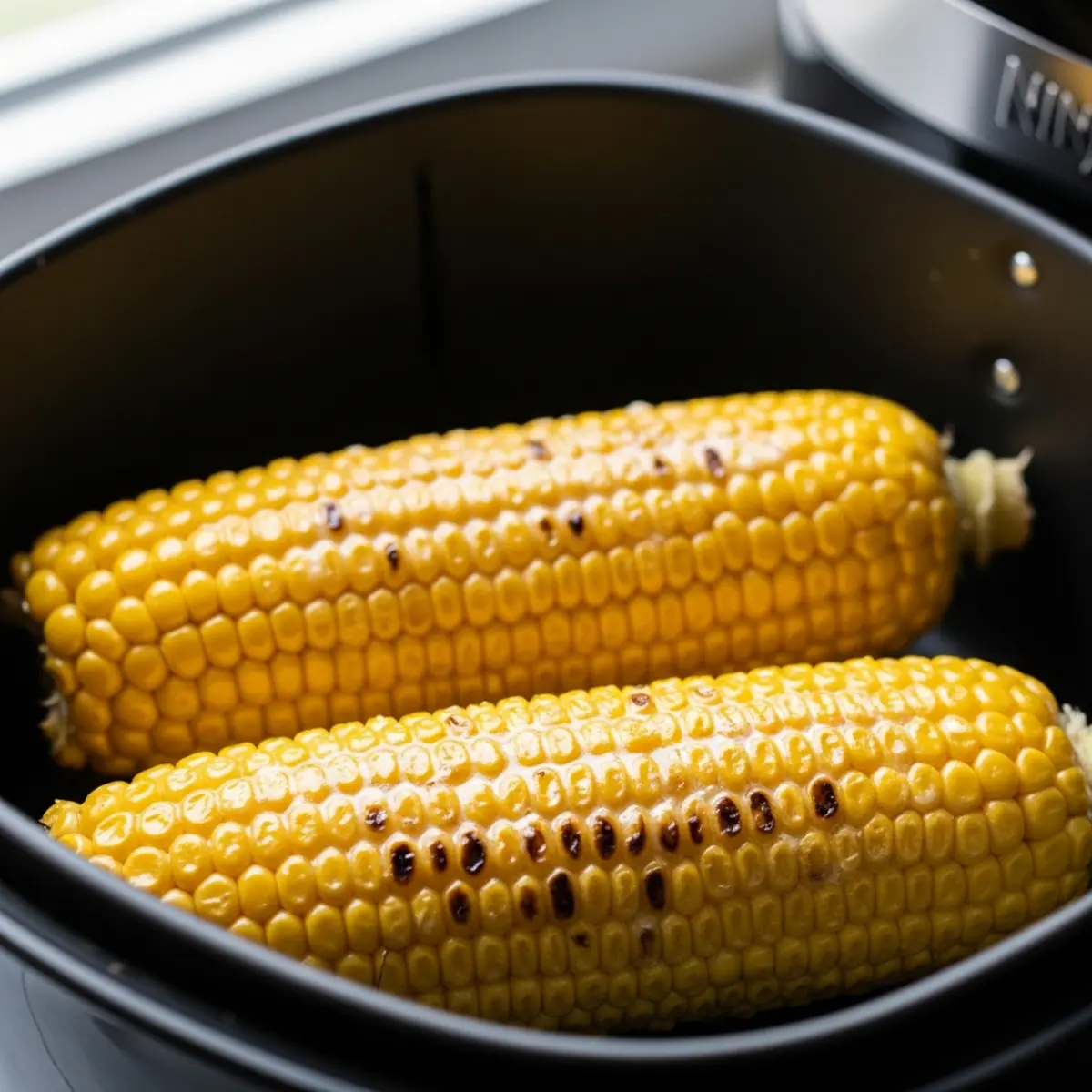
Ninja Foodi Air Fryer & Pressure Cooker 4-Minute Corn on the Cob
 Vegetables
Air Fryer Pumpkin Seeds – Crispy and Golden
 Vegetables
Air Fryer Green Beans – Quick and Tasty Side Dish
 Vegetables
Oatmeal with Apples and Cinnamon in Air Fryer
 Vegetables
Crispy Parmesan Zucchini Sticks in Air Fryer
 Vegetables