Quick Sweet Potato Curry in Air Fryer
A flavorful vegetarian curry cooked quickly in the air fryer, perfect for a healthy dinner.
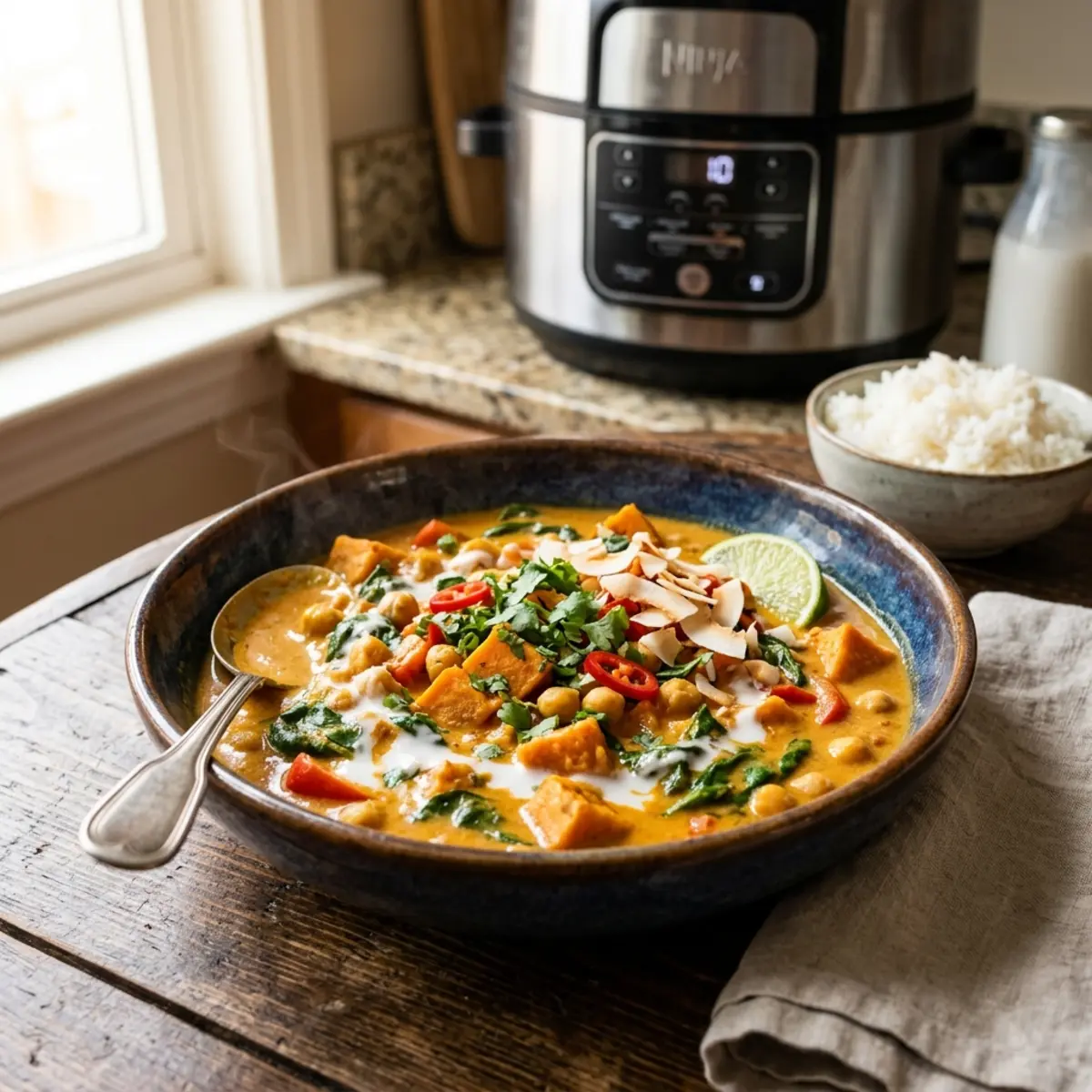
Steps
- 01
Preheat air fryer to 375°F (190°C) for 3 minutes.
- 02
In a bowl, toss sweet potatoes with coconut oil, salt, and curry paste. Transfer to air fryer basket and cook for 10 minutes, shaking halfway.
- 03
Meanwhile, in a skillet, sauté onion in a little oil until soft. Add garlic and ginger, cook 1 minute.
- 04
Add coconut milk, vegetable broth, and chickpeas. Simmer for 5 minutes.
- 05
When sweet potatoes are done, add them to the skillet along with spinach. Stir until spinach wilts.
- 06
Serve hot with rice or naan bread.
Recipe story
Sweet potato originated in Central and South America, cultivated by ancient civilizations like the Aztecs and Mayans. After the discovery of America, it was brought to Europe by Spanish and Portuguese explorers, spreading quickly to Asia and Africa. Curry, a blend of spices, has its roots in Indian cuisine, where each region has its own mix. This recipe combines global culinary traditions, offering a quick and nutritious meal.
Ingredient Secrets
Discover the culinary secrets and flavor history of key ingredients in this dish.
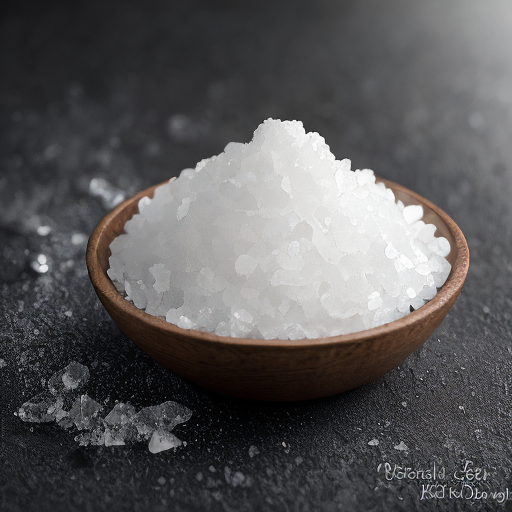
Sea salt
Sea salt, extracted from ocean waters by evaporation, was one of the most precious goods of antiquity, used both as food and as currency. In ancient Rome, soldiers were paid with salt, which is the origin of the word 'salary'. Salt roads connected entire civilizations, and in the Middle Ages, salt was so valuable it was called 'white gold'.
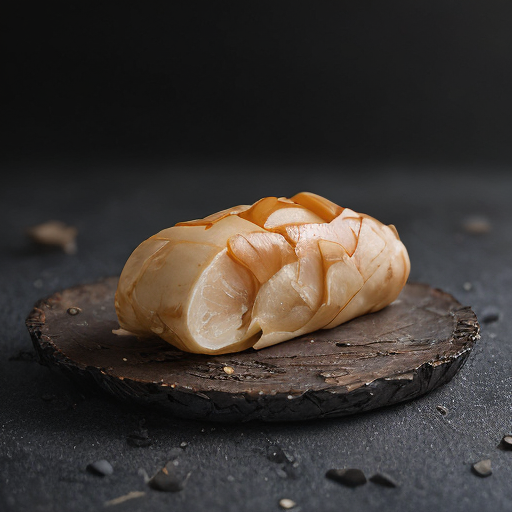
Ginger
Ginger, known since antiquity, was one of the first spices brought along the Silk Road, so precious that a kilogram of ginger was worth a sheep in medieval Europe.
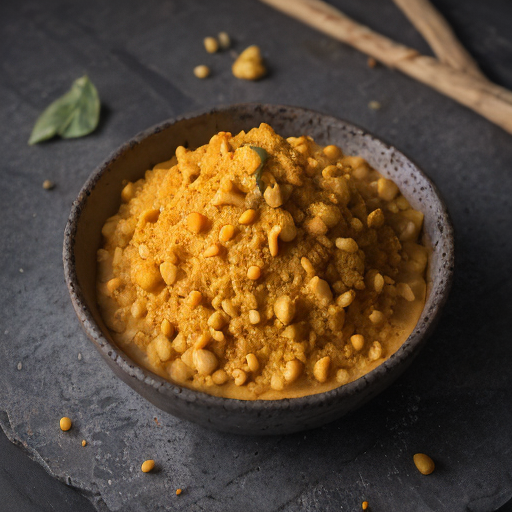
Curry powder
Although its name sounds exotic, curry powder is a British invention from the 18th century, created to imitate the complex spice blends of Indian cuisine. The word 'curry' comes from the Tamil word 'kari', meaning sauce.
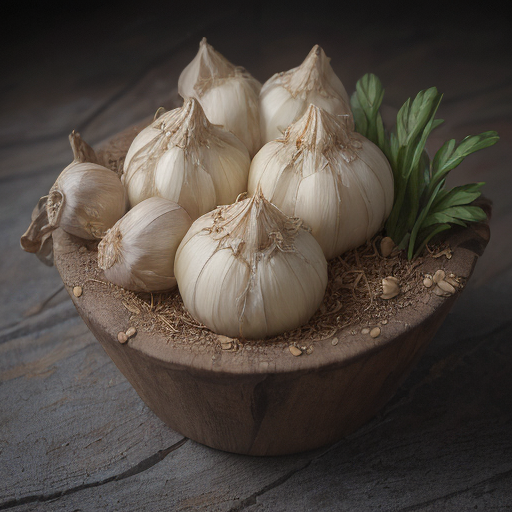
Garlic
Native to Central Asia, garlic was already known in ancient Egypt, where it was given to slaves to boost their strength. In ancient Greece, athletes consumed it before competitions, and in Rome, legionaries considered it essential for courage. During the Middle Ages, it was used to ward off vampires and the plague.
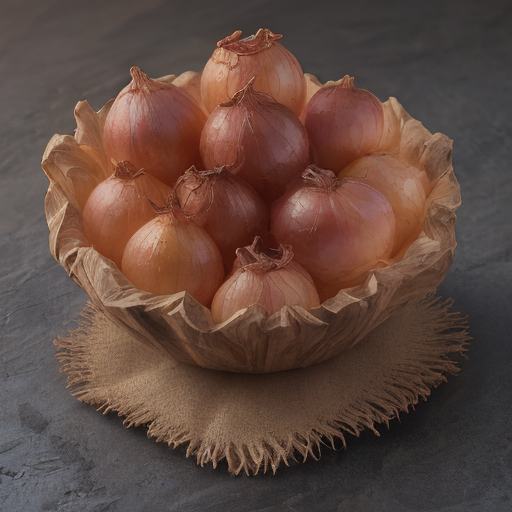
Onion
Probably originating in Central or West Asia, onions were cultivated in ancient Egypt, where they were considered a symbol of eternity and placed in tombs. In ancient Greece, athletes ate them to balance their blood, and in Rome, they were a staple food for soldiers. During the Middle Ages, onions were believed to protect against arrows and the plague.
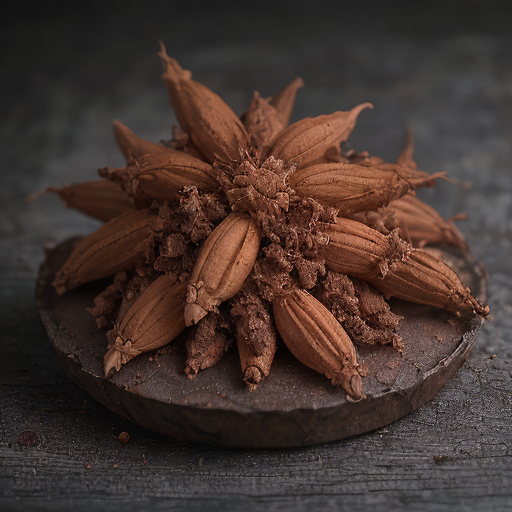
Cloves
Cloves, the dried buds of the exotic Syzygium aromaticum tree, were one of the most prized spices of the ancient world, often called 'aromatic gold'. In the Middle Ages, Venetian merchants controlled the clove trade, bringing them from the Maluku Islands, the only place they grew, and selling them at exorbitant prices in Europe.
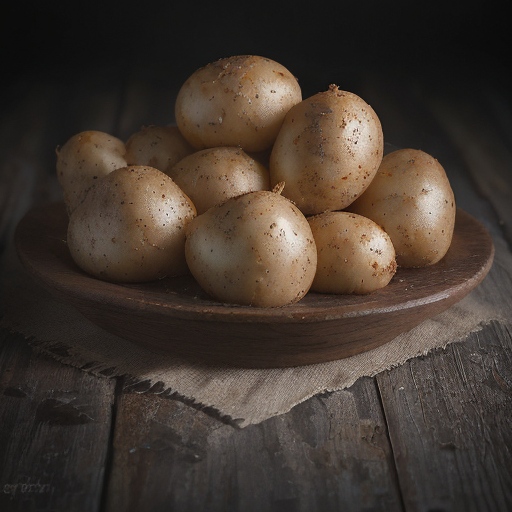
Potato
Although today it seems indispensable on the table, the potato was long viewed with suspicion in Europe. Arriving from the Andes in the 16th century, it was considered a diabolical plant, even poisonous, due to its toxic leaves and fruits. It wasn't until the 18th century, thanks to promoters like Antoine-Augustin Parmentier, that the potato became a staple food, saving Europe from famine.
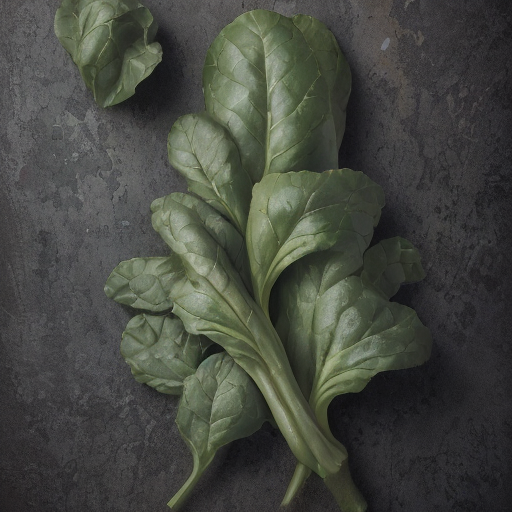
Spinach
Originating in ancient Persia, spinach conquered Europe through the Moors, who brought it to Spain in the 11th century. In the Middle Ages, it was considered a miraculous remedy for various ailments.
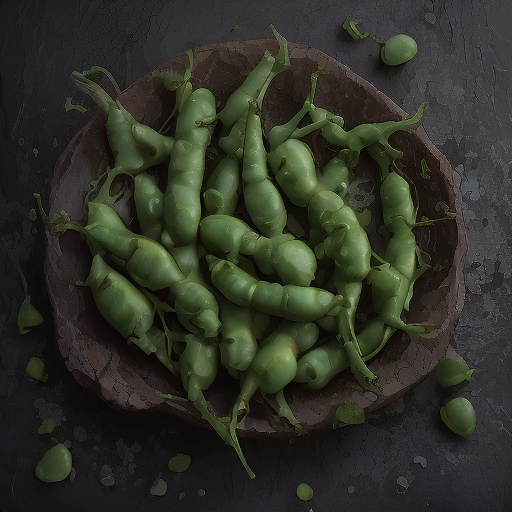
Peas
Peas are one of the oldest cultivated vegetables, with archaeological evidence in Neolithic sites from the Middle East. In the Middle Ages, dried peas were a staple food across Europe, and in the 16th century, the sweet garden pea was developed in Italy. Fun fact: peas were among the first vegetables to be frozen commercially, in the 1920s.
You may also like
 Vegetables
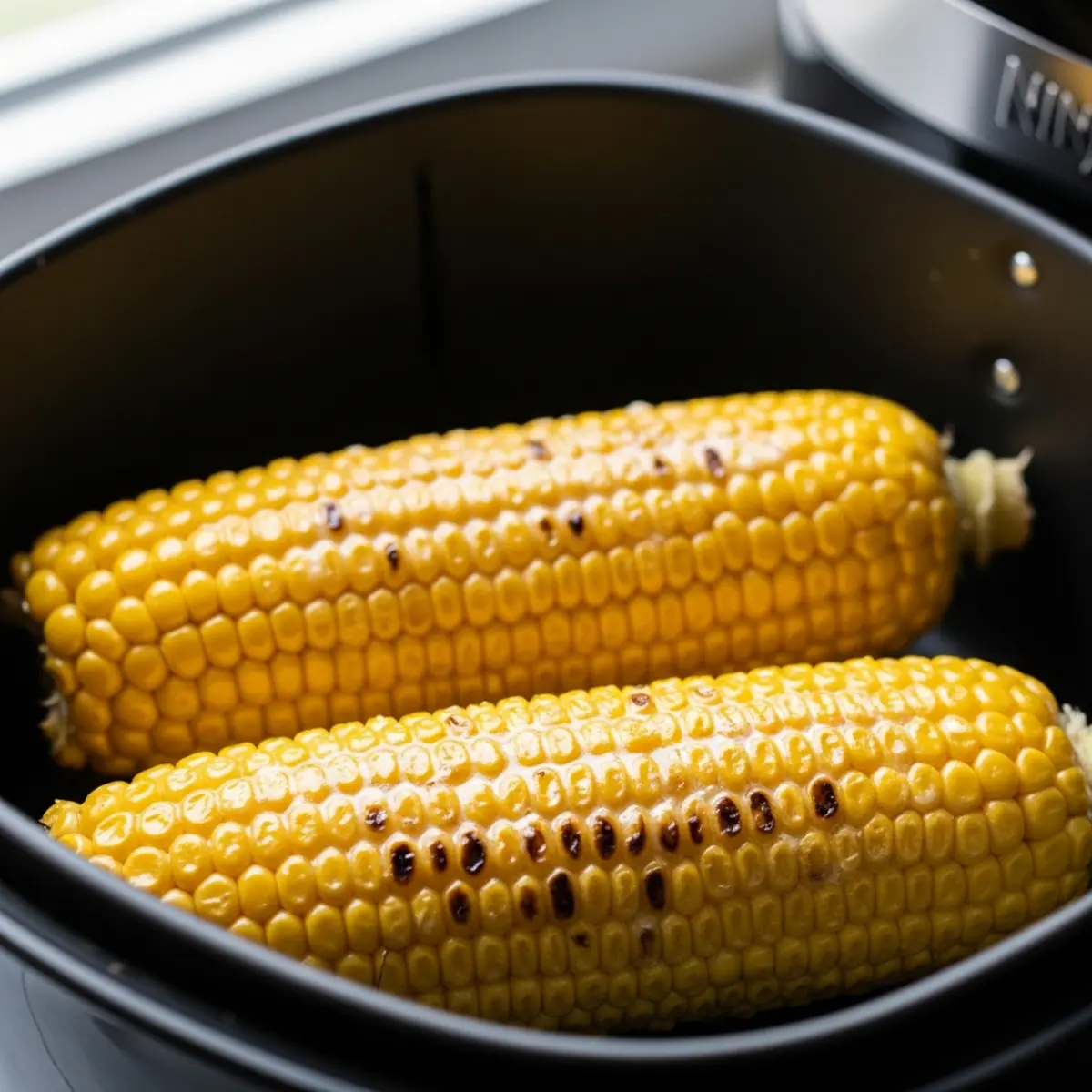
Ninja Foodi Air Fryer & Pressure Cooker 4-Minute Corn on the Cob
 Vegetables
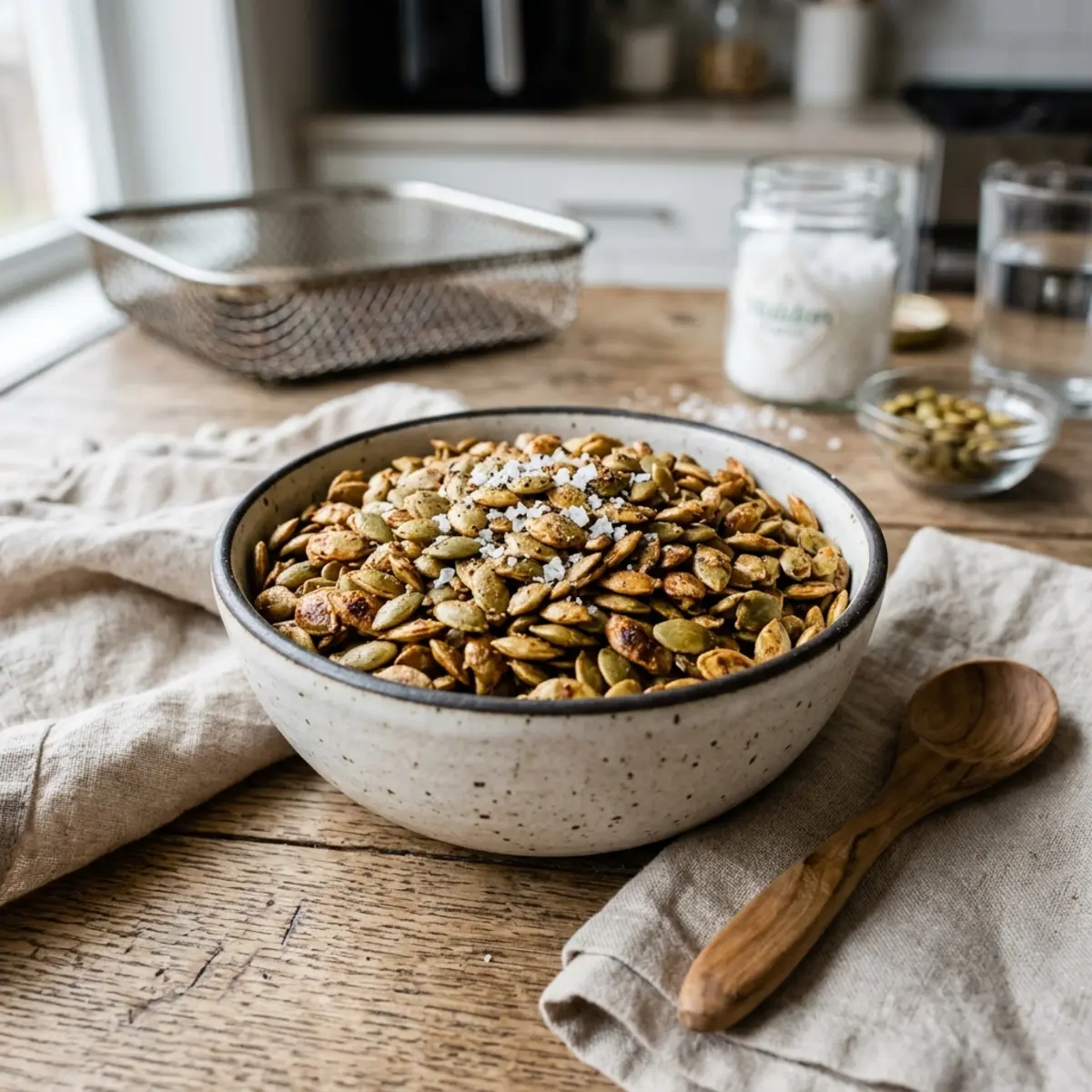
Air Fryer Pumpkin Seeds – Crispy and Golden
 Vegetables
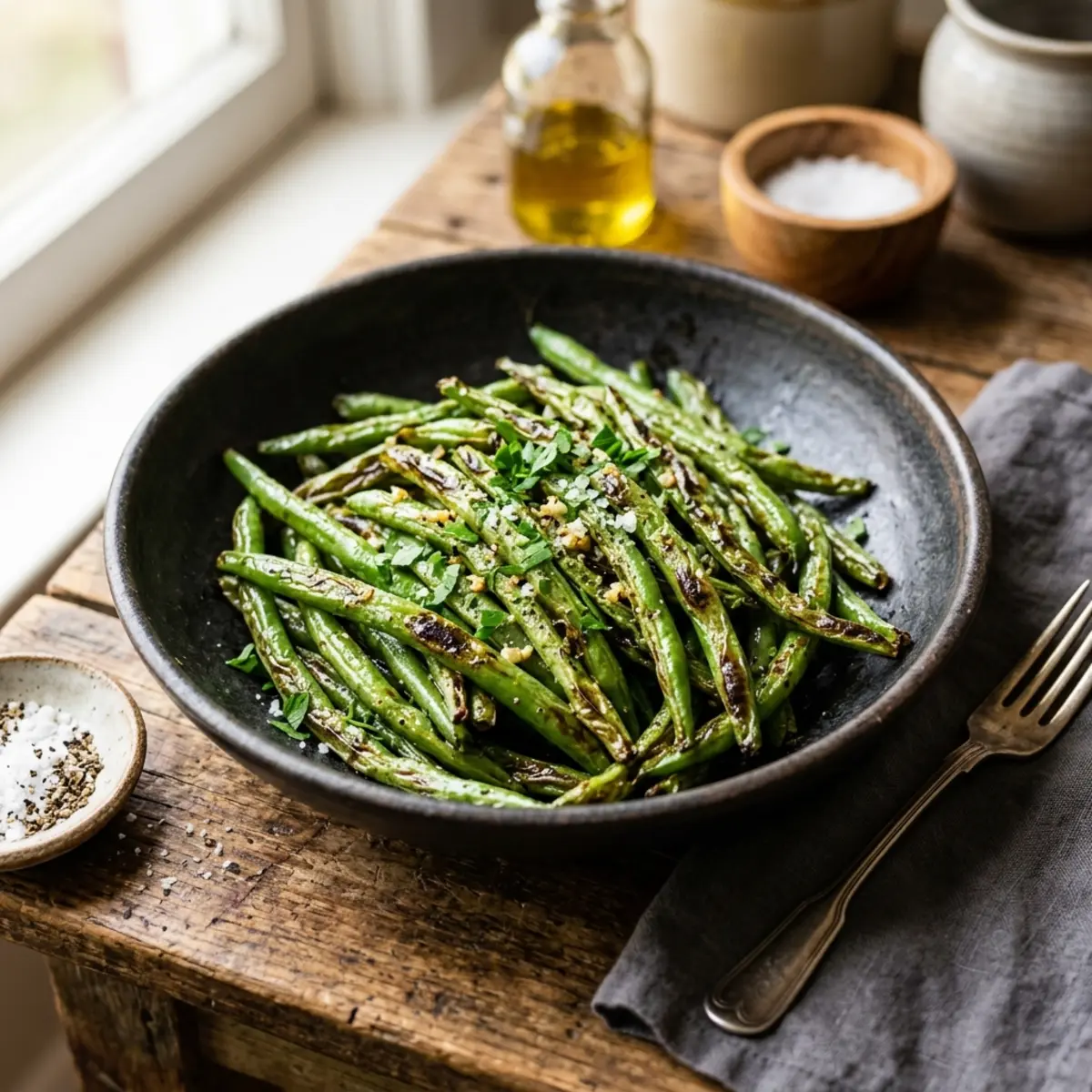
Air Fryer Green Beans – Quick and Tasty Side Dish
 Vegetables
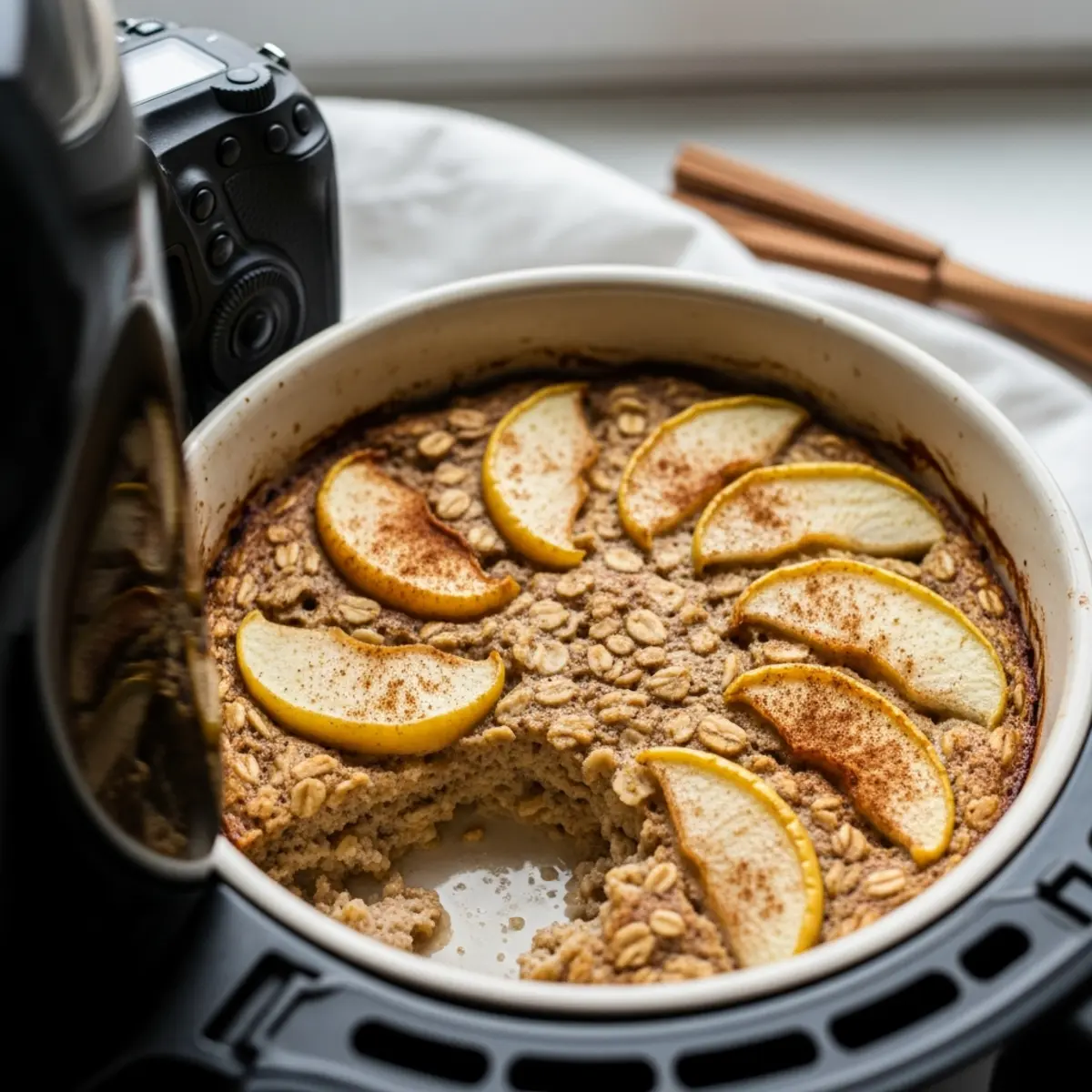
Oatmeal with Apples and Cinnamon in Air Fryer
 Vegetables
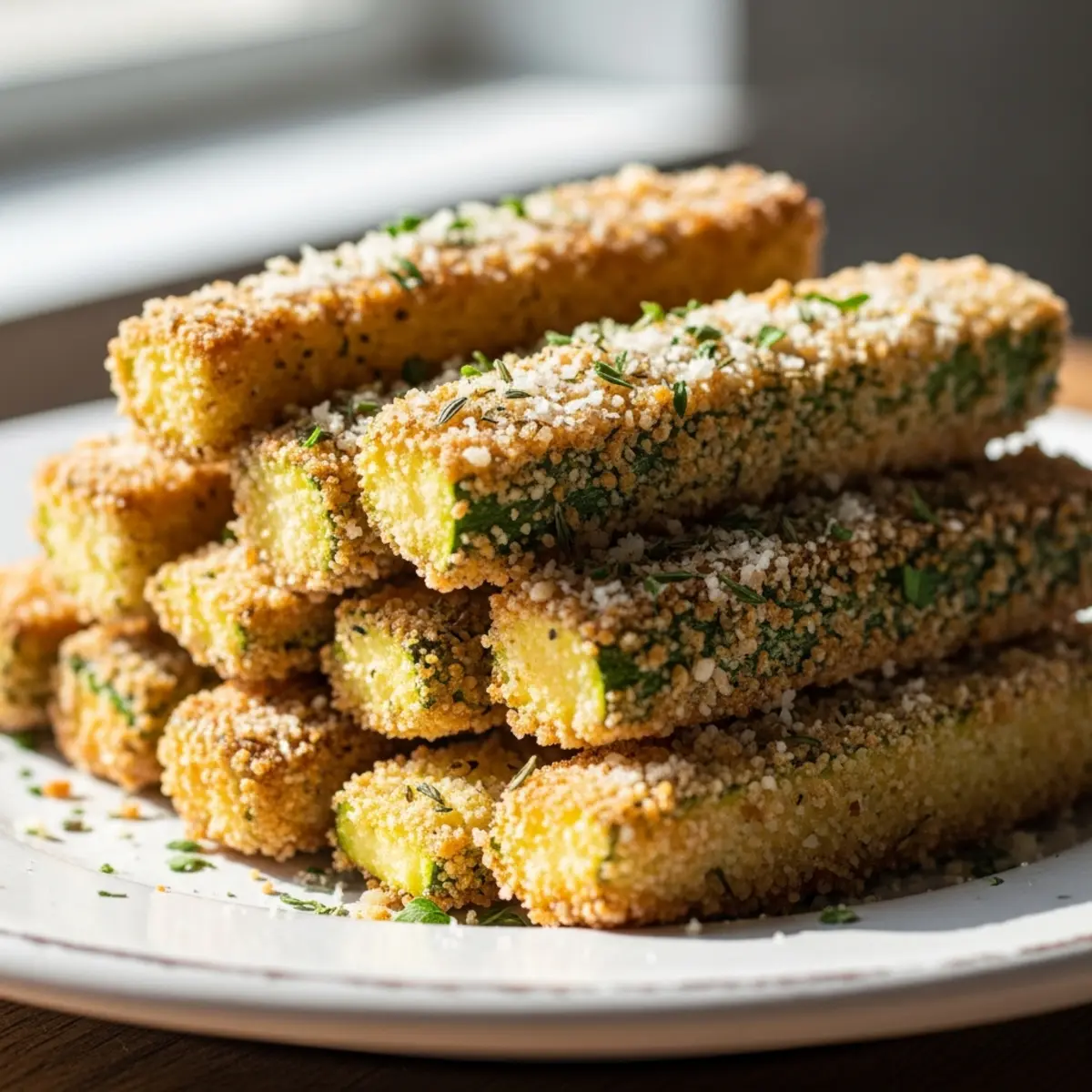
Crispy Parmesan Zucchini Sticks in Air Fryer
 Vegetables