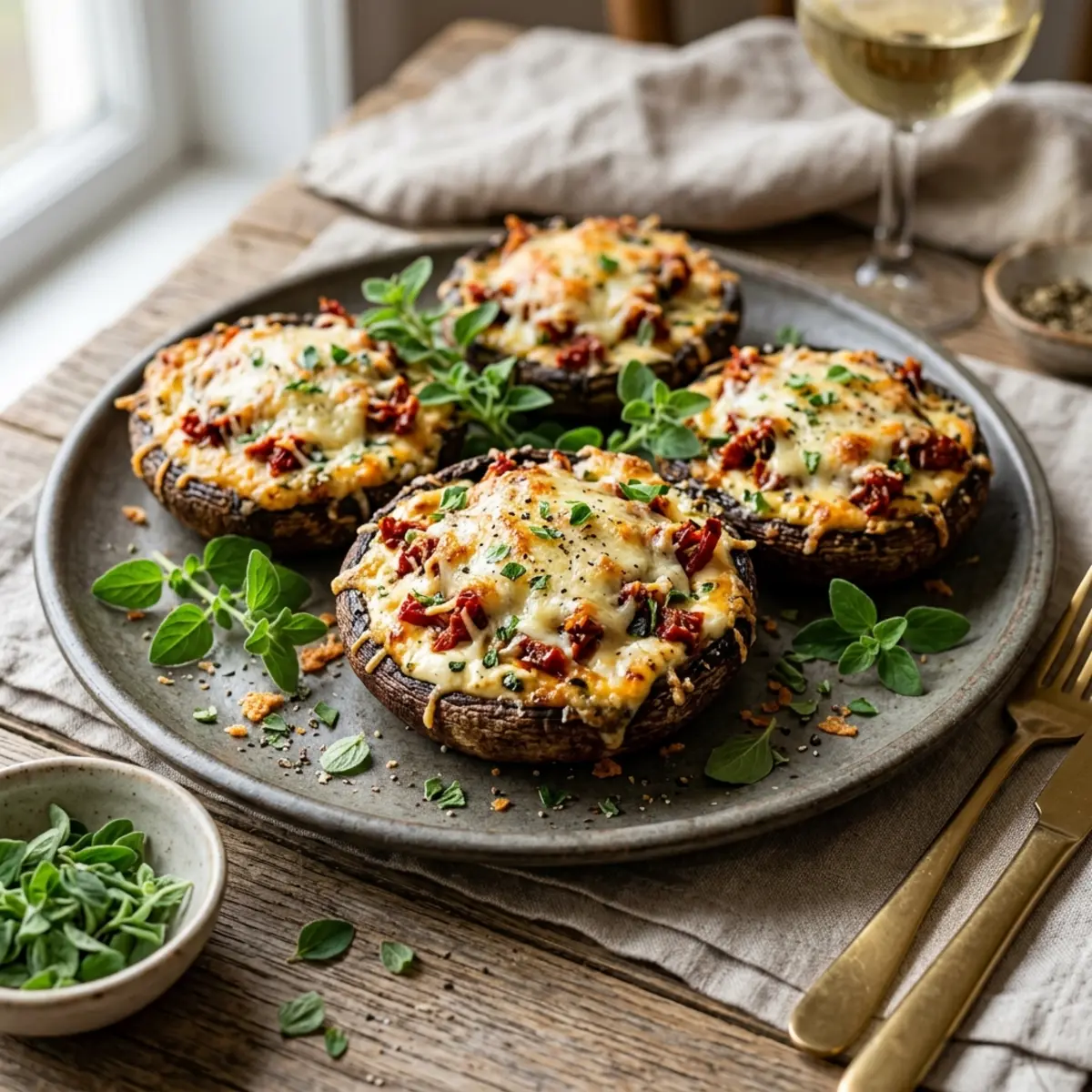
Portobello Mushrooms Stuffed with Cream Cheese and Sun-Dried Tomatoes
Large Portobello mushrooms stuffed with a creamy mixture of cheese and sun-dried tomatoes, quickly cooked in an air fryer for perfect texture.
Steps
- 01
Clean the Portobello mushrooms with a damp cloth and carefully remove the stems.
- 02
In a bowl, mix cream cheese, Parmesan, chopped sun-dried tomatoes, oregano, salt, and pepper.
- 03
Stuff the mushrooms with the cheese mixture, pressing gently.
- 04
Preheat the air fryer to 180°C (350°F).
- 05
Lightly brush the stuffed mushrooms with olive oil, place them in the air fryer basket, and cook for 12 minutes until tender and lightly browned.
Recipe story
Portobello mushrooms originate from Italy, where they are known as 'portobello' and prized for their meaty texture. The recipe for stuffed mushrooms with cheese and sun-dried tomatoes was popularized in Mediterranean cuisine, combining classic Italian flavors. Cooking in an air fryer is a modern adaptation that preserves juiciness and enhances taste.
Ingredient Secrets
Discover the culinary secrets and flavor history of key ingredients in this dish.
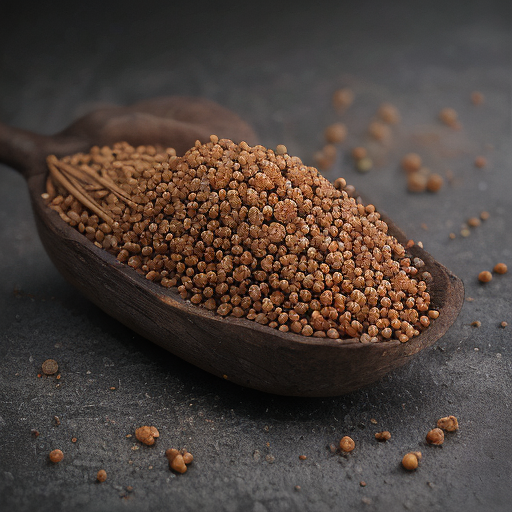
Black pepper
Known as 'black gold' in antiquity, pepper was so valuable that it served as currency and tribute. In the Middle Ages, Venetian merchants controlled the pepper trade, and individual peppercorns were often counted. Legend has it that when Alaric, king of the Visigoths, demanded tribute from Rome, he included 3,000 pounds of pepper.
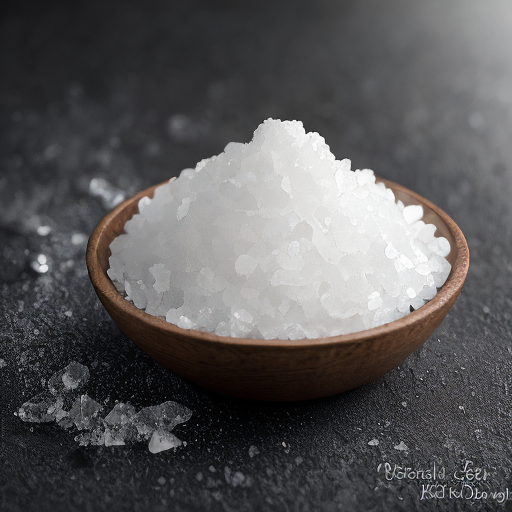
Sea salt
Sea salt, extracted from ocean waters by evaporation, was one of the most precious goods of antiquity, used both as food and as currency. In ancient Rome, soldiers were paid with salt, which is the origin of the word 'salary'. Salt roads connected entire civilizations, and in the Middle Ages, salt was so valuable it was called 'white gold'.
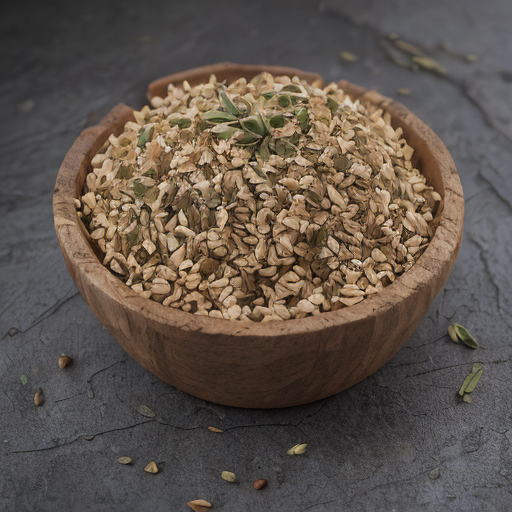
Oregano
Oregano, also known as 'mountain joy', was used by ancient Greeks as an antidote for poisons and a symbol of happiness. In the Middle Ages, it was planted on graves to ensure peace for the souls.
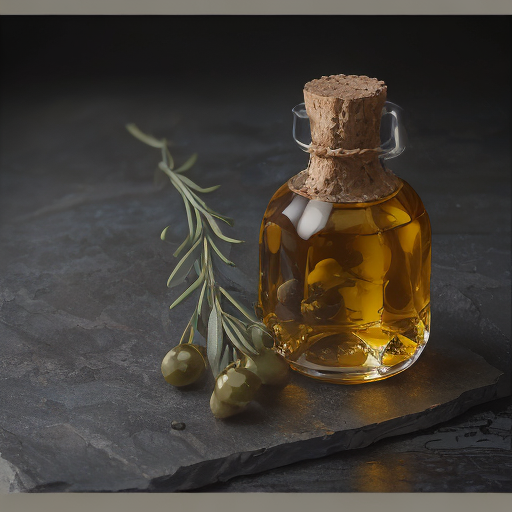
Olive oil
Originating in the Mediterranean basin, olive oil was already produced in ancient Crete 5,000 years ago. In ancient Greece, it was considered a gift from Athena and used in lamps, cosmetics, and religious ceremonies. The Romans spread it throughout the empire, and in the Middle Ages, monasteries preserved the tradition of its production.
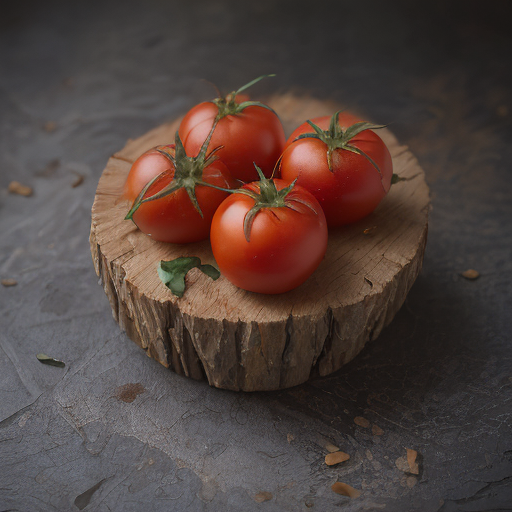
Tomato
Although today the tomato is indispensable in global cuisine, it was long viewed with suspicion in Europe, considered a toxic ornamental plant. It wasn't until the 19th century that Italian immigrants popularized it in the United States, turning it into an iconic ingredient of Mediterranean cuisine. Native to South America, the tomato was domesticated in Mexico and brought to Europe by Spanish conquistadors.
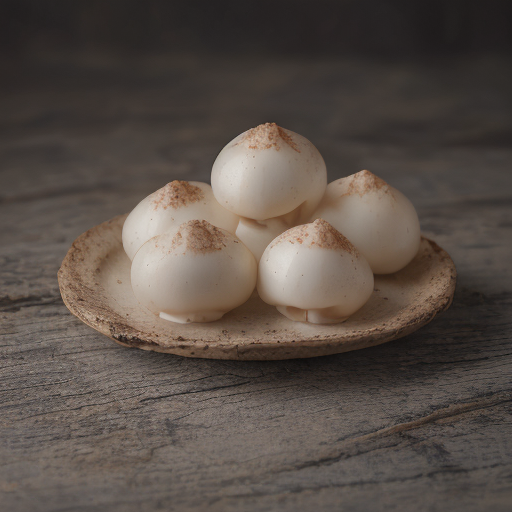
Mushrooms
Mushrooms have been used for thousands of years in cuisines worldwide, from ancient China to classical Greece. In ancient Egypt, they were considered food for royalty, and the Romans called them 'food of the gods'.
You may also like
 Vegetables
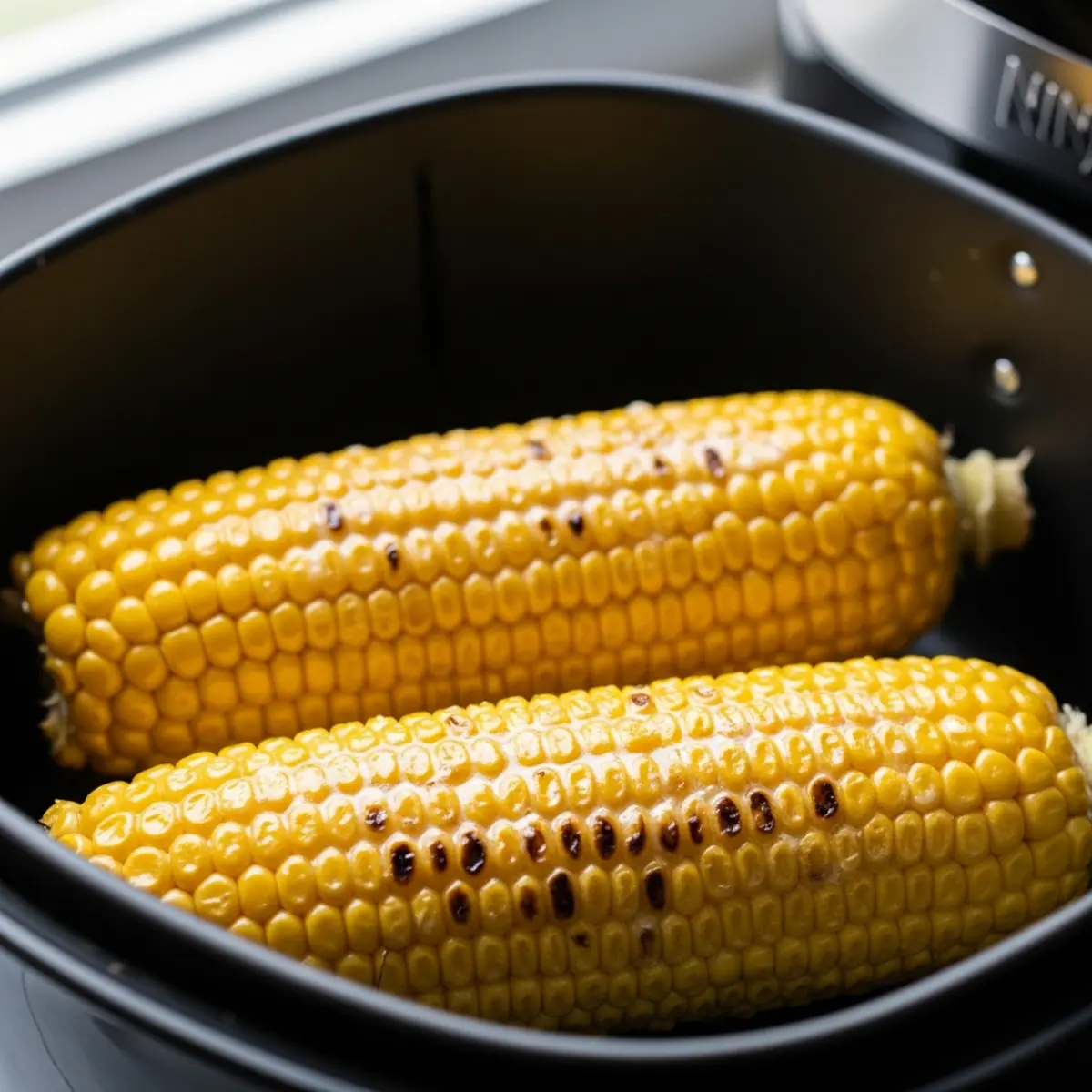
Ninja Foodi Air Fryer & Pressure Cooker 4-Minute Corn on the Cob
 Vegetables
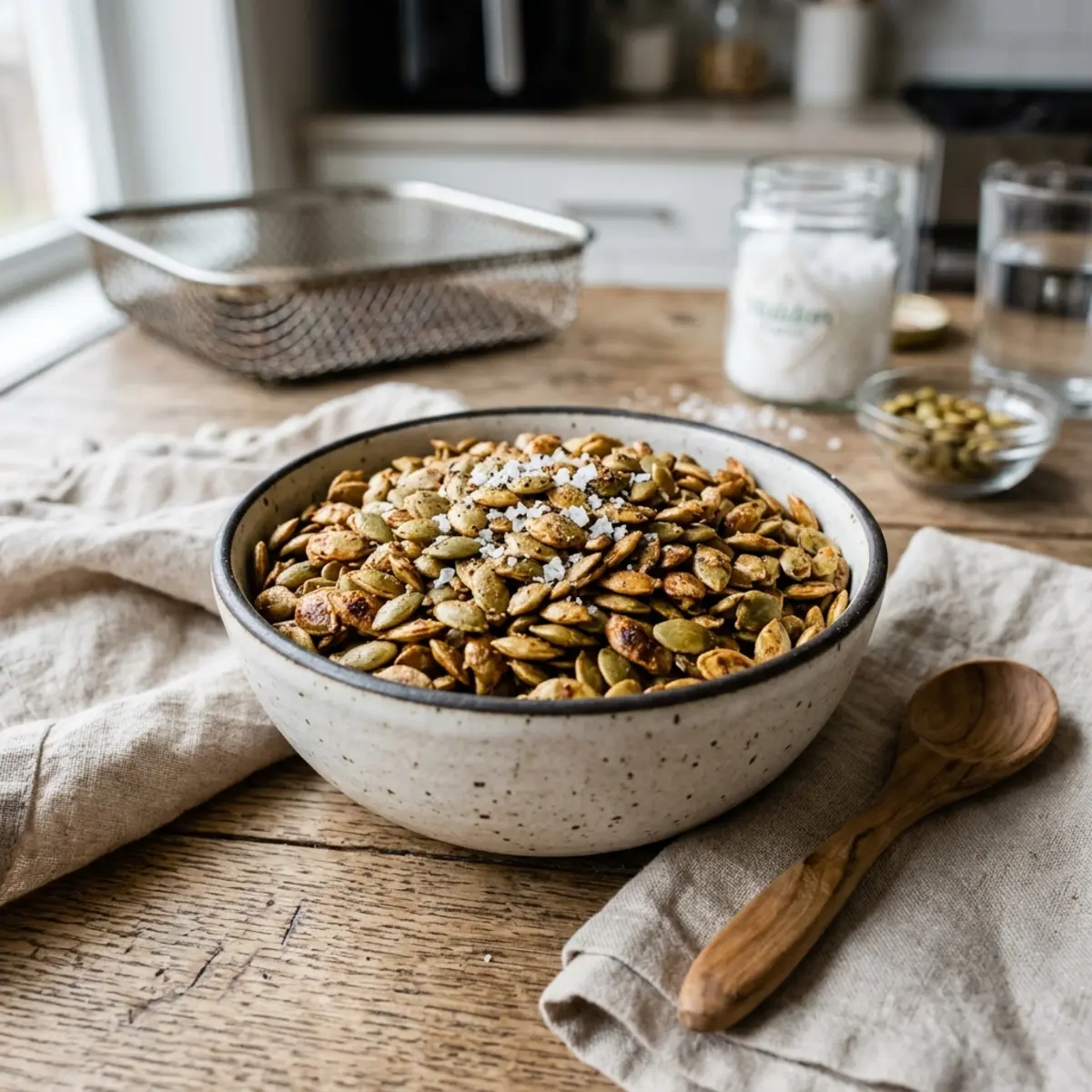
Air Fryer Pumpkin Seeds – Crispy and Golden
 Vegetables
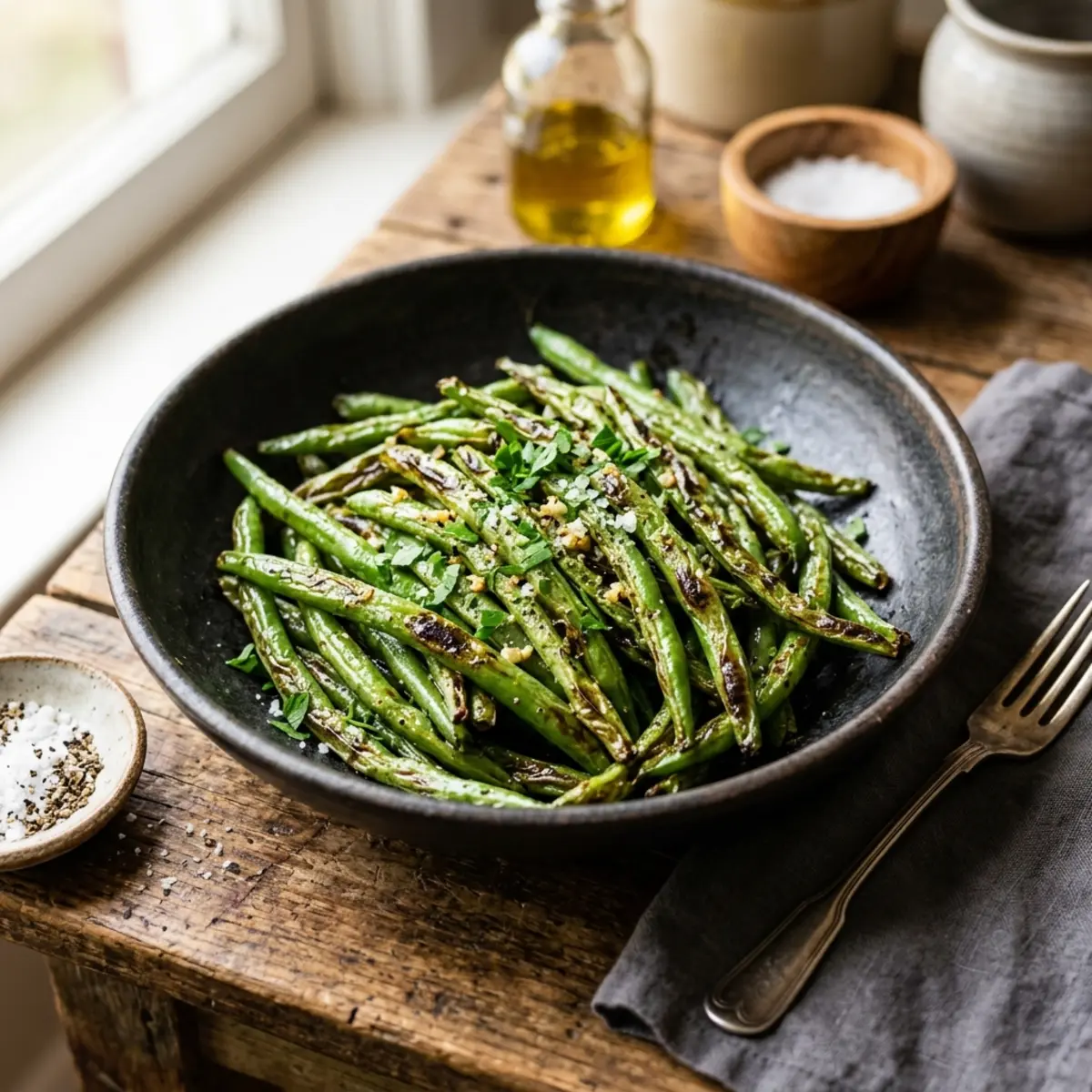
Air Fryer Green Beans – Quick and Tasty Side Dish
 Vegetables
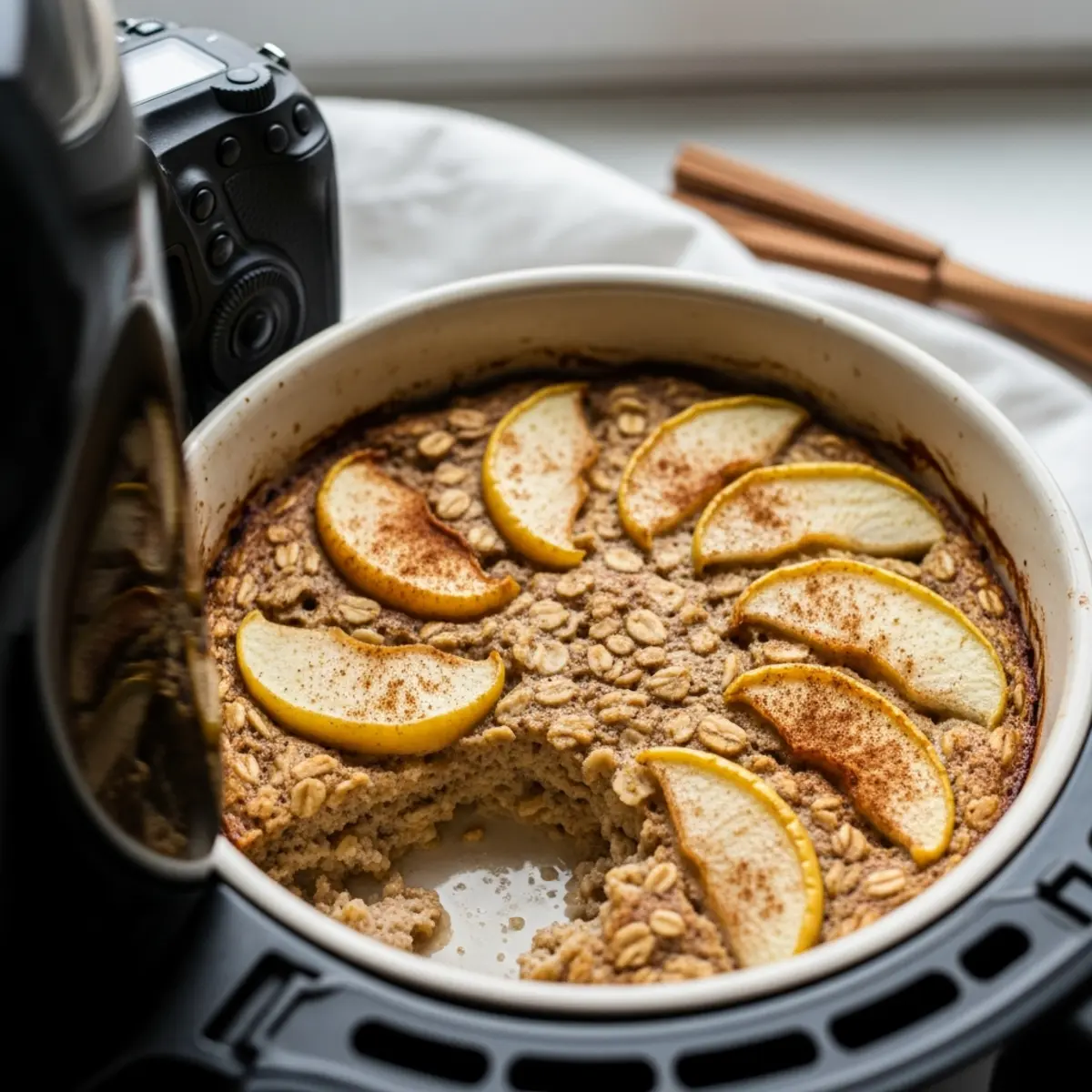
Oatmeal with Apples and Cinnamon in Air Fryer
 Vegetables
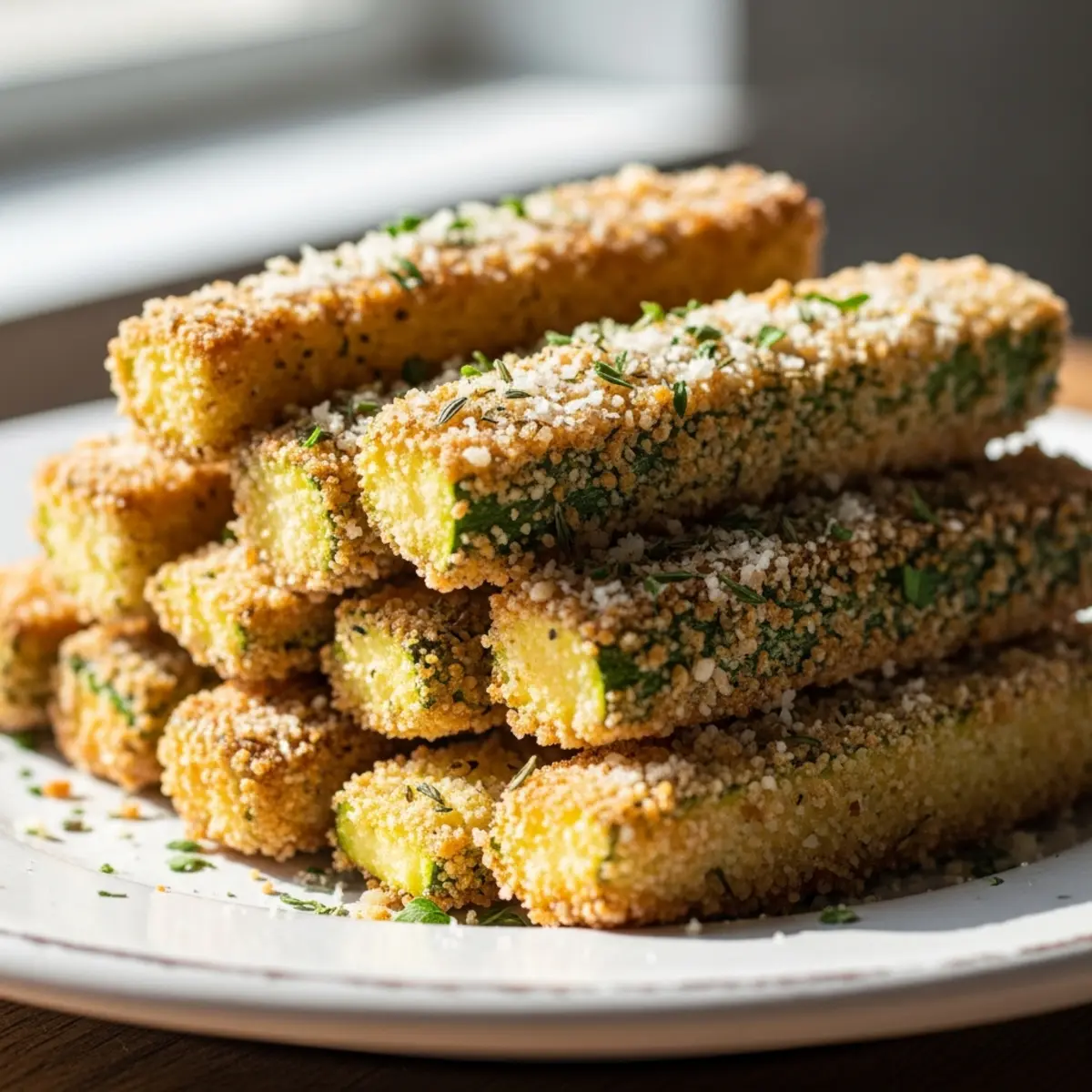
Crispy Parmesan Zucchini Sticks in Air Fryer
 Vegetables