Eggplant and Cheese Stuffed Meatballs in Air Fryer
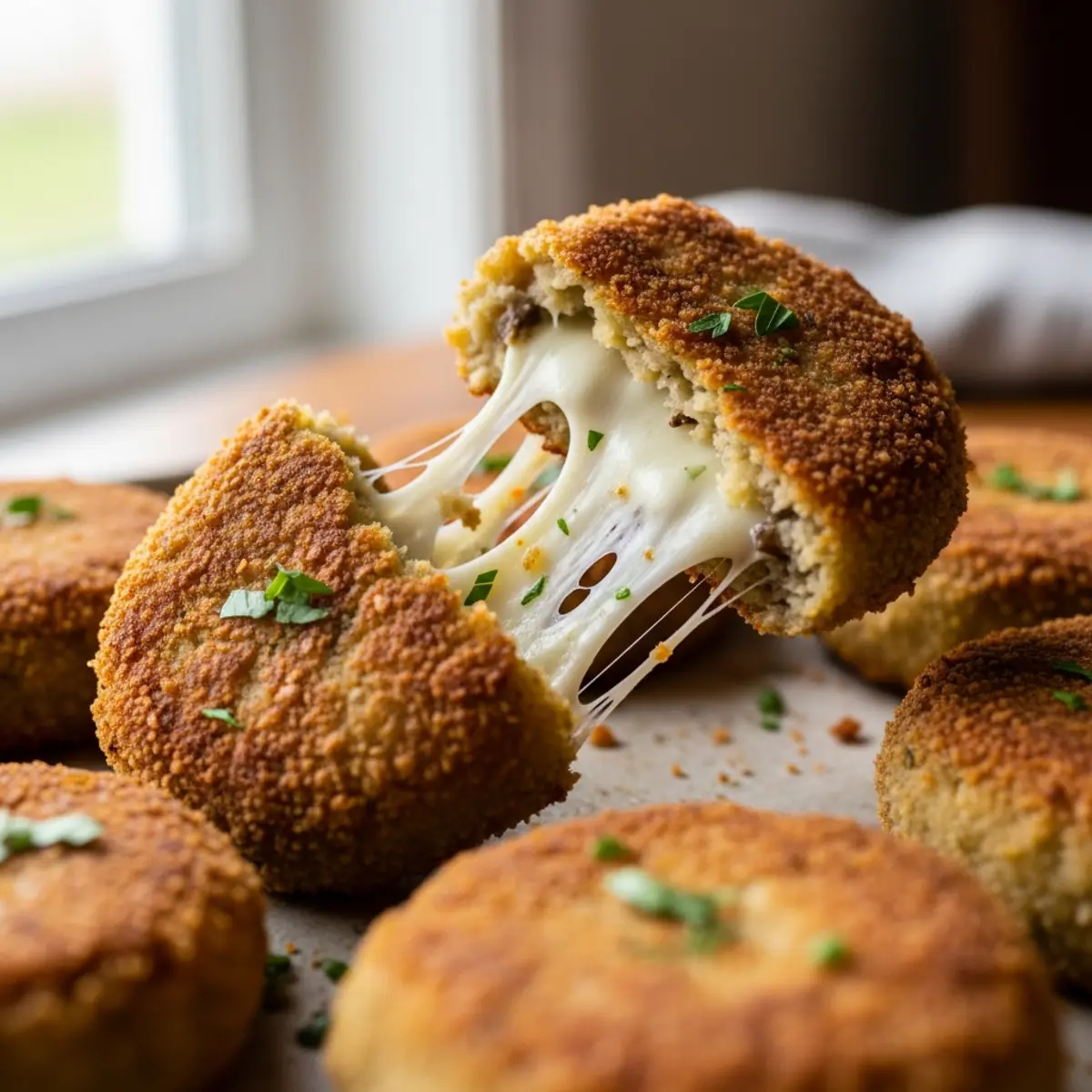
Vegetarian meatballs made from roasted eggplant, stuffed with cheese, cooked in air fryer or oven. Served with marinara sauce and parmesan.
Steps
- 01
Roast the eggplants on a gas stove or grill until the skin is charred. Peel and let them drain well. Roast the bell pepper, then peel it.
- 02
Finely chop the eggplants, roasted pepper, and parsley. Grate or mince the garlic.
- 03
In a large bowl, mix chopped eggplants, pepper, parsley, garlic, salt, breadcrumbs, grated parmesan, egg, dried oregano, and dried basil. Knead gently until well combined.
- 04
Cover the mixture with plastic wrap and let it rest for 15 minutes.
- 05
Divide the mixture into 9 equal portions. Wet your palm, flatten each portion, place a cube of cheese in the center, seal the edges, and shape into a round meatball.
- 06
Lightly brush or spray the meatballs with olive oil.
- 07
For air fryer: Preheat to 200°C (400°F) for 5 minutes. Place meatballs in the basket with space between them. Cook at 180°C (350°F) for 15 minutes, then increase temperature to 200°C (400°F) for another 5 minutes to brown.
- 08
For oven: Preheat oven to 200°C (400°F) with fan. Place meatballs on a baking sheet lined with parchment paper and bake for 25–30 minutes at 200°C (400°F).
- 09
Serve the meatballs on a bed of marinara sauce. Sprinkle extra parmesan and garnish with basil leaves.
Recipe story
Eggplant and cheese stuffed meatballs have origins in Mediterranean cuisine, where eggplant is a staple. In Italy, similar dishes like 'polpette di melanzane' are popular in the south, while in Greece, eggplant 'keftedes' are often served with tzatziki. This modern recipe adapts the tradition for the air fryer, preserving the crispy texture and smoky flavor.
Ingredient Secrets
Discover the culinary secrets and flavor history of key ingredients in this dish.
Black pepper
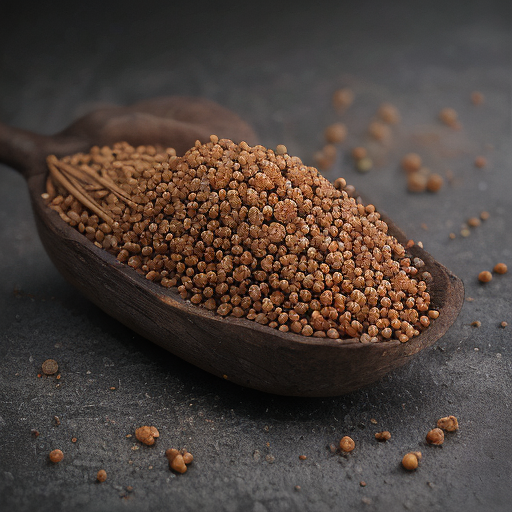
Known as 'black gold' in antiquity, pepper was so valuable that it served as currency and tribute. In the Middle Ages, Venetian merchants controlled the pepper trade, and individual peppercorns were often counted. Legend has it that when Alaric, king of the Visigoths, demanded tribute from Rome, he included 3,000 pounds of pepper.
Sea salt
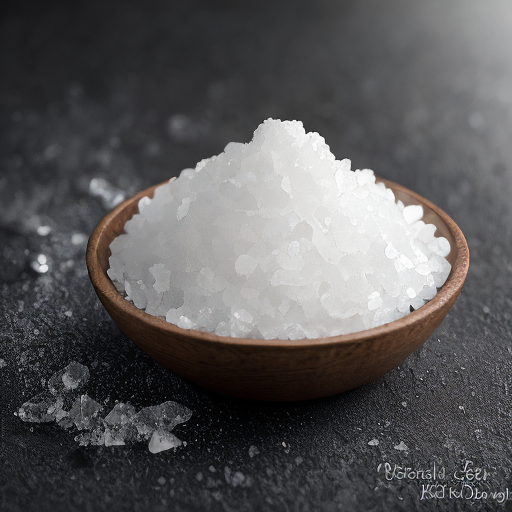
Sea salt, extracted from ocean waters by evaporation, was one of the most precious goods of antiquity, used both as food and as currency. In ancient Rome, soldiers were paid with salt, which is the origin of the word 'salary'. Salt roads connected entire civilizations, and in the Middle Ages, salt was so valuable it was called 'white gold'.
Oregano
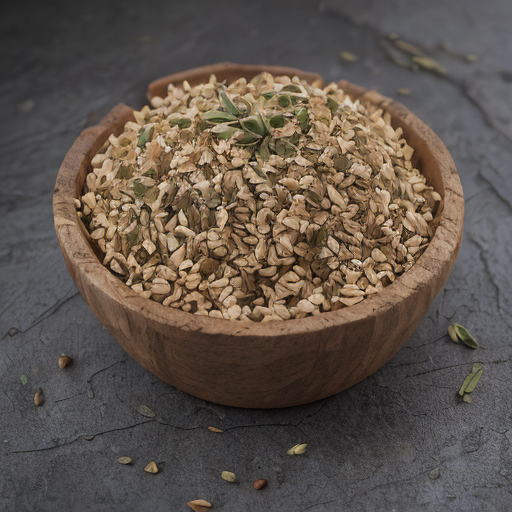
Oregano, also known as 'mountain joy', was used by ancient Greeks as an antidote for poisons and a symbol of happiness. In the Middle Ages, it was planted on graves to ensure peace for the souls.
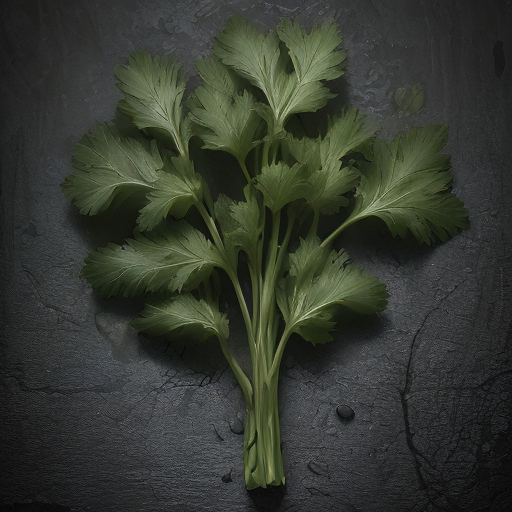
Parsley
In Greek mythology, parsley was associated with death and rebirth, planted on graves to symbolize the cycle of life. Romans used it generously in cooking and as a remedy for hangovers.
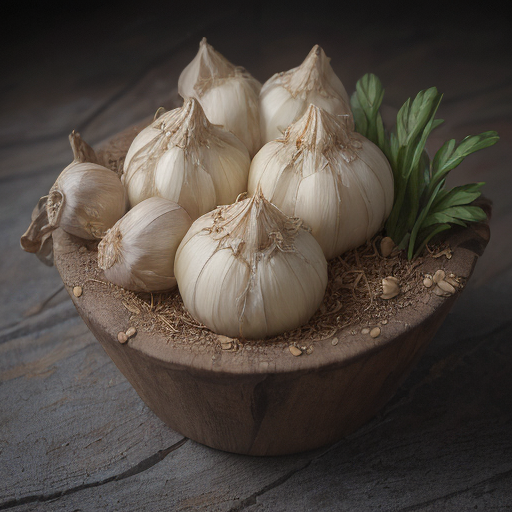
Garlic
Native to Central Asia, garlic was already known in ancient Egypt, where it was given to slaves to boost their strength. In ancient Greece, athletes consumed it before competitions, and in Rome, legionaries considered it essential for courage. During the Middle Ages, it was used to ward off vampires and the plague.
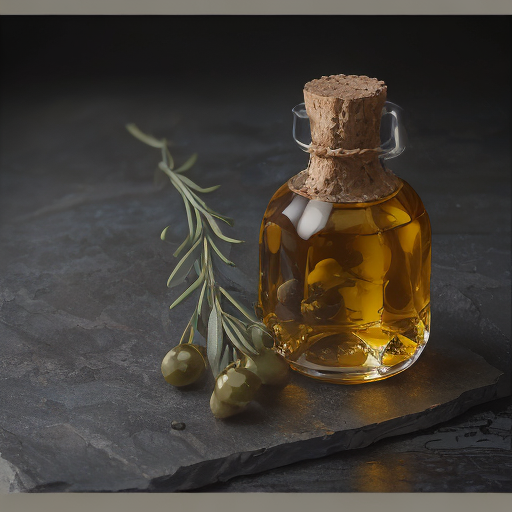
Olive oil
Originating in the Mediterranean basin, olive oil was already produced in ancient Crete 5,000 years ago. In ancient Greece, it was considered a gift from Athena and used in lamps, cosmetics, and religious ceremonies. The Romans spread it throughout the empire, and in the Middle Ages, monasteries preserved the tradition of its production.
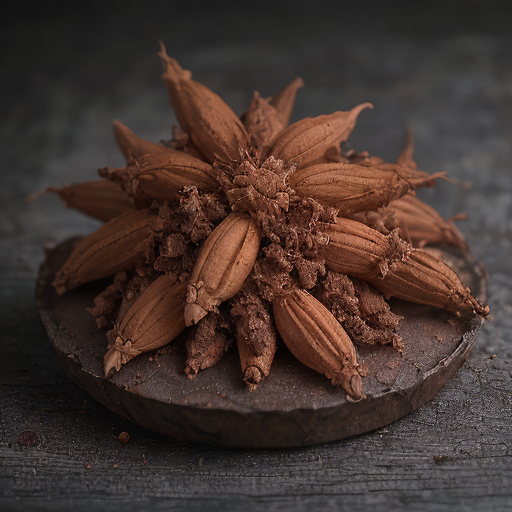
Cloves
Cloves, the dried buds of the exotic Syzygium aromaticum tree, were one of the most prized spices of the ancient world, often called 'aromatic gold'. In the Middle Ages, Venetian merchants controlled the clove trade, bringing them from the Maluku Islands, the only place they grew, and selling them at exorbitant prices in Europe.

Eggplant
Although the name 'eggplant' suggests a connection to eggs, this purple vegetable actually originates from India, where it was cultivated over 4,000 years ago. Arabs introduced eggplants to Europe during the Middle Ages.
You may also like
 Vegetables
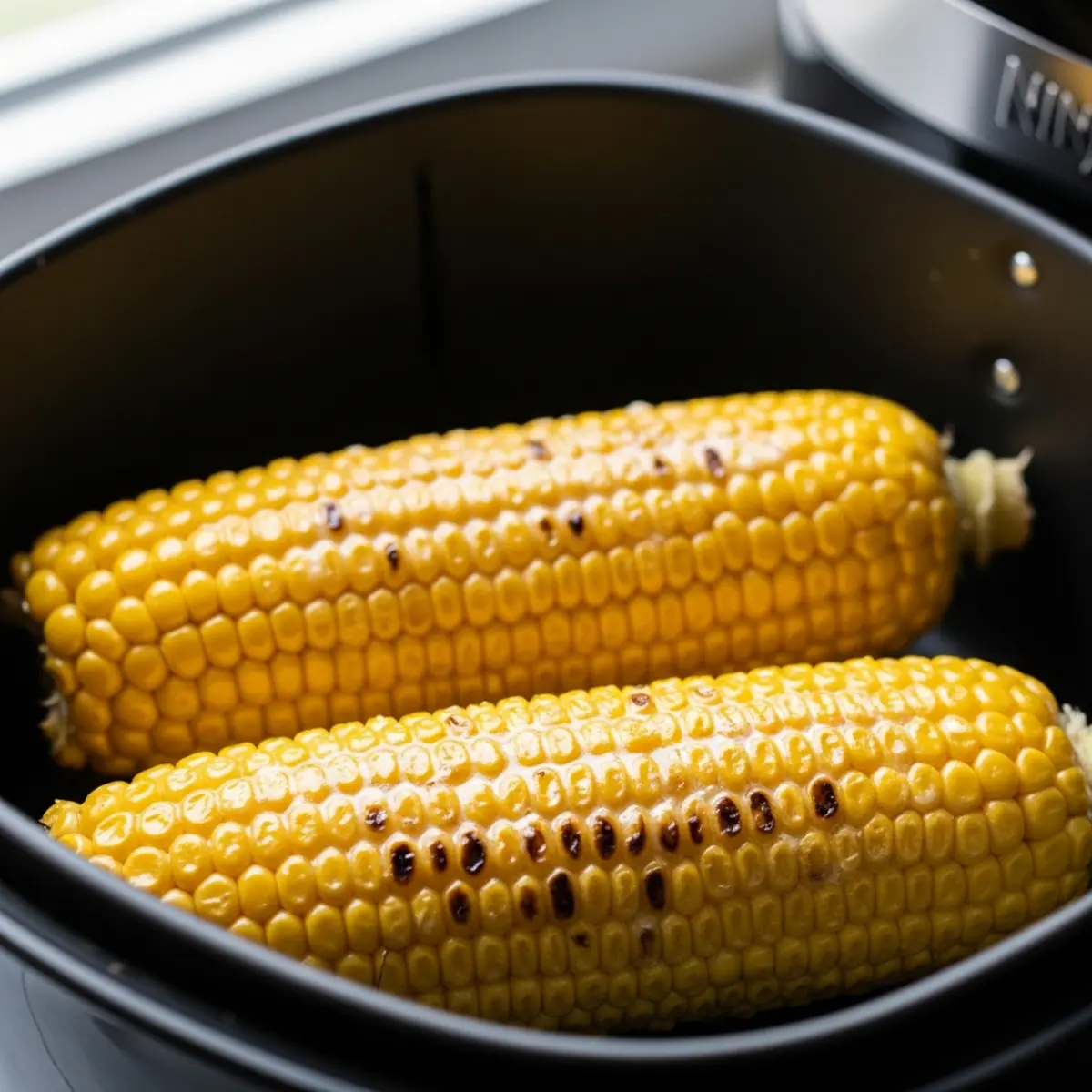
Ninja Foodi Air Fryer & Pressure Cooker 4-Minute Corn on the Cob
 Vegetables
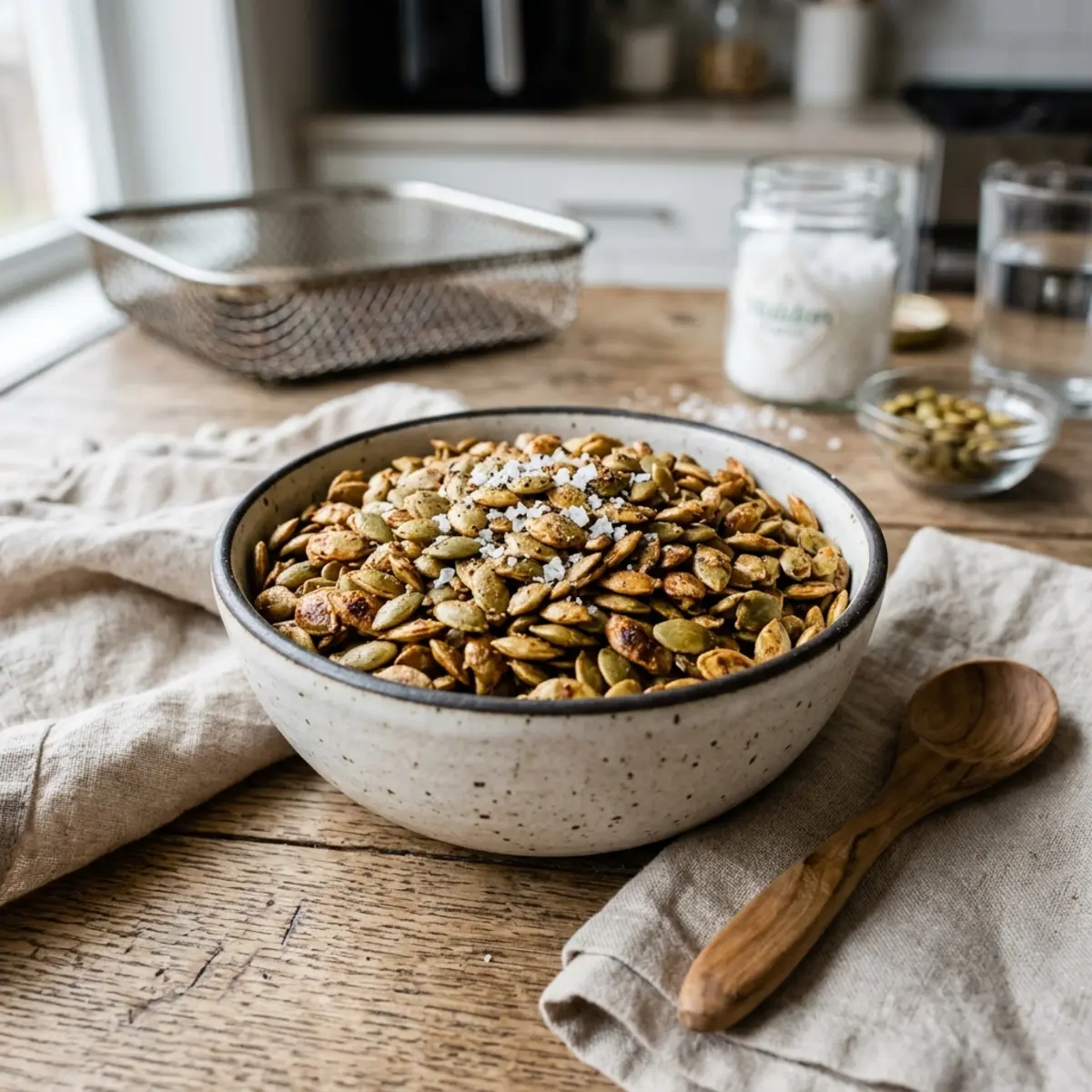
Air Fryer Pumpkin Seeds – Crispy and Golden
 Vegetables
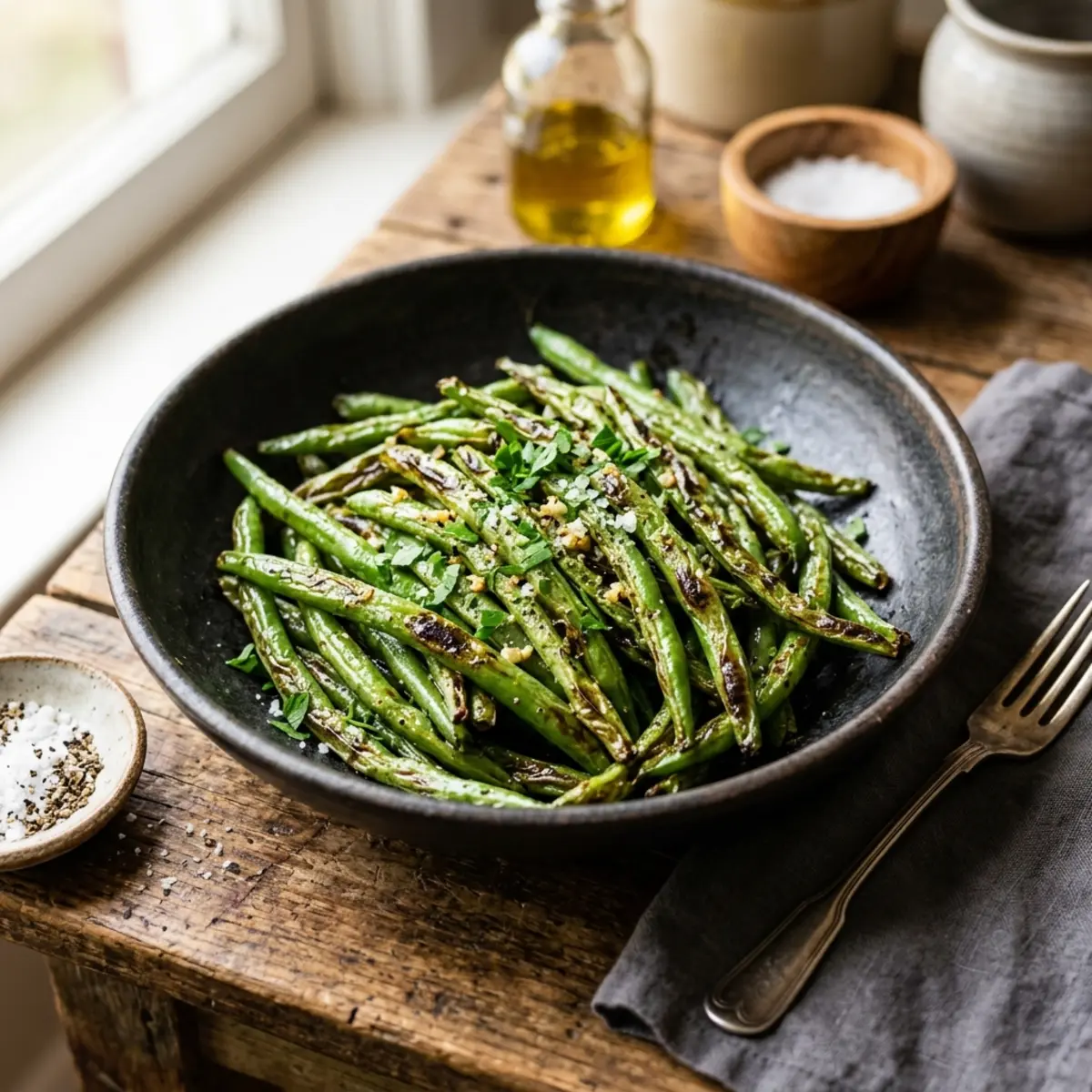
Air Fryer Green Beans – Quick and Tasty Side Dish
 Vegetables
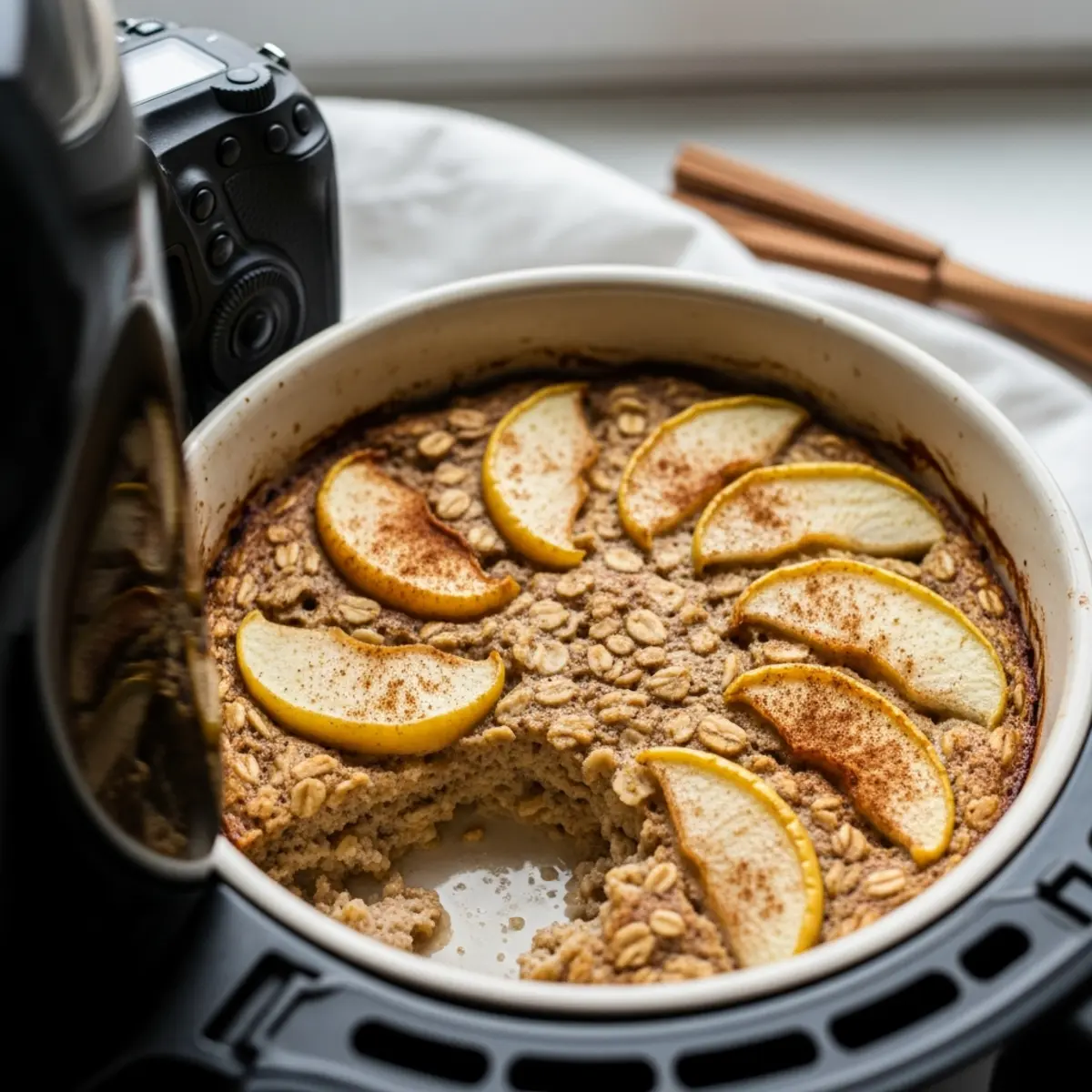
Oatmeal with Apples and Cinnamon in Air Fryer
 Vegetables
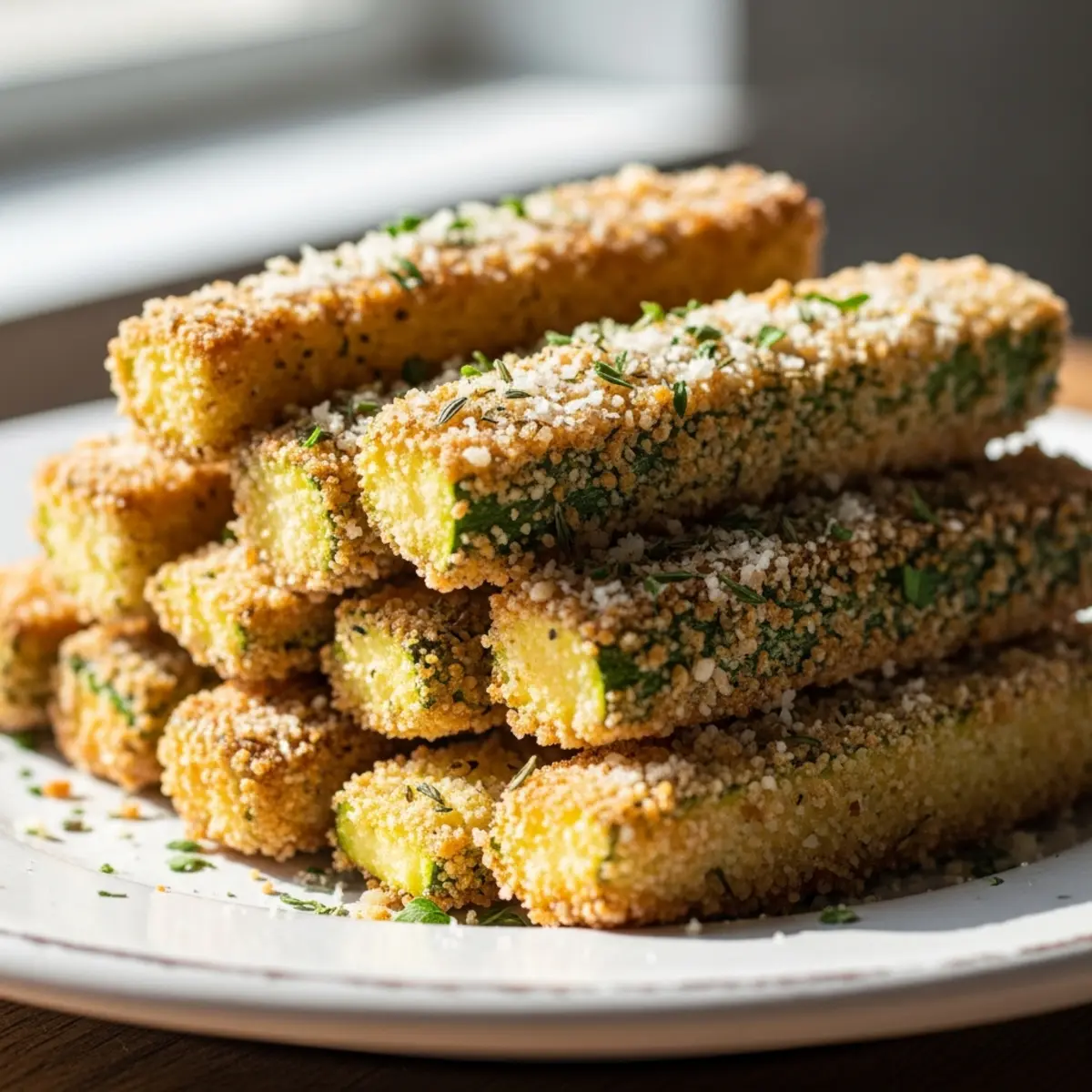
Crispy Parmesan Zucchini Sticks in Air Fryer
 Vegetables