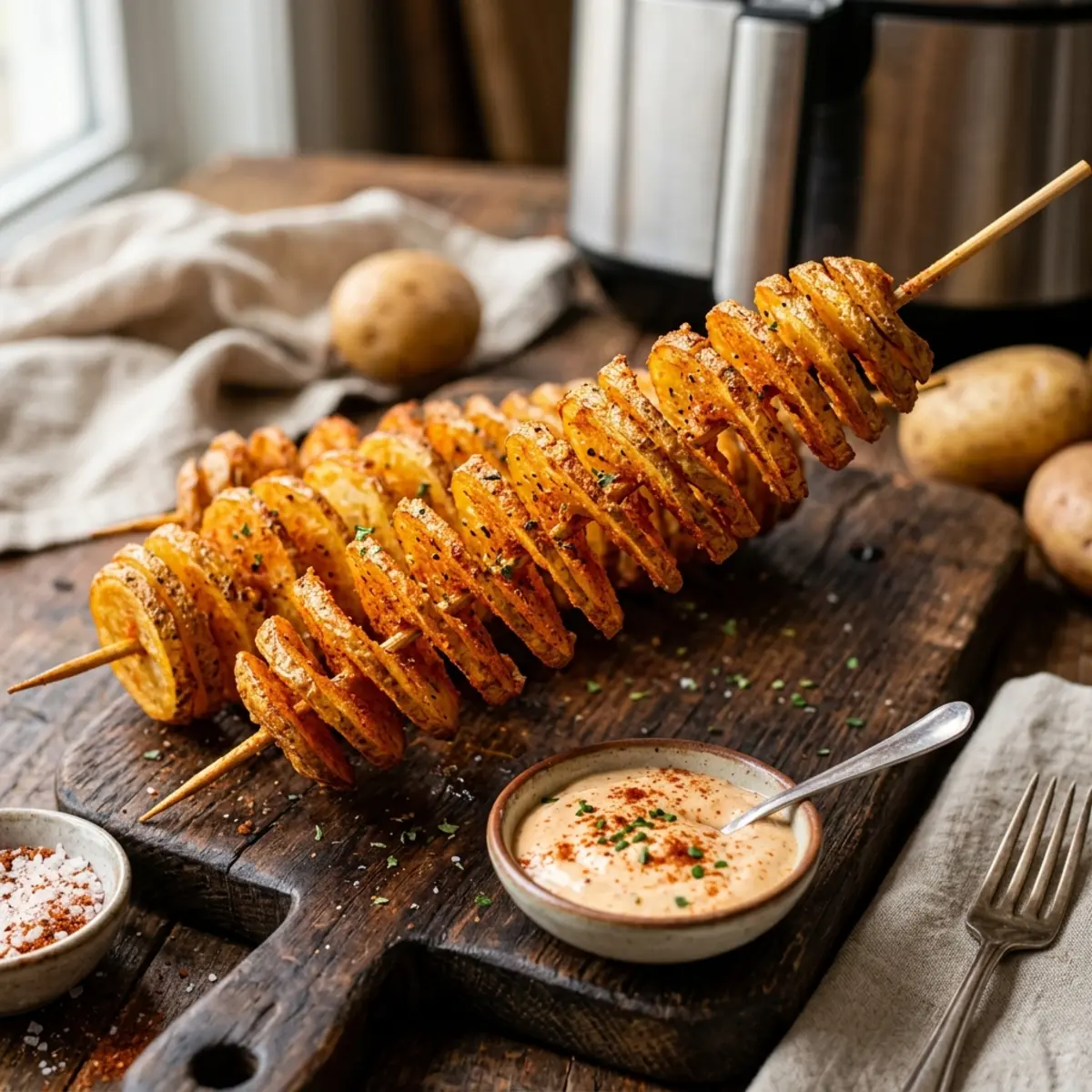
Crispy Potato Twists in Air Fryer
Golden and crispy potato spirals, quickly cooked in the air fryer. A delicious and simple snack.
Steps
- 01
Wash the potatoes well without peeling, then dry them with a towel.
- 02
Using a spiralizer or a sharp knife, cut each potato into a continuous spiral (twister).
- 03
In a bowl, mix olive oil, salt, paprika, and pepper. Brush the potato spirals with this mixture.
- 04
Preheat the air fryer to 180°C (350°F) for 3 minutes.
- 05
Place the spirals in the air fryer basket in a single layer (cook in batches if needed).
- 06
Cook at 180°C (350°F) for 15–18 minutes, shaking the basket halfway through, until golden and crispy.
- 07
Serve immediately, optionally with your favorite sauce (ketchup, mayonnaise, BBQ sauce).
Recipe story
Potato spirals, known as 'twists', were popularized in American street food, inspired by spiral-cut fried potatoes at fairs. The spiral cutting technique was perfected in Asia, where potatoes are often deep-fried. In Europe, the oven or air fryer version became popular due to its crispy texture. The modern recipe combines the simplicity of potatoes with aromatic spices.
Ingredient Secrets
Discover the culinary secrets and flavor history of key ingredients in this dish.
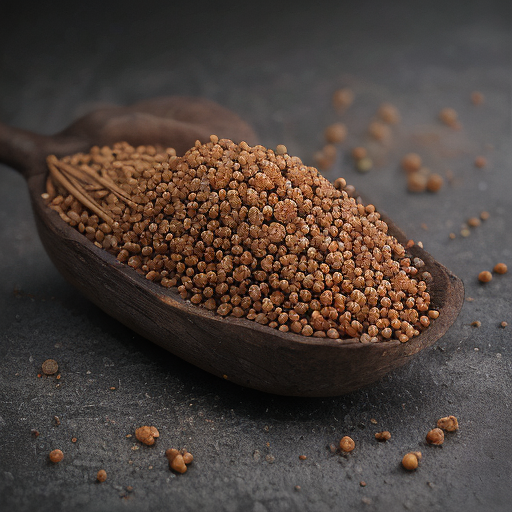
Black pepper
Known as 'black gold' in antiquity, pepper was so valuable that it served as currency and tribute. In the Middle Ages, Venetian merchants controlled the pepper trade, and individual peppercorns were often counted. Legend has it that when Alaric, king of the Visigoths, demanded tribute from Rome, he included 3,000 pounds of pepper.
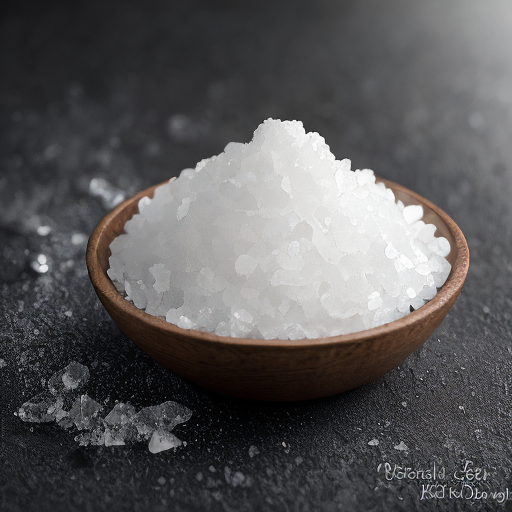
Sea salt
Sea salt, extracted from ocean waters by evaporation, was one of the most precious goods of antiquity, used both as food and as currency. In ancient Rome, soldiers were paid with salt, which is the origin of the word 'salary'. Salt roads connected entire civilizations, and in the Middle Ages, salt was so valuable it was called 'white gold'.
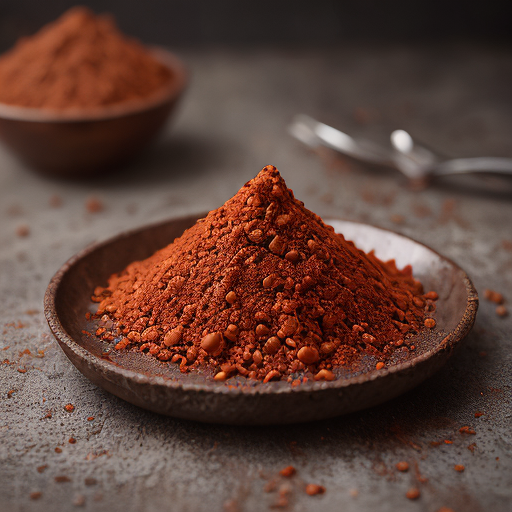
Paprika
Paprika, a emblematic spice brought to Europe by Christopher Columbus from the New World. Although associated with Hungarian cuisine, its origins are in Central America, where it was used by the Aztecs.
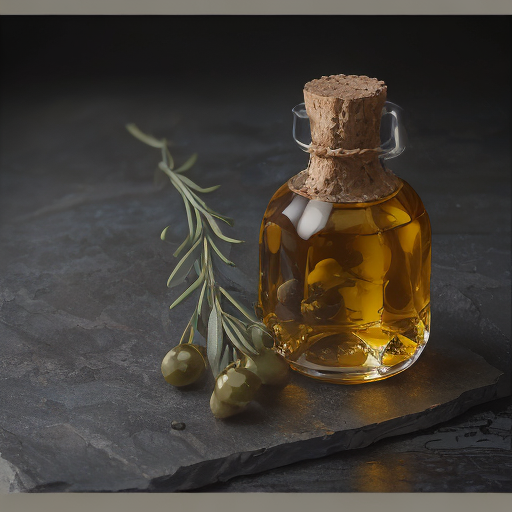
Olive oil
Originating in the Mediterranean basin, olive oil was already produced in ancient Crete 5,000 years ago. In ancient Greece, it was considered a gift from Athena and used in lamps, cosmetics, and religious ceremonies. The Romans spread it throughout the empire, and in the Middle Ages, monasteries preserved the tradition of its production.
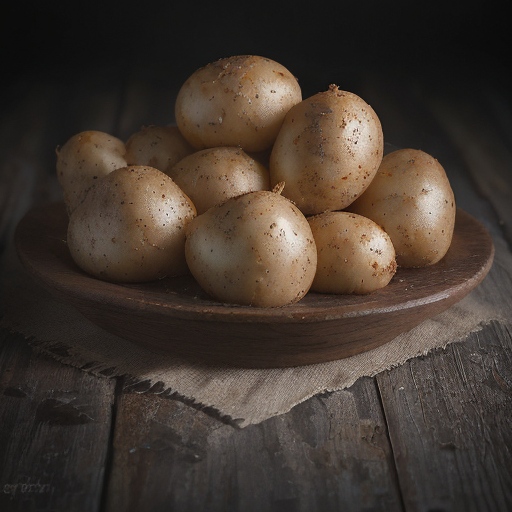
Potato
Although today it seems indispensable on the table, the potato was long viewed with suspicion in Europe. Arriving from the Andes in the 16th century, it was considered a diabolical plant, even poisonous, due to its toxic leaves and fruits. It wasn't until the 18th century, thanks to promoters like Antoine-Augustin Parmentier, that the potato became a staple food, saving Europe from famine.
You may also like
 Vegetables
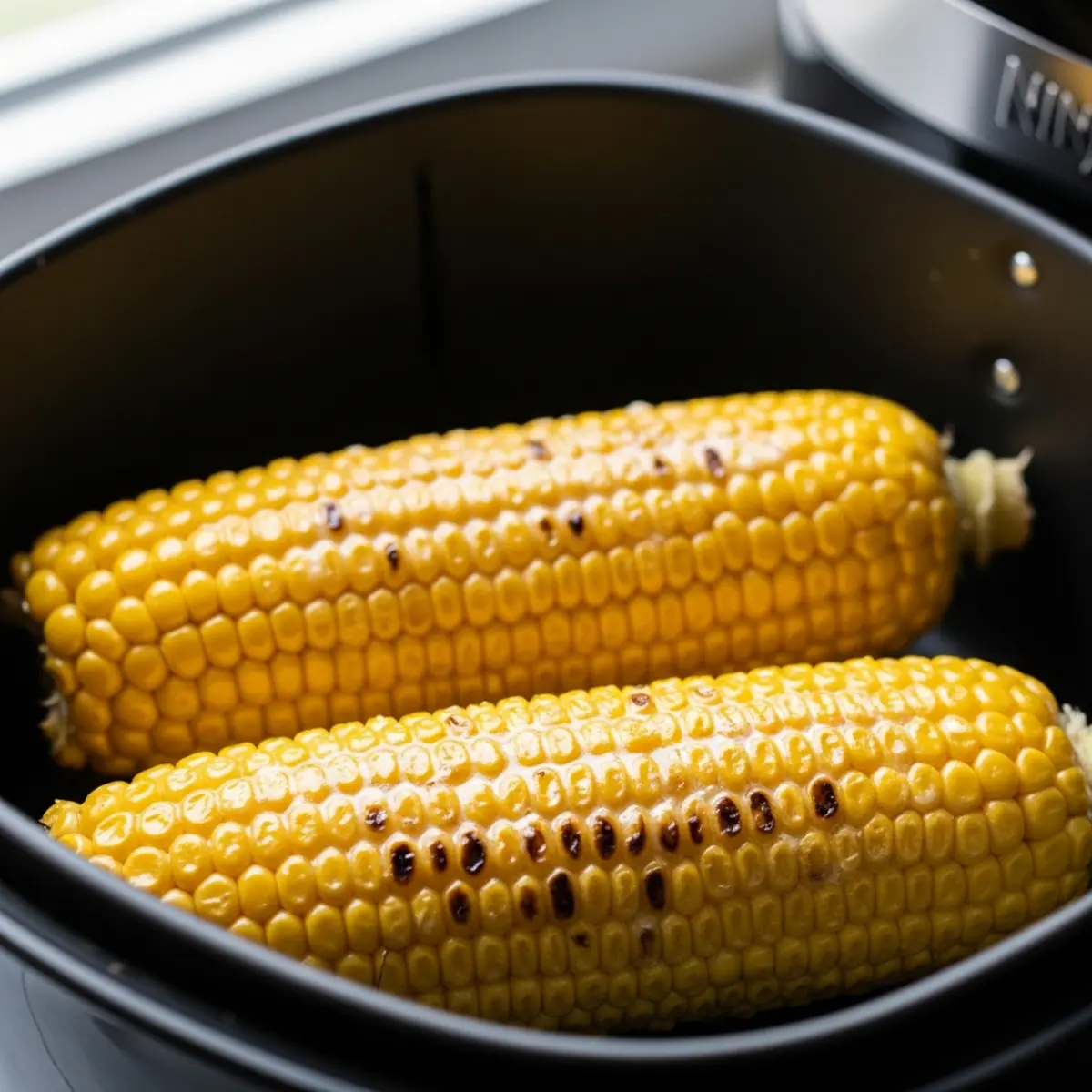
Ninja Foodi Air Fryer & Pressure Cooker 4-Minute Corn on the Cob
 Vegetables
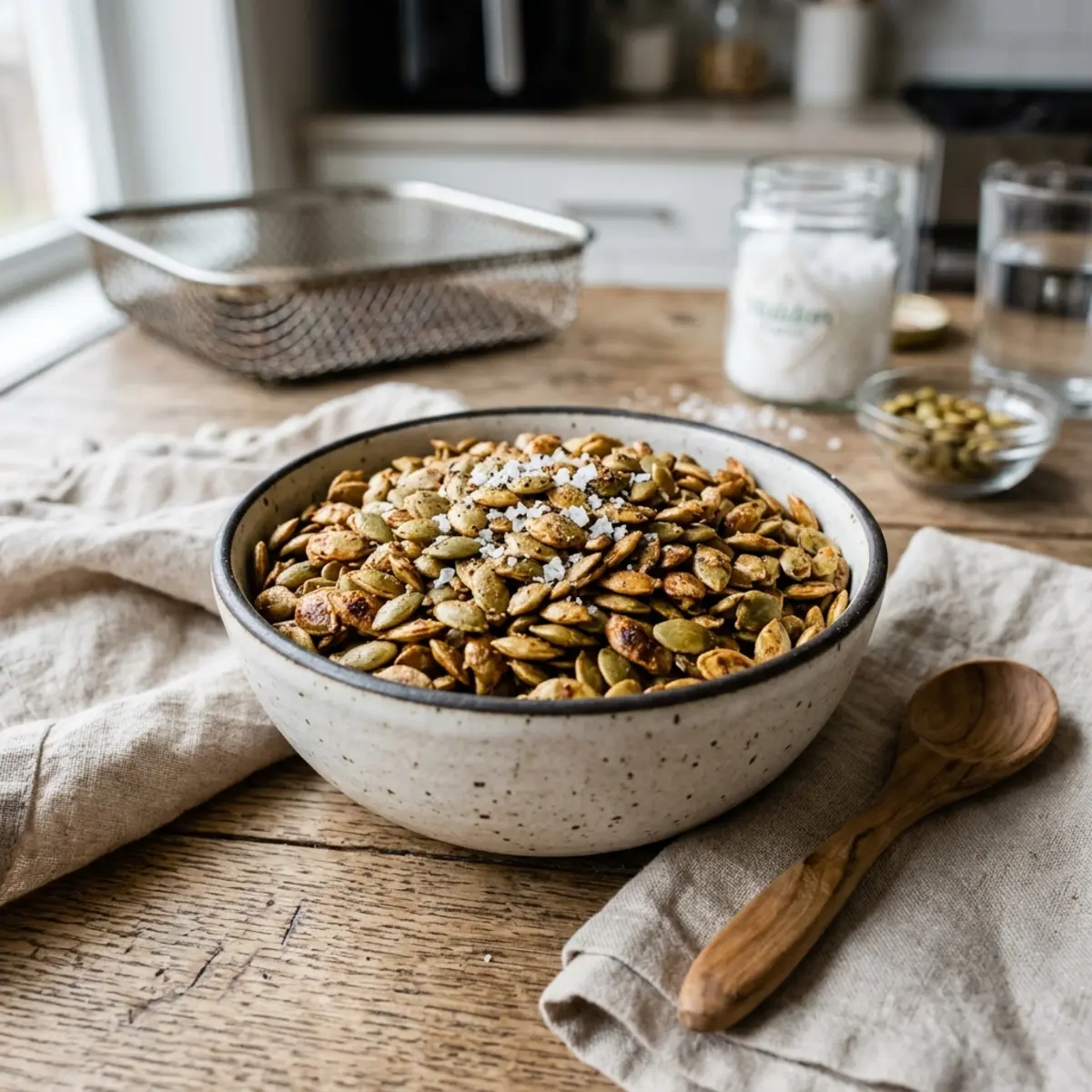
Air Fryer Pumpkin Seeds – Crispy and Golden
 Vegetables
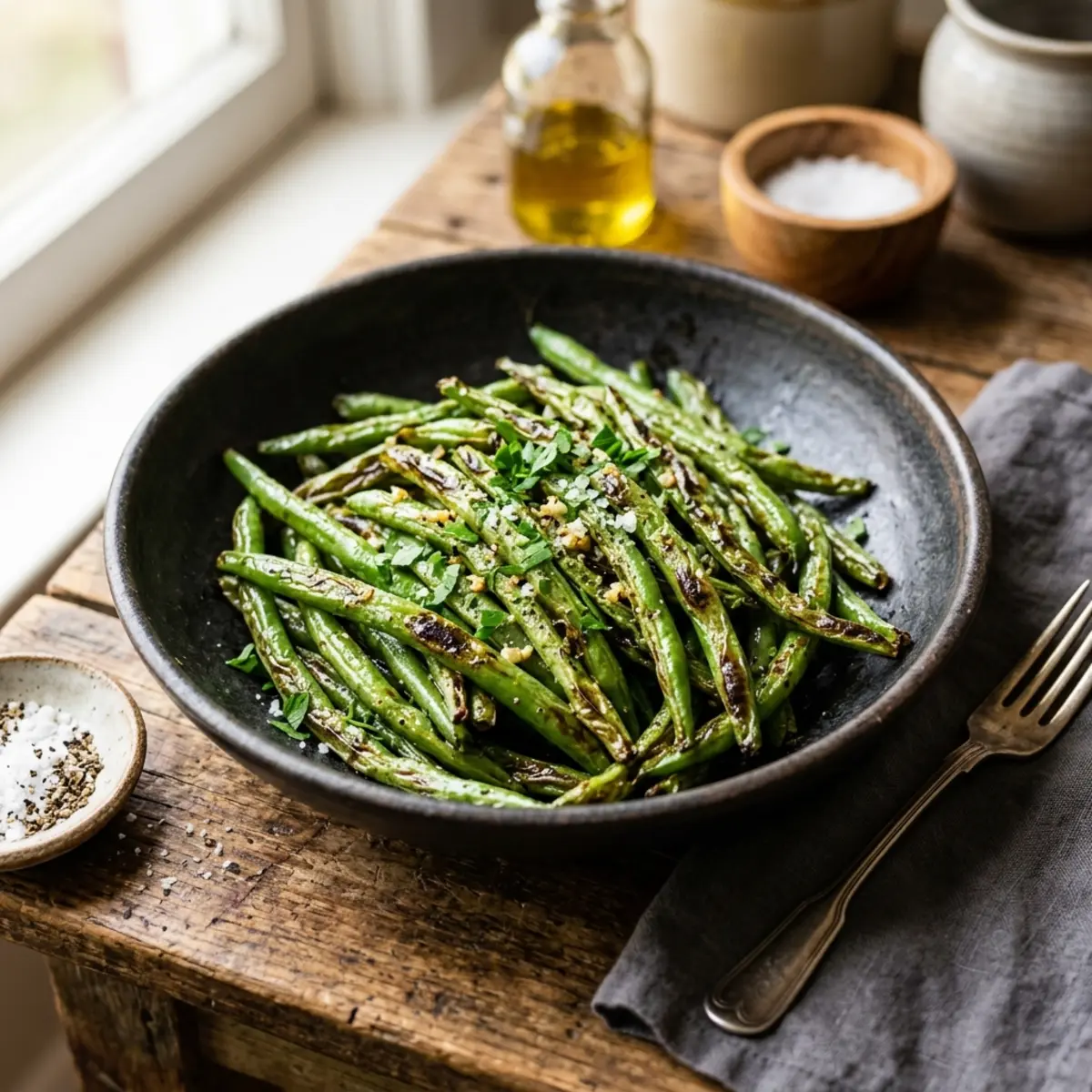
Air Fryer Green Beans – Quick and Tasty Side Dish
 Vegetables
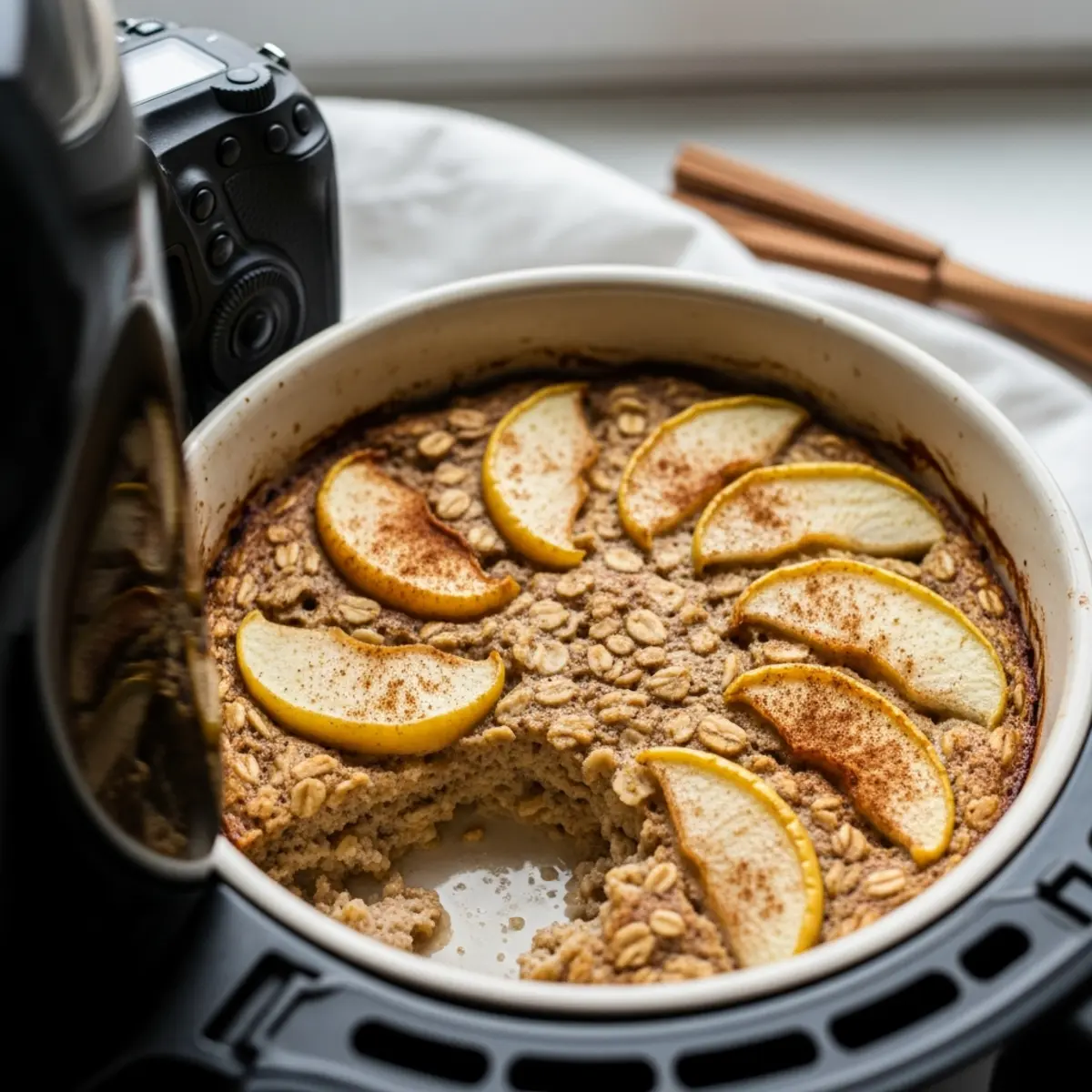
Oatmeal with Apples and Cinnamon in Air Fryer
 Vegetables
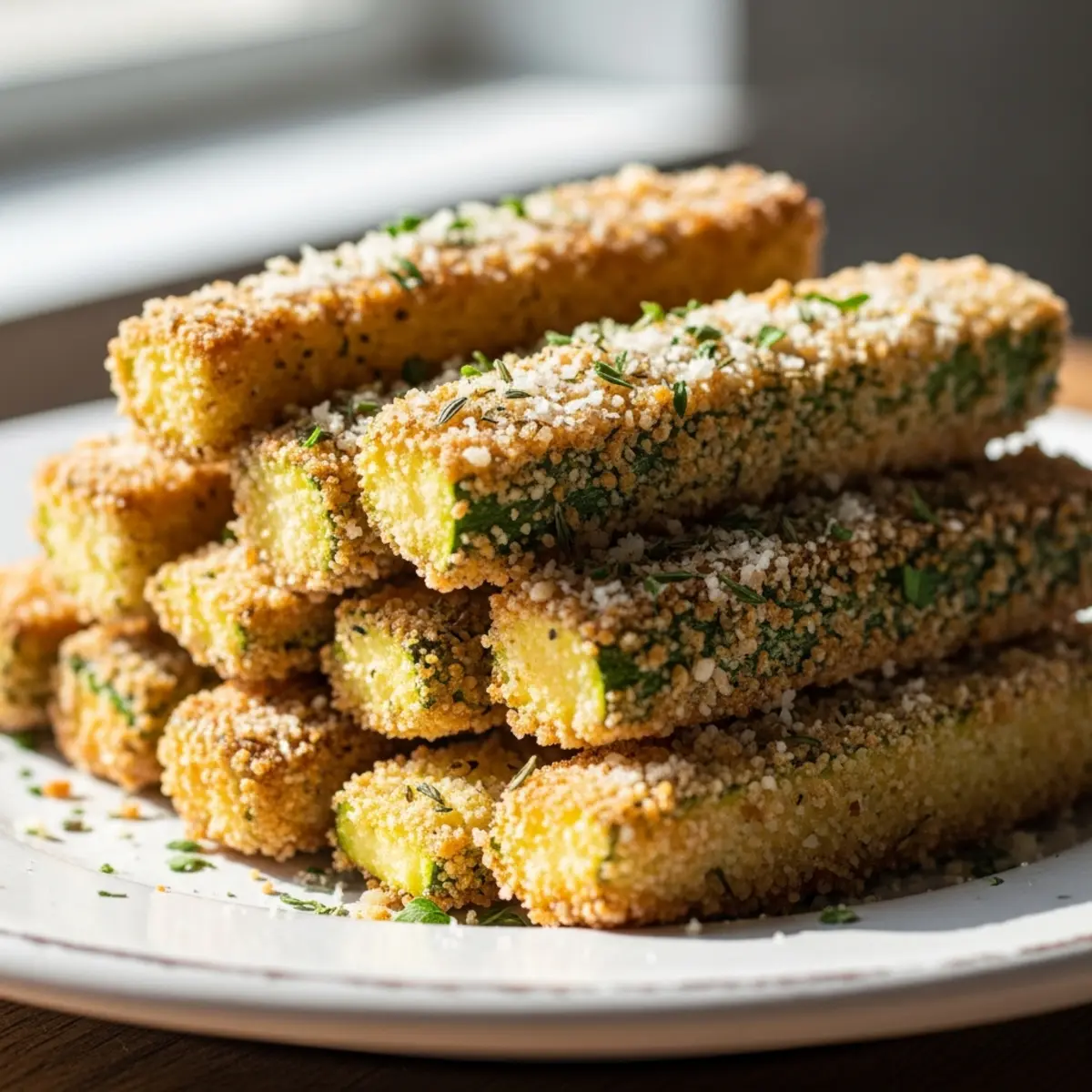
Crispy Parmesan Zucchini Sticks in Air Fryer
 Vegetables