Crispy Air Fryer Plantain Chips
Golden and crispy plantain chips made quickly in the air fryer, perfect as a savory or sweet snack.
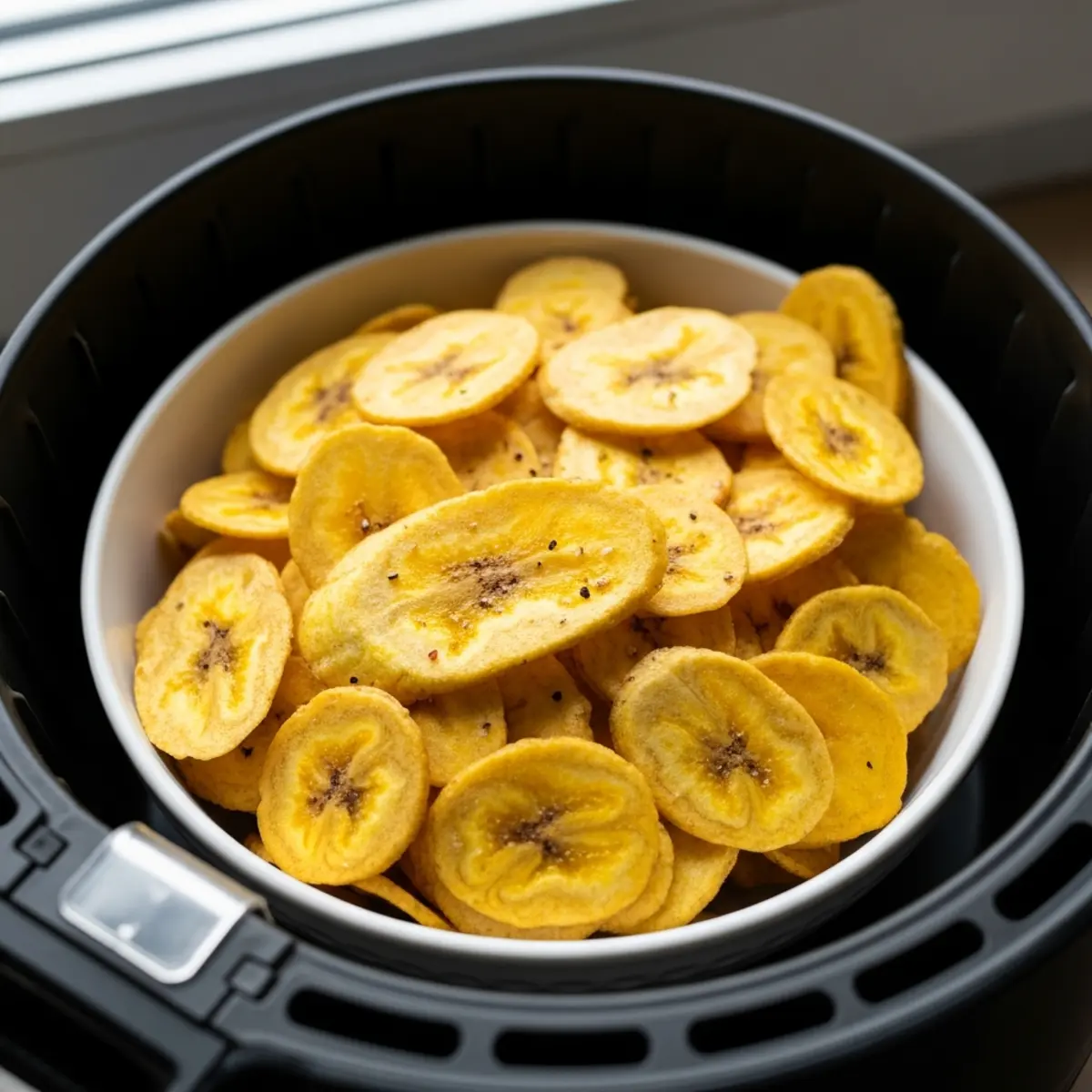
Steps
- 01
Peel the plantains by cutting off the ends, making a lengthwise slit along the skin, and pulling it off.
- 02
Slice the plantains into rounds about 1-1.5 cm thick. For a more elegant presentation, slice diagonally.
- 03
Place the rounds in a bowl, drizzle with vegetable oil, add salt, and toss well to coat evenly.
- 04
Preheat the air fryer to 200°C (400°F) for 3 minutes.
- 05
Arrange the seasoned rounds in a single layer in the air fryer basket, without overlapping.
- 06
Cook at 200°C (400°F) for 15 minutes. Halfway through (after 7-8 minutes), shake the basket or flip the rounds for even browning.
- 07
Serve immediately while hot. For a sweet version, sprinkle with cinnamon before serving.
Recipe story
Plantains are native to Southeast Asia but were brought to Latin America by Spanish and Portuguese explorers in the 16th century. In Caribbean and Central American cuisines, plantain chips are a traditional snack known as 'tostones' or 'chifles'. They are made by frying thin slices of green or ripe plantains, often served with salt and lime. In Colombia and Venezuela, they are popular as a side dish to main courses.
Ingredient Secrets
Discover the culinary secrets and flavor history of key ingredients in this dish.
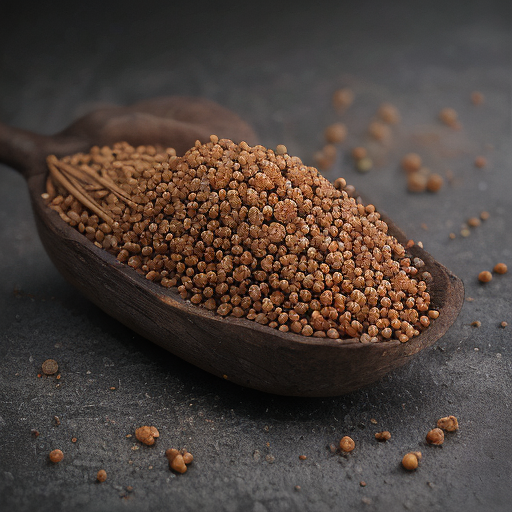
Black pepper
Known as 'black gold' in antiquity, pepper was so valuable that it served as currency and tribute. In the Middle Ages, Venetian merchants controlled the pepper trade, and individual peppercorns were often counted. Legend has it that when Alaric, king of the Visigoths, demanded tribute from Rome, he included 3,000 pounds of pepper.
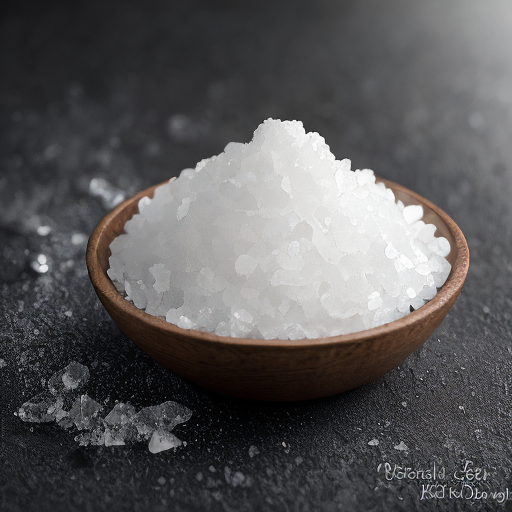
Sea salt
Sea salt, extracted from ocean waters by evaporation, was one of the most precious goods of antiquity, used both as food and as currency. In ancient Rome, soldiers were paid with salt, which is the origin of the word 'salary'. Salt roads connected entire civilizations, and in the Middle Ages, salt was so valuable it was called 'white gold'.
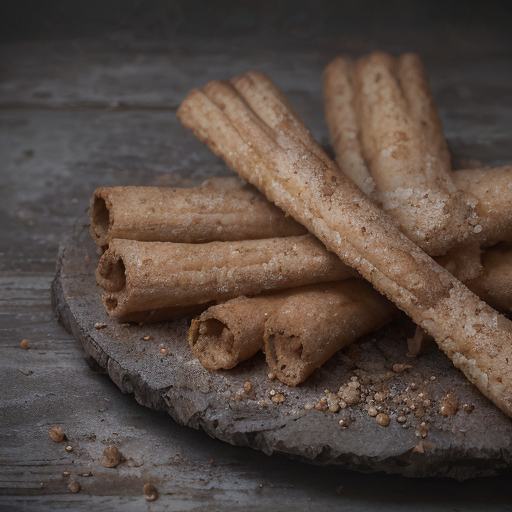
Cinnamon
In ancient Rome, cinnamon was more precious than gold, used in sacred rituals and royal perfumes. Legends told of fabulous birds called cinnamologus that built their nests from cinnamon sticks on inaccessible cliff tops. The cinnamon trade was long shrouded in mystery, with Arab merchants inventing fantastic stories to protect their sources.
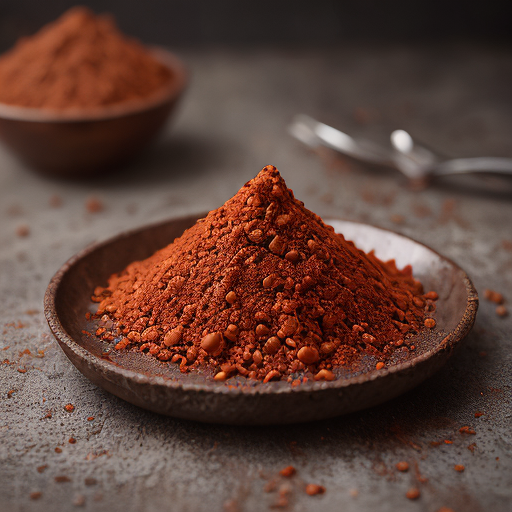
Paprika
Paprika, a emblematic spice brought to Europe by Christopher Columbus from the New World. Although associated with Hungarian cuisine, its origins are in Central America, where it was used by the Aztecs.
You may also like
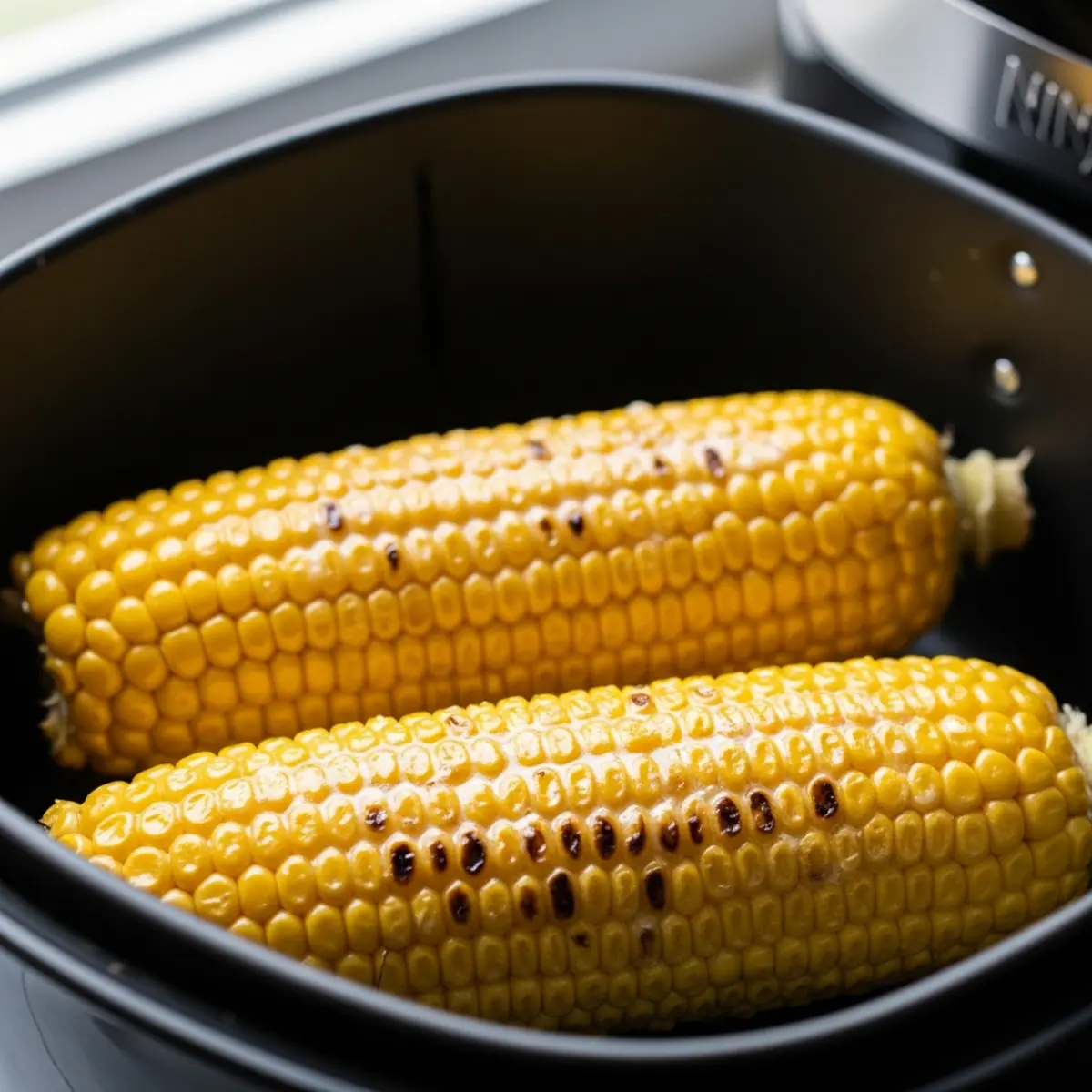 Vegetables
Ninja Foodi Air Fryer & Pressure Cooker 4-Minute Corn on the Cob
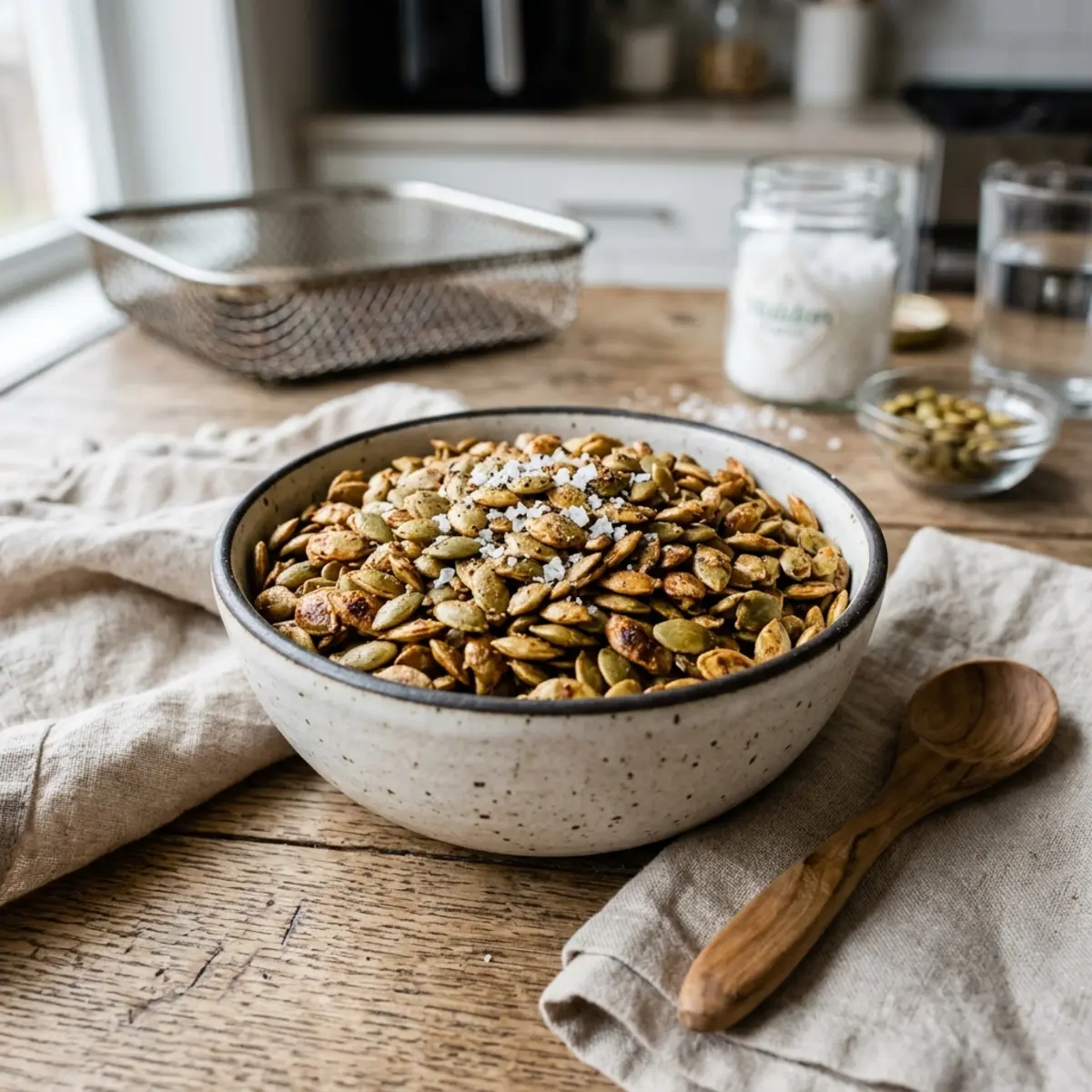 Vegetables
Air Fryer Pumpkin Seeds – Crispy and Golden
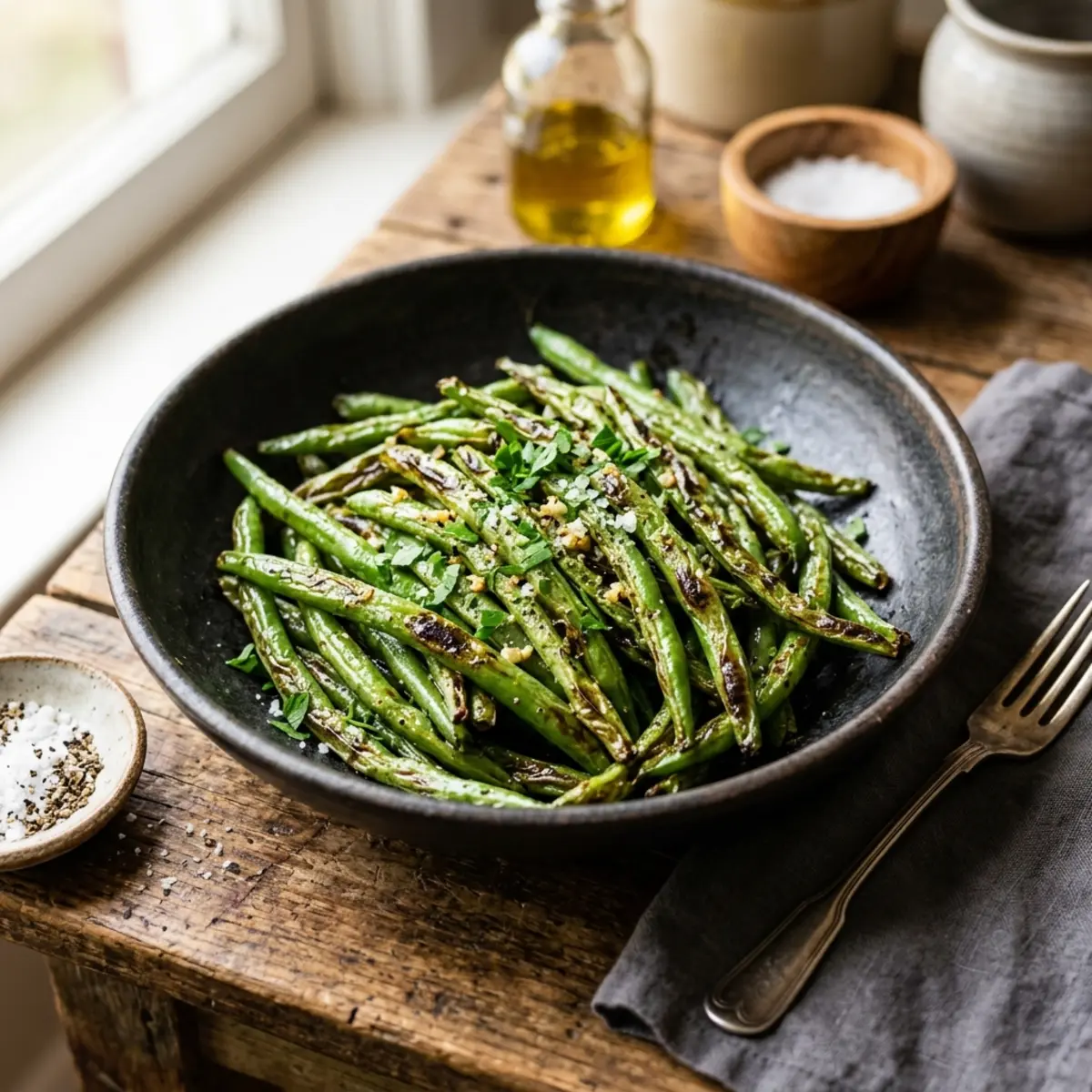 Vegetables
Air Fryer Green Beans – Quick and Tasty Side Dish
 Vegetables
Oatmeal with Apples and Cinnamon in Air Fryer
 Vegetables
Crispy Parmesan Zucchini Sticks in Air Fryer
 Vegetables