Crispy Air Fryer Paneer Popcorn
Spiced paneer cubes, crispy on the outside and soft inside, quickly cooked in the air fryer.

Steps
- 01
Preheat the air fryer to 190°C for 5 minutes.
- 02
Rinse the paneer and cut it into equal-sized cubes.
- 03
In a bowl, mix chili powder, black pepper, black salt, and garlic butter. Add paneer cubes and toss well.
- 04
Place paneer in the air fryer basket in a single layer. Cook at 190°C for 8-10 minutes, shaking the basket halfway.
- 05
Paneer should be golden and crispy on the outside.
- 06
Serve with a squeeze of lemon juice and chopped cilantro on top.
Recipe story
Paneer, a fresh cheese originating from India, has been used for centuries in South Asian cuisine. During the Mughal period, paneer was a prized ingredient in royal courts, where chefs transformed it into golden delicacies. Legend has it that a gourmet vizier, craving a crispy snack that wouldn't soften at feasts, inspired the first fried versions of this fresh cheese. Today, the recipe has been adapted for the air fryer, offering a lighter and quicker alternative.
Ingredient Secrets
Discover the culinary secrets and flavor history of key ingredients in this dish.
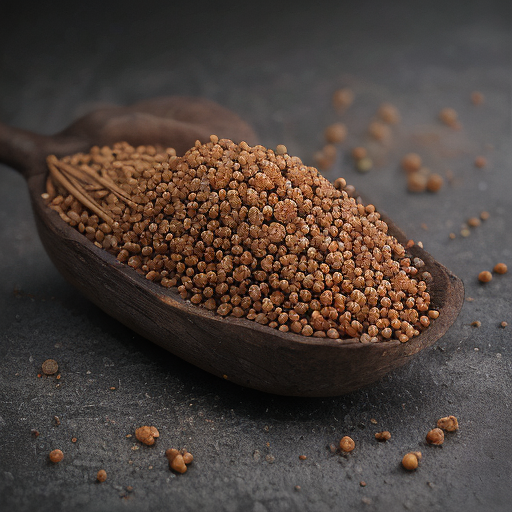
Black pepper
Known as 'black gold' in antiquity, pepper was so valuable that it served as currency and tribute. In the Middle Ages, Venetian merchants controlled the pepper trade, and individual peppercorns were often counted. Legend has it that when Alaric, king of the Visigoths, demanded tribute from Rome, he included 3,000 pounds of pepper.
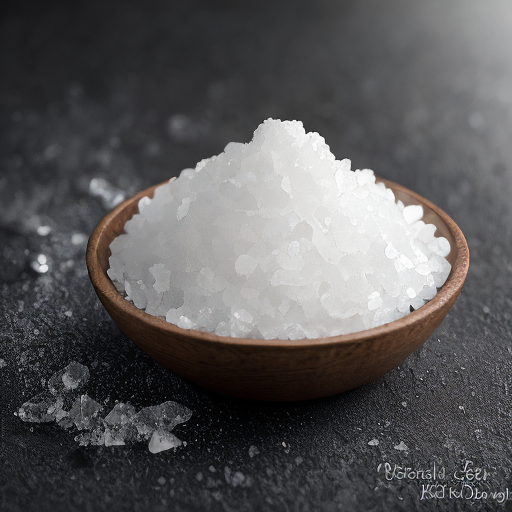
Sea salt
Sea salt, extracted from ocean waters by evaporation, was one of the most precious goods of antiquity, used both as food and as currency. In ancient Rome, soldiers were paid with salt, which is the origin of the word 'salary'. Salt roads connected entire civilizations, and in the Middle Ages, salt was so valuable it was called 'white gold'.
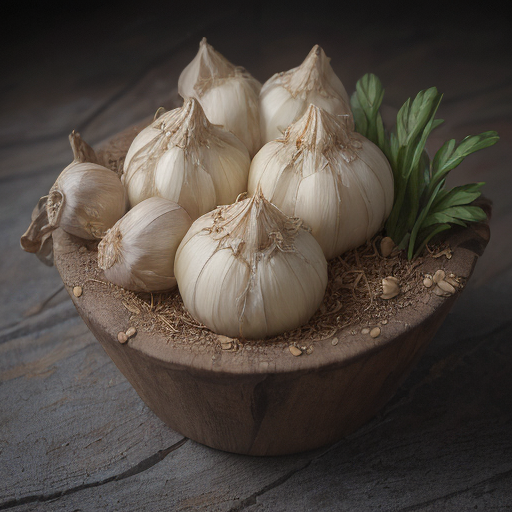
Garlic
Native to Central Asia, garlic was already known in ancient Egypt, where it was given to slaves to boost their strength. In ancient Greece, athletes consumed it before competitions, and in Rome, legionaries considered it essential for courage. During the Middle Ages, it was used to ward off vampires and the plague.
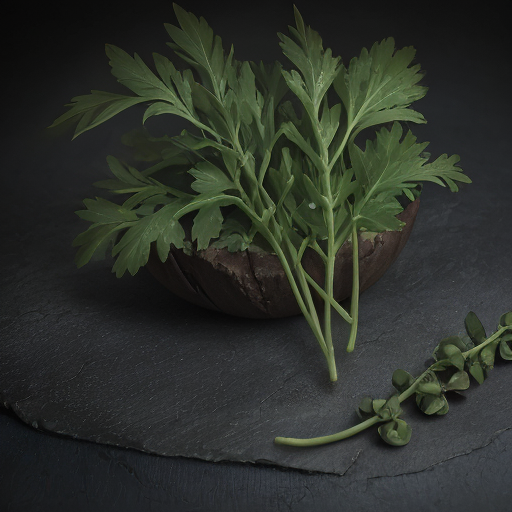
Coriander
Coriander, known since ancient times, was found in Egyptian tombs over 3,000 years old, considered a sacred spice and a remedy for immortality. The Romans brought it to Europe, where it became a staple in Mediterranean and Asian cuisines.
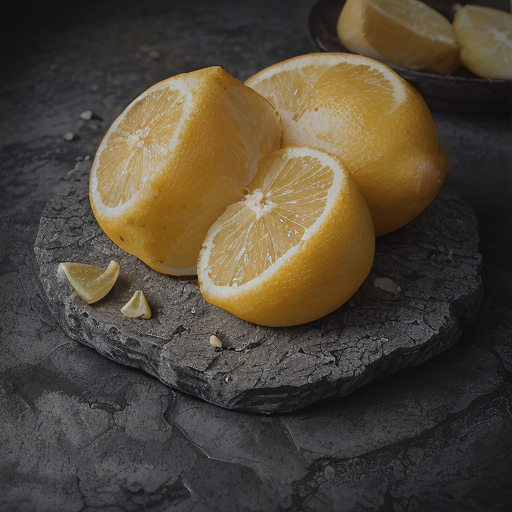
Lemon
The lemon is an ancient hybrid between citron and bitter orange, likely originating in northern India or China. In the Middle Ages, lemons were so valuable that they were given as gifts to kings. Fun fact: during the Gold Rush, British sailors were given lemons to prevent scurvy, leading to the nickname 'limey'.
You may also like
 Vegetables
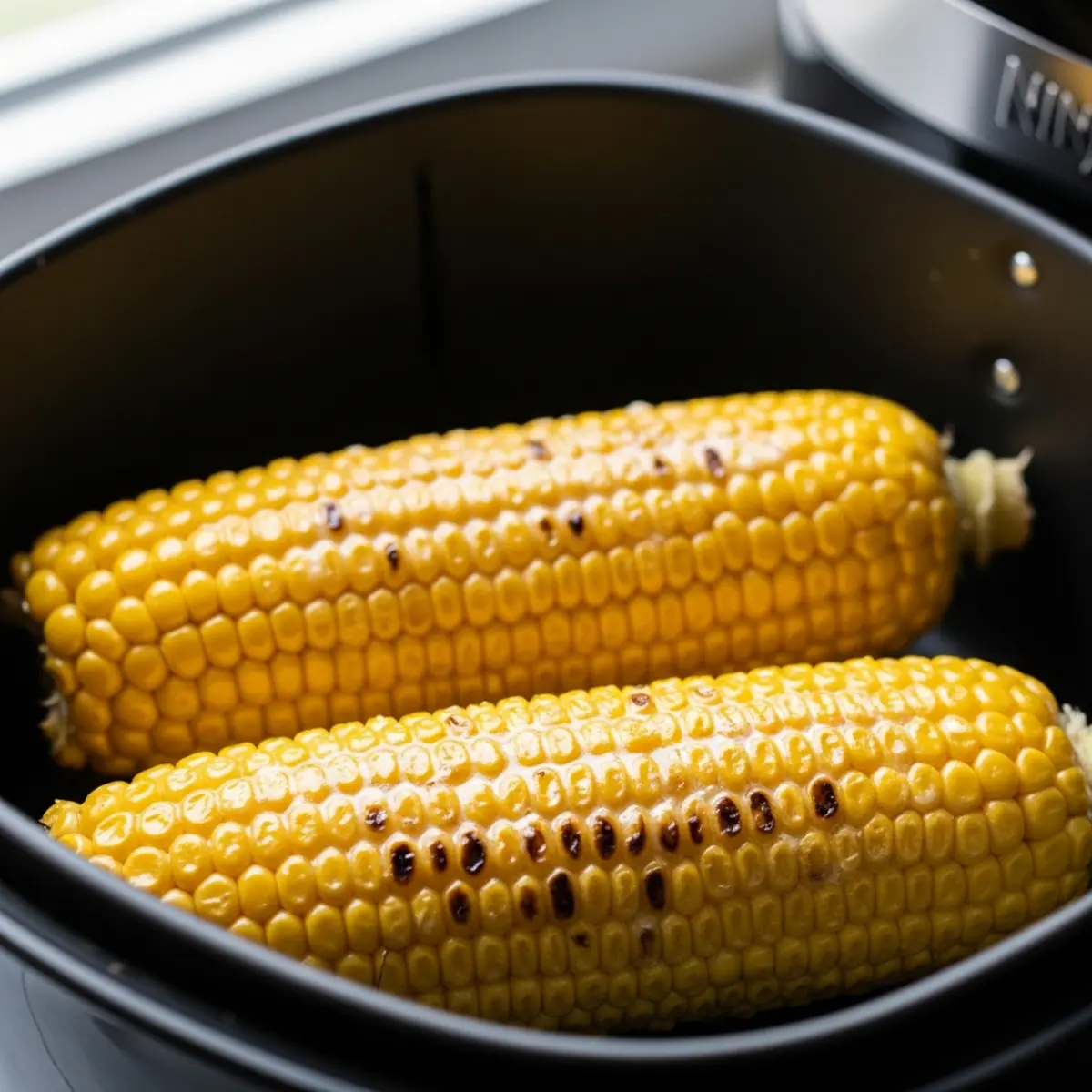
Ninja Foodi Air Fryer & Pressure Cooker 4-Minute Corn on the Cob
 Vegetables
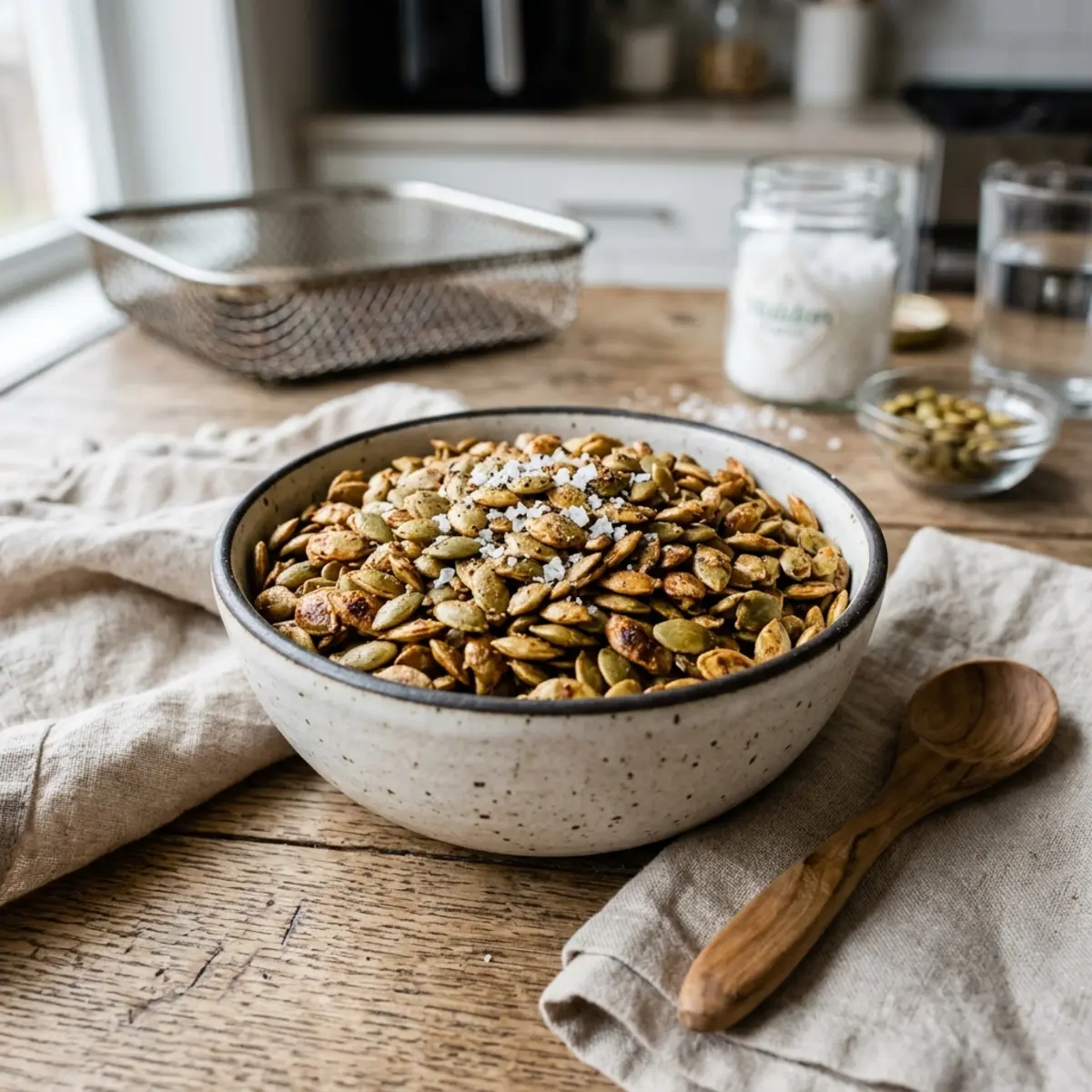
Air Fryer Pumpkin Seeds – Crispy and Golden
 Vegetables
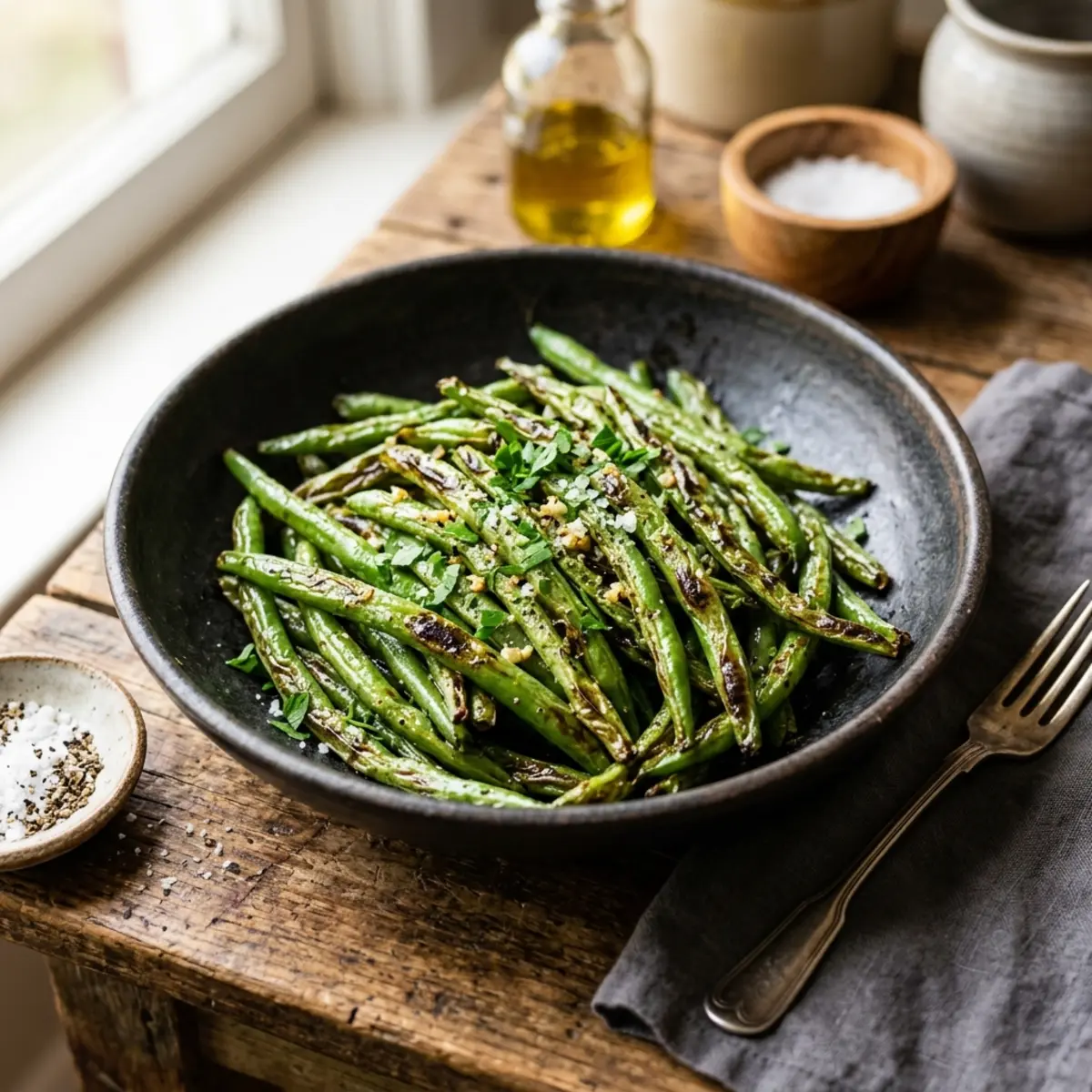
Air Fryer Green Beans – Quick and Tasty Side Dish
 Vegetables
Oatmeal with Apples and Cinnamon in Air Fryer
 Vegetables
Crispy Parmesan Zucchini Sticks in Air Fryer
 Vegetables