Cauliflower Schnitzel in Air Fryer or Oven – Crispy with Garlic
Crispy cauliflower schnitzels with parmesan and garlic, quickly cooked in air fryer or oven.

Steps
- 01
Wash the cauliflower, remove leaves and thick part of the stem. Cut into thick slices about 1.5 cm (0.6 in) – a large cauliflower yields 4 nice slices.
- 02
Boil 1 L (4 cups) of water. Place the cauliflower slices in a steamer basket over boiling water (not touching water), cover and steam for 6 minutes.
- 03
Transfer slices to a paper towel, gently pat dry to remove excess moisture, and let cool for a few minutes.
- 04
Prepare the crust: mix breadcrumbs with salt, garlic granules, finely grated parmesan, and sweet paprika (or hot paprika/harissa powder). Paprika gives a nice color.
- 05
Preheat oven to 200°C (400°F) with fan. Sprinkle a little salt on the cauliflower slices and carefully coat them with the seasoned breadcrumb mixture.
- 06
Grease a baking tray with ½ tablespoon oil, place the schnitzels, and brush the tops with a little oil.
- 07
Bake in the oven at 200°C (400°F) for 18-20 minutes. If using an air fryer, cook at 200°C (400°F) for 12-15 minutes, being careful not to burn.
- 08
Serve immediately, hot from the oven or air fryer, with a green salad and a creamy cheese dip.
Recipe story
Cauliflower schnitzels have their origins in Italian cuisine, where cauliflower was prized since the Middle Ages. Brought to Europe from the Middle East by Venetian merchants, this vegetable became popular in breaded preparations, now reinterpreted in the air fryer for a crispy texture.
Ingredient Secrets
Discover the culinary secrets and flavor history of key ingredients in this dish.
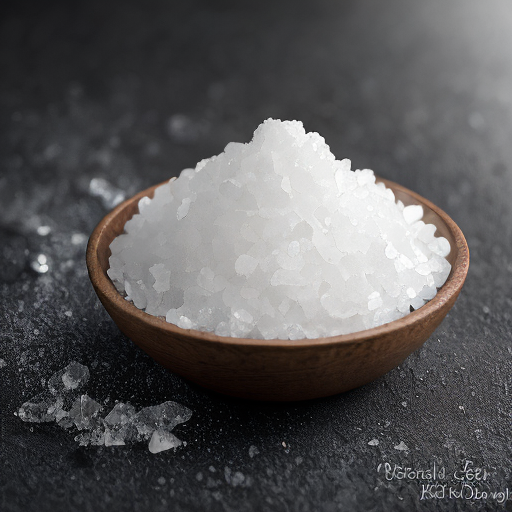
Sea salt
Sea salt, extracted from ocean waters by evaporation, was one of the most precious goods of antiquity, used both as food and as currency. In ancient Rome, soldiers were paid with salt, which is the origin of the word 'salary'. Salt roads connected entire civilizations, and in the Middle Ages, salt was so valuable it was called 'white gold'.
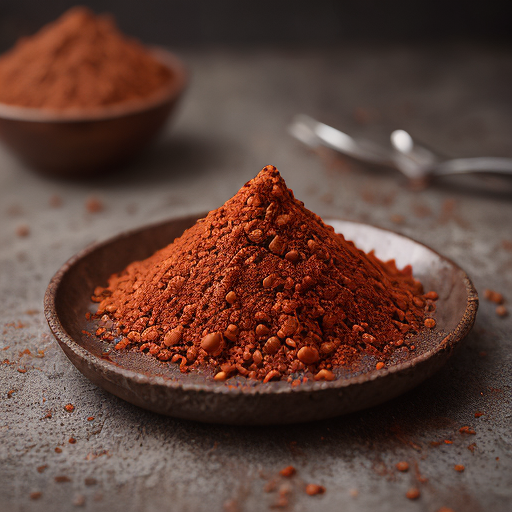
Paprika
Paprika, a emblematic spice brought to Europe by Christopher Columbus from the New World. Although associated with Hungarian cuisine, its origins are in Central America, where it was used by the Aztecs.
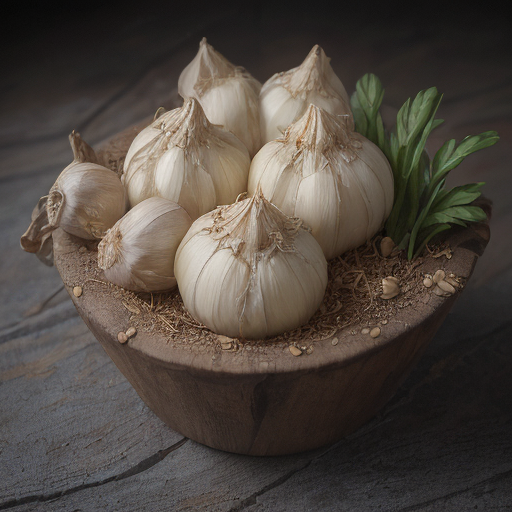
Garlic
Native to Central Asia, garlic was already known in ancient Egypt, where it was given to slaves to boost their strength. In ancient Greece, athletes consumed it before competitions, and in Rome, legionaries considered it essential for courage. During the Middle Ages, it was used to ward off vampires and the plague.
You may also like
 Vegetables
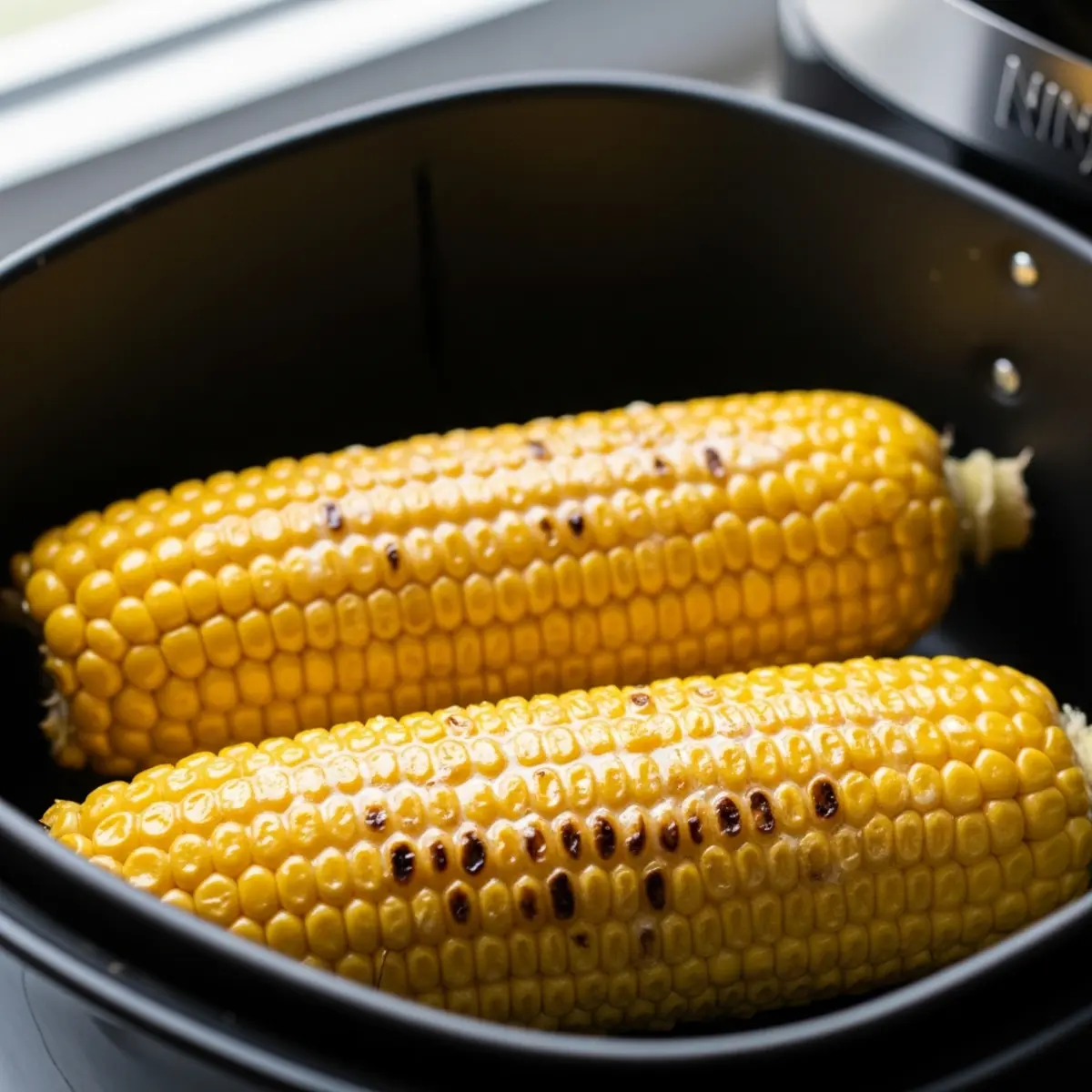
Ninja Foodi Air Fryer & Pressure Cooker 4-Minute Corn on the Cob
 Vegetables
Air Fryer Pumpkin Seeds – Crispy and Golden
 Vegetables
Air Fryer Green Beans – Quick and Tasty Side Dish
 Vegetables
Oatmeal with Apples and Cinnamon in Air Fryer
 Vegetables
Crispy Parmesan Zucchini Sticks in Air Fryer
 Vegetables