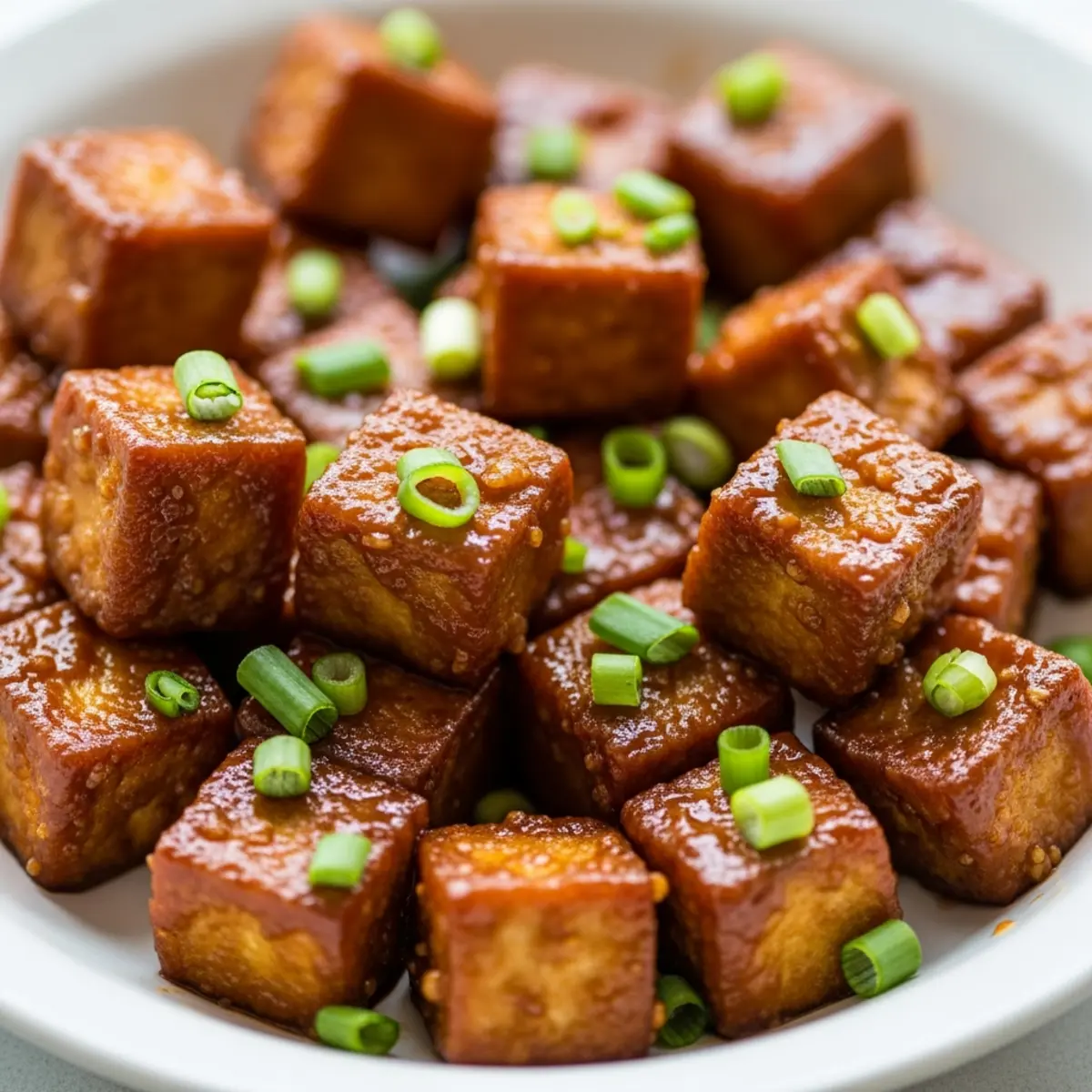
Asian-Style Marinated and Glazed Tofu in Air Fryer – Crispy and Flavorful Recipe
Steps
- 01
Drain the tofu and cut it into 8 large cubes.
- 02
Place the cubes between two layers of kitchen towels and press with a heavy cutting board for 15-20 minutes to remove excess liquid.
- 03
Prepare the marinade: mix soy sauce, oyster sauce (or honey with soy sauce), minced garlic, lemon juice and zest, harissa, sunflower oil, and sesame oil.
- 04
Add the drained tofu cubes to the marinade, gently toss to coat, and let marinate for 2-3 hours at room temperature or overnight in the fridge.
- 05
For air fryer: preheat for 5 minutes at 400°F (205°C). Lightly oil the basket. Place cubes with space between them. Cook at 375°F (190°C) for 7 minutes, then reduce to 350°F (180°C) and cook for another 5 minutes.
- 06
Alternatively, for oven: preheat oven to 375°F (190°C) with convection. Place cubes on a parchment-lined baking sheet and bake for 15-20 minutes until golden.
- 07
Remove cooked tofu cubes and brush with remaining marinade for a glossy shine. Serve with chili jam, cucumber and onion salad, and plain rice.
Recipe story
In the kitchens of Buddhist temples in East Asia, tofu was considered a gift from heaven, and marinating it in umami sauces was a sacred ritual. This modern recipe, combining the quick technique of the air fryer with ancient Asian glaze, evokes imperial feasts where crispiness and gloss were signs of refinement. Over centuries, tofu traveled from China to Japan and Korea, adapting to local tastes. Today, this crispy and flavorful version pays homage to tradition while offering a modern texture.
Ingredient Secrets
Discover the culinary secrets and flavor history of key ingredients in this dish.
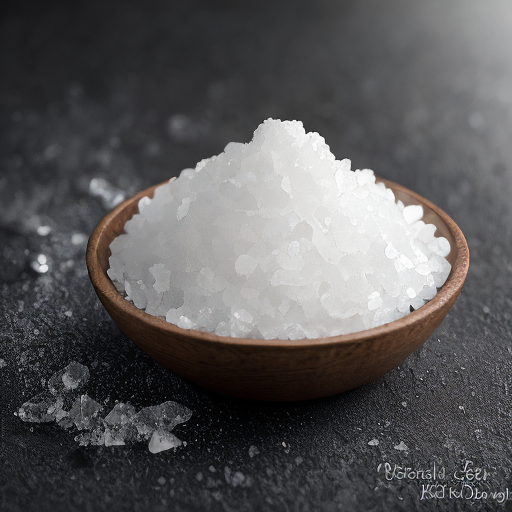
Sea salt
Sea salt, extracted from ocean waters by evaporation, was one of the most precious goods of antiquity, used both as food and as currency. In ancient Rome, soldiers were paid with salt, which is the origin of the word 'salary'. Salt roads connected entire civilizations, and in the Middle Ages, salt was so valuable it was called 'white gold'.
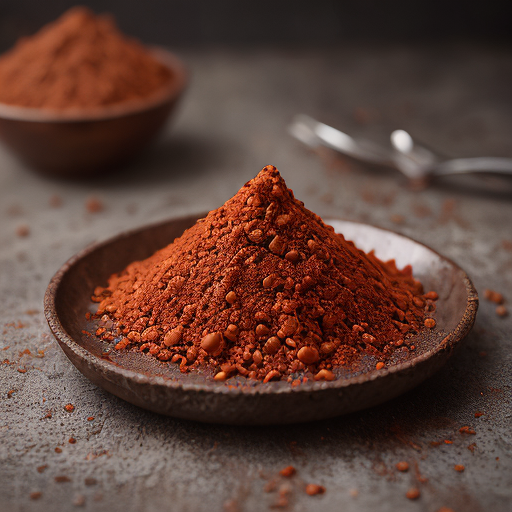
Paprika
Paprika, a emblematic spice brought to Europe by Christopher Columbus from the New World. Although associated with Hungarian cuisine, its origins are in Central America, where it was used by the Aztecs.
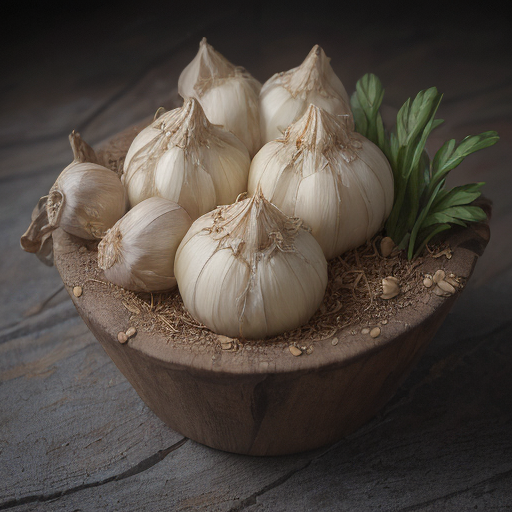
Garlic
Native to Central Asia, garlic was already known in ancient Egypt, where it was given to slaves to boost their strength. In ancient Greece, athletes consumed it before competitions, and in Rome, legionaries considered it essential for courage. During the Middle Ages, it was used to ward off vampires and the plague.
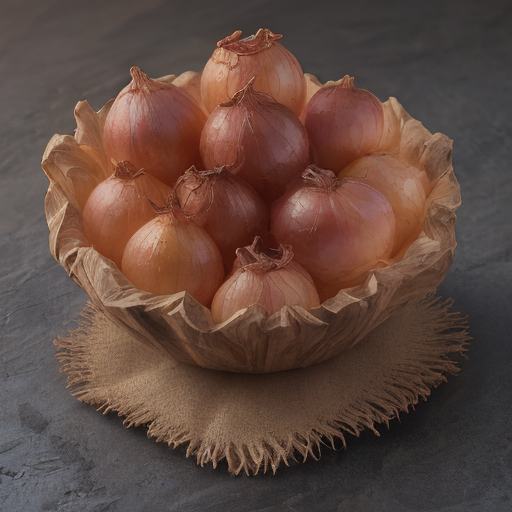
Onion
Probably originating in Central or West Asia, onions were cultivated in ancient Egypt, where they were considered a symbol of eternity and placed in tombs. In ancient Greece, athletes ate them to balance their blood, and in Rome, they were a staple food for soldiers. During the Middle Ages, onions were believed to protect against arrows and the plague.
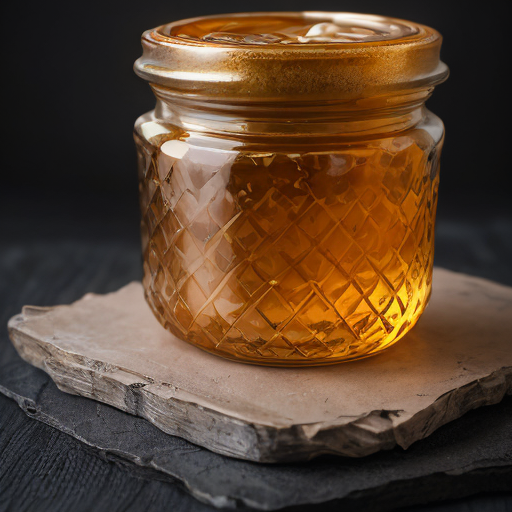
Honey
Honey is one of the oldest sweet foods, used since the Stone Age. In ancient Egypt, it was offered to the gods and used in embalming. In ancient Greece, it was considered the food of the gods, and in Rome, it was used as medicine and preservative. During the Middle Ages, honey was the main sweetener in Europe before sugar.
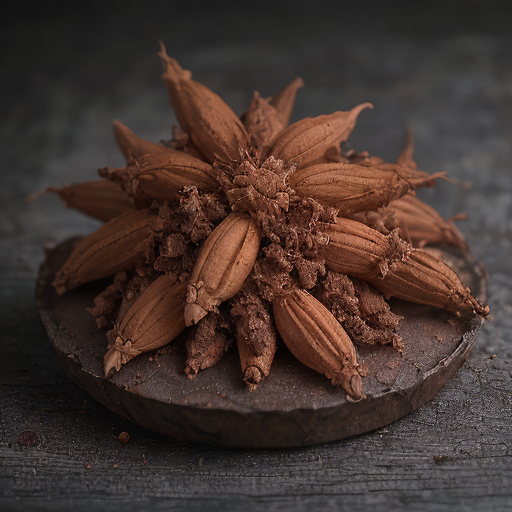
Cloves
Cloves, the dried buds of the exotic Syzygium aromaticum tree, were one of the most prized spices of the ancient world, often called 'aromatic gold'. In the Middle Ages, Venetian merchants controlled the clove trade, bringing them from the Maluku Islands, the only place they grew, and selling them at exorbitant prices in Europe.
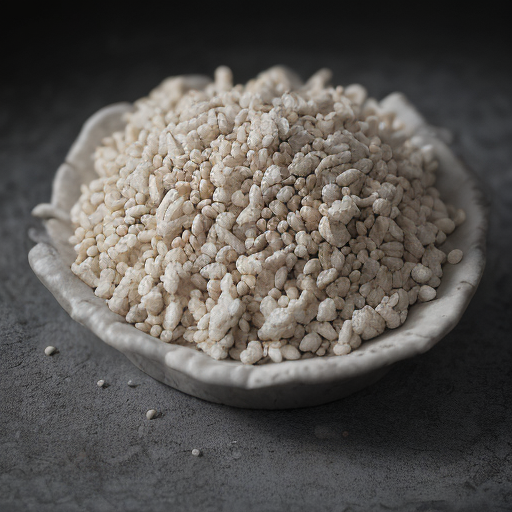
Sesame
In Assyrian mythology, the gods drank sesame wine on the night before the creation of the world, and in ancient Rome, sesame seeds were sprinkled on soldiers' bread to give them strength. In the Middle Ages, sesame was considered a magical food capable of boosting vitality. Today, it is valued for its oil rich in essential fatty acids.
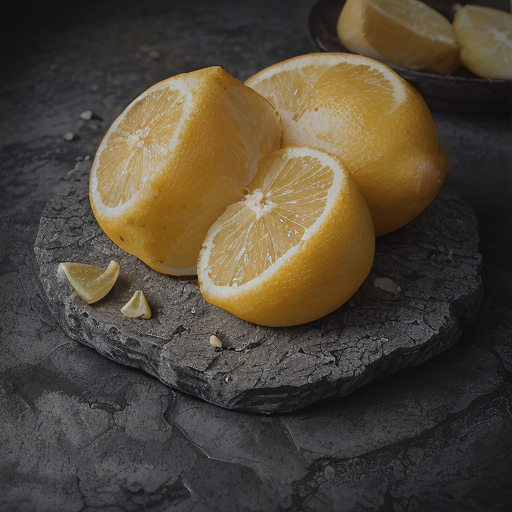
Lemon
The lemon is an ancient hybrid between citron and bitter orange, likely originating in northern India or China. In the Middle Ages, lemons were so valuable that they were given as gifts to kings. Fun fact: during the Gold Rush, British sailors were given lemons to prevent scurvy, leading to the nickname 'limey'.
You may also like
 Vegetables
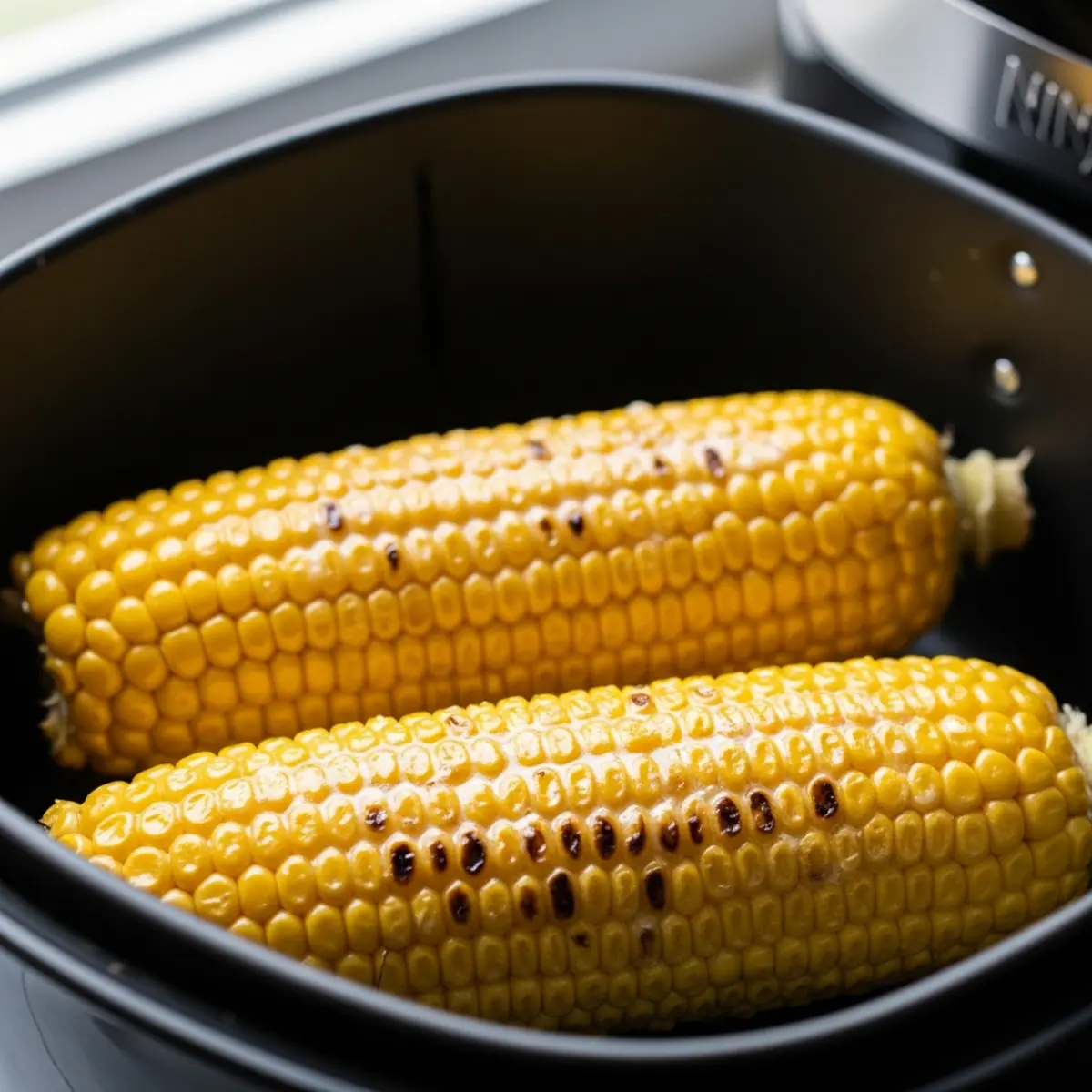
Ninja Foodi Air Fryer & Pressure Cooker 4-Minute Corn on the Cob
 Vegetables
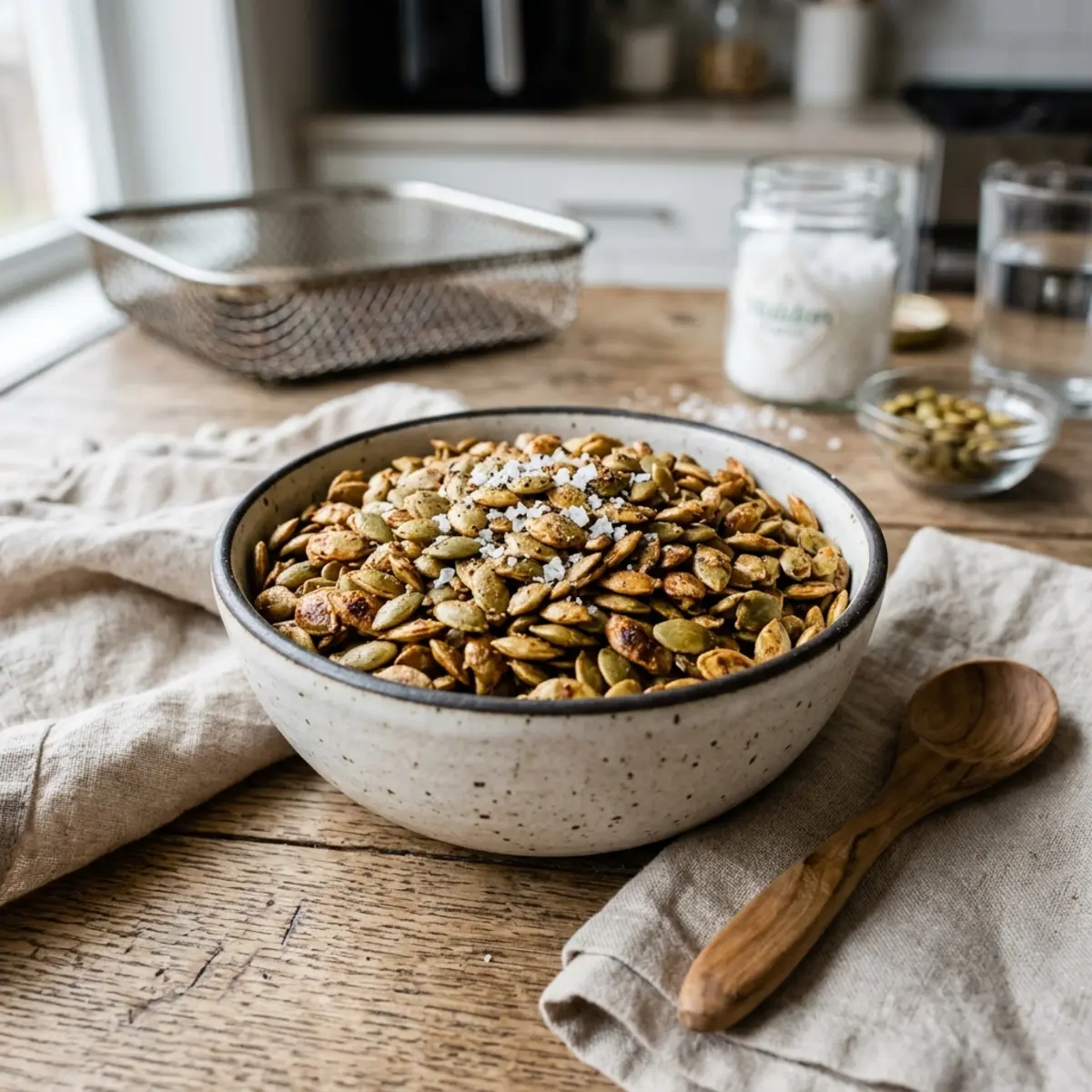
Air Fryer Pumpkin Seeds – Crispy and Golden
 Vegetables
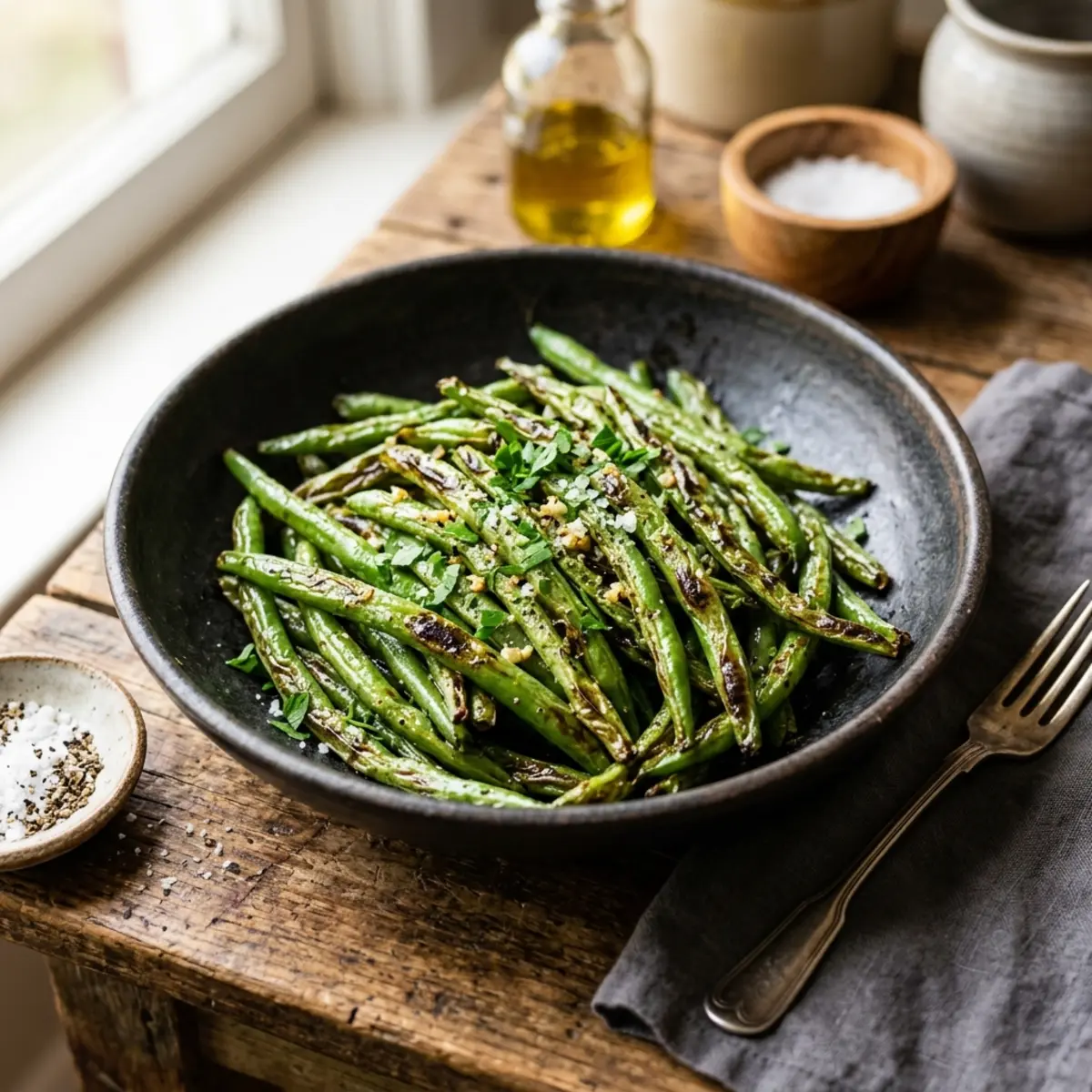
Air Fryer Green Beans – Quick and Tasty Side Dish
 Vegetables
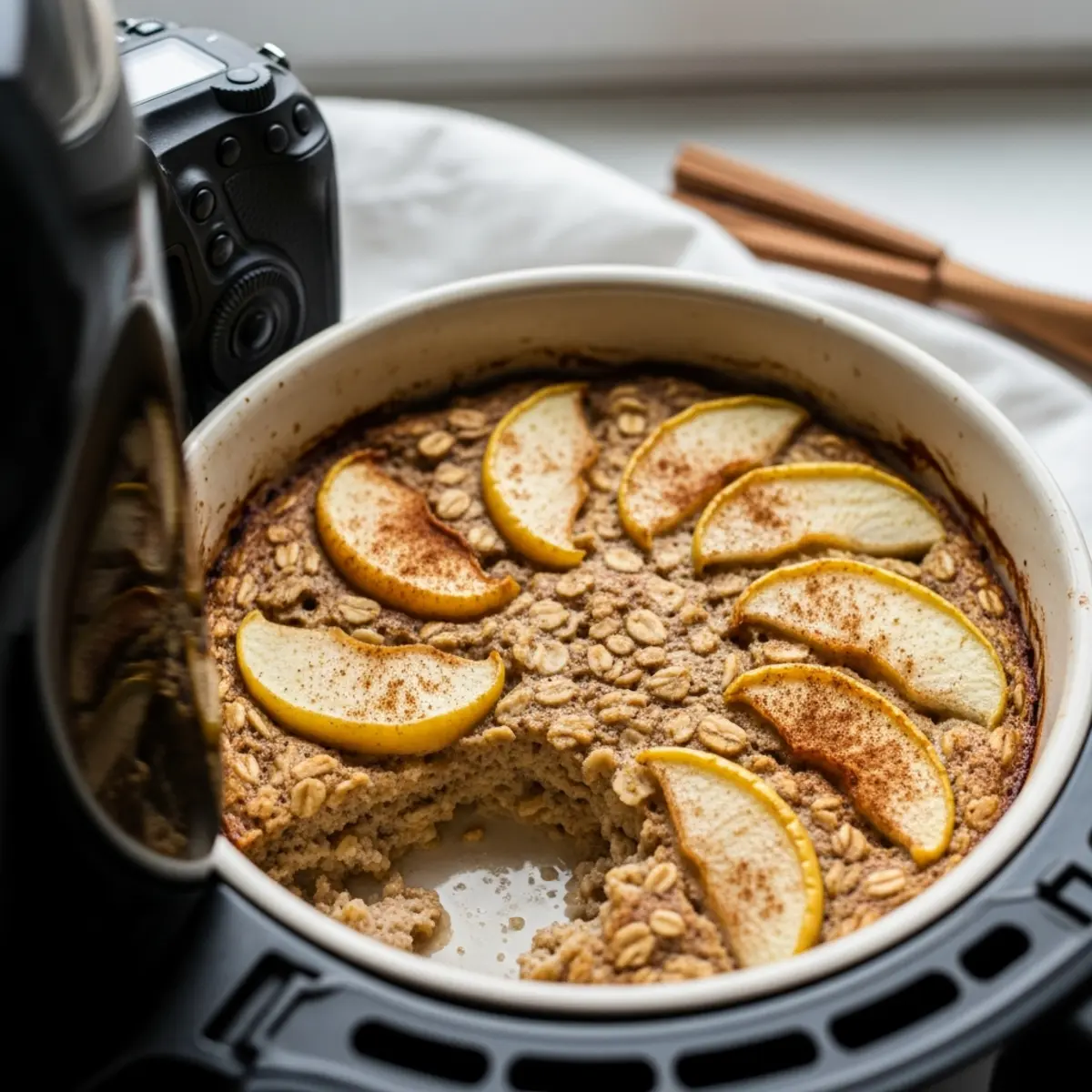
Oatmeal with Apples and Cinnamon in Air Fryer
 Vegetables
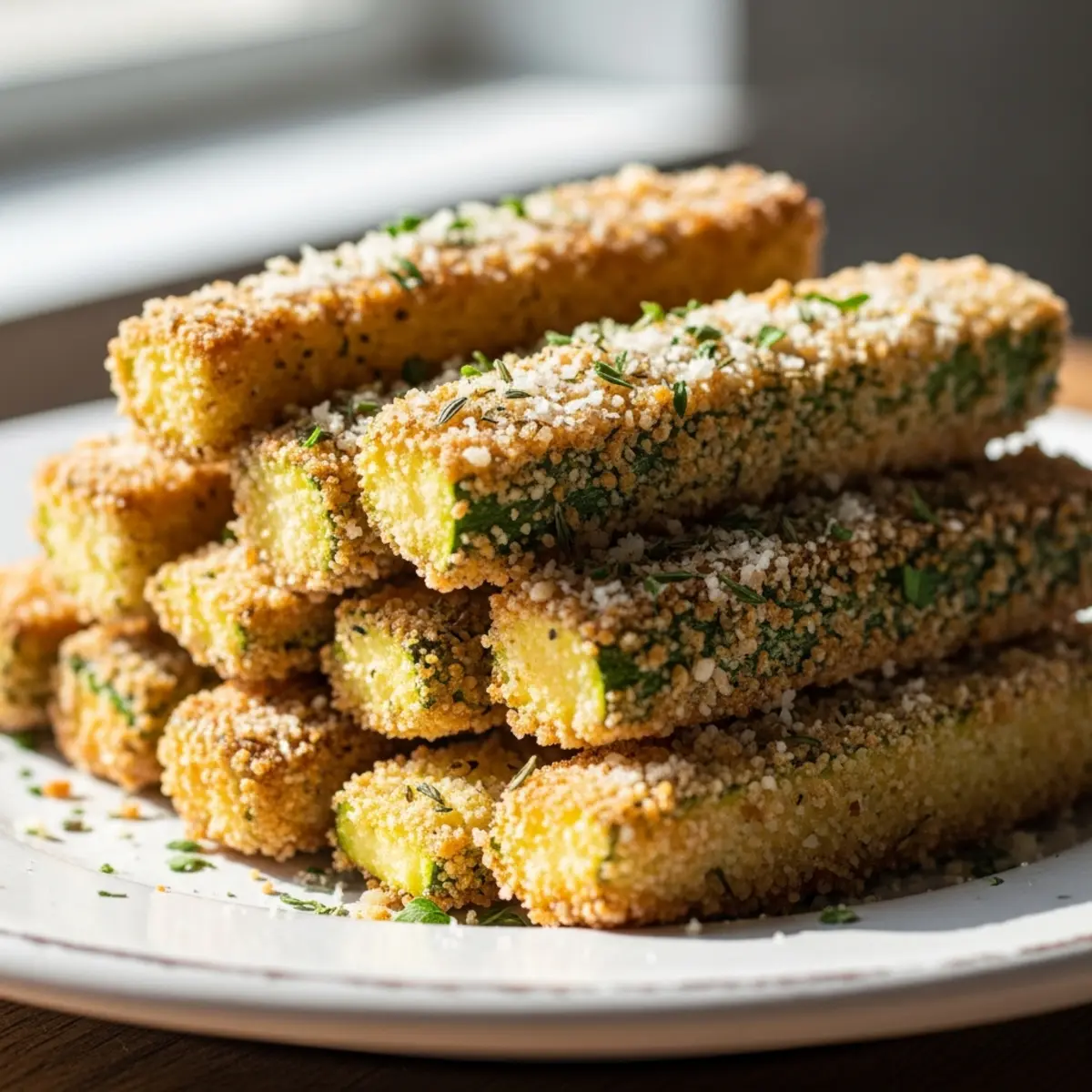
Crispy Parmesan Zucchini Sticks in Air Fryer
 Vegetables