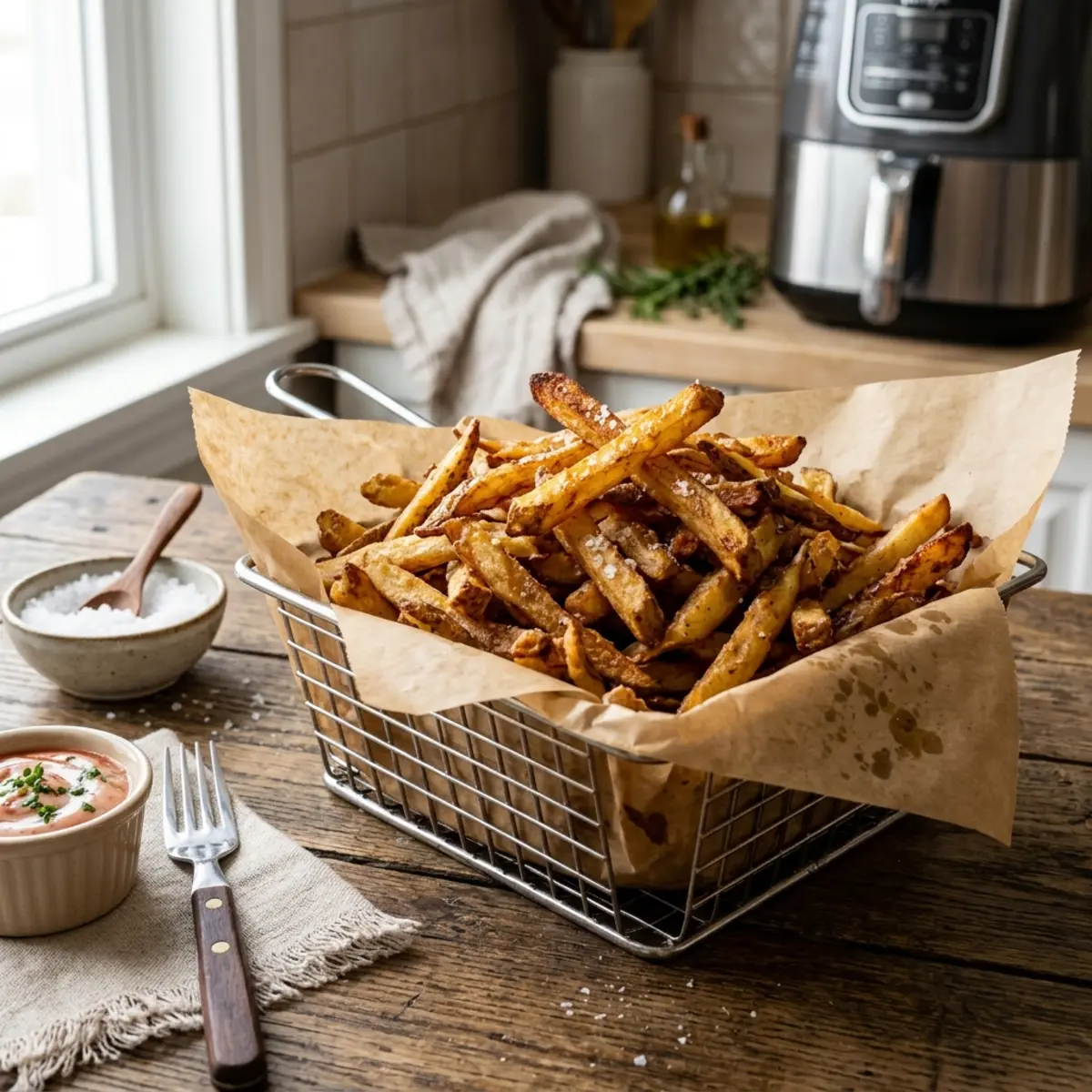
Air Fryer Zucchini Chips
Crispy, healthy, and light, these zucchini chips are perfect as a snack or appetizer.
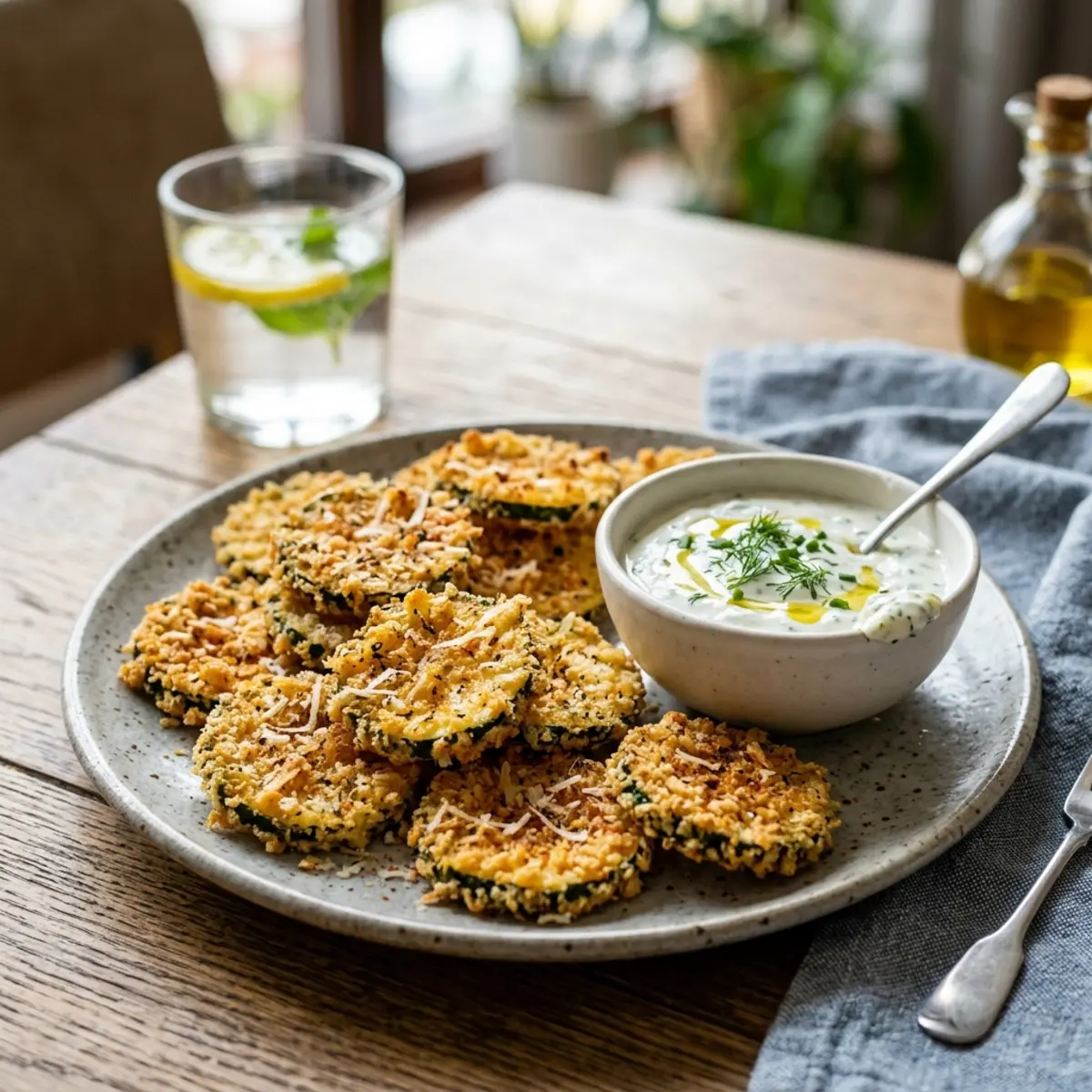
Steps
- 01
Wash and dry the zucchini, then cut them into sticks about 0.5–1 cm thick.
- 02
Set up the breading station: in a bowl, beat the eggs with salt and pepper; in a second bowl, mix panko breadcrumbs, Parmesan, garlic powder, onion powder, and a pinch of salt and pepper.
- 03
Dip each zucchini stick first in the egg, then in the breadcrumb mixture, pressing lightly to adhere.
- 04
Preheat the Air Fryer to 200°C (390°F) for 5 minutes.
- 05
Spray the Air Fryer basket with cooking oil, then arrange the sticks in a single layer without overlapping.
- 06
Lightly spray the tops with oil and cook at 200°C (390°F) for 10–12 minutes, turning halfway, until golden and crispy.
- 07
Serve hot with ranch dressing or spicy marinara sauce.
Recipe story
Zucchini, native to Central America, was brought to Europe by Spanish explorers in the 16th century. In Italy, it became a staple in Mediterranean cuisine, used in dishes like 'zucchini fritti'. In France, zucchini is known as 'courgette' and is often baked in gratins or fried. In the Middle East, stuffed zucchini with rice and meat is a traditional dish. This modern air fryer chip recipe offers a healthier alternative to traditional frying.
Ingredient Secrets
Discover the culinary secrets and flavor history of key ingredients in this dish.
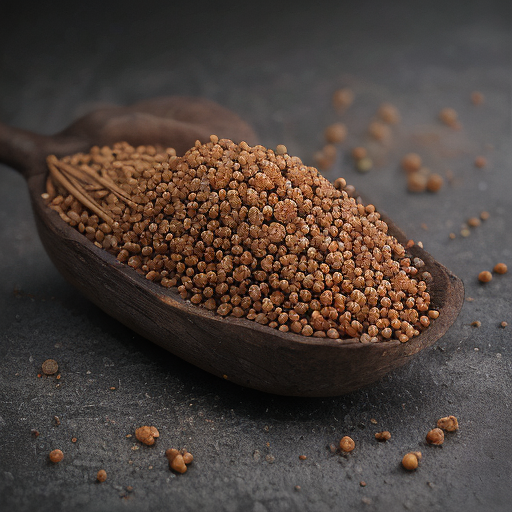
Black pepper
Known as 'black gold' in antiquity, pepper was so valuable that it served as currency and tribute. In the Middle Ages, Venetian merchants controlled the pepper trade, and individual peppercorns were often counted. Legend has it that when Alaric, king of the Visigoths, demanded tribute from Rome, he included 3,000 pounds of pepper.
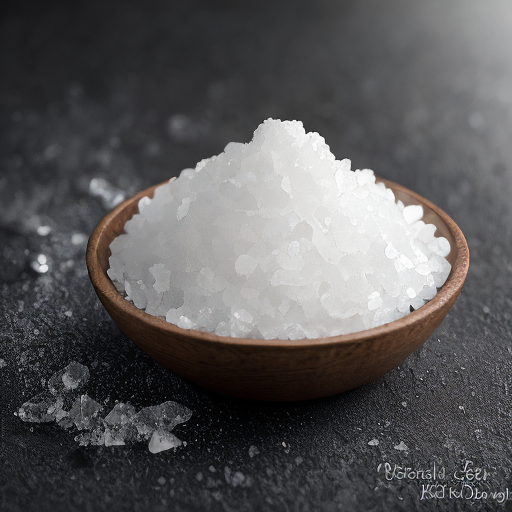
Sea salt
Sea salt, extracted from ocean waters by evaporation, was one of the most precious goods of antiquity, used both as food and as currency. In ancient Rome, soldiers were paid with salt, which is the origin of the word 'salary'. Salt roads connected entire civilizations, and in the Middle Ages, salt was so valuable it was called 'white gold'.
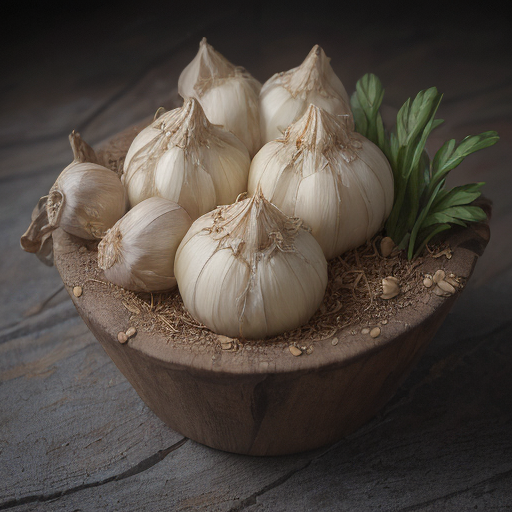
Garlic
Native to Central Asia, garlic was already known in ancient Egypt, where it was given to slaves to boost their strength. In ancient Greece, athletes consumed it before competitions, and in Rome, legionaries considered it essential for courage. During the Middle Ages, it was used to ward off vampires and the plague.
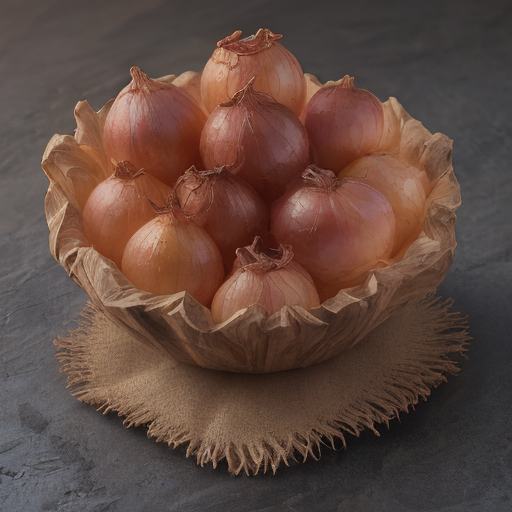
Onion
Probably originating in Central or West Asia, onions were cultivated in ancient Egypt, where they were considered a symbol of eternity and placed in tombs. In ancient Greece, athletes ate them to balance their blood, and in Rome, they were a staple food for soldiers. During the Middle Ages, onions were believed to protect against arrows and the plague.
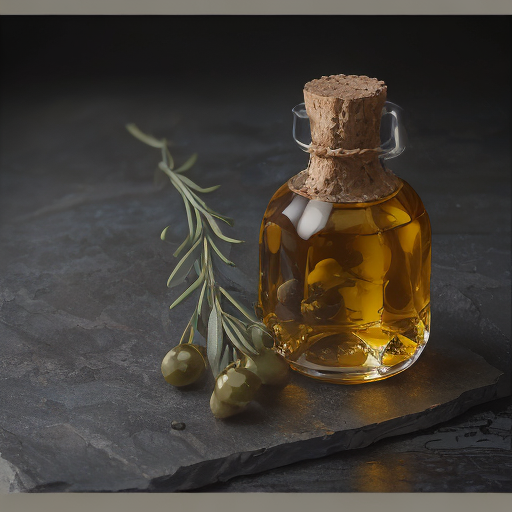
Olive oil
Originating in the Mediterranean basin, olive oil was already produced in ancient Crete 5,000 years ago. In ancient Greece, it was considered a gift from Athena and used in lamps, cosmetics, and religious ceremonies. The Romans spread it throughout the empire, and in the Middle Ages, monasteries preserved the tradition of its production.
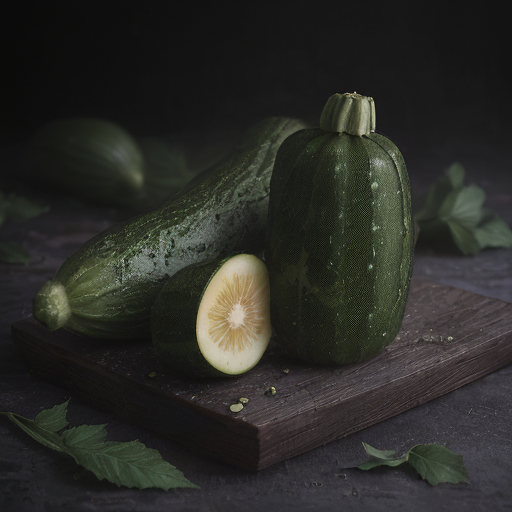
Zucchini
Although today we associate them with light summer cuisine, zucchini were first cultivated in ancient Mexico over 7,000 years ago. They were brought to Europe by Spanish explorers in the 16th century.
You may also like
 Vegetables
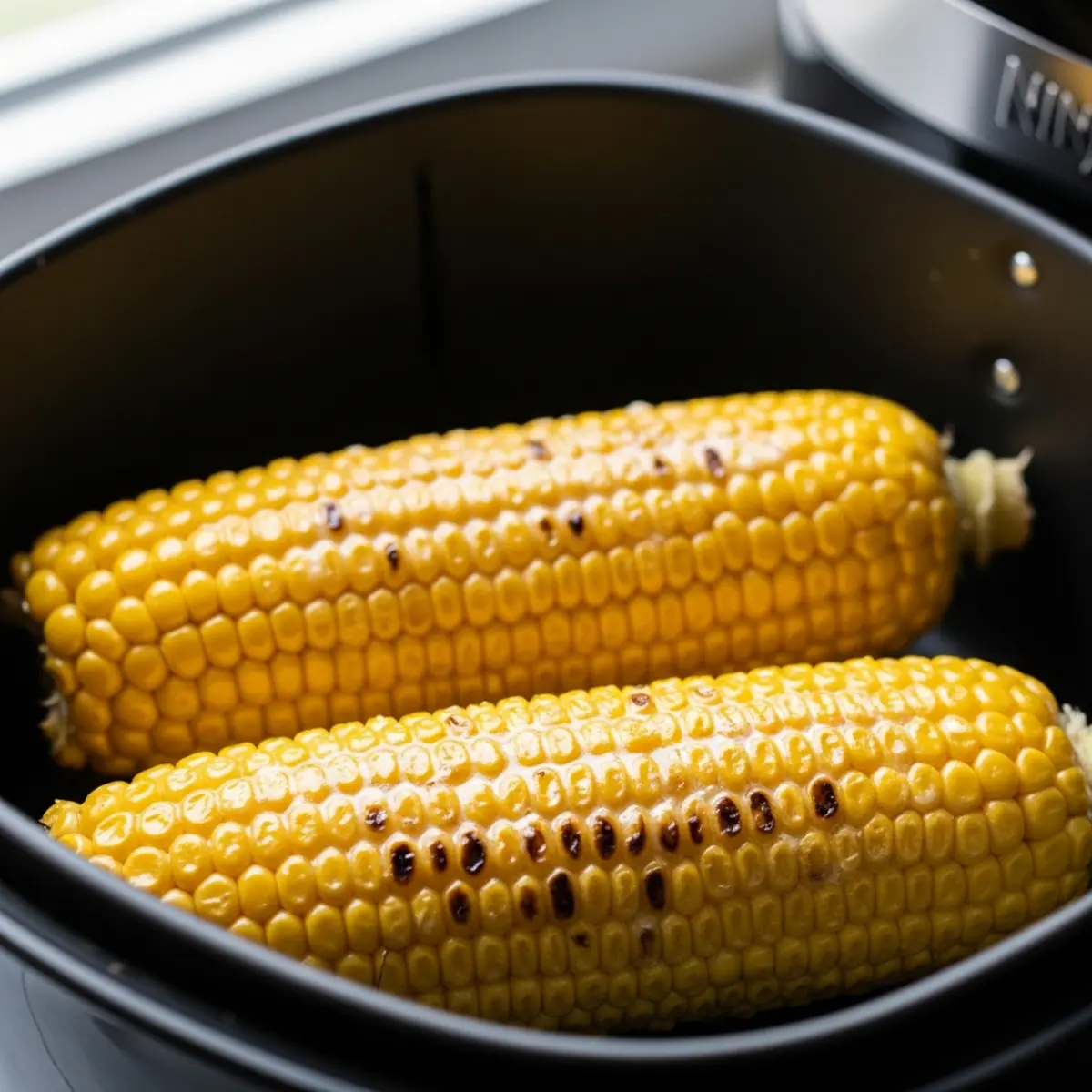
Ninja Foodi Air Fryer & Pressure Cooker 4-Minute Corn on the Cob
 Vegetables
Air Fryer Pumpkin Seeds – Crispy and Golden
 Vegetables
Air Fryer Green Beans – Quick and Tasty Side Dish
 Vegetables
Oatmeal with Apples and Cinnamon in Air Fryer
 Vegetables
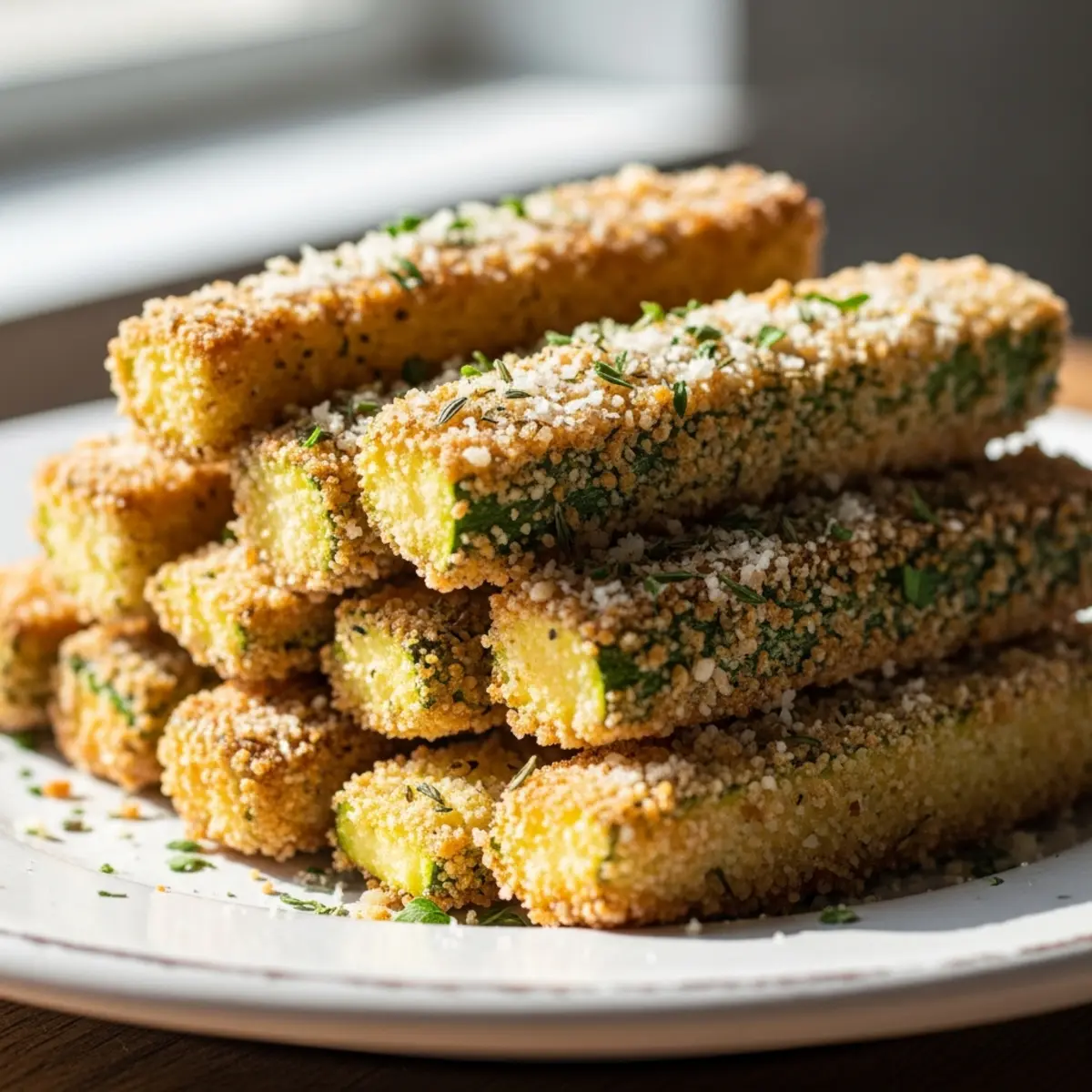
Crispy Parmesan Zucchini Sticks in Air Fryer
 Vegetables