Air Fryer Stuffed Bell Peppers with Rice, Black Beans and Corn
Bell peppers stuffed with a savory mix of rice, black beans, and corn, cooked quickly in the air fryer for a perfect texture.
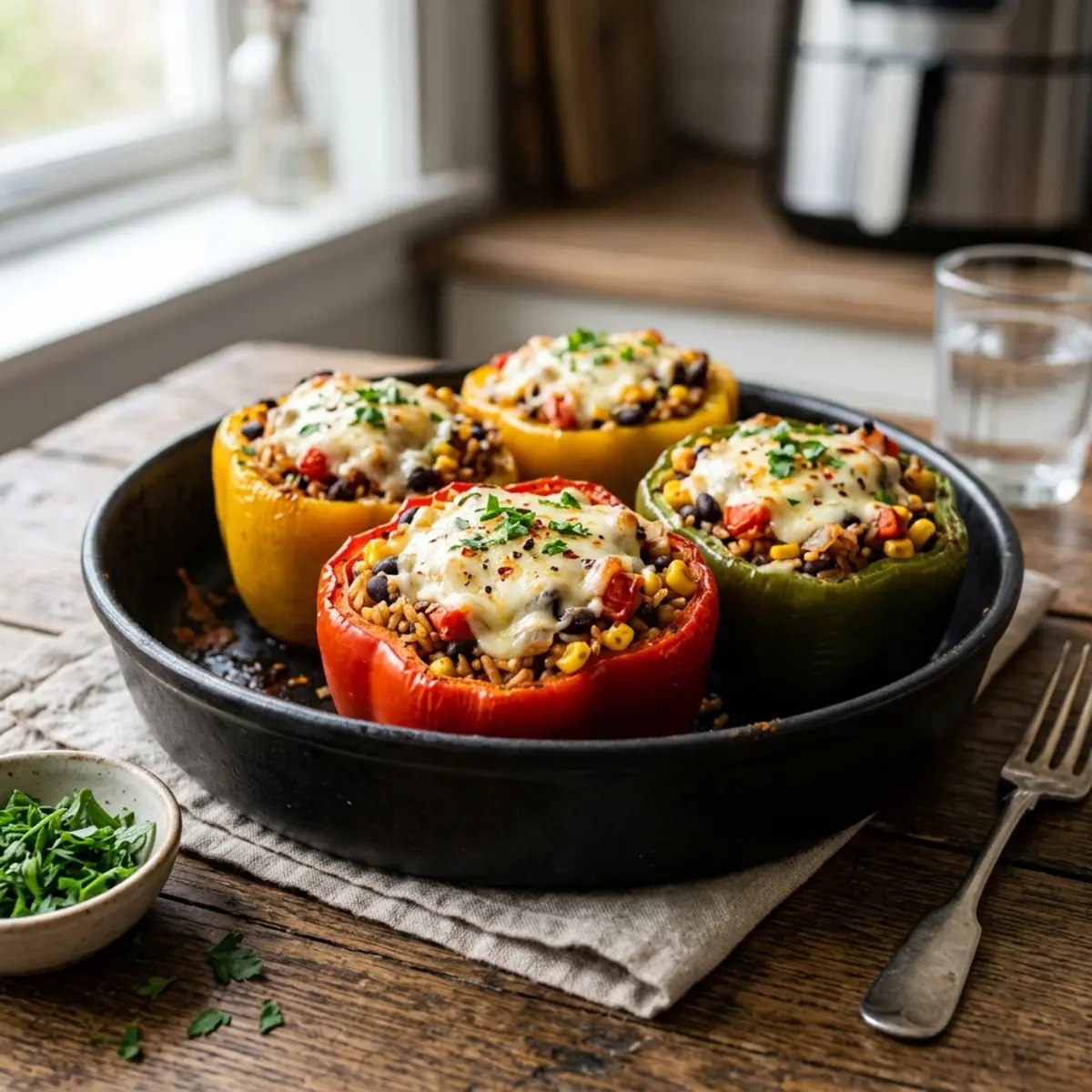
Steps
- 01
Cut the tops off the peppers and remove seeds. Preheat the air fryer to 190°C (375°F).
- 02
In a bowl, mix cooked rice, black beans, frozen corn, diced tomatoes, half the shredded cheese, chili powder, cumin, salt, and pepper. Stir well.
- 03
Stuff each pepper with the mixture, then put the top back on.
- 04
Place stuffed peppers in the air fryer basket and cook at 190°C (375°F) for 20-25 minutes.
- 05
About 2 minutes before the end, sprinkle remaining cheese on top.
- 06
Garnish with fresh parsley and serve hot.
Recipe story
This stuffed bell pepper recipe has its origins in Mexican cuisine, where chiles rellenos are a classic dish. Black beans and corn are staple ingredients in Central America, and their combination with rice and bell peppers reflects Spanish and indigenous influences. The modern air fryer version offers a quick, less greasy alternative to traditional frying.
Ingredient Secrets
Discover the culinary secrets and flavor history of key ingredients in this dish.
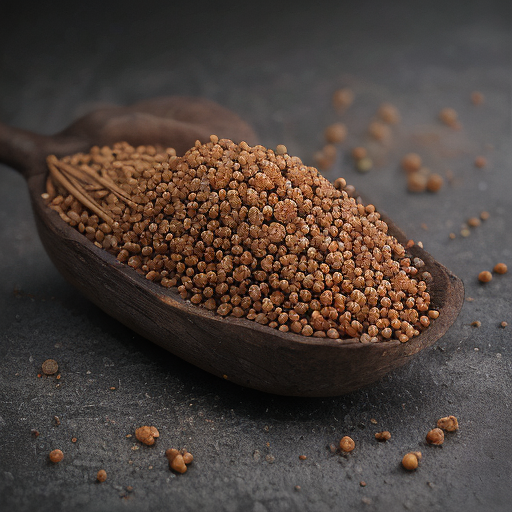
Black pepper
Known as 'black gold' in antiquity, pepper was so valuable that it served as currency and tribute. In the Middle Ages, Venetian merchants controlled the pepper trade, and individual peppercorns were often counted. Legend has it that when Alaric, king of the Visigoths, demanded tribute from Rome, he included 3,000 pounds of pepper.
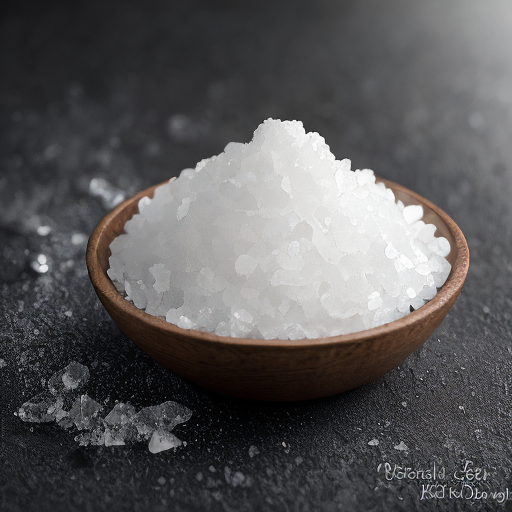
Sea salt
Sea salt, extracted from ocean waters by evaporation, was one of the most precious goods of antiquity, used both as food and as currency. In ancient Rome, soldiers were paid with salt, which is the origin of the word 'salary'. Salt roads connected entire civilizations, and in the Middle Ages, salt was so valuable it was called 'white gold'.
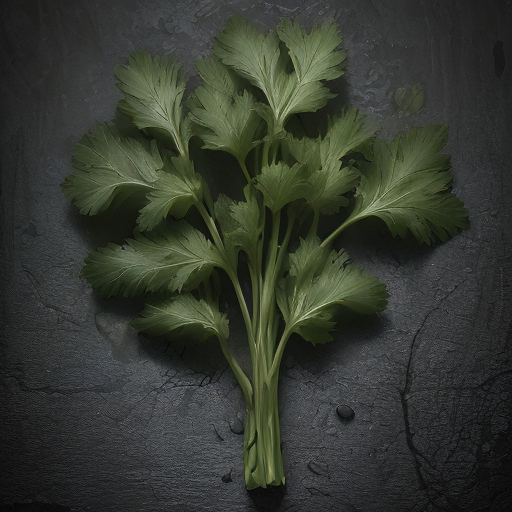
Parsley
In Greek mythology, parsley was associated with death and rebirth, planted on graves to symbolize the cycle of life. Romans used it generously in cooking and as a remedy for hangovers.
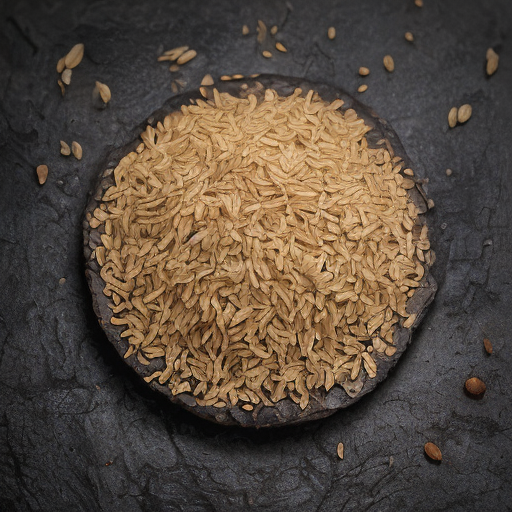
Cumin
Cumin, known since antiquity, was used by Egyptians for embalming and by Romans as a digestive. In the Middle Ages, it was believed to ward off evil spirits, and merchants transported it along the Silk Road from the East to Europe.
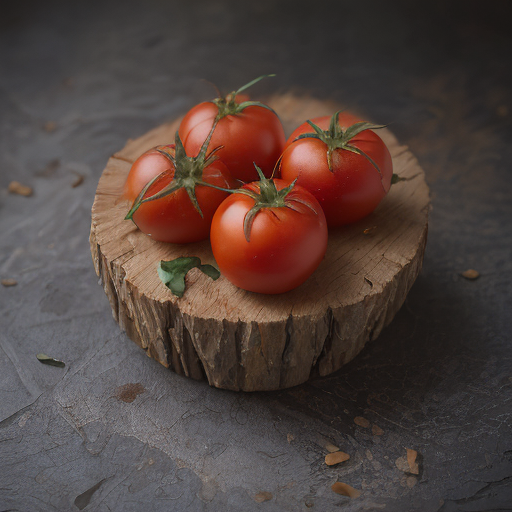
Tomato
Although today the tomato is indispensable in global cuisine, it was long viewed with suspicion in Europe, considered a toxic ornamental plant. It wasn't until the 19th century that Italian immigrants popularized it in the United States, turning it into an iconic ingredient of Mediterranean cuisine. Native to South America, the tomato was domesticated in Mexico and brought to Europe by Spanish conquistadors.
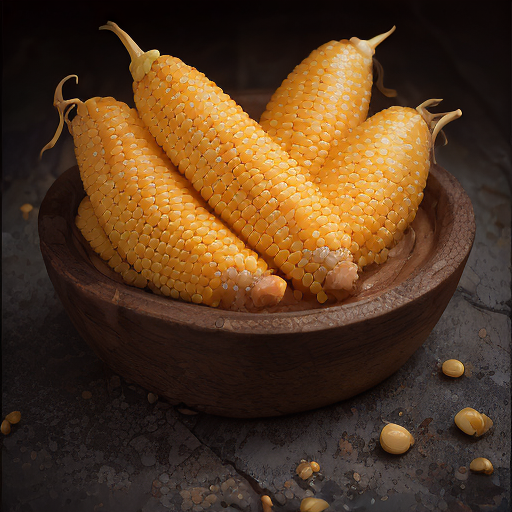
Corn
Corn, native to Central America, was domesticated over 9,000 years ago in Mexico. After the discovery of the Americas, it spread rapidly to Europe, Africa, and Asia, becoming a global staple crop. Fun fact: in Italy, corn was called 'grano turco' (Turkish wheat) because it was believed to originate from the East.
You may also like
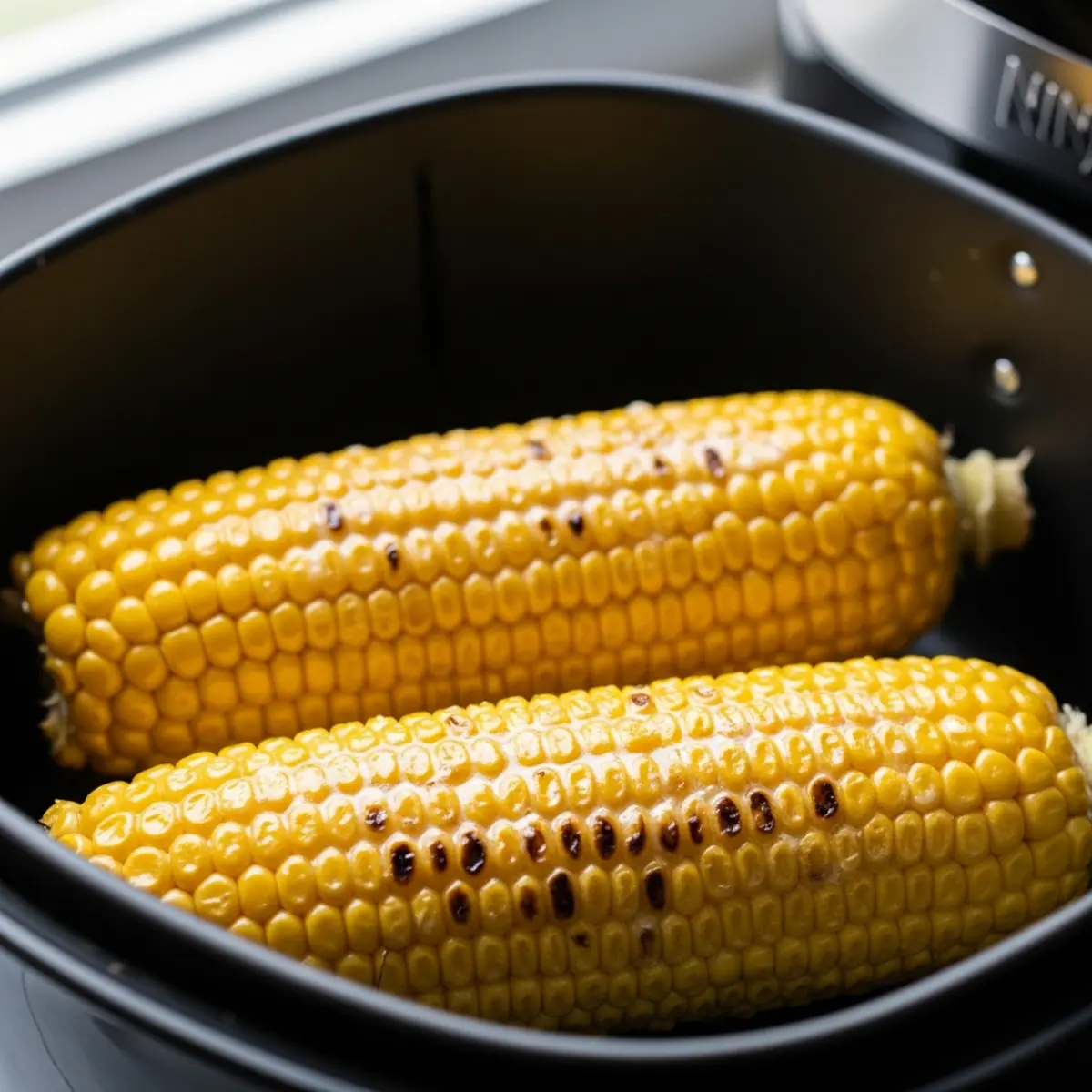 Vegetables
Ninja Foodi Air Fryer & Pressure Cooker 4-Minute Corn on the Cob
 Vegetables
Air Fryer Pumpkin Seeds – Crispy and Golden
 Vegetables
Air Fryer Green Beans – Quick and Tasty Side Dish
 Vegetables
Oatmeal with Apples and Cinnamon in Air Fryer
 Vegetables
Crispy Parmesan Zucchini Sticks in Air Fryer
 Vegetables