Air Fryer Roasted Eggplant with Yogurt Sauce and Za'atar
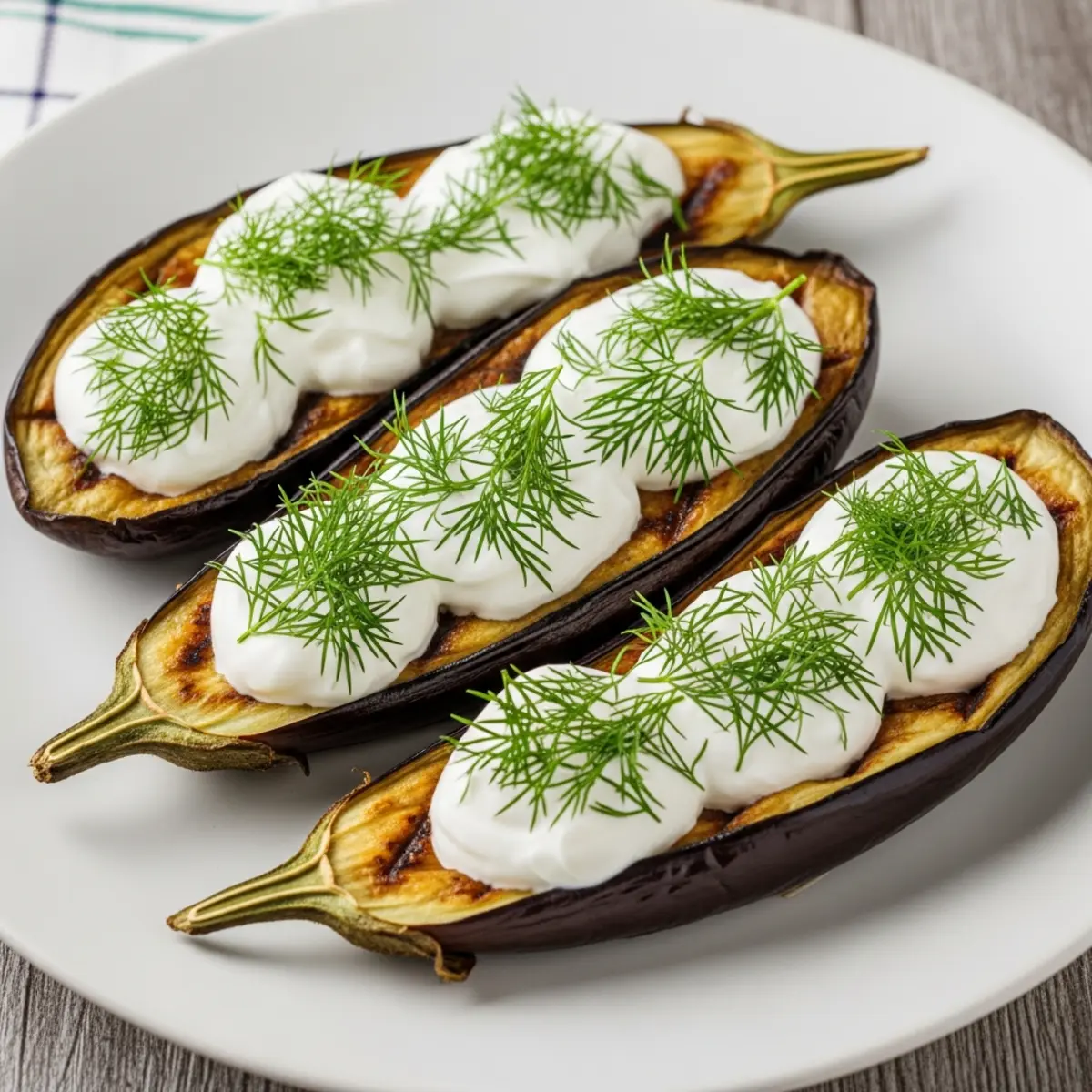
Tender eggplant seasoned with za'atar and garlic, quickly roasted in the Air Fryer, served with a refreshing yogurt and herb sauce.
Steps
- 01
Cut the eggplants in half lengthwise. Crush the garlic and mix with olive oil. Brush the cut sides of the eggplants with the garlic oil, then sprinkle evenly with za'atar.
- 02
If you have time, score the eggplant flesh in a diamond pattern to speed up cooking.
- 03
Preheat the Air Fryer to 200°C (400°F).
- 04
Place the seasoned eggplants in the Air Fryer basket and cook for 15 minutes at 200°C (400°F).
- 05
Meanwhile, prepare the sauce: in a bowl, combine yogurt with a pinch of za'atar and finely chopped fresh cilantro (or parsley/mint). Mix well. Serve the roasted eggplants with the yogurt sauce drizzled on top.
Recipe story
Roasted eggplant is a staple in Middle Eastern cuisine, where za'atar—a blend of thyme, sumac, and sesame—has been used for centuries. The yogurt sauce perfectly complements the smoky flavor of the eggplant, and the modern Air Fryer offers a quick, healthy way to achieve the same tender texture.
Ingredient Secrets
Discover the culinary secrets and flavor history of key ingredients in this dish.
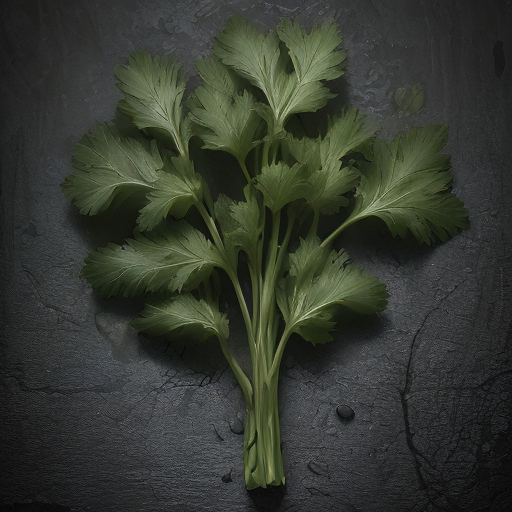
Parsley
In Greek mythology, parsley was associated with death and rebirth, planted on graves to symbolize the cycle of life. Romans used it generously in cooking and as a remedy for hangovers.
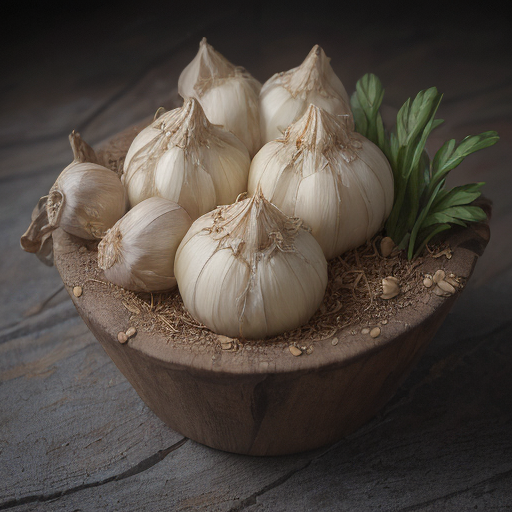
Garlic
Native to Central Asia, garlic was already known in ancient Egypt, where it was given to slaves to boost their strength. In ancient Greece, athletes consumed it before competitions, and in Rome, legionaries considered it essential for courage. During the Middle Ages, it was used to ward off vampires and the plague.
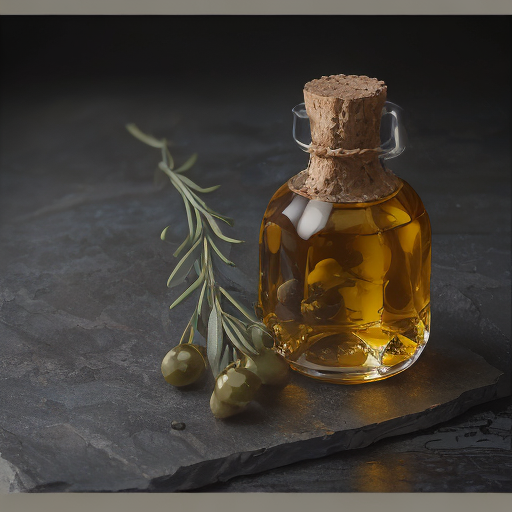
Olive oil
Originating in the Mediterranean basin, olive oil was already produced in ancient Crete 5,000 years ago. In ancient Greece, it was considered a gift from Athena and used in lamps, cosmetics, and religious ceremonies. The Romans spread it throughout the empire, and in the Middle Ages, monasteries preserved the tradition of its production.
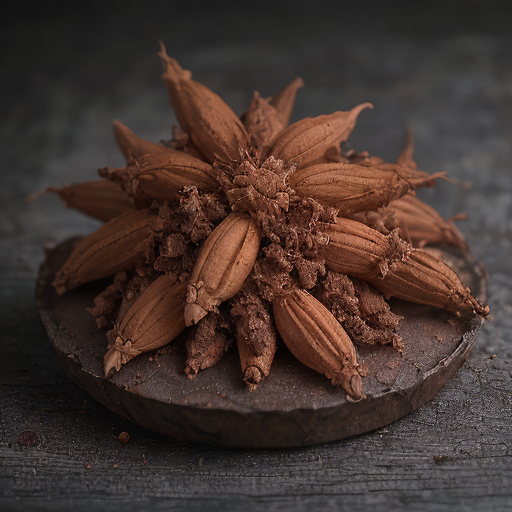
Cloves
Cloves, the dried buds of the exotic Syzygium aromaticum tree, were one of the most prized spices of the ancient world, often called 'aromatic gold'. In the Middle Ages, Venetian merchants controlled the clove trade, bringing them from the Maluku Islands, the only place they grew, and selling them at exorbitant prices in Europe.

Mint
In ancient Rome, mint was so valued that students wore wreaths of its leaves to stimulate their minds, and guests received fresh sprigs as a sign of hospitality. Legend has it that the goddess Minerva transformed the nymph Mentha into a fragrant plant, giving birth to mint.

Coriander
Coriander, known since ancient times, was found in Egyptian tombs over 3,000 years old, considered a sacred spice and a remedy for immortality. The Romans brought it to Europe, where it became a staple in Mediterranean and Asian cuisines.

Eggplant
Although the name 'eggplant' suggests a connection to eggs, this purple vegetable actually originates from India, where it was cultivated over 4,000 years ago. Arabs introduced eggplants to Europe during the Middle Ages.
You may also like
 Vegetables
Ninja Foodi Air Fryer & Pressure Cooker 4-Minute Corn on the Cob
 Vegetables
Air Fryer Pumpkin Seeds – Crispy and Golden
 Vegetables
Air Fryer Green Beans – Quick and Tasty Side Dish
 Vegetables
Oatmeal with Apples and Cinnamon in Air Fryer
 Vegetables
Crispy Parmesan Zucchini Sticks in Air Fryer
 Vegetables