Air Fryer Lamb Sausage Rolls with Red Pepper and Walnut Dip
Crispy puff pastry rolls filled with lamb sausages, cooked in an air fryer, served with a creamy roasted red pepper and walnut dip.
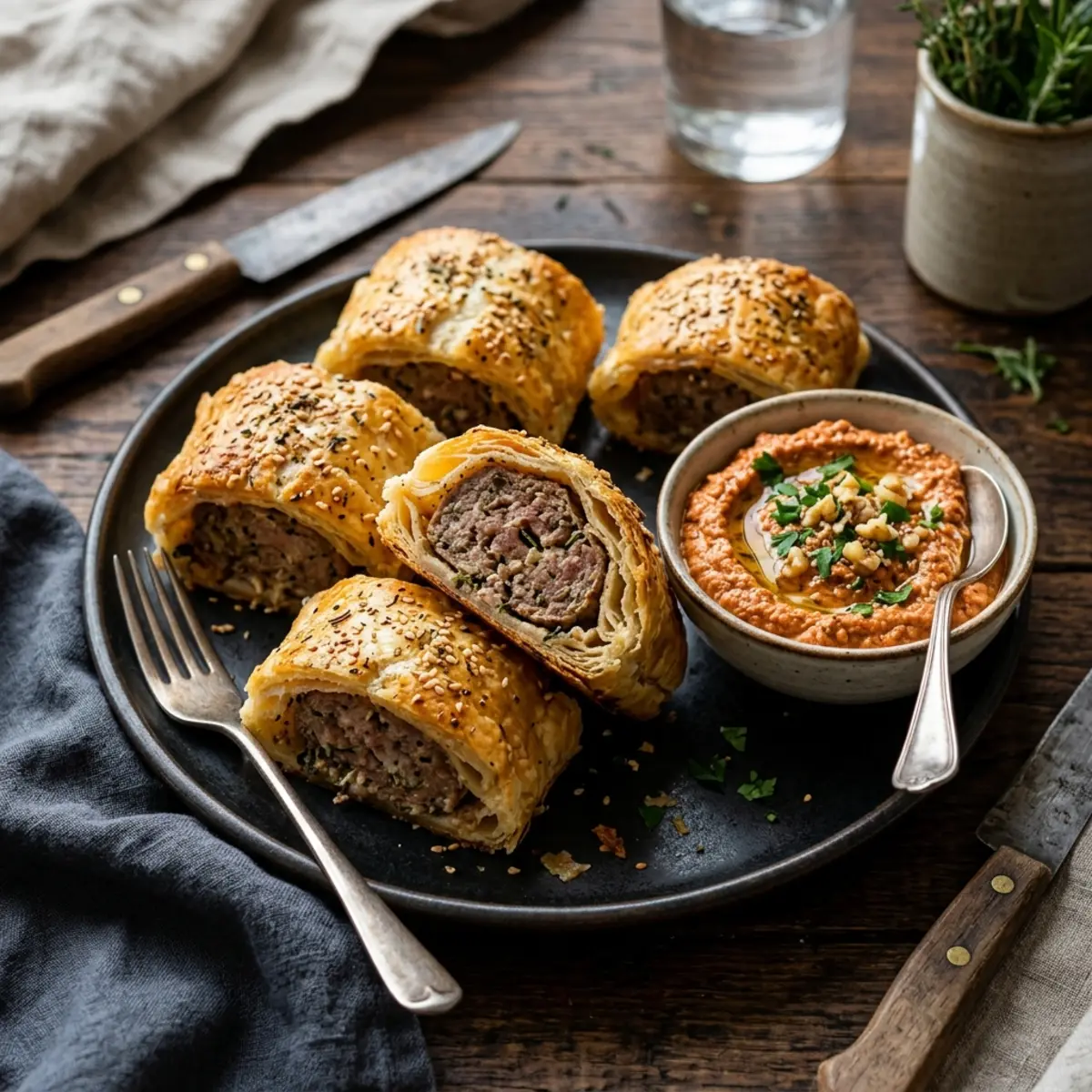
Steps
- 01
Preheat the air fryer to 180°C (350°F).
- 02
Cut the red bell pepper in half, remove seeds and membranes. Brush with olive oil and place in the air fryer basket. Cook for 8–10 minutes until skin blackens. Let cool, then peel and chop.
- 03
In a blender, combine roasted pepper pieces, walnuts, Greek yogurt, minced garlic, and smoked paprika. Blend until smooth. Season with salt and pepper. Set aside.
- 04
Cut the puff pastry sheet into 4 equal rectangles. Place one sausage on each rectangle and roll tightly, sealing the edges. Cut each roll into halves or thirds to make small pieces.
- 05
Beat the egg and brush over the rolls. Arrange them in the air fryer basket without overlapping.
- 06
Cook at 180°C (350°F) for 12–15 minutes until golden and crispy. Serve hot with the red pepper and walnut dip.
Recipe story
This recipe combines Balkan culinary traditions with Middle Eastern influences. Lamb sausages are typical in Greek and Turkish cuisine, while the red pepper and walnut dip recalls Levantine sauces. Puff pastry, of French origin, has been adopted in Mediterranean kitchens for quick preparations. In Greece, sausage rolls are often served as meze, and the air fryer version is a modern twist.
Ingredient Secrets
Discover the culinary secrets and flavor history of key ingredients in this dish.
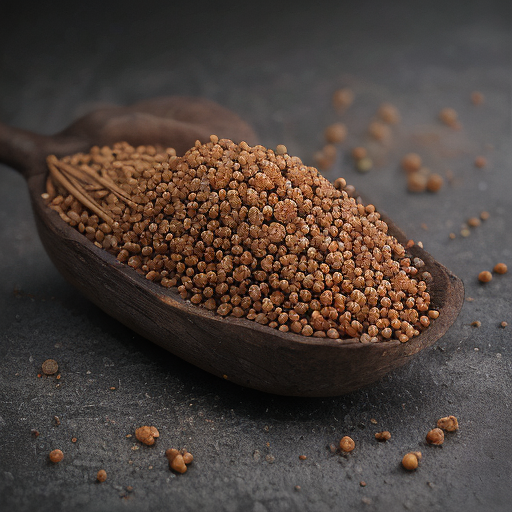
Black pepper
Known as 'black gold' in antiquity, pepper was so valuable that it served as currency and tribute. In the Middle Ages, Venetian merchants controlled the pepper trade, and individual peppercorns were often counted. Legend has it that when Alaric, king of the Visigoths, demanded tribute from Rome, he included 3,000 pounds of pepper.
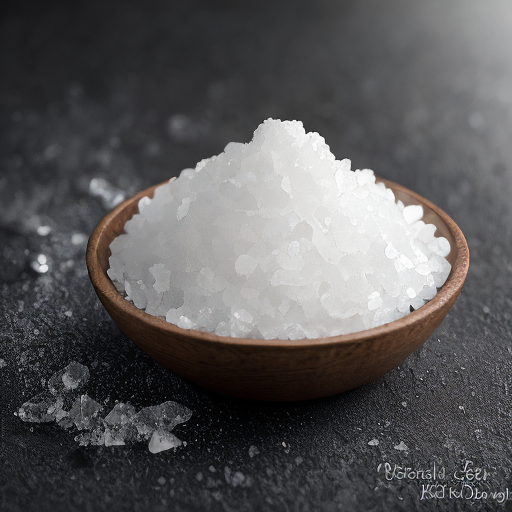
Sea salt
Sea salt, extracted from ocean waters by evaporation, was one of the most precious goods of antiquity, used both as food and as currency. In ancient Rome, soldiers were paid with salt, which is the origin of the word 'salary'. Salt roads connected entire civilizations, and in the Middle Ages, salt was so valuable it was called 'white gold'.
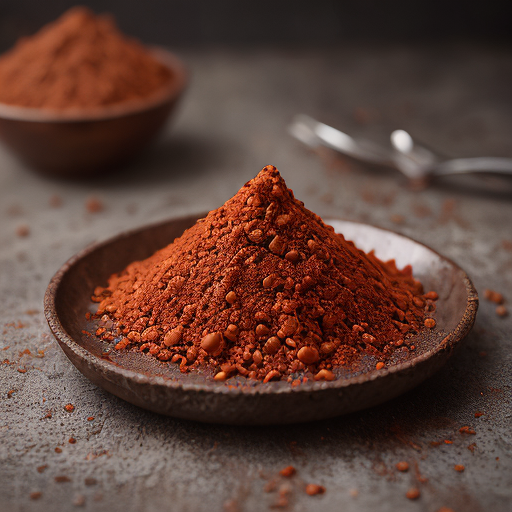
Paprika
Paprika, a emblematic spice brought to Europe by Christopher Columbus from the New World. Although associated with Hungarian cuisine, its origins are in Central America, where it was used by the Aztecs.
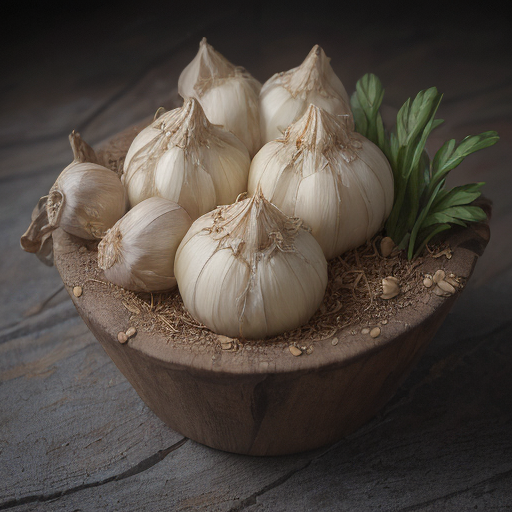
Garlic
Native to Central Asia, garlic was already known in ancient Egypt, where it was given to slaves to boost their strength. In ancient Greece, athletes consumed it before competitions, and in Rome, legionaries considered it essential for courage. During the Middle Ages, it was used to ward off vampires and the plague.
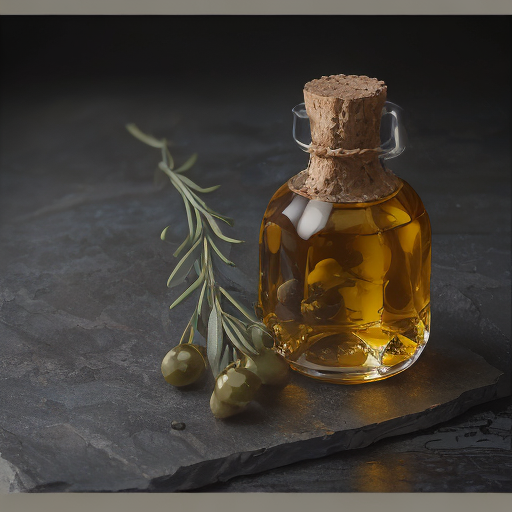
Olive oil
Originating in the Mediterranean basin, olive oil was already produced in ancient Crete 5,000 years ago. In ancient Greece, it was considered a gift from Athena and used in lamps, cosmetics, and religious ceremonies. The Romans spread it throughout the empire, and in the Middle Ages, monasteries preserved the tradition of its production.
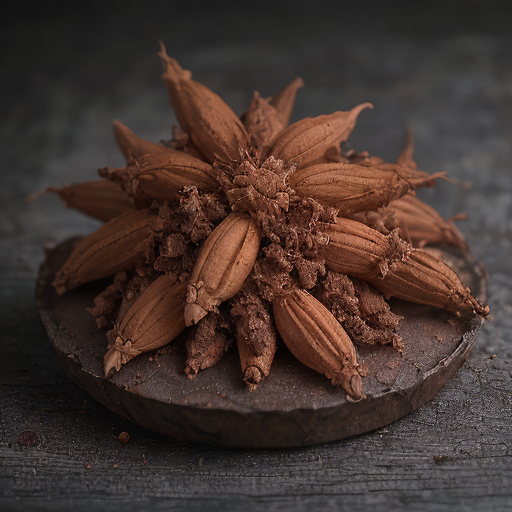
Cloves
Cloves, the dried buds of the exotic Syzygium aromaticum tree, were one of the most prized spices of the ancient world, often called 'aromatic gold'. In the Middle Ages, Venetian merchants controlled the clove trade, bringing them from the Maluku Islands, the only place they grew, and selling them at exorbitant prices in Europe.
You may also like
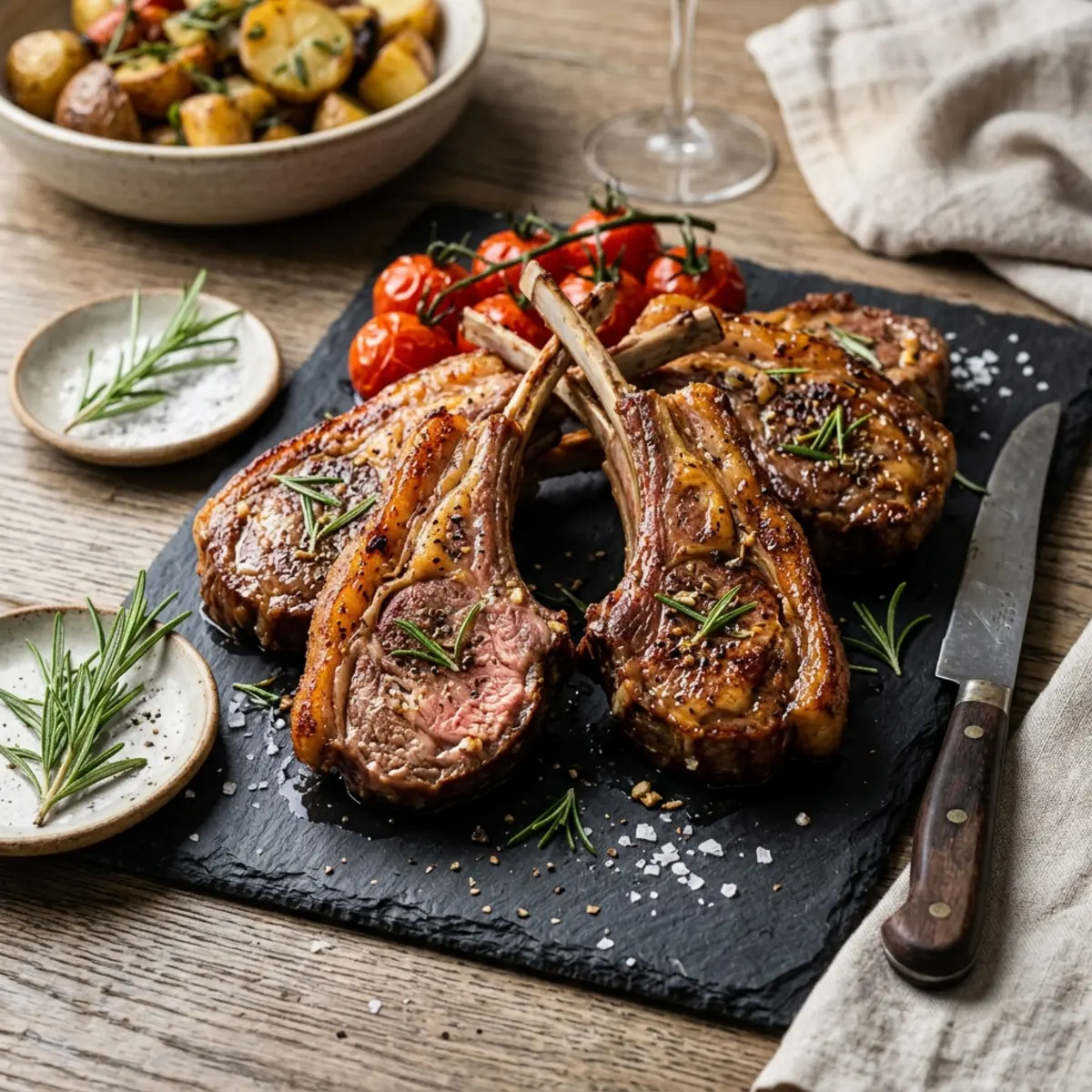 Game
GameAir Fryer Lamb Chops – Juicy, Perfectly Seasoned & Quick
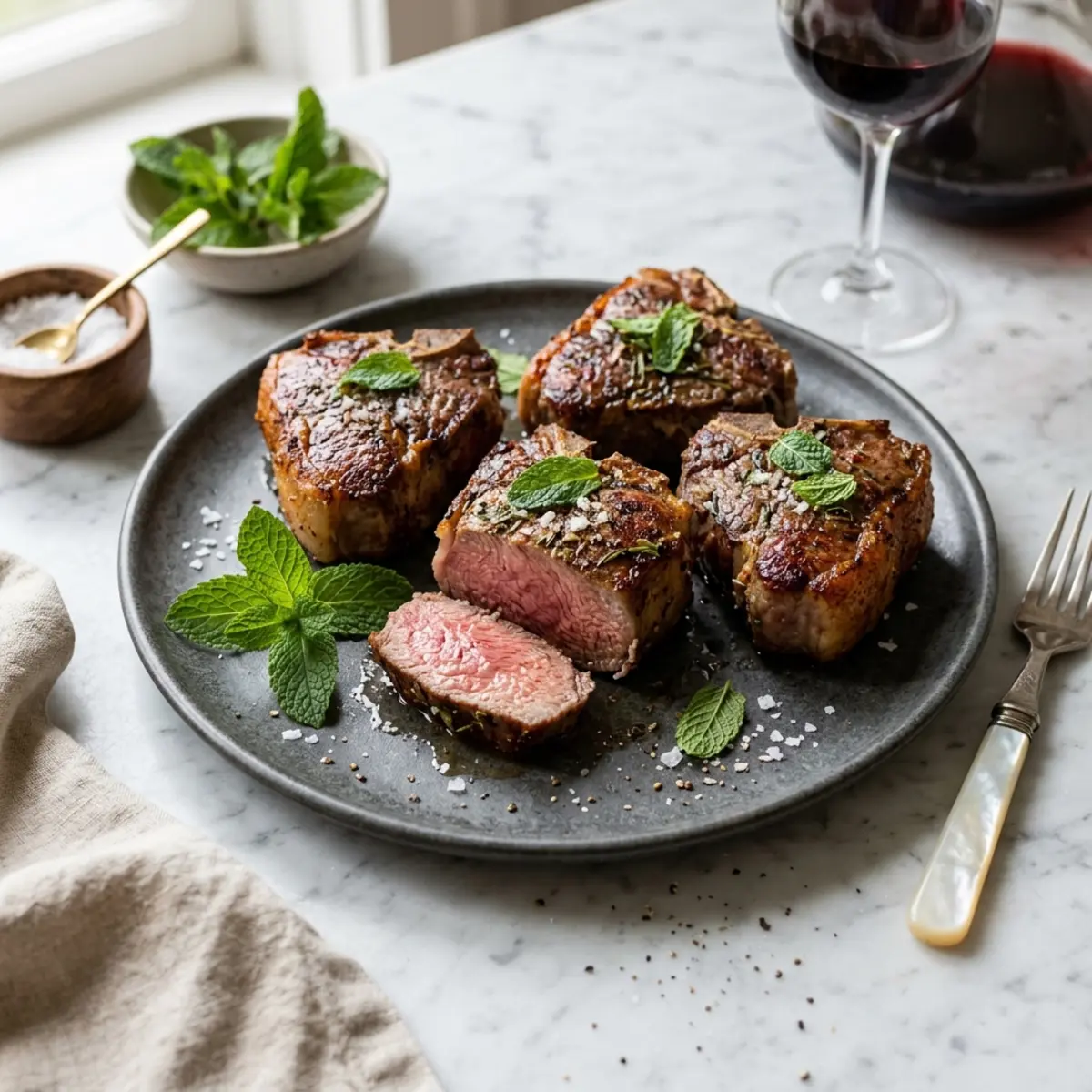 Game
GameAir Fryer Lamb Chops – Quick and Tasty Recipe (Ninja Foodi)
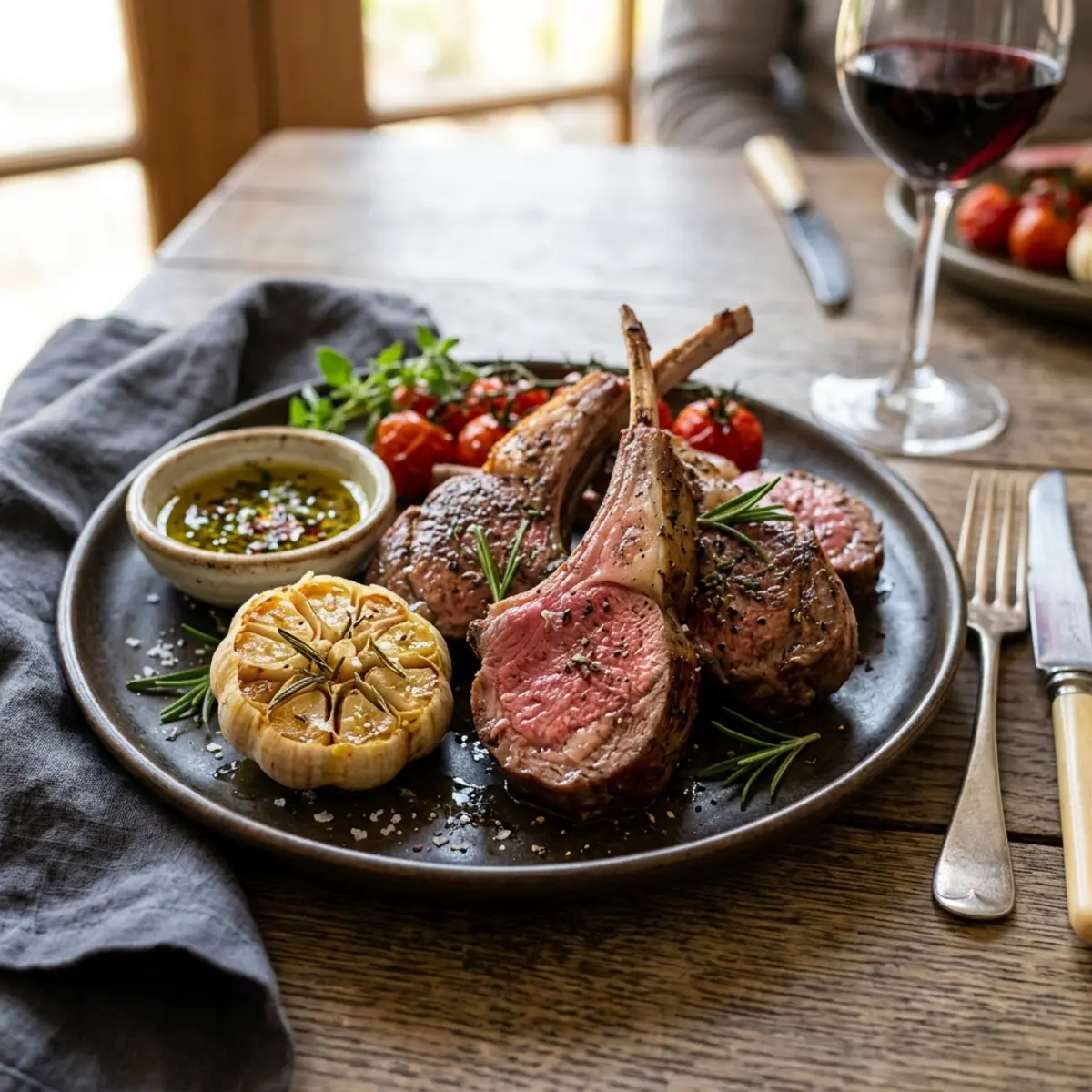 Game
GameAir Fryer Lamb Ribs – perfect medium-rare, tender and flavorful
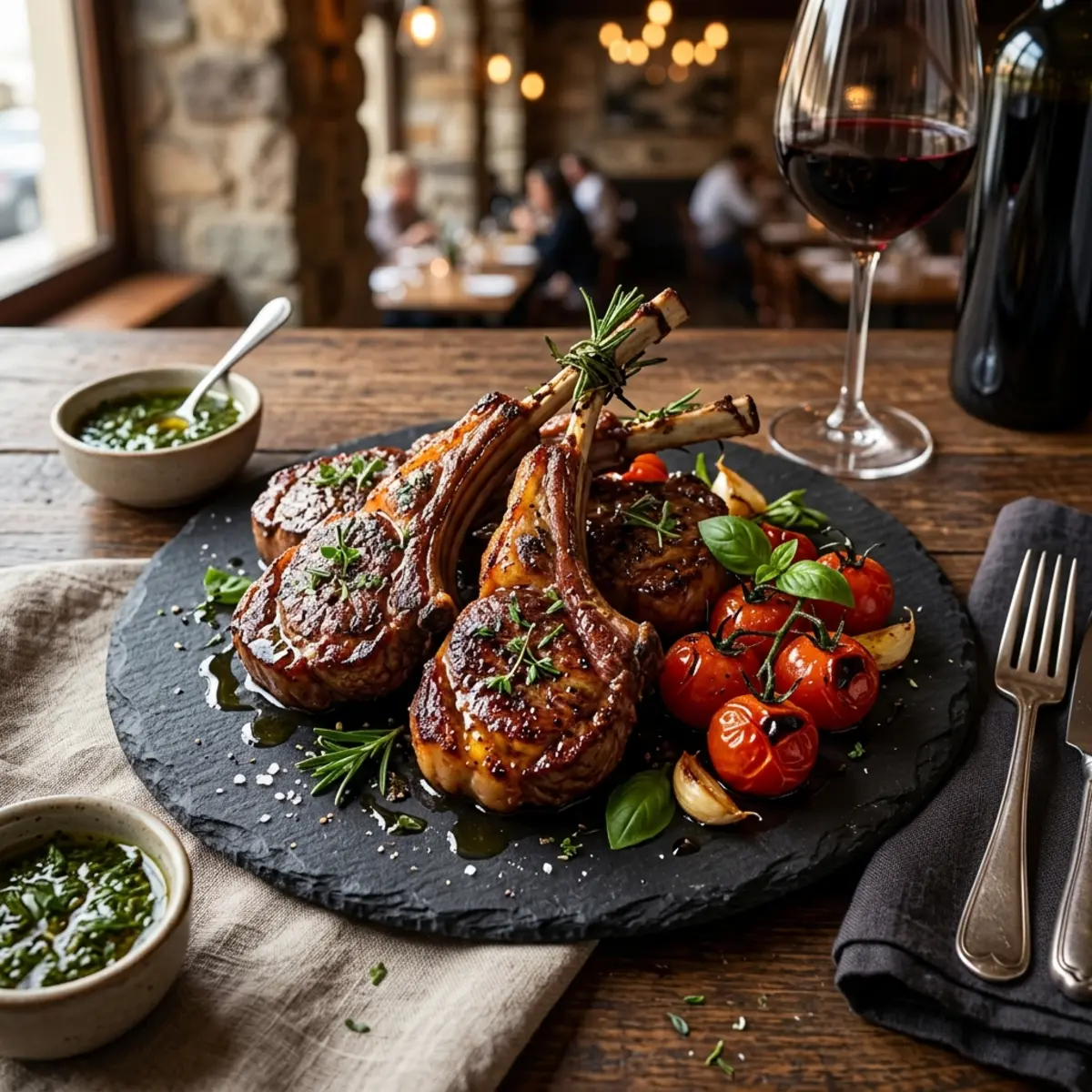 Game
GameAir Fryer Lamb Chops – Tender and Quick
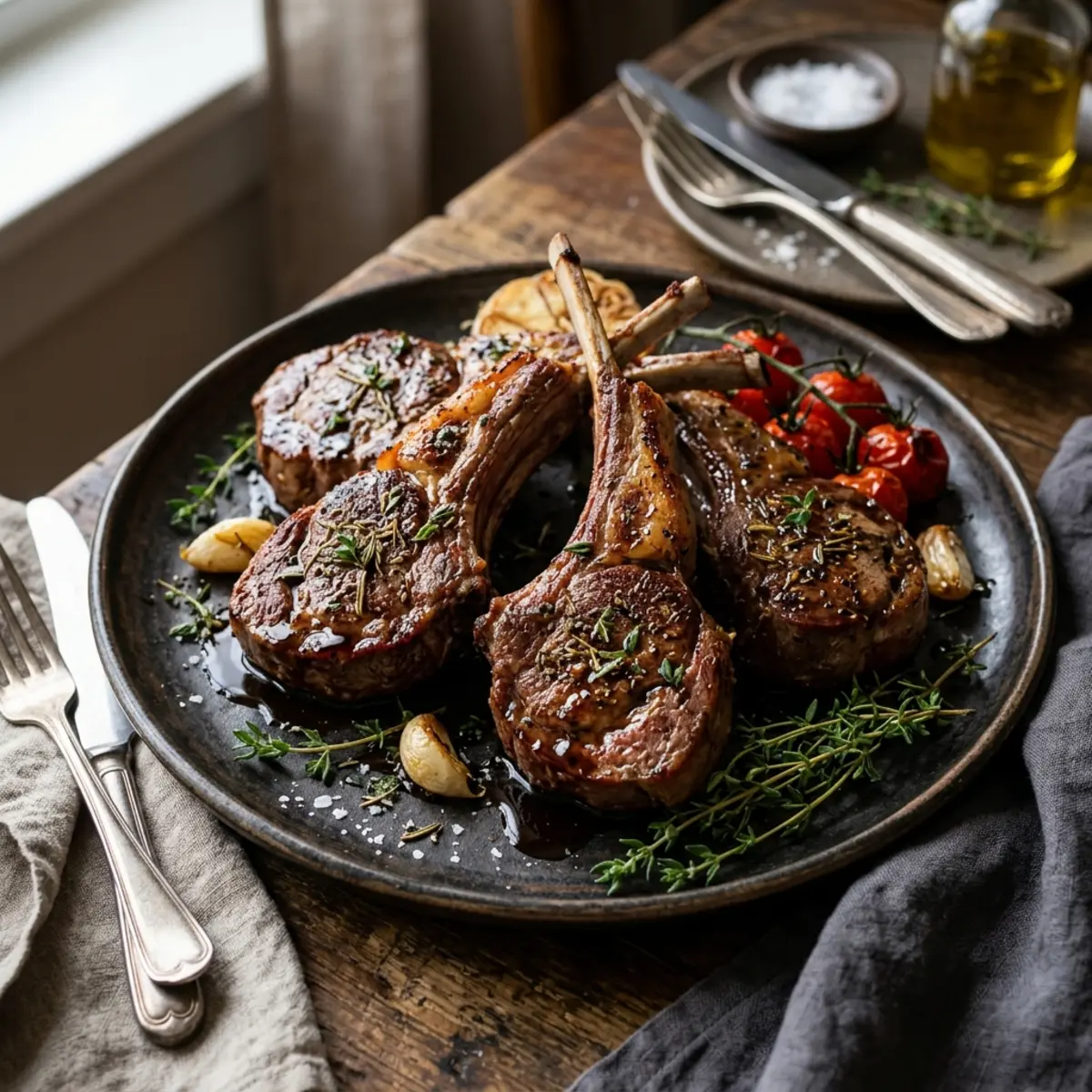 Game
GameAir Fryer Lamb Chops with Rosemary and Thyme
 Game
Game