Air Fryer Huevos Rancheros: Quick Mexican Breakfast Recipe
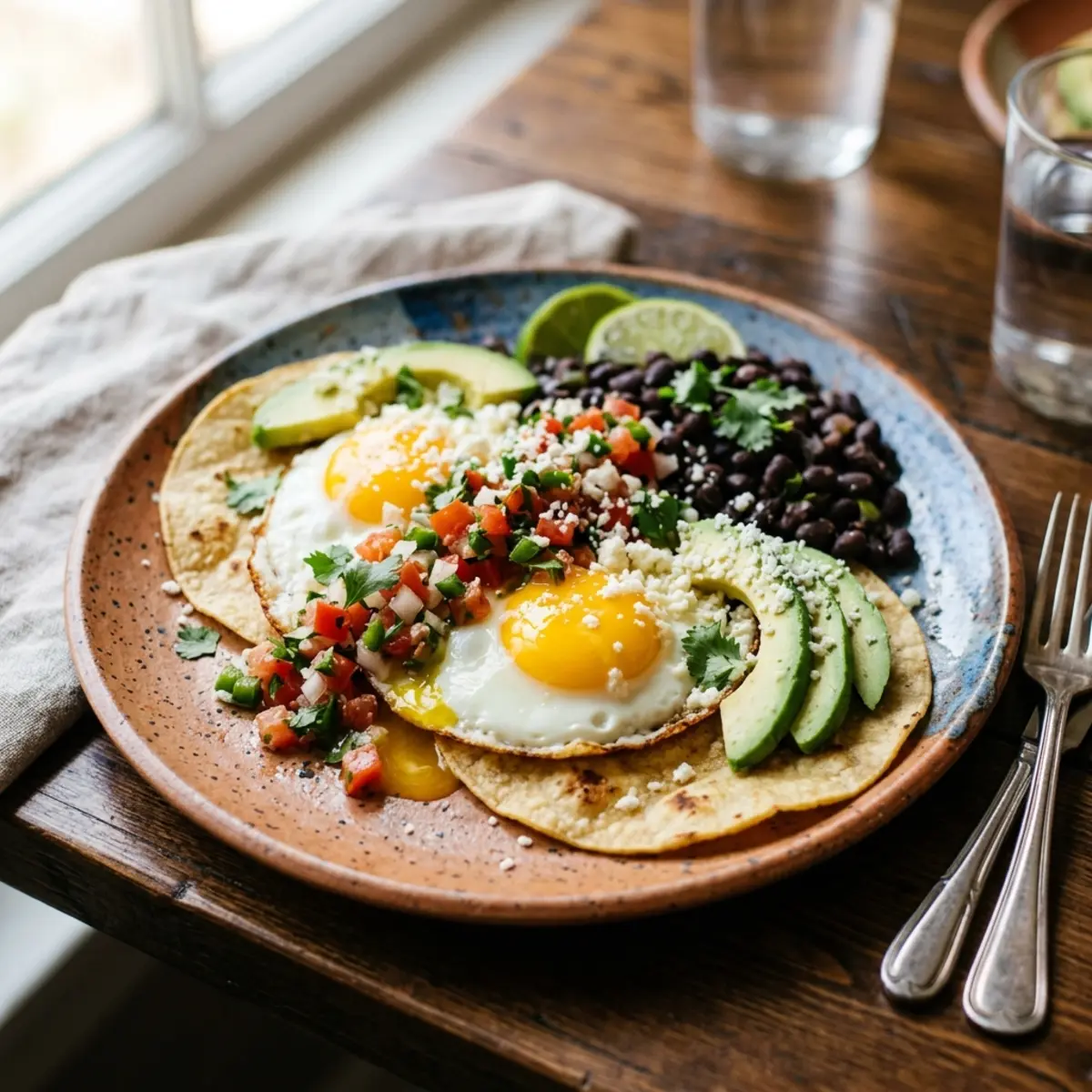
A traditional Mexican breakfast reimagined for the air fryer: poached eggs on a bed of spicy beans, served with avocado, sour cream, and warm tortillas.
Steps
- 01
Peel and finely chop the yellow onion and garlic cloves.
- 02
Drain and rinse the red and black beans.
- 03
In a small bowl, mix 1 tsp cumin and 1 tsp paprika.
- 04
Heat 2 tbsp olive oil in a skillet over medium heat and sauté onion and garlic until softened, about 3 minutes.
- 05
Add beans, diced tomatoes, and the cumin-paprika mixture. Cook for 5 minutes, then lightly mash with a potato masher to thicken.
- 06
Preheat the air fryer to 180°C (350°F).
- 07
Spread the bean mixture evenly in an air fryer-safe dish.
- 08
Make two small wells in the bean mixture and crack an egg into each.
- 09
Sprinkle with chili flakes, paprika, and cumin.
- 10
Place the dish in the air fryer and cook for 8-10 minutes, until eggs are done to your liking.
- 11
While eggs cook, slice the avocado and chop the cilantro.
- 12
Warm the tortillas in a dry skillet or microwave.
- 13
Remove the dish from the air fryer. Top with avocado slices, crème fraîche, and cilantro.
- 14
Serve huevos rancheros with warm tortillas and shredded cheese on the side.
Recipe story
Huevos Rancheros originated in rural Mexico as a hearty breakfast for farmers. After the Spanish conquest, European eggs and spices blended with black beans, a staple of the Aztecs. Over centuries, the recipe evolved, remaining a symbol of Mexican cuisine.
Ingredient Secrets
Discover the culinary secrets and flavor history of key ingredients in this dish.
Cumin
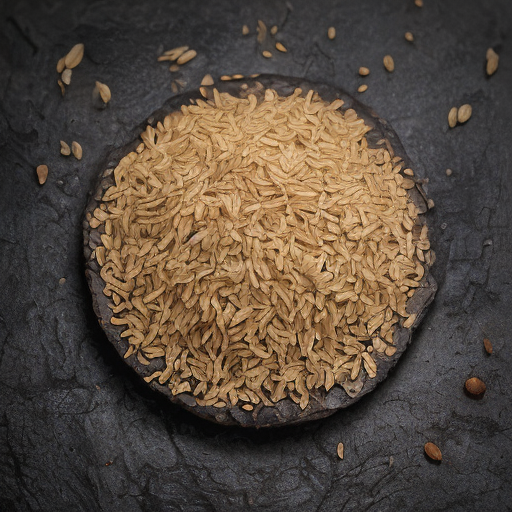
Cumin, known since antiquity, was used by Egyptians for embalming and by Romans as a digestive. In the Middle Ages, it was believed to ward off evil spirits, and merchants transported it along the Silk Road from the East to Europe.
Paprika
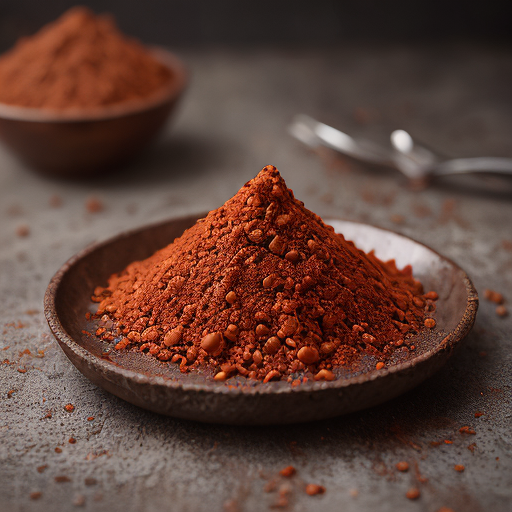
Paprika, a emblematic spice brought to Europe by Christopher Columbus from the New World. Although associated with Hungarian cuisine, its origins are in Central America, where it was used by the Aztecs.
Garlic
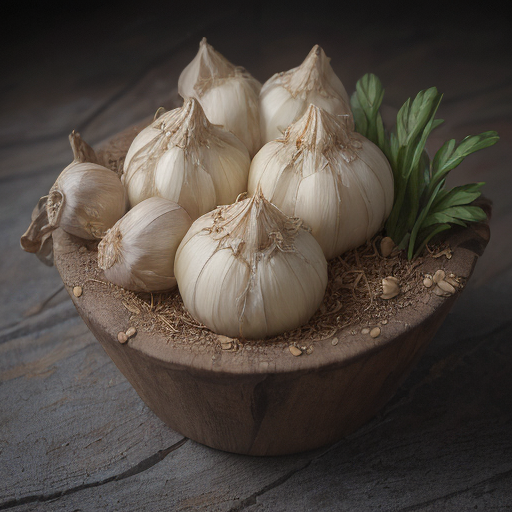
Native to Central Asia, garlic was already known in ancient Egypt, where it was given to slaves to boost their strength. In ancient Greece, athletes consumed it before competitions, and in Rome, legionaries considered it essential for courage. During the Middle Ages, it was used to ward off vampires and the plague.
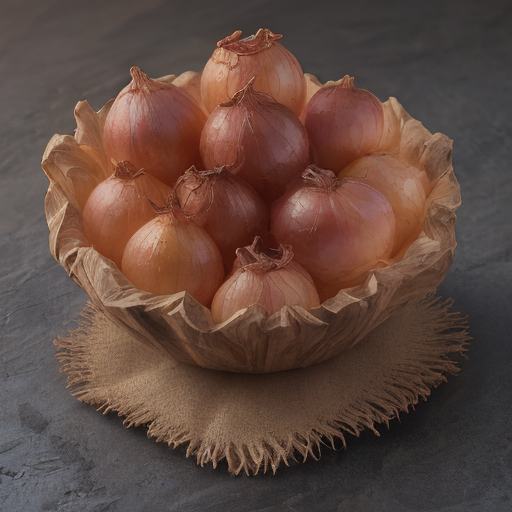
Onion
Probably originating in Central or West Asia, onions were cultivated in ancient Egypt, where they were considered a symbol of eternity and placed in tombs. In ancient Greece, athletes ate them to balance their blood, and in Rome, they were a staple food for soldiers. During the Middle Ages, onions were believed to protect against arrows and the plague.
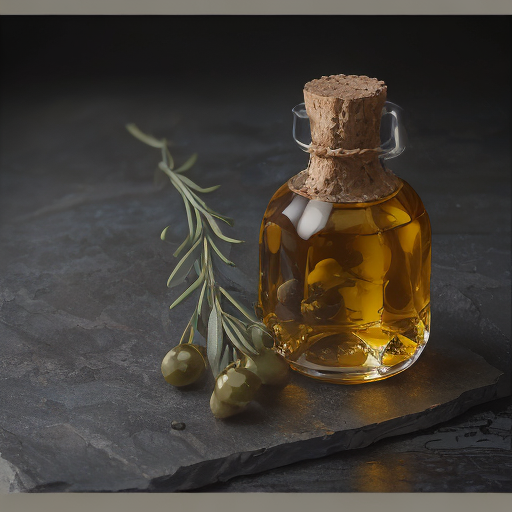
Olive oil
Originating in the Mediterranean basin, olive oil was already produced in ancient Crete 5,000 years ago. In ancient Greece, it was considered a gift from Athena and used in lamps, cosmetics, and religious ceremonies. The Romans spread it throughout the empire, and in the Middle Ages, monasteries preserved the tradition of its production.
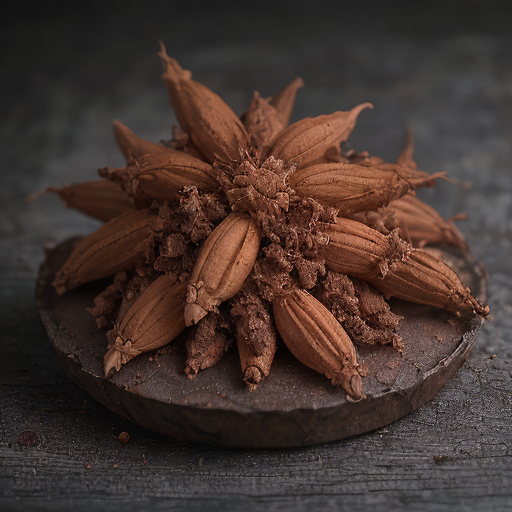
Cloves
Cloves, the dried buds of the exotic Syzygium aromaticum tree, were one of the most prized spices of the ancient world, often called 'aromatic gold'. In the Middle Ages, Venetian merchants controlled the clove trade, bringing them from the Maluku Islands, the only place they grew, and selling them at exorbitant prices in Europe.
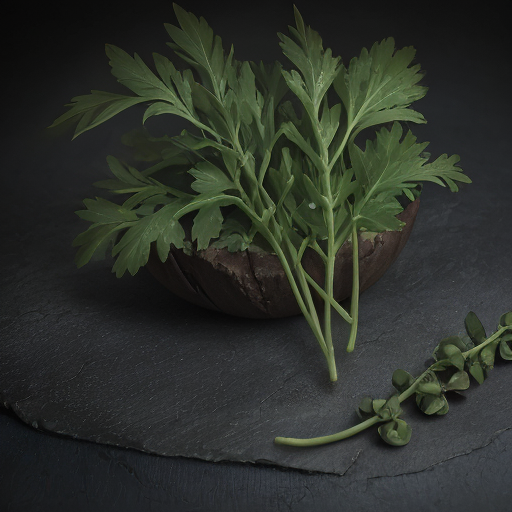
Coriander
Coriander, known since ancient times, was found in Egyptian tombs over 3,000 years old, considered a sacred spice and a remedy for immortality. The Romans brought it to Europe, where it became a staple in Mediterranean and Asian cuisines.
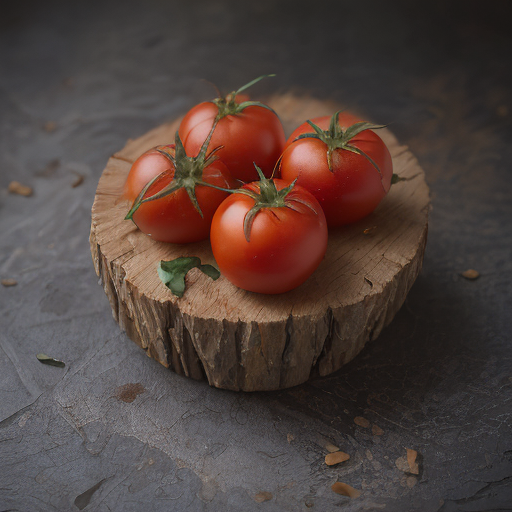
Tomato
Although today the tomato is indispensable in global cuisine, it was long viewed with suspicion in Europe, considered a toxic ornamental plant. It wasn't until the 19th century that Italian immigrants popularized it in the United States, turning it into an iconic ingredient of Mediterranean cuisine. Native to South America, the tomato was domesticated in Mexico and brought to Europe by Spanish conquistadors.
You may also like
 Vegetables
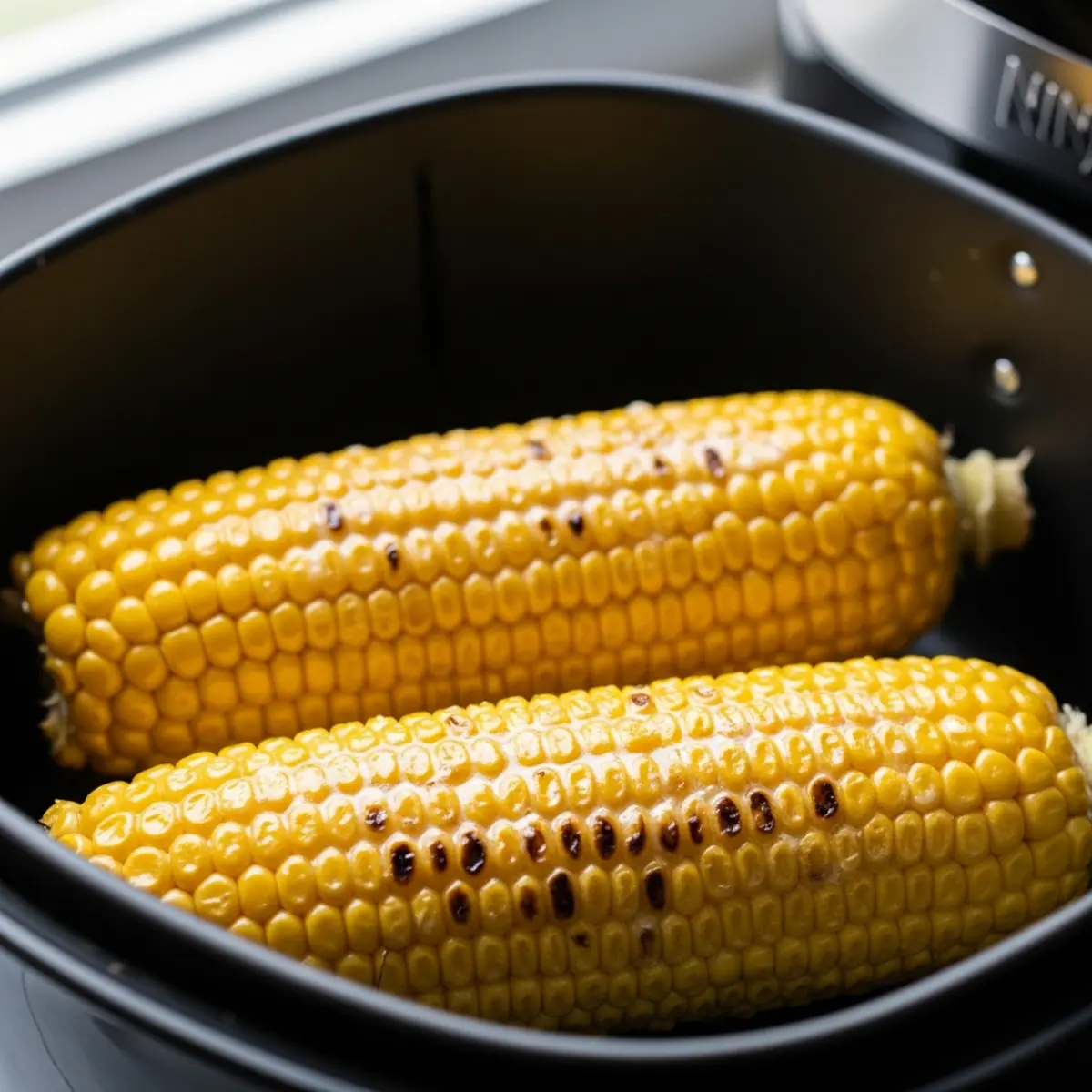
Ninja Foodi Air Fryer & Pressure Cooker 4-Minute Corn on the Cob
 Vegetables
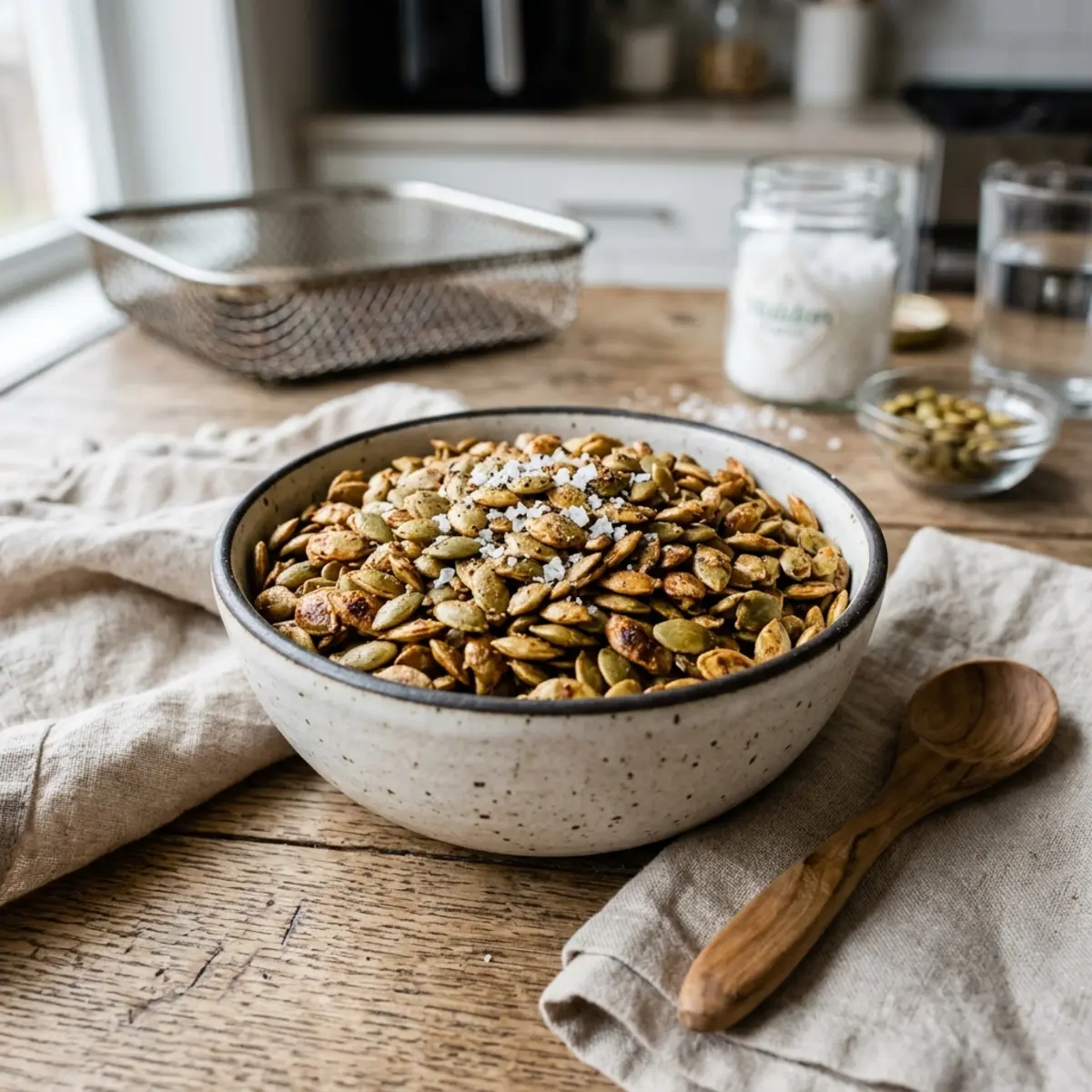
Air Fryer Pumpkin Seeds – Crispy and Golden
 Vegetables
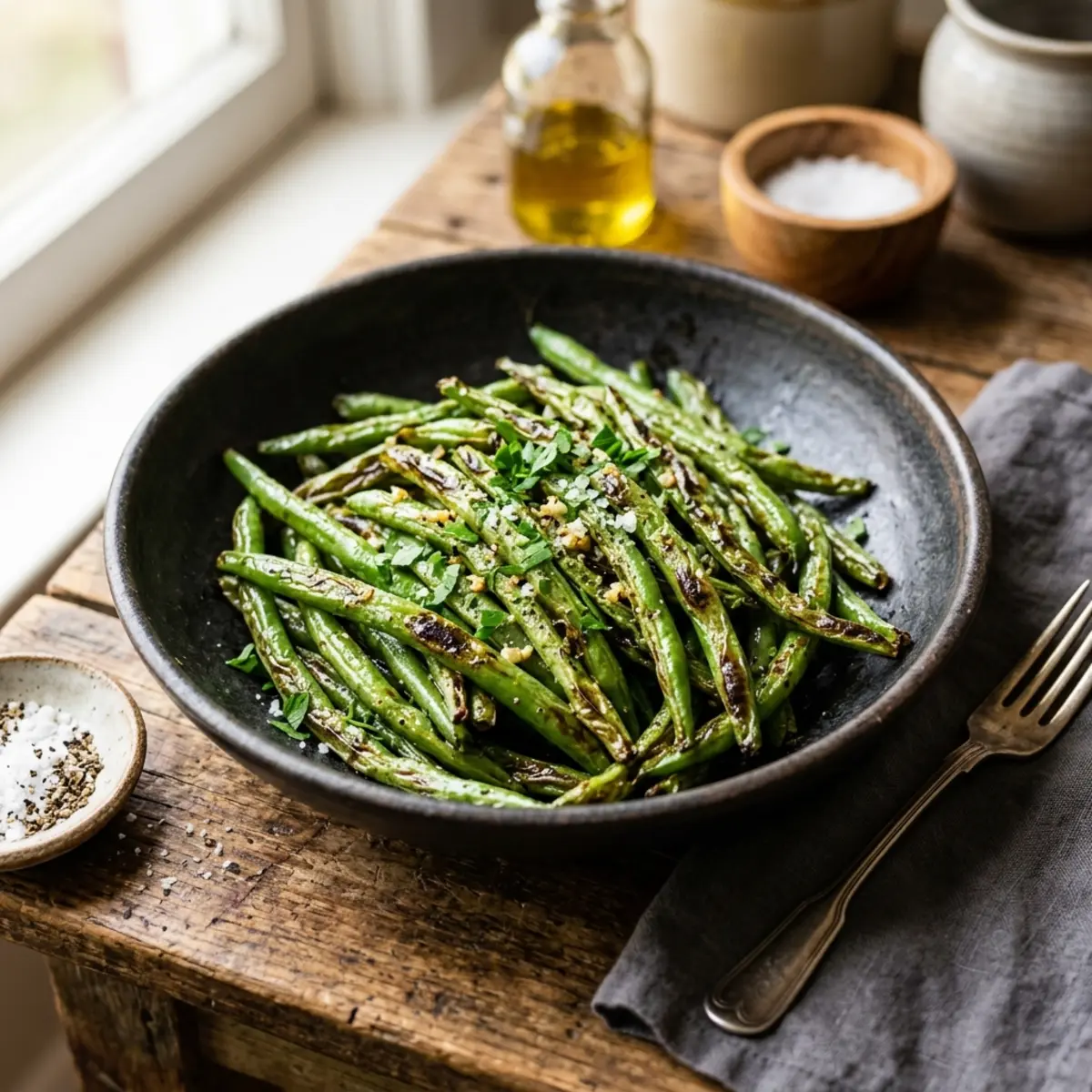
Air Fryer Green Beans – Quick and Tasty Side Dish
 Vegetables
Oatmeal with Apples and Cinnamon in Air Fryer
 Vegetables
Crispy Parmesan Zucchini Sticks in Air Fryer
 Vegetables