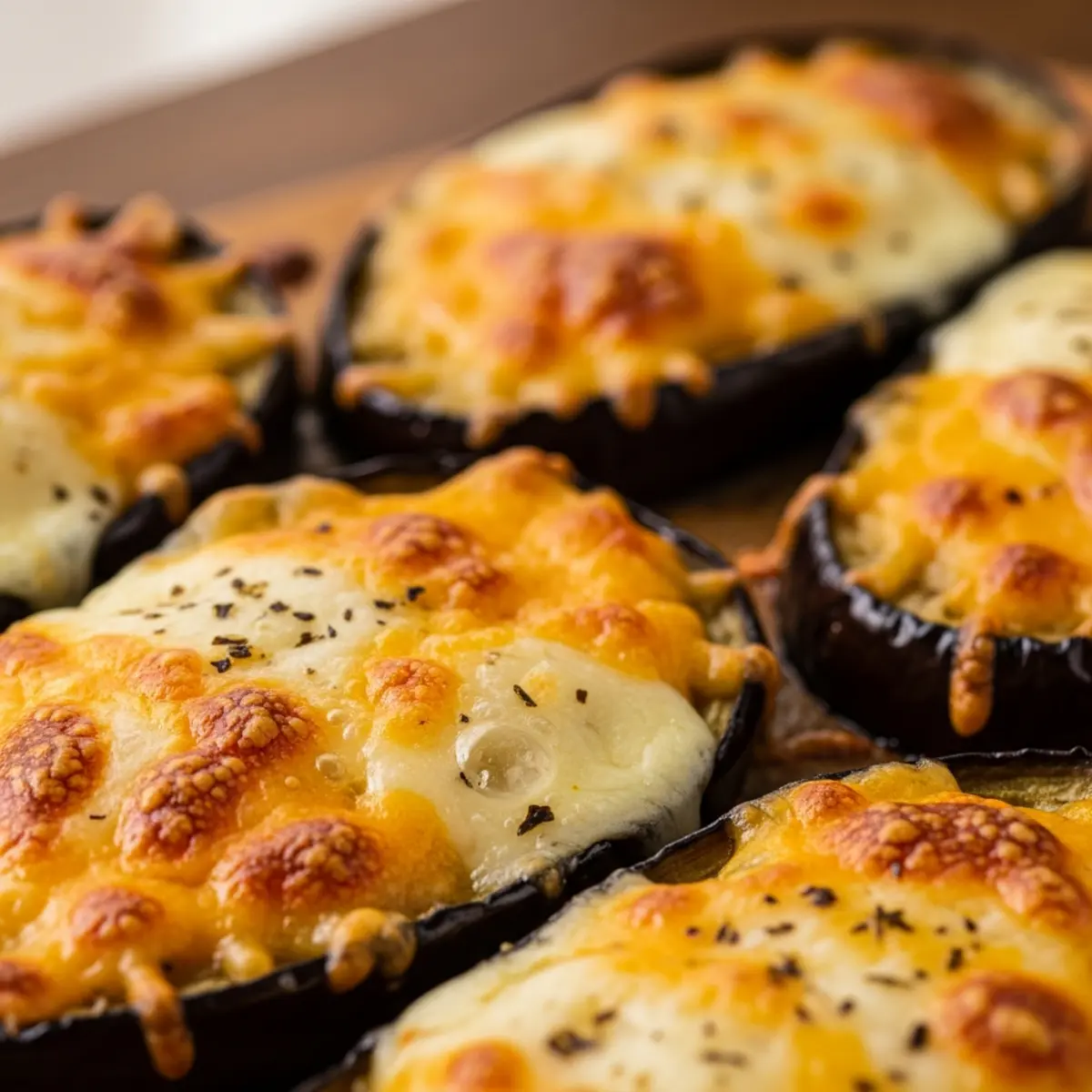
Air Fryer Eggplant Quattro Formaggi (Four Cheese)
Crispy air-fried eggplant halves topped with a rich four-cheese blend and baked until golden — a quick and comforting vegetarian main dish.
Steps
- 01
Wash the eggplant and pat it dry. Cut it lengthwise (with the skin on). Score the cut sides in a deep diamond pattern without piercing the skin.
- 02
Sprinkle the eggplant halves with salt, brush them with olive oil (including the incisions), and sprinkle with dried oregano. Place them in a suitable air fryer basket or tray.
- 03
Preheat the air fryer to 205°C (400°F) for 5 minutes. Air fry the eggplant at 205°C for 15 minutes (20–25 minutes in a conventional oven).
- 04
Meanwhile, prepare the quattro formaggi cream: mix the feta, mozzarella/cheddar, parmesan, cream cheese, garlic, and a pinch of oregano. Adjust salt to taste.
- 05
Spread the cheese cream evenly over the browned eggplant halves. Air fry for another 15 minutes at 205°C, or until the topping is golden and bubbly.
- 06
Serve hot with soft bread and a simple tomato salad. The crispy skin is edible — do not discard it!
Recipe story
Deep in the heart of Transylvania, where eggplants ripen under the gentle Carpathian sun, this recipe marries rustic tradition with modern innovation. Our ancestors discovered the smoky aroma of eggplants roasted over embers, and today, the air fryer recreates that same crispy texture in a swift dance of cheeses. The blend of four cheeses—telemea, cașcaval, Parmesan, and Gorgonzola—echoes the richness of medieval fairs, where Italian merchants and locals exchanged recipes and tales. Thus, the eggplants become a royal feast, ready in minutes, for any dinner that craves comfort and elegance.
Ingredient Secrets
Discover the culinary secrets and flavor history of key ingredients in this dish.
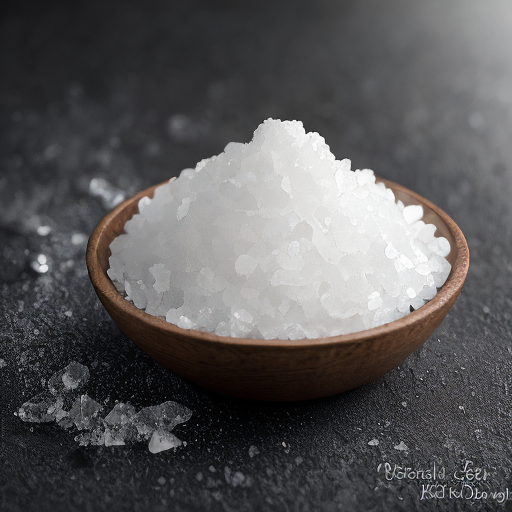
Sea salt
Sea salt, extracted from ocean waters by evaporation, was one of the most precious goods of antiquity, used both as food and as currency. In ancient Rome, soldiers were paid with salt, which is the origin of the word 'salary'. Salt roads connected entire civilizations, and in the Middle Ages, salt was so valuable it was called 'white gold'.
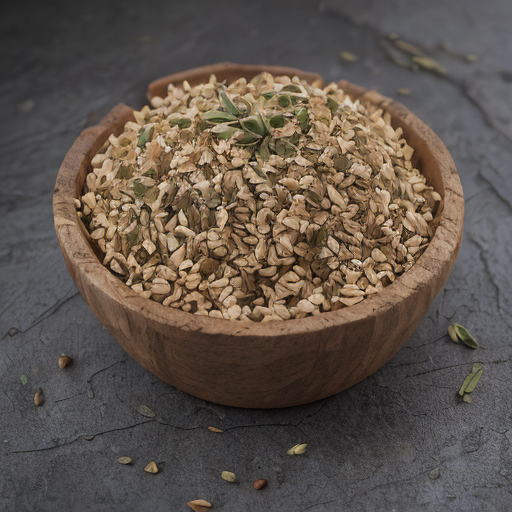
Oregano
Oregano, also known as 'mountain joy', was used by ancient Greeks as an antidote for poisons and a symbol of happiness. In the Middle Ages, it was planted on graves to ensure peace for the souls.
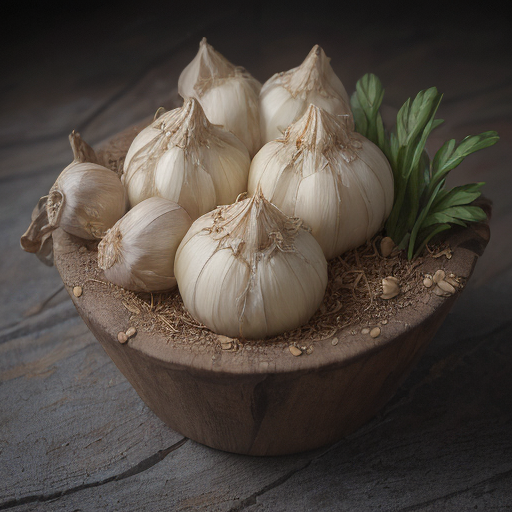
Garlic
Native to Central Asia, garlic was already known in ancient Egypt, where it was given to slaves to boost their strength. In ancient Greece, athletes consumed it before competitions, and in Rome, legionaries considered it essential for courage. During the Middle Ages, it was used to ward off vampires and the plague.
Olive oil
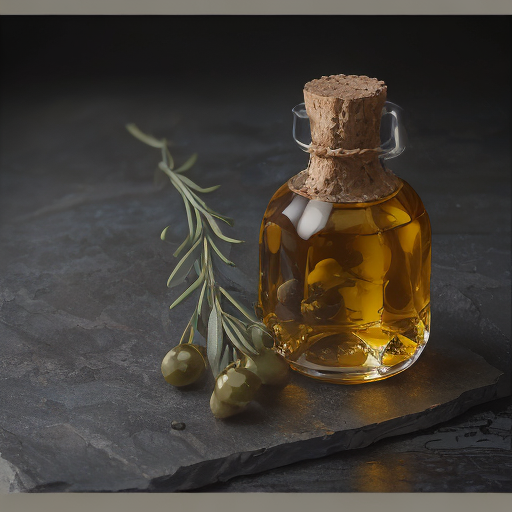
Originating in the Mediterranean basin, olive oil was already produced in ancient Crete 5,000 years ago. In ancient Greece, it was considered a gift from Athena and used in lamps, cosmetics, and religious ceremonies. The Romans spread it throughout the empire, and in the Middle Ages, monasteries preserved the tradition of its production.

Eggplant
Although the name 'eggplant' suggests a connection to eggs, this purple vegetable actually originates from India, where it was cultivated over 4,000 years ago. Arabs introduced eggplants to Europe during the Middle Ages.
You may also like
 Vegetables
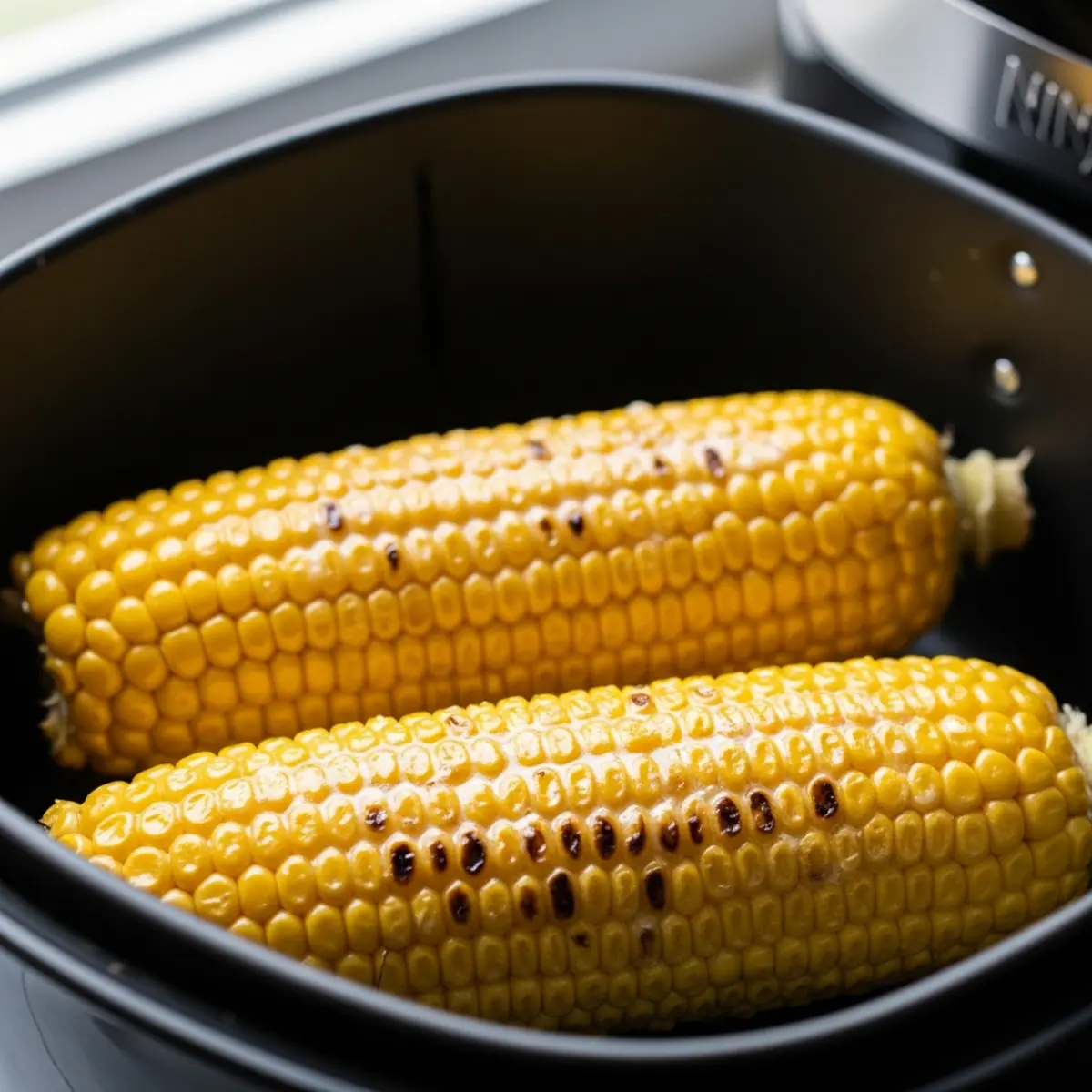
Ninja Foodi Air Fryer & Pressure Cooker 4-Minute Corn on the Cob
 Vegetables
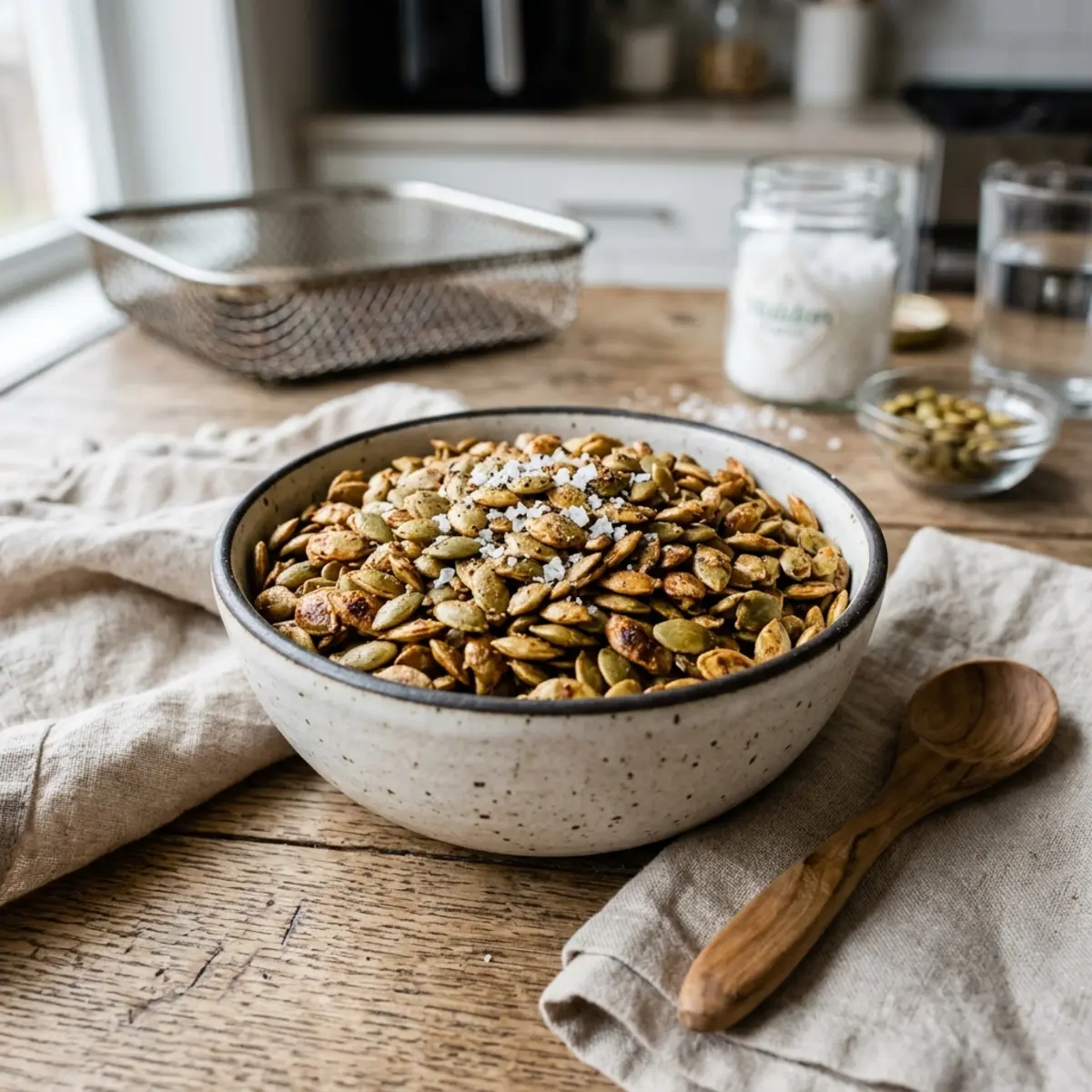
Air Fryer Pumpkin Seeds – Crispy and Golden
 Vegetables
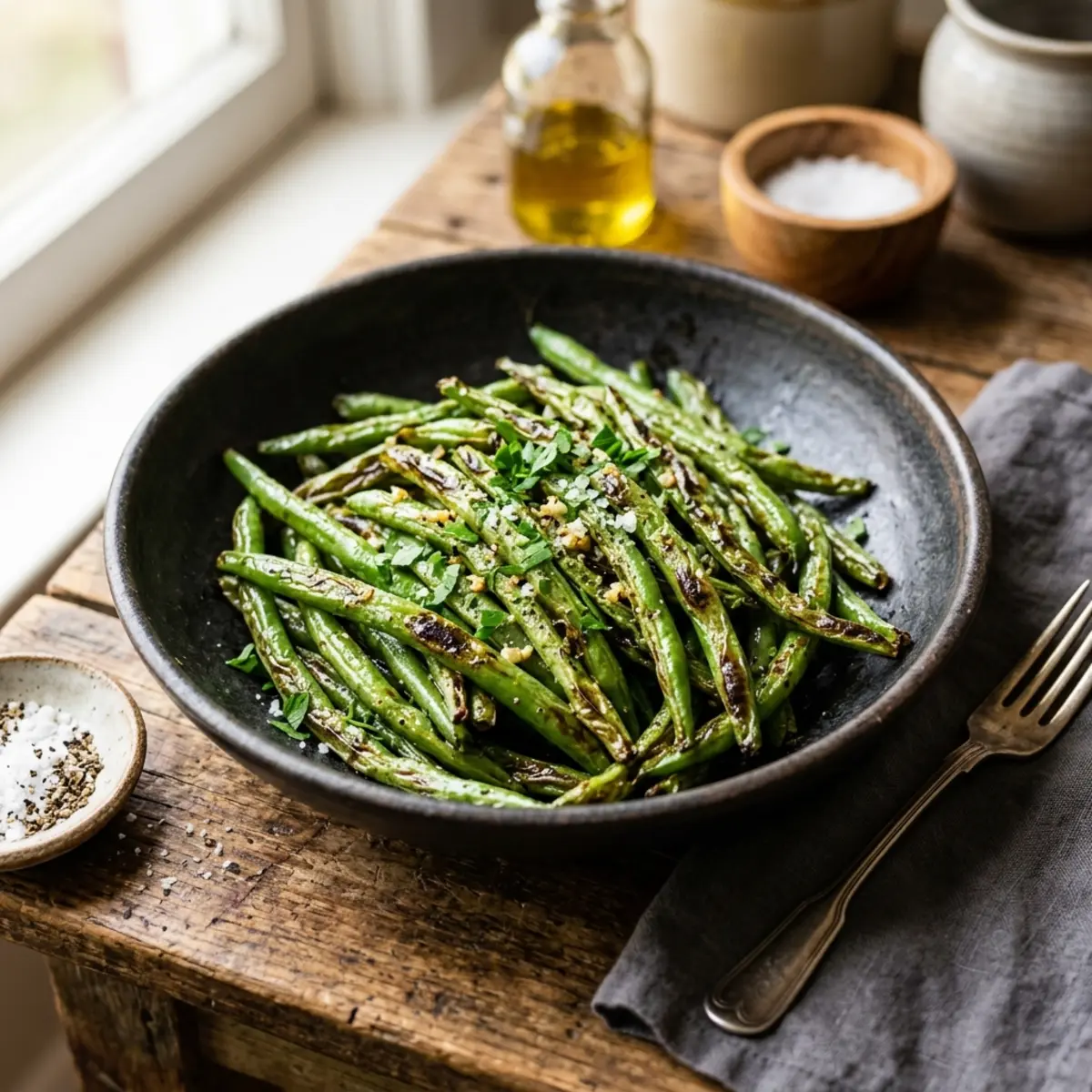
Air Fryer Green Beans – Quick and Tasty Side Dish
 Vegetables
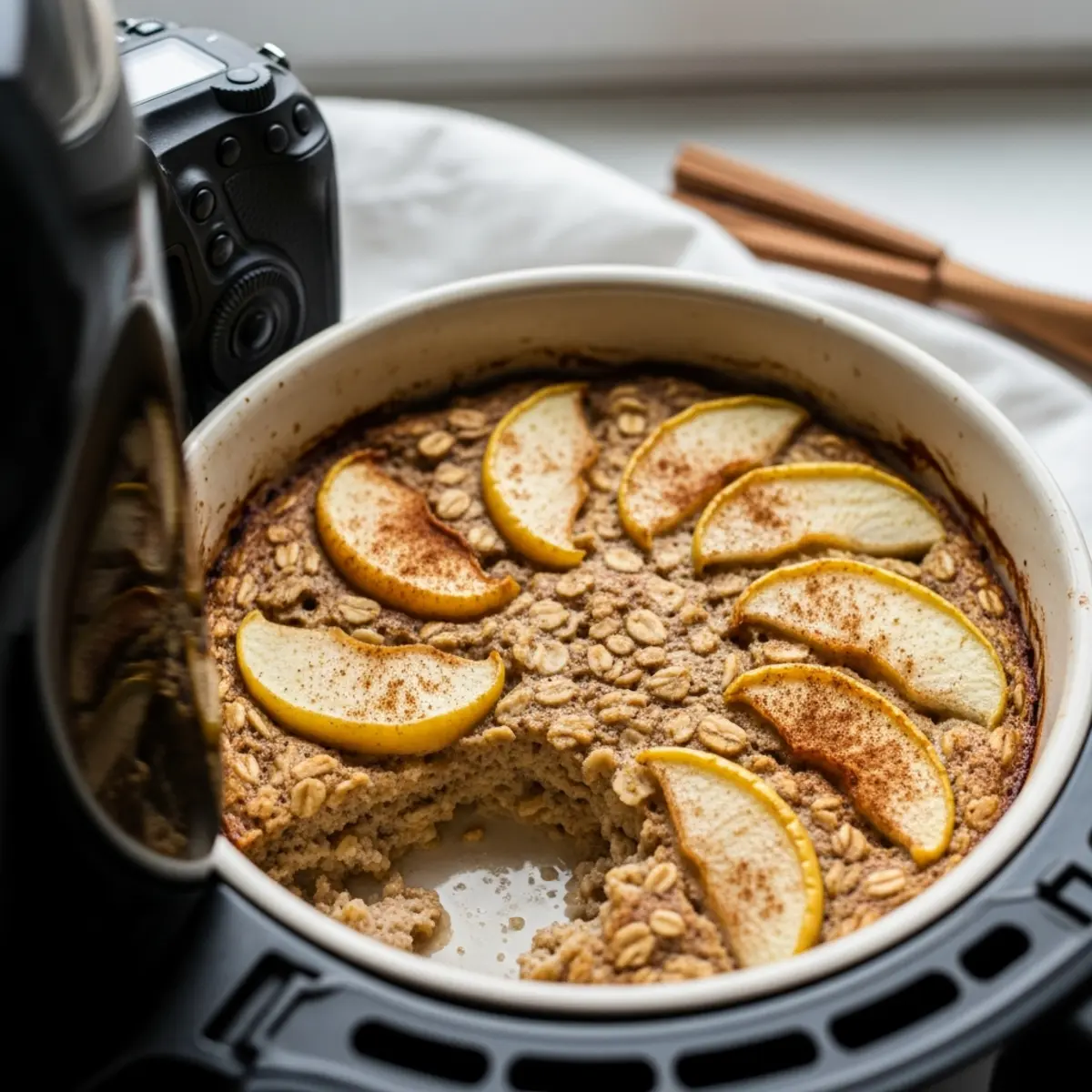
Oatmeal with Apples and Cinnamon in Air Fryer
 Vegetables
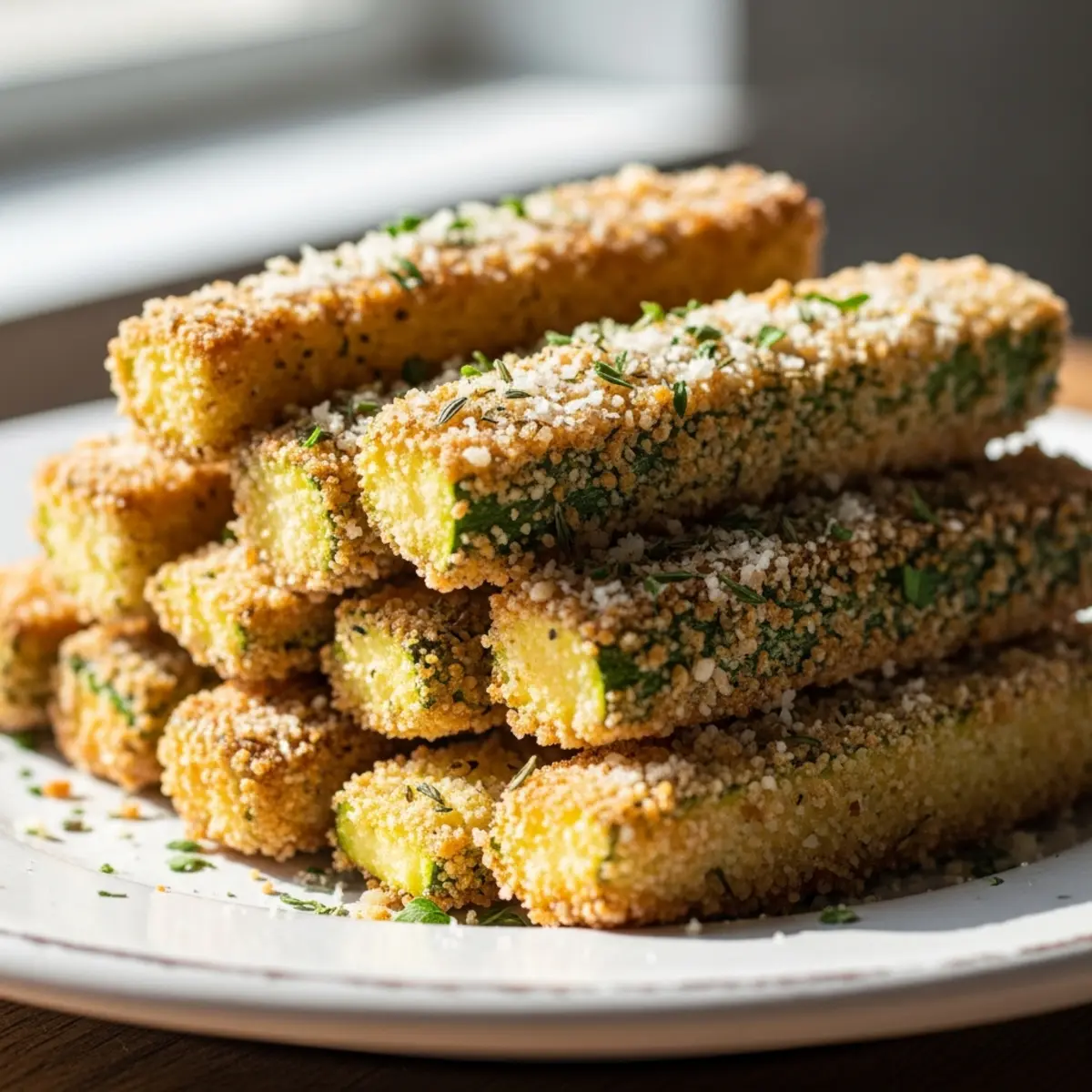
Crispy Parmesan Zucchini Sticks in Air Fryer
 Vegetables