Air Fryer Beet and Nut Wellington with Roasted Vegetables
A vegetarian Wellington with beet and nut filling, wrapped in puff pastry, cooked in an air fryer alongside roasted vegetables.
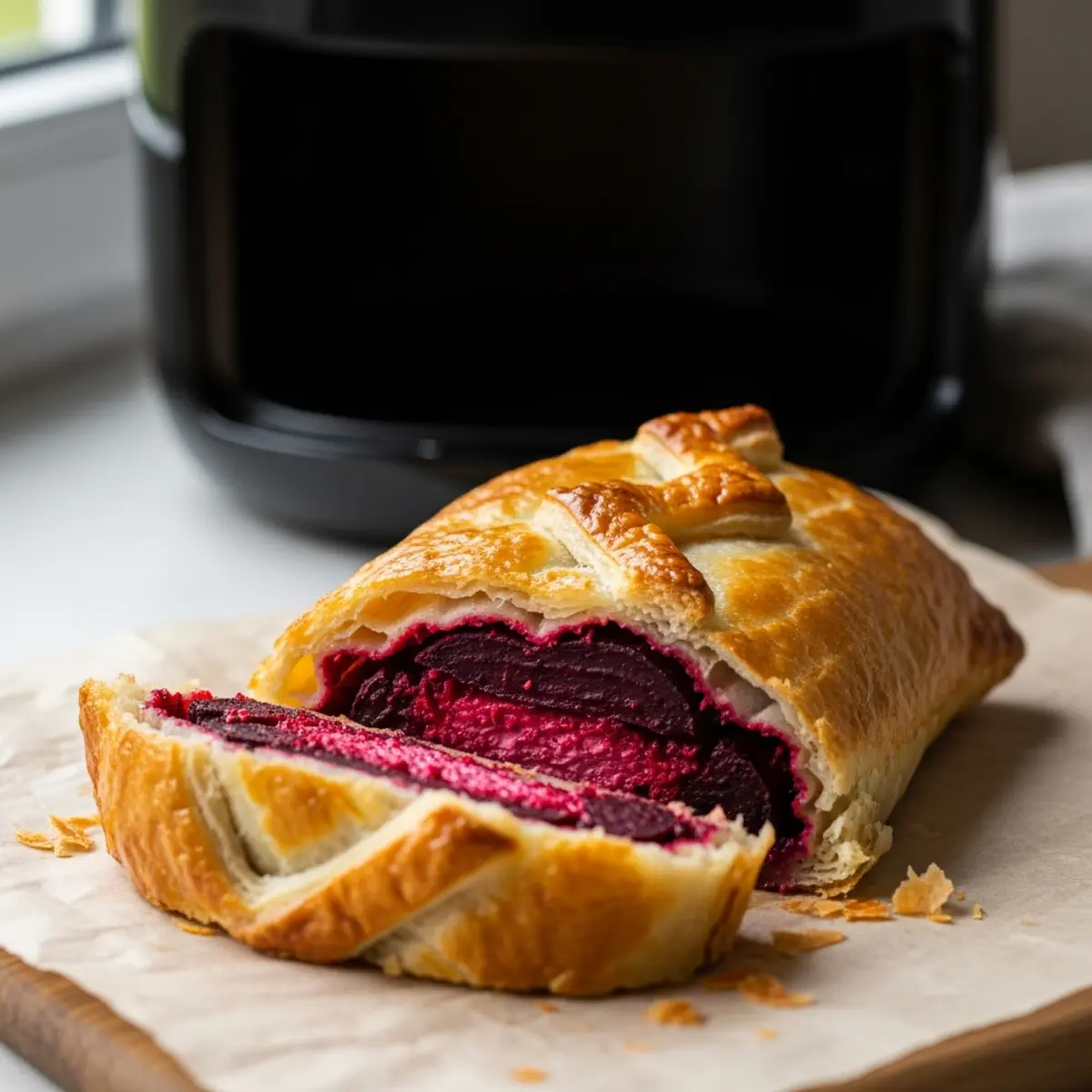
Steps
- 01
1. Preheat the air fryer to 180°C (350°F). Place sweet potato, beetroot, half onion, garlic, and rosemary in the air fryer basket, drizzle with a little oil. Cook for 10 minutes, then transfer to a food processor with mixed nuts. Process until a thick paste forms. Shape the paste into a log on plastic wrap, roll tightly, and refrigerate.
- 02
2. For duxelles: heat olive oil in a pan and sauté finely chopped onion and mushrooms over medium heat for 10-15 minutes until liquid evaporates. Season with salt and pepper, then let cool completely.
- 03
3. Roll out puff pastry on a floured surface. Spread cooled duxelles evenly over pastry. Place the beet-nut log at one end and roll the pastry tightly around it. Wrap in plastic wrap and refrigerate for at least 30 minutes.
- 04
4. Remove the roll from the fridge, brush all over with beaten egg, and place in one air fryer basket. In the second basket (if dual-zone) or a separate tray, toss potato chunks, carrot rounds, parsnip slices, and Brussels sprouts with oil and salt. Use SYNC function to cook both simultaneously: set Wellington basket to 20 minutes at 180°C (350°F), and vegetables to 10-15 minutes (they may be done earlier; adjust as needed).
- 05
5. While cooking, prepare vegetarian gravy according to package instructions. Once done, let the Wellington rest for a minute, then slice thickly and serve with roasted vegetables and gravy.
Recipe story
The Beet and Nut Wellington is a modern twist on the classic Beef Wellington, which originated in 19th-century England as a symbol of culinary refinement. The vegetarian version gained popularity in contemporary kitchens, especially in the UK and US, due to the rich texture and earthy flavor of beets and nuts. This recipe adapts the dish for an air fryer, preserving the original essence while reducing cooking time and fat.
Ingredient Secrets
Discover the culinary secrets and flavor history of key ingredients in this dish.
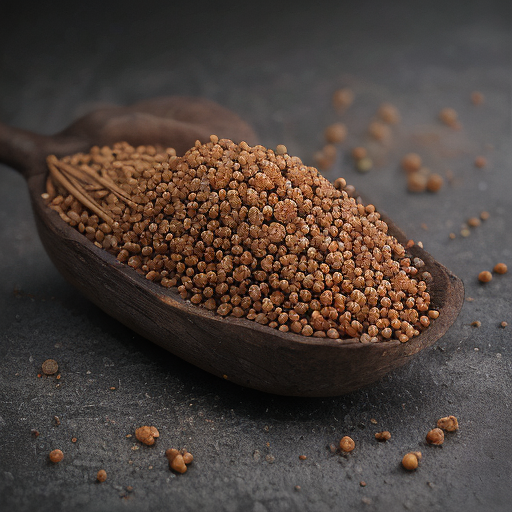
Black pepper
Known as 'black gold' in antiquity, pepper was so valuable that it served as currency and tribute. In the Middle Ages, Venetian merchants controlled the pepper trade, and individual peppercorns were often counted. Legend has it that when Alaric, king of the Visigoths, demanded tribute from Rome, he included 3,000 pounds of pepper.
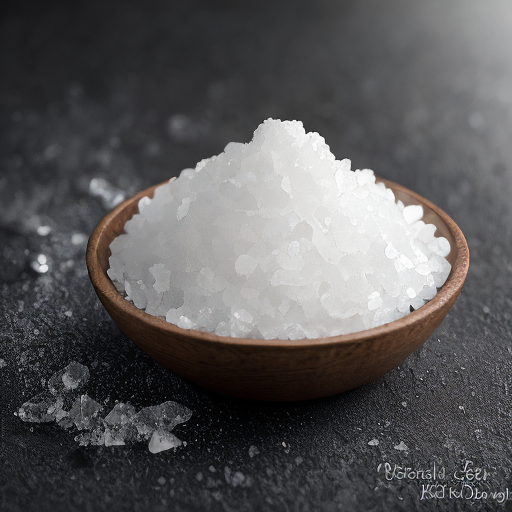
Sea salt
Sea salt, extracted from ocean waters by evaporation, was one of the most precious goods of antiquity, used both as food and as currency. In ancient Rome, soldiers were paid with salt, which is the origin of the word 'salary'. Salt roads connected entire civilizations, and in the Middle Ages, salt was so valuable it was called 'white gold'.
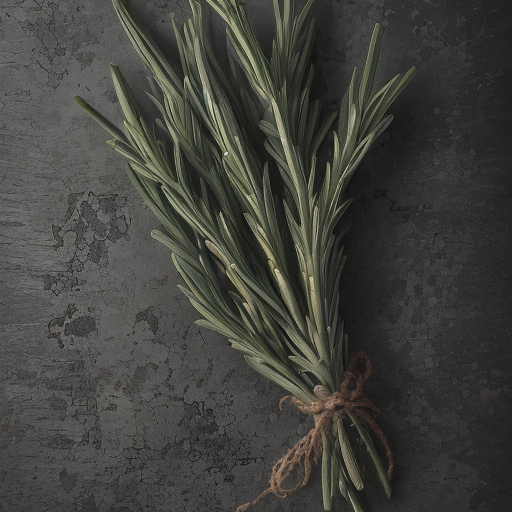
Rosemary
In ancient Rome, rosemary was a symbol of remembrance and fidelity, used in bridal crowns and funeral rites. Legend says that the goddess Venus, emerging from the sea waves, created rosemary.
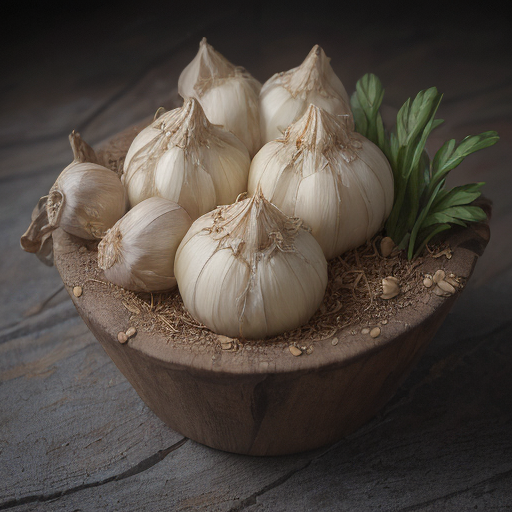
Garlic
Native to Central Asia, garlic was already known in ancient Egypt, where it was given to slaves to boost their strength. In ancient Greece, athletes consumed it before competitions, and in Rome, legionaries considered it essential for courage. During the Middle Ages, it was used to ward off vampires and the plague.
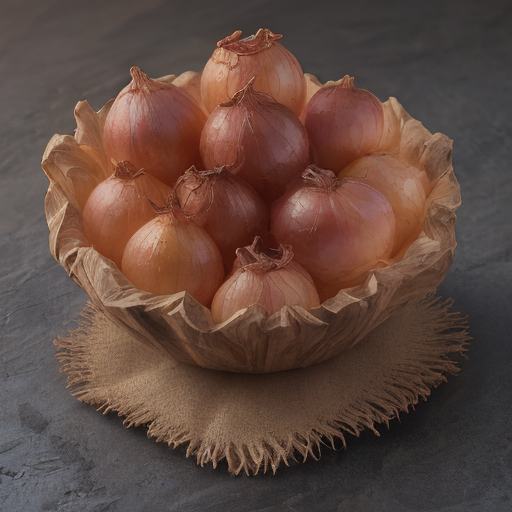
Onion
Probably originating in Central or West Asia, onions were cultivated in ancient Egypt, where they were considered a symbol of eternity and placed in tombs. In ancient Greece, athletes ate them to balance their blood, and in Rome, they were a staple food for soldiers. During the Middle Ages, onions were believed to protect against arrows and the plague.
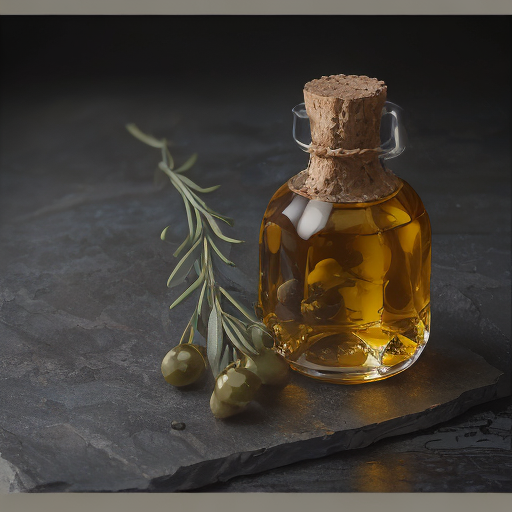
Olive oil
Originating in the Mediterranean basin, olive oil was already produced in ancient Crete 5,000 years ago. In ancient Greece, it was considered a gift from Athena and used in lamps, cosmetics, and religious ceremonies. The Romans spread it throughout the empire, and in the Middle Ages, monasteries preserved the tradition of its production.
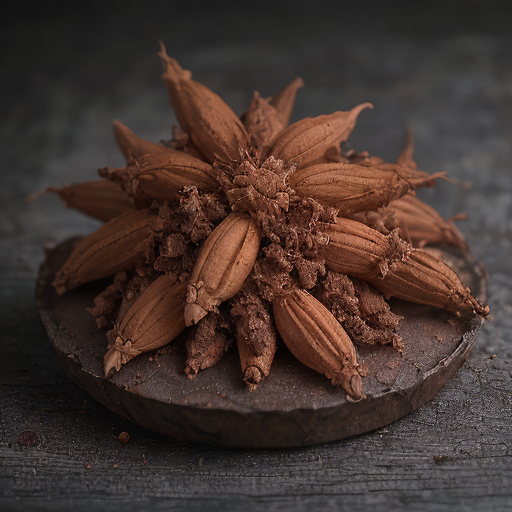
Cloves
Cloves, the dried buds of the exotic Syzygium aromaticum tree, were one of the most prized spices of the ancient world, often called 'aromatic gold'. In the Middle Ages, Venetian merchants controlled the clove trade, bringing them from the Maluku Islands, the only place they grew, and selling them at exorbitant prices in Europe.
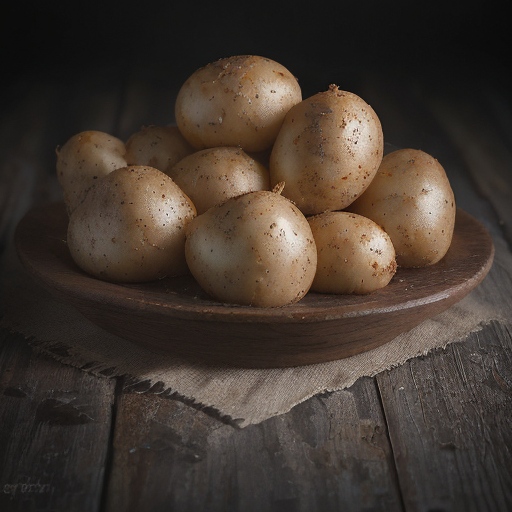
Potato
Although today it seems indispensable on the table, the potato was long viewed with suspicion in Europe. Arriving from the Andes in the 16th century, it was considered a diabolical plant, even poisonous, due to its toxic leaves and fruits. It wasn't until the 18th century, thanks to promoters like Antoine-Augustin Parmentier, that the potato became a staple food, saving Europe from famine.
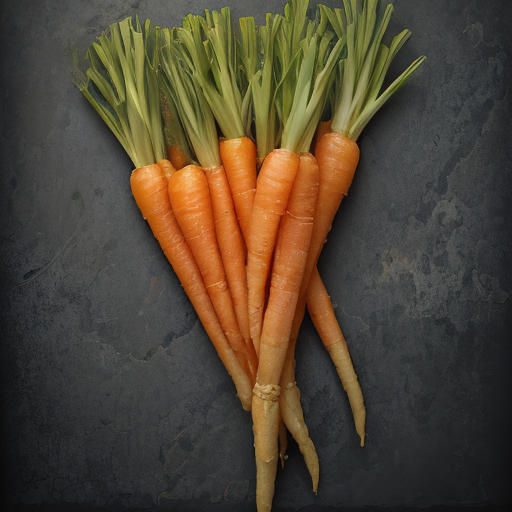
Carrot
The carrot, known in antiquity as a medicinal remedy rather than a vegetable, was originally purple or white. It wasn't until the 17th century that Dutch breeders developed the orange variety, honoring the House of Orange.
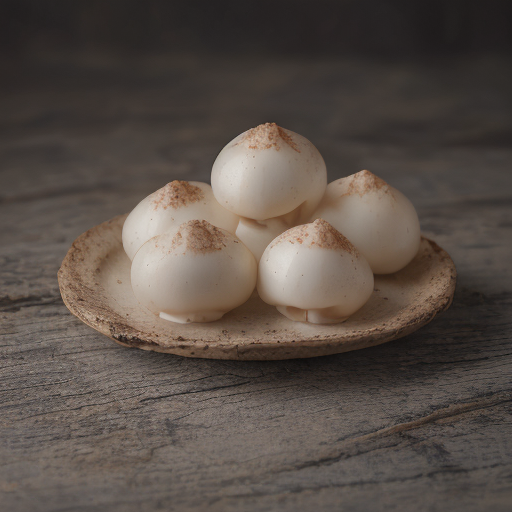
Mushrooms
Mushrooms have been used for thousands of years in cuisines worldwide, from ancient China to classical Greece. In ancient Egypt, they were considered food for royalty, and the Romans called them 'food of the gods'.
You may also like
 Vegetables
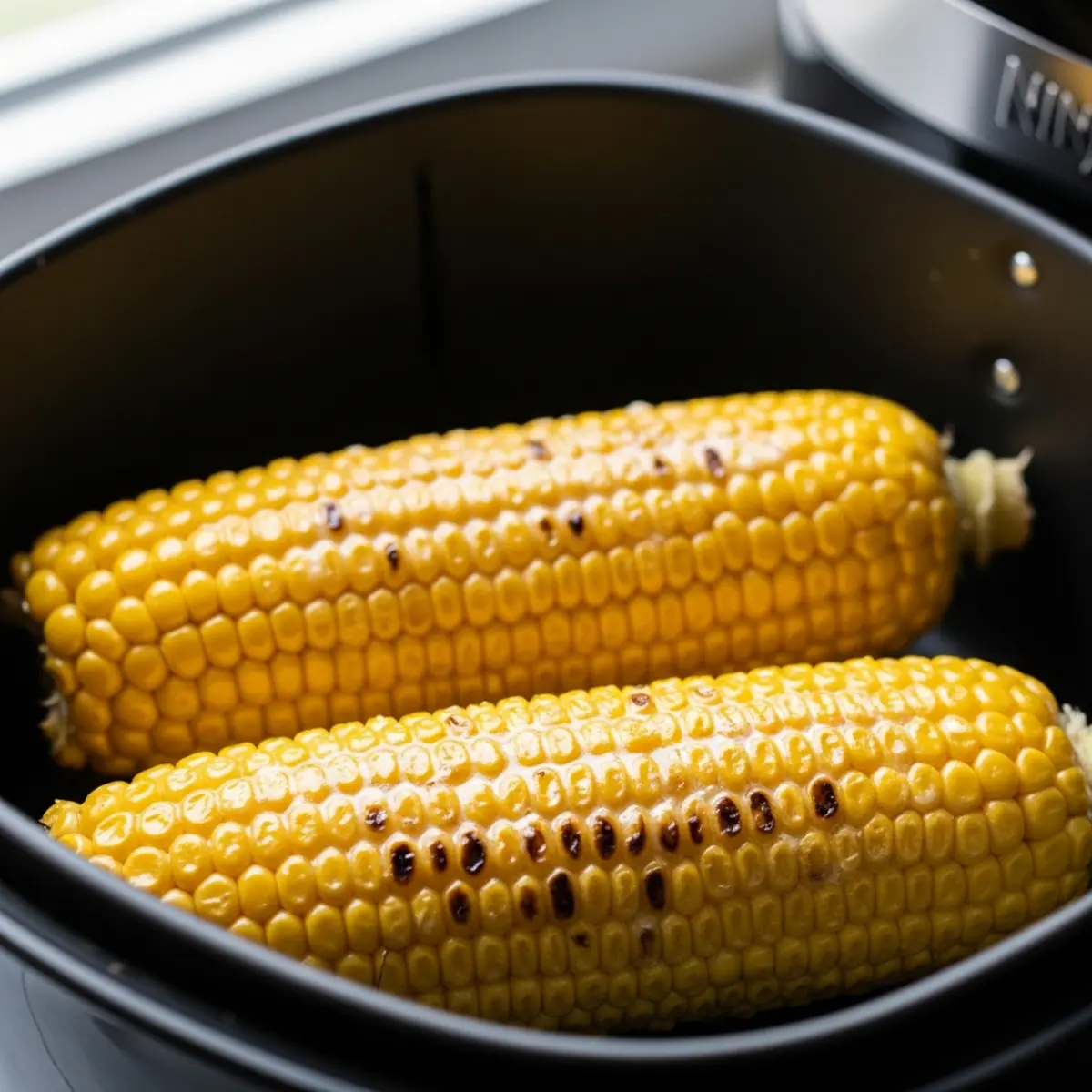
Ninja Foodi Air Fryer & Pressure Cooker 4-Minute Corn on the Cob
 Vegetables
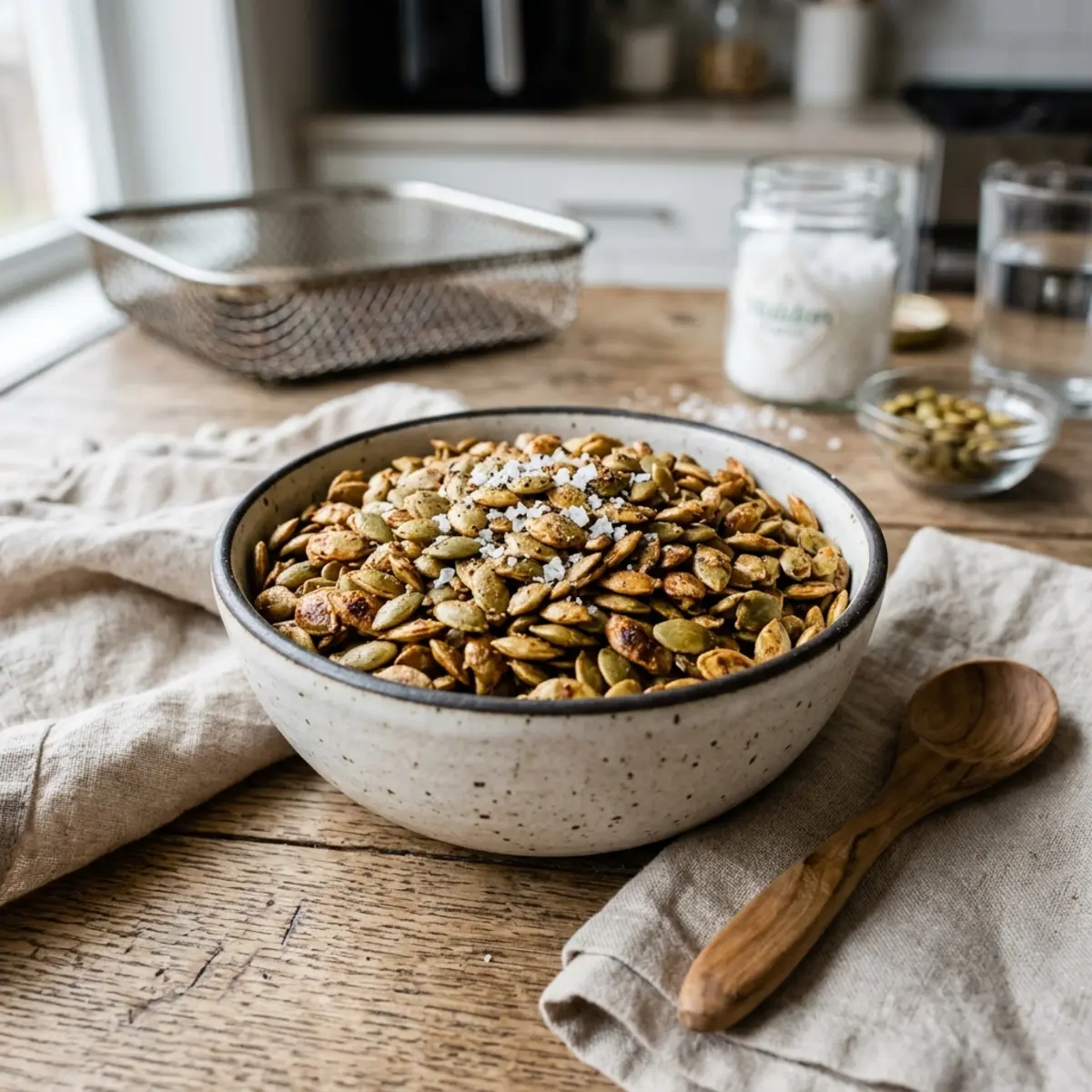
Air Fryer Pumpkin Seeds – Crispy and Golden
 Vegetables
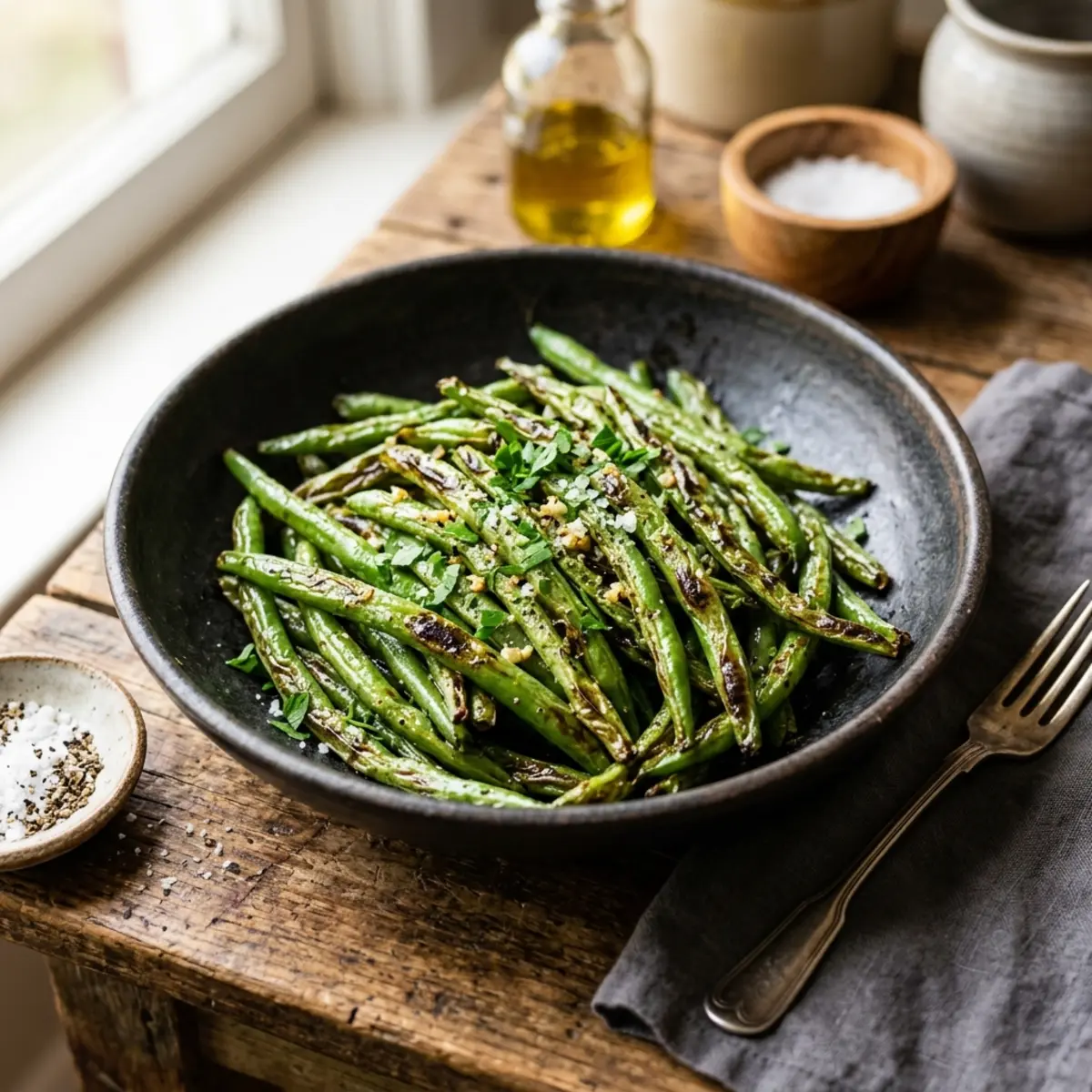
Air Fryer Green Beans – Quick and Tasty Side Dish
 Vegetables
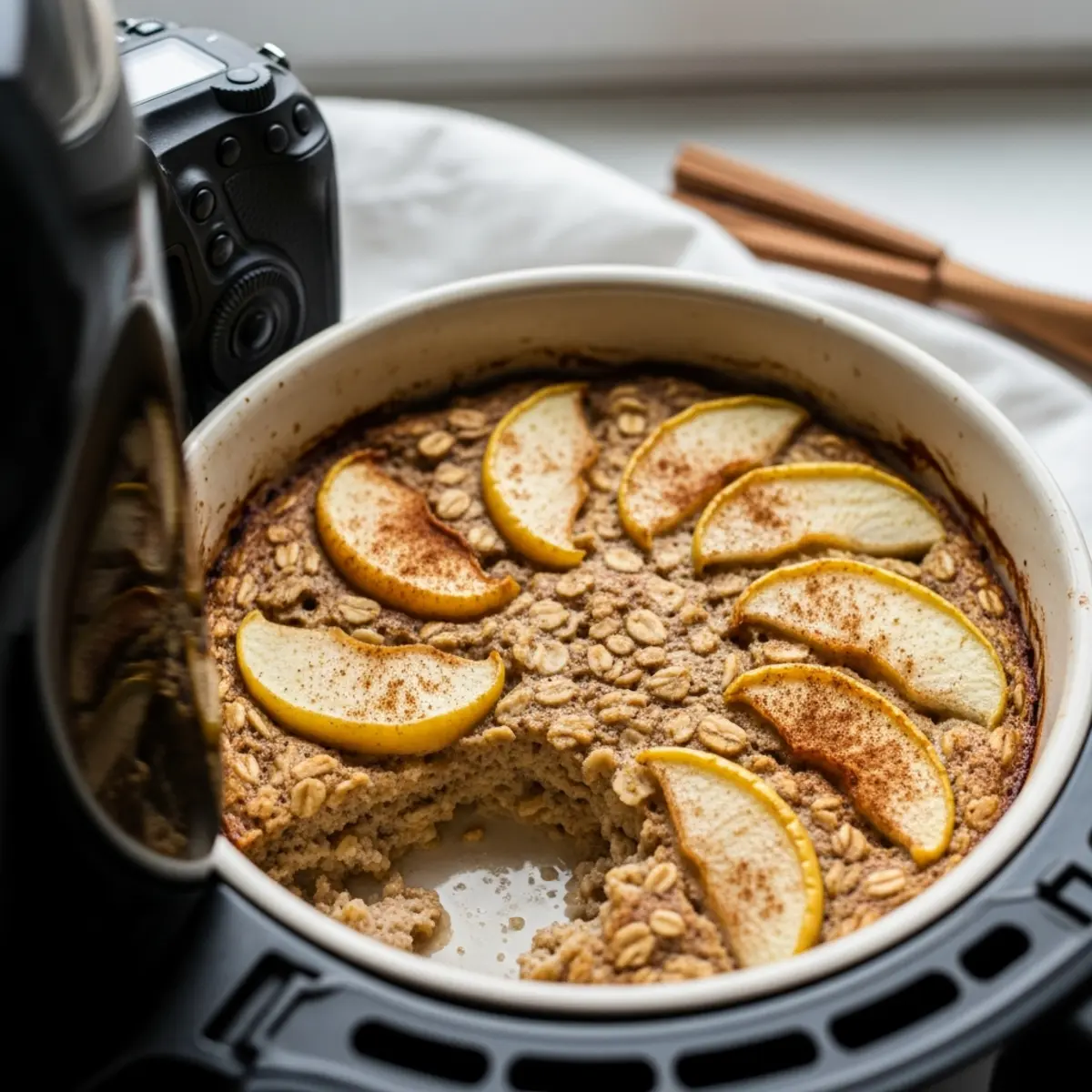
Oatmeal with Apples and Cinnamon in Air Fryer
 Vegetables
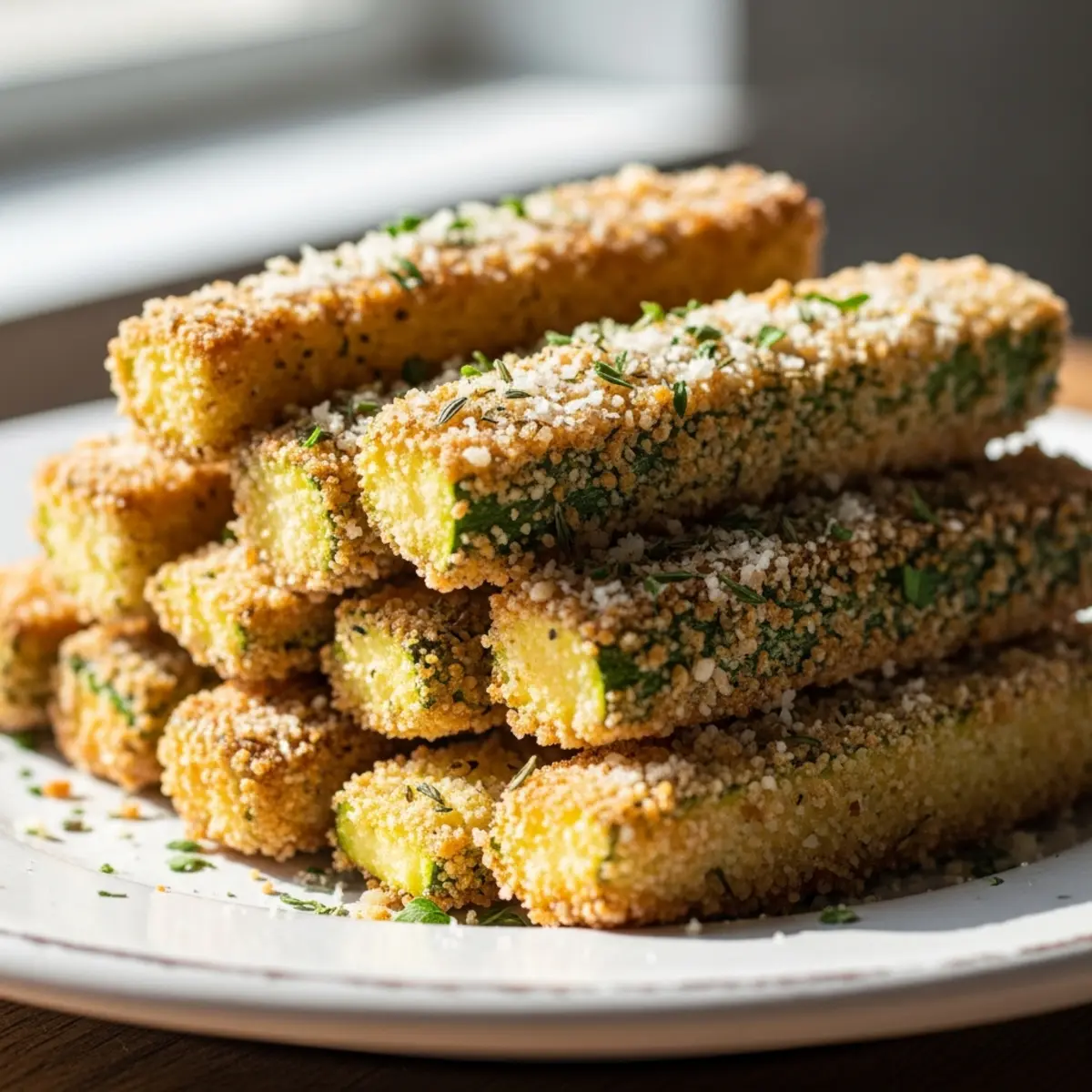
Crispy Parmesan Zucchini Sticks in Air Fryer
 Vegetables